
Creative Biolabs is offering the most comprehensive services for antibody development projects. With strict regulation and effective execution, we are dedicated to providing the most valuable solutions to complete your projects.
HighlightsCreative Biolabs is offering the most comprehensive services for antibody development projects. With strict regulation and effective execution, we are dedicated to providing the most valuable solutions to complete your projects.
HighlightsCreative Biolabs has established a broad range of platforms for developing novel antibodies or equivalents. These cutting-edge technologies enable our scientists to meet your demands from different aspects and tailor the most appropriate solution that contributes to the success of your projects.
HighlightsWith deep understanding in antibody-related realms and extensive project experience, Creative Biolabs offers a variety of references to help you learn more about our capacities and achievements, including infographic, flyer, case study, peer-reviewed publications, and all kinds of knowledge that can assist your projects. You are also welcome to contact us directly for more specific solutions.
HighlightsGet a real taste of Creative Biolabs, one of the most professional custom service providers in the world. We are committed to providing highly customized comprehensive solutions with the best quality to advance your projects.
HighlightsCell-based targeted reporter gene assays play a vital role in evaluating drug biological activity with high sensitivity and specificity. By placing reporter genes under specific promoters, this advanced technology allows researchers to directly determine if therapeutic agents activate or repress these pathways, revealing how compounds influence specific signaling pathways. As a result, developing reporter gene assays for multiple targets can significantly advance therapeutics development and accelerate the progression of effective therapeutics into clinical treatment.
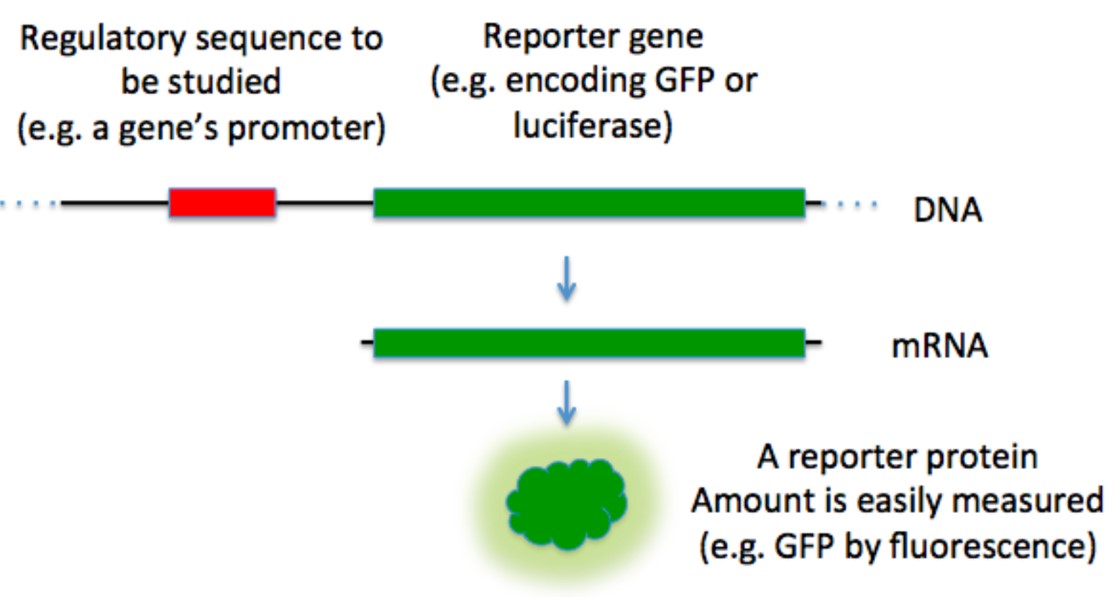 Fig.1 A diagram showing how the reporter gene works.1
Reporter gene assays offer significant advantages over traditional primary cell-based assays, including higher efficiency, consistency, and reproducibility. These assays translate candidate compound activity into measurable fluorescence, allowing real-time monitoring in living cells. Creative Biolabs leverages this technology to develop customized reporter gene assays for a variety of targets, including immune checkpoints, cytokines, growth factors, receptors, and other interest targets. Additionally, our immune cells-targeted reporter gene assays are ideal for tracking the activation of immune cells, such as T-cells and CAR-T cells, in response to immunotherapies. Of note, we provide well-validated in-house cell lines and also provide customized service to meet specific customers' needs. Creative Biolabs ensures fast, high-quality results with standardized reports delivered within 2 weeks.
Here we list several hot reporter gene assays targeting growth factors and receptors, kinase, as well as immune cells, for customers' project reference:
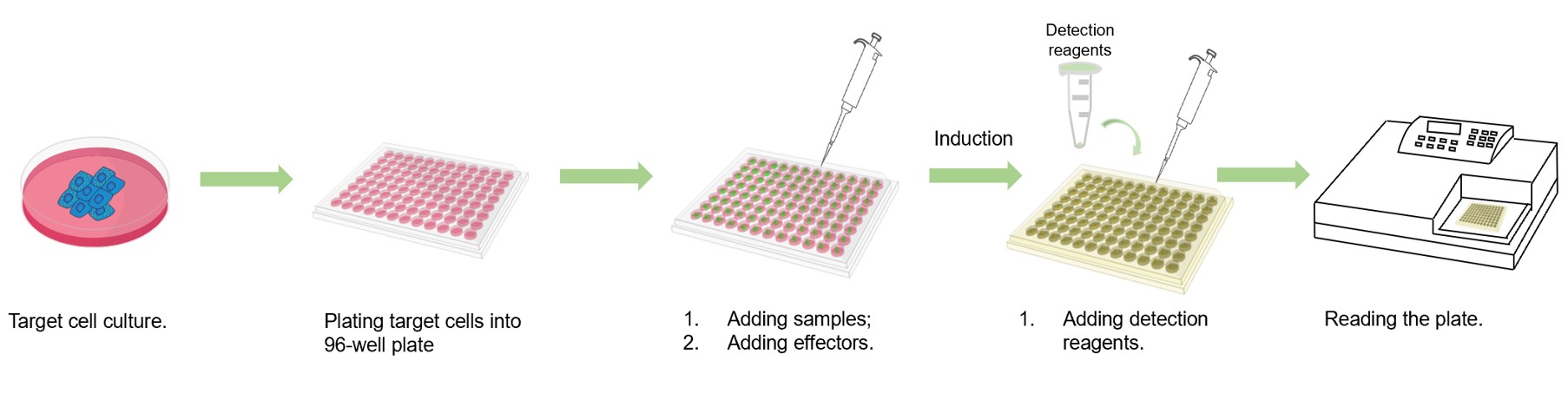 Fig.2 Workflow of our targeted reporter gene assay.
| Summary: | TGF-β and VEGFA are key negative regulators of antitumor immunity. They are involved in immune escape and immunotherapy resistance in tumor cells. This study introduced a novel bispecific antibody that targets both TGF-β and VEGF. The biological activity of the bispecific antibody was evaluated using a series of approaches and luciferase reporter assay, respectively. |
| Result: |
The findings demonstrated that this bispecific antibody effectively inhibited both TGF-β and VEGF signaling pathways. When used in conjunction with PD-1 blockade, it showed enhanced antitumor efficacy compared to monotherapies, primarily by modulating and improving the immune microenvironment.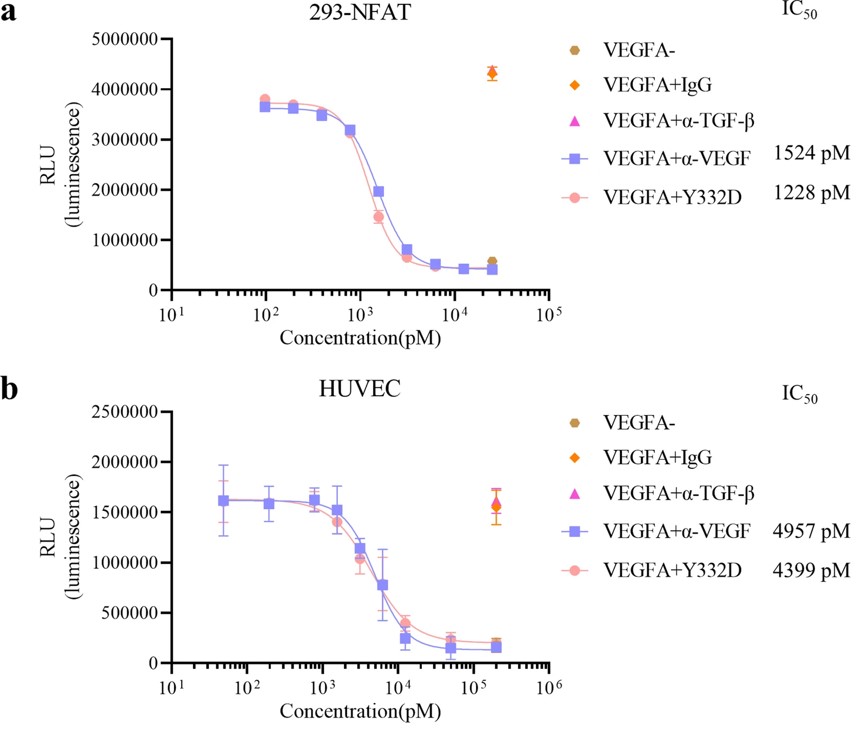 Fig.3 Evaluation of the bispecific antibody's antagonistic impact on VEGF/VEGFR pathway activation, VEGFA-driven proliferation, and tube formation in HUVECs.2, 3 |
If you want to customize a specific targeted reporter gene assay, please don't hesitate to reach out to us with your challenging projects.
References
All listed services and products are For Research Use Only. Do Not use in any diagnostic or therapeutic applications.









