Creative Biolabs is offering the most comprehensive services for antibody development projects. With strict regulation and effective execution, we are dedicated to providing the most valuable solutions to complete your projects.
HighlightsCreative Biolabs is offering the most comprehensive services for antibody development projects. With strict regulation and effective execution, we are dedicated to providing the most valuable solutions to complete your projects.
HighlightsCreative Biolabs has established a broad range of platforms for developing novel antibodies or equivalents. These cutting-edge technologies enable our scientists to meet your demands from different aspects and tailor the most appropriate solution that contributes to the success of your projects.
HighlightsWith deep understanding in antibody-related realms and extensive project experience, Creative Biolabs offers a variety of references to help you learn more about our capacities and achievements, including infographic, flyer, case study, peer-reviewed publications, and all kinds of knowledge that can assist your projects. You are also welcome to contact us directly for more specific solutions.
HighlightsGet a real taste of Creative Biolabs, one of the most professional custom service providers in the world. We are committed to providing highly customized comprehensive solutions with the best quality to advance your projects.
HighlightsCreative Biolabs, with over two decades of industry-leading expertise in biotechnology and protein science, is proud to offer a state-of-the-art Proximity-dependent Biotin Identification (BioID) Service. This powerful technology transcends the limitations of conventional methods by enabling the unbiased discovery of protein-protein interactions (PPIs) directly within their natural cellular environment. By fusing a promiscuous biotin ligase to your protein of interest, we can capture a high-resolution snapshot of its proximal proteome, revealing not only direct binding partners but the entire molecular neighborhood.
Proximity-dependent Biotin Identification (BioID) is a revolutionary technique for identifying physiologically relevant protein associations in living cells. The method's ingenuity lies in its core component: a mutant E. coli biotin ligase, BirA* (R118G), which has lost its substrate specificity.
The Mechanism:
This "history-of-interaction" approach permanently marks proteins that have been in close proximity to the bait, making it exceptionally powerful for discovering previously inaccessible interactomes.
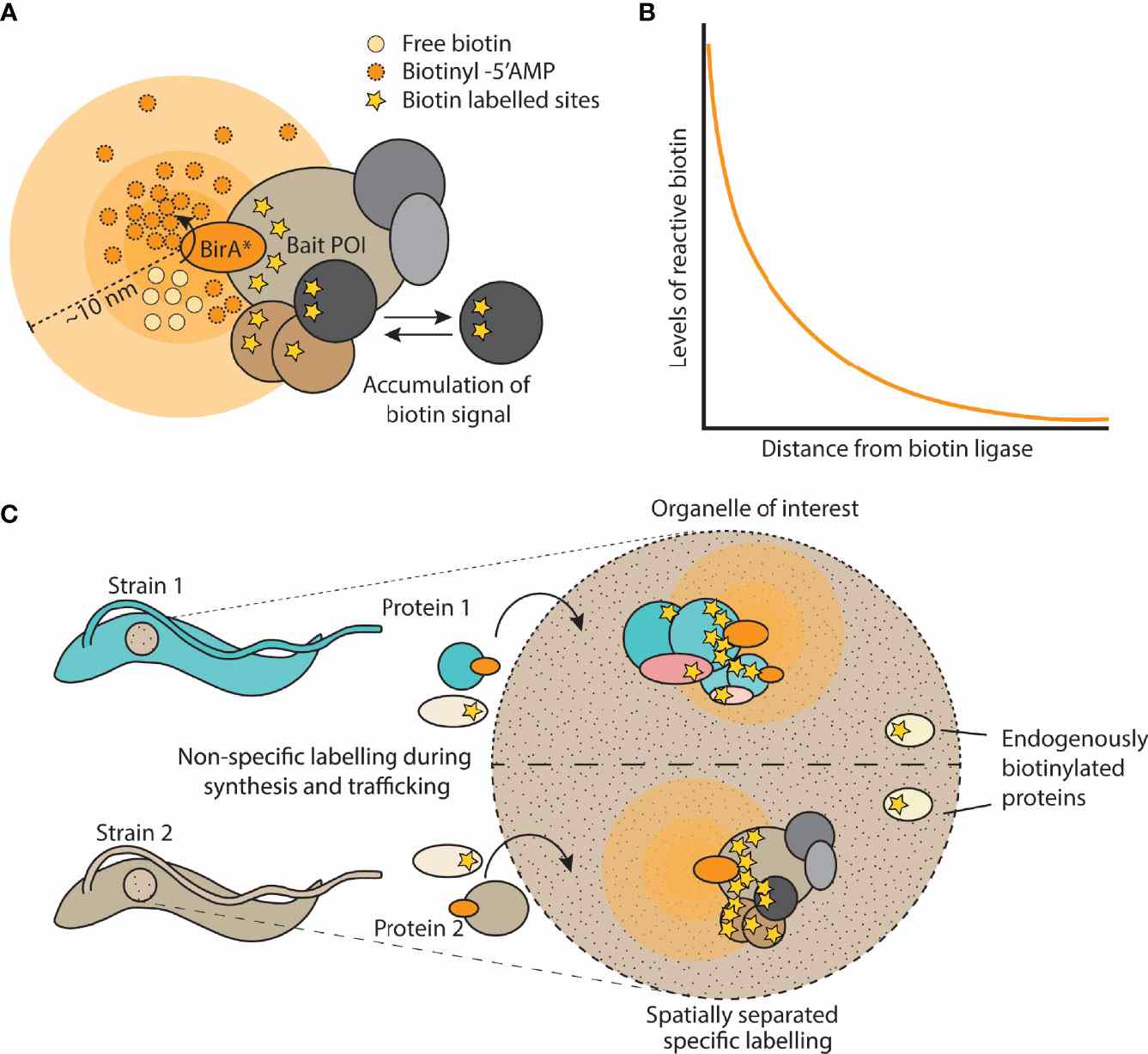 Fig. 1 Overview of proximity biotinylation by BirA*.1
At Creative Biolabs, we are committed to providing our clients with the most advanced technologies. While classic BioID is robust, its long labeling time (18-24 hours) can sometimes be a limitation. To address this, we have fully integrated the next generation of biotin ligases into our service portfolio.
| Feature | *Classic BioID (BirA)** | BioID2 | TurboID / miniTurbo |
| Origin | Mutant E. coli ligase | Aquifex aeolicus ligase | Yeast display-evolved ligase |
| Size | ~35 kDa | ~27 kDa (Smaller) | ~35 kDa / ~28 kDa |
| Labeling Time | 18 - 24 hours | ~8 hours | 10 - 20 minutes |
| Efficiency | Low | Moderate | High / Very High |
| Optimal Temp. | 37°C | 37°C | Works at room temp & 37°C |
| Biotin Conc. | High (e.g., 50 µM) | Lower | Lower |
| Best For | Stable, long-term interactomes | General use, smaller tag size | Dynamic processes, toxic baits, in vivo models |
We have optimized every step of the BioID workflow to ensure robust, reproducible, and high-quality data. Our comprehensive service manages the entire process from start to finish.
Our BioID platform is incredibly versatile, empowering researchers across numerous fields to answer complex biological questions.
A: It depends on your goal. For stable, long-term interactomes in standard cell lines, classic BioID is a cost-effective and proven choice. For dynamic or transient interactions, for use in whole organisms, or if your bait protein is toxic, TurboID is strongly recommended due to its speed and efficiency. Our experts can help you decide.
A: Proper controls are critical. We typically recommend using cells expressing the unfused biotin ligase (e.g., EGFP-TurboID) as a negative control to identify background biotinylation. Comparing results against the CRAPome database of common contaminants is also a standard part of our analysis pipeline.
A: You can provide as little as the gene name or sequence for your protein of interest. We can handle everything from gene synthesis to the final data report. Alternatively, you can provide a plasmid containing your gene or the stable cell line.
A: We use a multi-faceted strategy. This includes quantitative mass spectrometry to measure the enrichment of proteins in your bait sample compared to controls, statistical scoring (e.g., SAINT analysis), and filtering against databases of known non-specific binders.
Based on the powerful technology platform, we are professional in providing one-stop and tailored solutions to advance PPI detection for our valued customers.
With Creative Biolabs' expertise and cutting-edge technology, you can identify novel interactors, uncover new biological functions, and accelerate your path to publication and discovery. Contact us today for a free consultation and to request a quote for your BioID project. Our dedicated team is ready to help you design an experiment that delivers clear, impactful results.
All listed services and products are For Research Use Only. Do Not use in any diagnostic or therapeutic applications.