Creative Biolabs is offering the most comprehensive services for antibody development projects. With strict regulation and effective execution, we are dedicated to providing the most valuable solutions to complete your projects.
HighlightsCreative Biolabs is offering the most comprehensive services for antibody development projects. With strict regulation and effective execution, we are dedicated to providing the most valuable solutions to complete your projects.
HighlightsCreative Biolabs has established a broad range of platforms for developing novel antibodies or equivalents. These cutting-edge technologies enable our scientists to meet your demands from different aspects and tailor the most appropriate solution that contributes to the success of your projects.
HighlightsWith deep understanding in antibody-related realms and extensive project experience, Creative Biolabs offers a variety of references to help you learn more about our capacities and achievements, including infographic, flyer, case study, peer-reviewed publications, and all kinds of knowledge that can assist your projects. You are also welcome to contact us directly for more specific solutions.
HighlightsGet a real taste of Creative Biolabs, one of the most professional custom service providers in the world. We are committed to providing highly customized comprehensive solutions with the best quality to advance your projects.
HighlightsDiscovering therapeutic antibodies and peptides with exceptional specificity and bioavailability is a cornerstone of modern drug development. At Creative Biolabs, we harness the unparalleled power of in vivo phage display screening to identify novel ligands directly within a complex physiological environment. With over two decades of pioneering experience, our advanced platform bypasses the limitations of in vitro methods, enabling the discovery of candidates that not only bind to their target with high affinity but also demonstrate superior tissue penetration, stability, and therapeutic potential in a living system. Our services are powered by cutting-edge technologies, including Next-Generation Sequencing (NGS) for deep mining of binding populations and a comprehensive suite of custom and specialized disease models.
In vivo phage display is a powerful selection methodology that uses an entire living organism as the selection matrix. A highly diverse phage library, displaying billions of different peptides or antibody fragments (e.g., scFv, Fab) on their surface, is administered systemically (e.g., via intravenous injection) into an animal model.
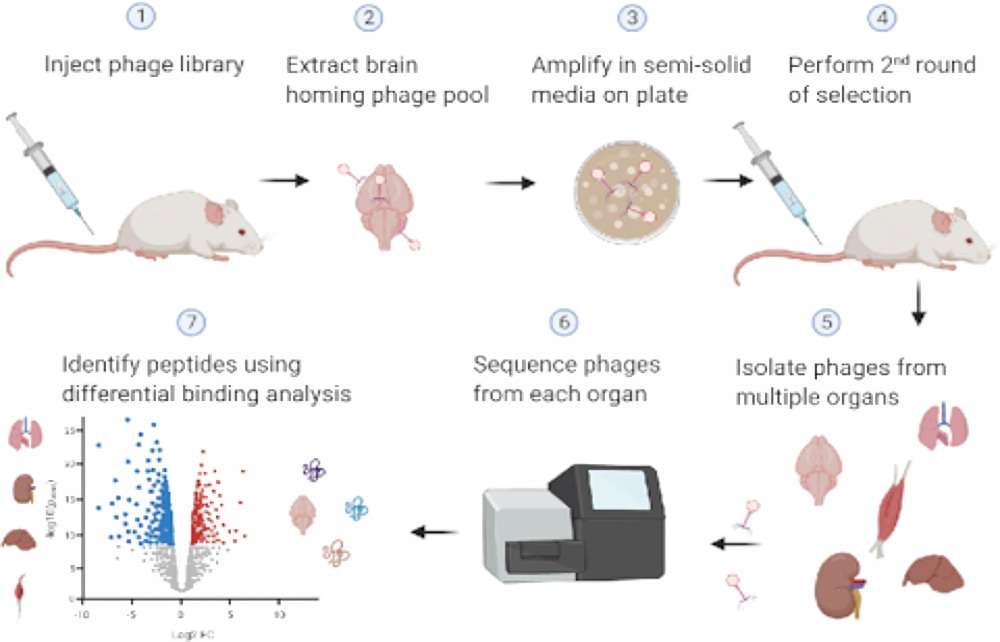 Fig. 1 In vivo phage display using differential binding approach.1
The phages circulate throughout the body, interacting with a vast array of cells, tissues, and receptors in their native context. Phages that bind specifically to a target of interest (e.g., a tumor-specific antigen, a receptor in a diseased organ) are enriched, while non-binding or non-specific phages are cleared by the circulatory and reticuloendothelial systems. After a period of circulation, the target organ or tissue is harvested, and the bound phages are rescued, amplified, and subjected to further rounds of selection. This iterative process, known as in vivo biopanning, progressively enriches for phage clones with the desired homing and binding characteristics.
Table. 1 The Core Advantage of In Vivo vs. In Vitro Screening
| Feature | In Vitro Screening (Conventional) | In Vivo Screening |
| Selection Environment | Artificial (plastic tubes, purified proteins) | Physiological (living organism, complex tissues) |
| Target Accessibility | Only exposed epitopes of purified proteins | Native, post-translationally modified targets in their cellular context |
| Bioavailability Filter | Absent; candidates may not reach the target in a living system | Intrinsic; only phages that can navigate the vasculature and penetrate tissue are selected |
| Off-Target Binding | Difficult to assess; may lead to unforeseen toxicity | Naturally selected against; non-specific binders are cleared from the system |
| Discovery Potential | Known, accessible targets | Novel, previously "undruggable" or unknown targets; organ-specific markers |
| Clinical Relevance | Moderate; significant optimization is often required | High; candidates are pre-validated for in-organism performance |
We have integrated the latest technological advancements to create a robust, sensitive, and highly efficient screening platform.
We offer an extensive collection of premier phage display libraries, including peptide, scFv, Fab, and VHH libraries, with diversities exceeding 1010. We also specialize in constructing custom libraries tailored to your specific project needs.
Move beyond traditional colony picking. We utilize deep sequencing to analyze the phage populations after each panning round.
The quality of the discovery process depends on the relevance of the model. We provide a wide range of options:
We employ refined protocols to maximize success, including pre-clearing steps to remove non-specific binders and specialized elution techniques to rescue tightly bound phages from target tissues.
Our service is a meticulously managed, end-to-end process designed for transparency and superior results.
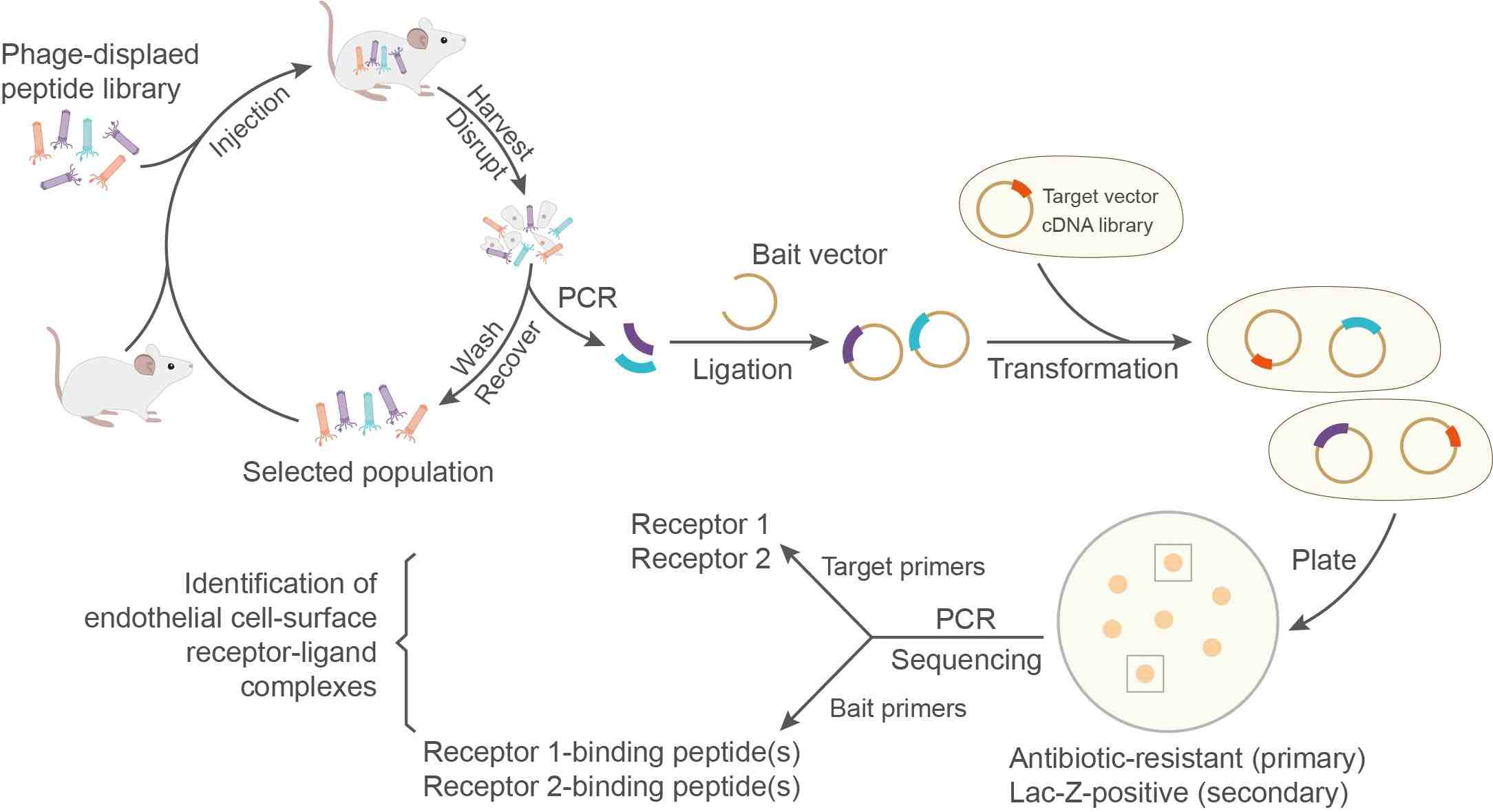 Fig. 2 The process of phage selection in vivo.
We work closely with you to understand your target, research goals, and desired candidate profile.
Choose from our world-class libraries or commission a custom library.
We prepare and validate the selected animal model to ensure it is suitable for the screening campaign.
The phage library is administered to the model.
After circulation, target organs/tissues are harvested, and bound phages are eluted.
Rescued phages are amplified in E. coli and used for subsequent, more stringent rounds of selection (typically 3-5 rounds).
Enriched phage populations are sequenced using NGS. Our bioinformatics team analyzes the massive dataset to identify high-potential candidates.
We express and purify the selected antibody fragments or synthesize peptides and validate their binding and specificity through methods like ELISA, flow cytometry, or immunohistochemistry (IHC).
You receive a detailed report including all raw data, NGS analysis, binding kinetics, and validated candidate sequences.
A: Virtually any target that is accessible through the vasculature can be addressed. This includes cell surface receptors, extracellular matrix proteins, and antigens specific to diseased tissues like tumors or sites of inflammation.
A: A standard project, from initial consultation to delivery of validated hits, typically takes 12-16 weeks. This timeline can vary depending on the complexity of the project and whether custom library or model development is required.
A: You will receive a comprehensive final report containing a project summary, detailed protocols, all NGS and bioinformatics data, enrichment analysis, and the sequences of validated, high-affinity binding candidates. Purified antibodies or peptides can also be provided as a deliverable.
A: Yes, while mice are the most common model, we have experience and capabilities to perform in vivo screening in other models, such as rats and non-human primates (upon special request and ethical review).
Creative Biolabs offers a full suite of antibody discovery and engineering services to support your research from start to finish. Our services of identifying targeting peptides for different tissues/organs by in vivo phage display including but not limited to:
Other optional phage display library screening services:
Ready to discover the next generation of targeted therapeutics? Contact us to discuss your project with our experts and receive a complimentary proposal.
All listed services and products are For Research Use Only. Do Not use in any diagnostic or therapeutic applications.