Creative Biolabs is offering the most comprehensive services for antibody development projects. With strict regulation and effective execution, we are dedicated to providing the most valuable solutions to complete your projects.
HighlightsCreative Biolabs is offering the most comprehensive services for antibody development projects. With strict regulation and effective execution, we are dedicated to providing the most valuable solutions to complete your projects.
HighlightsCreative Biolabs has established a broad range of platforms for developing novel antibodies or equivalents. These cutting-edge technologies enable our scientists to meet your demands from different aspects and tailor the most appropriate solution that contributes to the success of your projects.
HighlightsWith deep understanding in antibody-related realms and extensive project experience, Creative Biolabs offers a variety of references to help you learn more about our capacities and achievements, including infographic, flyer, case study, peer-reviewed publications, and all kinds of knowledge that can assist your projects. You are also welcome to contact us directly for more specific solutions.
HighlightsGet a real taste of Creative Biolabs, one of the most professional custom service providers in the world. We are committed to providing highly customized comprehensive solutions with the best quality to advance your projects.
HighlightsIn the rapidly evolving landscape of biotherapeutics, linear peptides often face limitations such as poor proteolytic stability, low bioavailability, and high conformational flexibility. Creative Biolabs, a global leader in peptide engineering with over two decades of expertise, provides a comprehensive Constrained Peptide Library Construction Service. By utilizing cutting-edge Phage Display Peptide Library platforms and innovative chemical constraints, we empower researchers to discover high-affinity ligands that bridge the gap between small molecules and large biologics. Our platforms integrate Positional Stabilization Methods and Positional Cyclization Methods to lock peptides into bioactive conformations, significantly enhancing their binding affinity and metabolic half-life.
Linear peptides are often "floppy" molecules, existing in a vast ensemble of shapes. Only one of these shapes typically binds to the target receptor. By "constraining" the peptide, we pre-organize it into the active shape, reducing the entropic penalty upon binding.
Table 1. Linear vs. Constrained Peptides – A Comparative Analysis
| Feature | Linear Peptides | Constrained Peptides |
|---|---|---|
| Conformational Entropy | High (High penalty for binding) | Low (Pre-organized for affinity) |
| Proteolytic Stability | Poor (Easily degraded by proteases) | Enhanced (Resistant to enzymatic cleavage) |
| Target Affinity | Moderate | High (Nanomolar to Picomolar) |
| Cell Permeability | Usually Low | Can be optimized (e.g., Stapled Peptides) |
| Surface Area | Small | Large (Capable of targeting PPIs) |
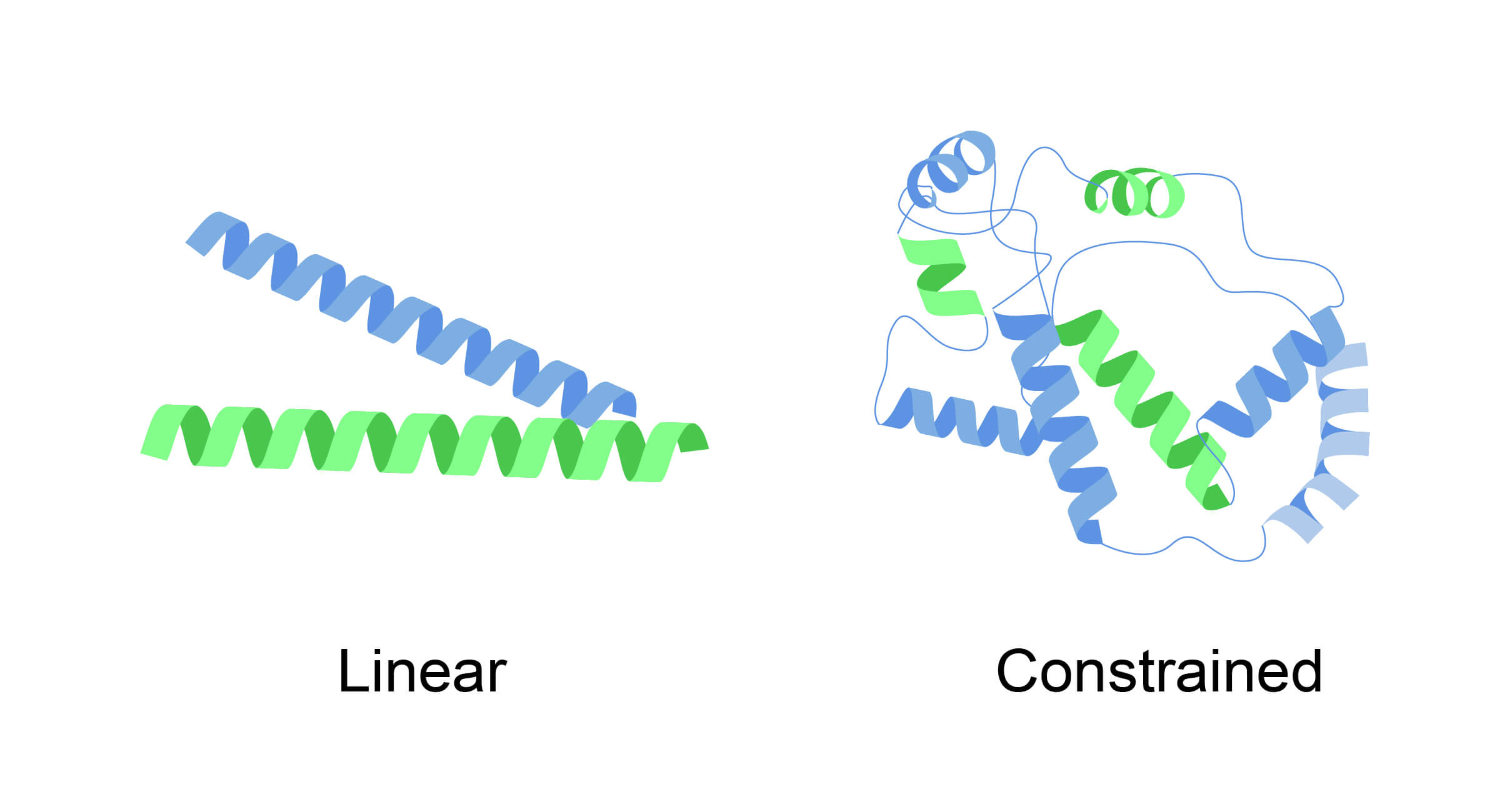 Fig. 1 Schematic diagram of constrained peptide position stabilization.
At Creative Biolabs, our technological edge lies in the seamless integration of biological diversity and synthetic precision. We don't merely "build" libraries; we architect molecular ensembles designed to overcome the most challenging therapeutic targets. Below are the pillars of our Constrained Peptide Library Construction platform.
The Phage Display Peptide Library remains the cornerstone of high-throughput ligand discovery. Unlike standard linear displays, our constrained systems utilize the inherent biology of M13, T7, and fd bacteriophages to present structurally rigidified motifs.
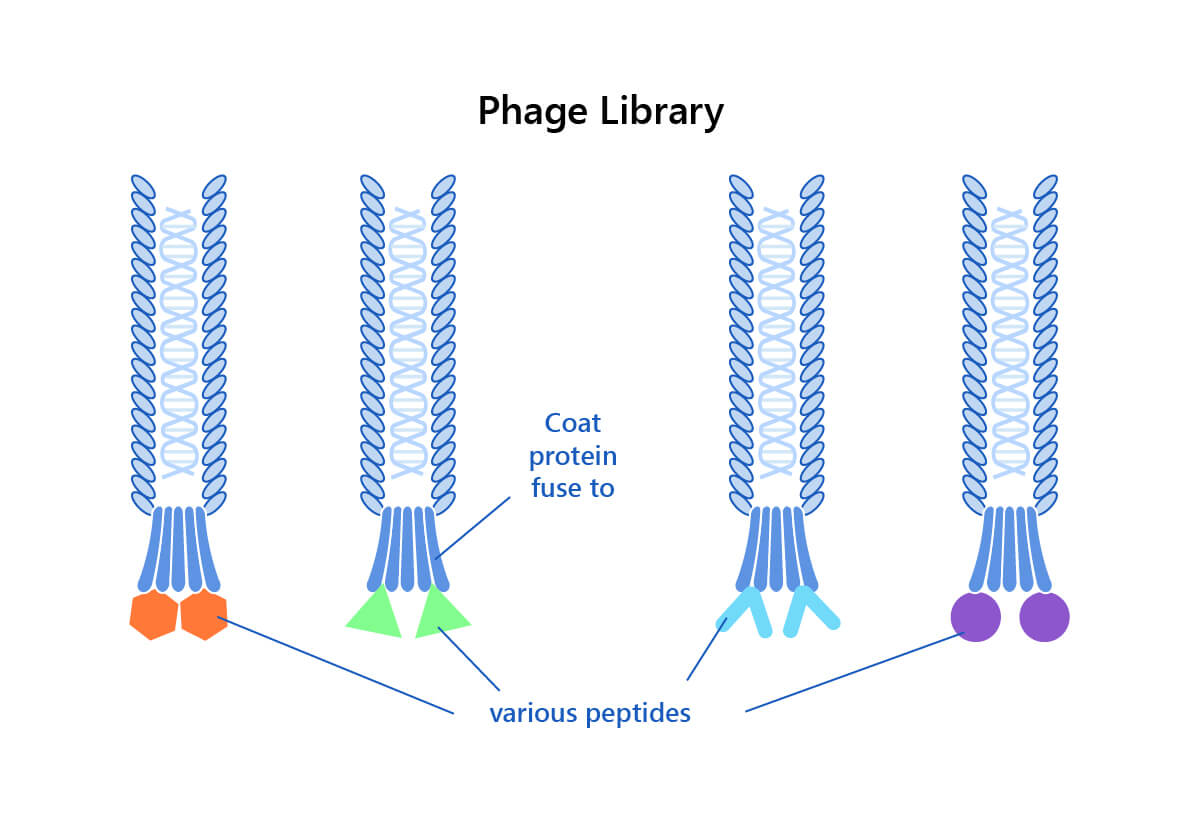 Fig. 2 Schematic diagram of phage display restricted peptide library.
The Positional Stabilization Method is a sophisticated engineering strategy used to lock a peptide into a specific bioactive secondary structure—most commonly an alpha helix or a beta sheet. This is critical for targeting Protein-Protein Interactions (PPIs) where the interface is a helical domain.
While stabilization focuses on secondary structure, the Positional Cyclization Method focuses on the global topology of the peptide. The "Position" refers to the precise selection of residues for ring closure to ensure the binding "warhead" is perfectly oriented.
To push the limits of Constrained Peptide Library Construction, we have integrated mRNA Display into our service portfolio.
To provide the most robust Constrained Peptide Library Construction Service, we employ several sophisticated strategies:
The most common biological constraint. We design libraries with fixed Cysteine residues to form rigid loops.
Utilizing All-hydrocarbon stabilities via Ring-Closing Metathesis (RCM). These are particularly effective for targeting Protein-Protein Interactions (PPIs) located in the cytoplasm.
By reacting linear peptides with chemical scaffolds, we create bicyclic structures. These "mini-proteins" offer unprecedented levels of rigidity and affinity.
We expand the genetic code to include D-amino acids, β-amino acids, and N-methylated residues within our Constrained Peptide Library to further enhance protease resistance.
With over 20 years in the biotech industry, Creative Biolabs stands at the forefront of Constrained Peptide Library Construction.
Ready to accelerate your drug discovery program? Contact our expert team today to discuss your Constrained Peptide Library Construction needs. Our PhD-level scientists are available to provide a detailed project feasibility assessment.
Reference
All listed services and products are For Research Use Only. Do Not use in any diagnostic or therapeutic applications.