Creative Biolabs is offering the most comprehensive services for antibody development projects. With strict regulation and effective execution, we are dedicated to providing the most valuable solutions to complete your projects.
HighlightsCreative Biolabs is offering the most comprehensive services for antibody development projects. With strict regulation and effective execution, we are dedicated to providing the most valuable solutions to complete your projects.
HighlightsCreative Biolabs has established a broad range of platforms for developing novel antibodies or equivalents. These cutting-edge technologies enable our scientists to meet your demands from different aspects and tailor the most appropriate solution that contributes to the success of your projects.
HighlightsWith deep understanding in antibody-related realms and extensive project experience, Creative Biolabs offers a variety of references to help you learn more about our capacities and achievements, including infographic, flyer, case study, peer-reviewed publications, and all kinds of knowledge that can assist your projects. You are also welcome to contact us directly for more specific solutions.
HighlightsGet a real taste of Creative Biolabs, one of the most professional custom service providers in the world. We are committed to providing highly customized comprehensive solutions with the best quality to advance your projects.
Highlights| Protein Name | Gonadotropin releasing hormone receptor 2 (pseudogene) |
| Gene Name | GNRHR2 |
| Uniprot | Q96P88 (Human) |
| Synonym | GnRH-II-R; GnRH receptor II 5TM; Type II GnRH receptor; gonadotropin-releasing hormone (type 2) receptor 2, pseudogene |
| Background | The putative gonadotropin-releasing hormone II receptor (GNRHR2) is a receptor protein encoded by gene GNRHR2. This receptor is a member of the G-protein coupled receptor 1 (GPCR1) family and expressed in many tissues. Putative receptor for gonadotropin releasing hormone II (GnRH II) is most probably non-functional. |
Creative Biolabs offers comprehensive range of membrane protein products empowers your unique research needs.
| CAT# | Product Name | Expression System | Protein Length | Solubilizing Agents |
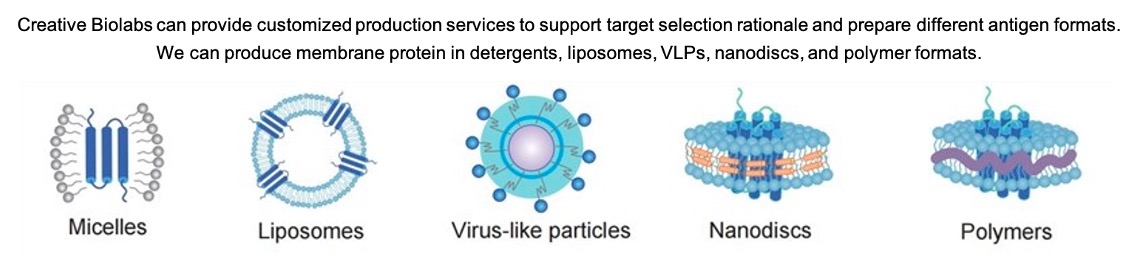
| MPX2151K | MemDX™ Membrane Protein Human GNRHR2 Expressed in vitro E.coli expression system, Full Length | E.coli cell-free | Full length | Detergent |
| MPX0985K | MemDX™ Membrane Protein Rhesus macaque GNRHR2 Expressed in vitro E.coli expression system, Full Length | E.coli cell-free | Full length | Detergent |
| S01YF-0622-KX168 | MemDX™ Recombinant Rhesus macaque GNRHR2 Membrane Protein in Virus-Like Particles (MP-VLPs) | HEK293 cell | Full length | VLPs |
| Please for more products or customization | ||||
A***y: Tailored phosphorylation sites and solubilization protocols enabled seamless integration into our in vitro signaling models.
25/May/2023
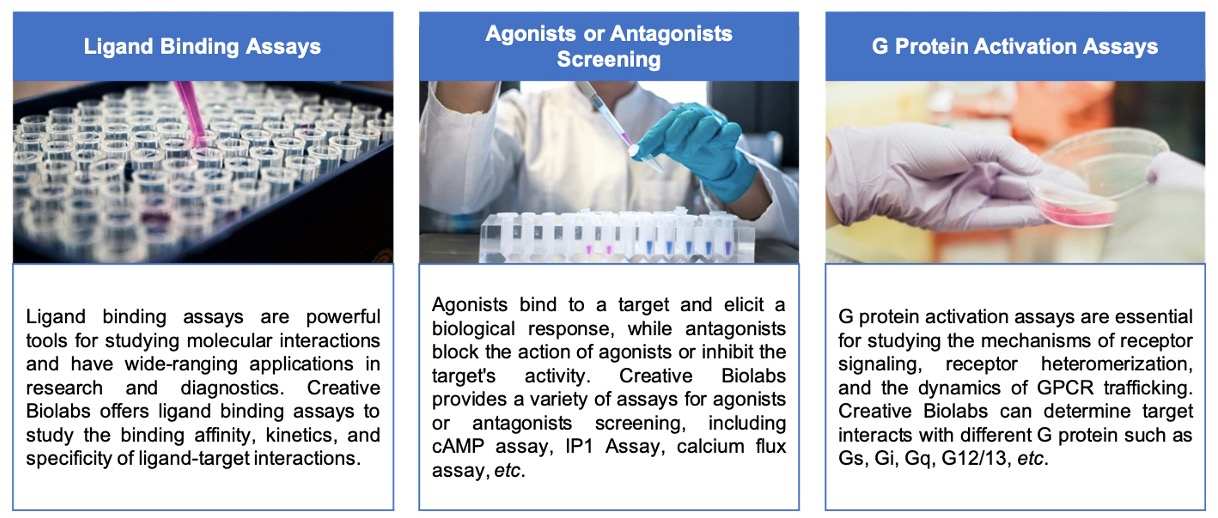
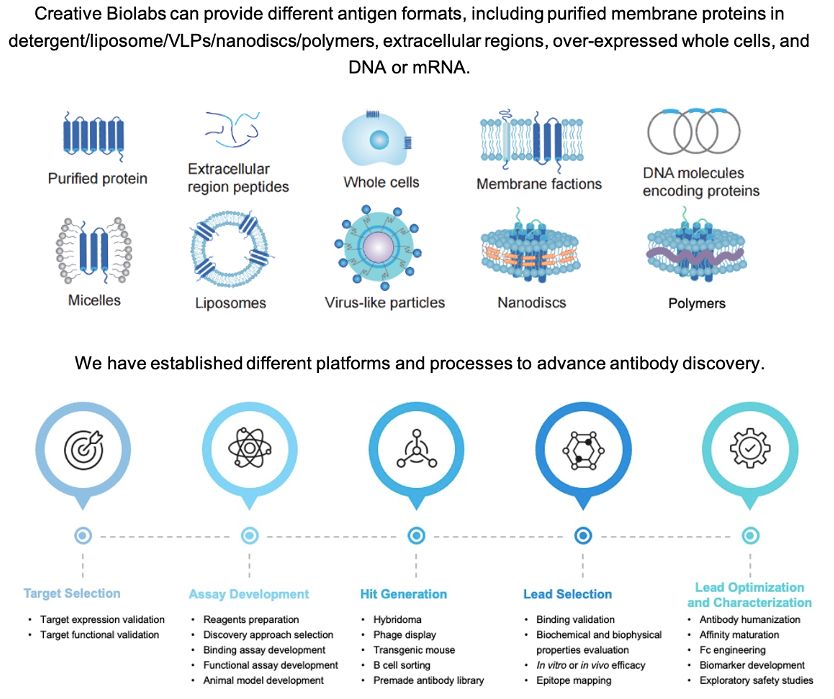
We provide tailored solutions to meet your specific requirements. Please for more services.
Adeno-Associated Virus (AAV)-Mediated Receptor Silencing
Creative Biolabs offers AAV-mediated receptor silencing services. AAV-based delivery systems enable precise modulation of GNRHR2 expression in hypothalamic and peripheral tissues. For instance, engineered AAV9 vectors with tropism for neuronal populations can deliver short hairpin RNA (shRNA) constructs to suppress pathological overexpression of GNRHR2 in hormone-dependent cancers. Preclinical models demonstrate that this approach reduces downstream luteinizing hormone (LH) secretion by 40–60%, potentially mitigating conditions like endometriosis or prostate cancer progression. Creative Biolabs' proprietary viral vector optimization platform enhances tissue specificity, ensuring minimal off-target effects.
Receptor Editing
Creative Biolabs offers receptor editing services. Gene editing systems are being leveraged to correct gain-of-function GNRHR2 mutations linked to central precocious puberty. By targeting conserved structural motifs identified in recent cryo-EM studies, this method allows for allelic-specific correction in pituitary gonadotropes. For example, allele disruption in murine models restored normal LH pulsatility within 14 days, highlighting its therapeutic potential for neuroendocrine disorders.
Small Molecule-Regulated Expression Cassettes
Creative Biolabs offers small molecule-regulated expression cassettes development services. Inducible promoter systems, such as tetracycline-responsive elements, permit temporal control of GNRHR2 activity in gene therapy. Dual-vector AAV systems delivering GNRHR2 antagonists under hypoxia-inducible promoters have shown efficacy in reducing testosterone synthesis by 70% in prostate tumor xenografts. Such strategies align with emerging trends in precision oncology.
Creative Biolabs offers comprehensive and innovative services to drive the development of GNRHR2 cell therapy. Please for more services.
CAR-T Cell Targeting of GNRHR2-Expressing Tumors
Creative Biolabs offers CAR-T cell targeting of GNRHR2-expressing tumors development services. Chimeric antigen receptor (CAR)-T cells engineered to recognize extracellular GNRHR2 epitopes exhibit potent cytotoxicity in hormone-refractory cancers. In vitro studies reveal a 90% reduction in tumor cell viability within 72 hours post-infusion. Creative Biolabs' immunofluorescence imaging platforms enable real-time tracking of CAR-T cell infiltration, ensuring target engagement validation.
Stem Cell-Derived Secretory Antagonists
Creative Biolabs offers stem cell-derived secretory antagonists development services. Mesenchymal stem cells (MSCs) modified to secrete GNRHR2 antagonistic peptides achieve sustained local suppression of LH/FSH release. Implanted in ovarian tissue models, these cells reduced estrogen synthesis by 55% over 30 days, offering a novel solution for endometriosis management.
In Situ Reprogramming of Gonadotrope Cells
Creative Biolabs offers in situ reprogramming of gonadotrope cells services. Transcriptional activator-like effector (TALE) systems reprogram pituitary cells to overexpress GNRHR2-negative isoforms, effectively decoupling pathological signaling. Rodent trials show normalized LH levels for 6 months post-treatment, suggesting durable efficacy for central reproductive disorders.
Therapeutic strategies targeting GNRHR2 demand rigorous validation of receptor dynamics, tissue-specific delivery, and long-term safety—areas where Creative Biolabs' expertise in viral vector design, gene editing optimization, and high-resolution imaging accelerates translational success. to explore customized solutions for your GNRHR2 program, leveraging our proprietary platforms for preclinical validation and regulatory-grade data generation.
All listed services and products are For Research Use Only. Do Not use in any diagnostic or therapeutic applications.