Overcome biological barriers with Creative Biolabs' Surface-Functionalized Liposomes.
We combine advanced "Module Delivery Systems" with precise "Targeted Modules" to maximize therapeutic index and accelerate your path to the clinic.
In the rapidly evolving landscape of precision medicine, the efficacy of a therapeutic candidate is often limited by its delivery vehicle rather than its intrinsic potency. Surface-functionalized liposomes offer a sophisticated solution to these bioavailability challenges, transforming passive carriers into active navigation systems capable of traversing biological barriers such as the Blood-Brain Barrier (BBB) or dense tumor stroma. By modifying the liposomal surface with specific ligands or polymers, researchers can significantly enhance cellular uptake, prolong circulation half-life, and ensure payload release at the precise site of action. Creative Biolabs leverages over two decades of expertise in lipid chemistry and bioconjugation to provide industry-leading Surface-Functionalized Liposomes Development Services tailored to your specific therapeutic goals.
Start Your Custom Functionalized Liposome Project
While passive targeting relies on the Enhanced Permeability and Retention (EPR) effect, it is often insufficient for metastatic tumors or non-oncological indications. Receptor-mediated active targeting bridges this gap. By decorating the liposomal surface with high-affinity ligands, the delivery system "recognizes" and binds to specific receptors overexpressed on the target cell surface.
This ligand-receptor interaction triggers Receptor-Mediated Endocytosis, a critical mechanism for intracellular drug delivery. Once bound, the liposome is internalized into endosomes, bypassing the plasma membrane barrier. This approach is essential for delivering macromolecular payloads—such as siRNA, mRNA, and proteins—that require cytosolic access to function.
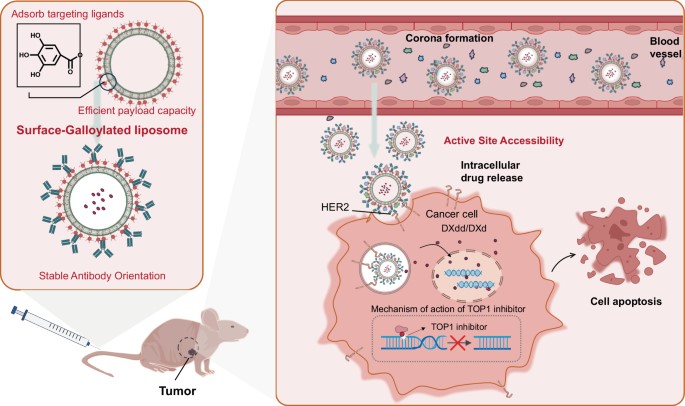 Fig. 1 Galloylated liposomes enable
targeted drug
delivery.1
Fig. 1 Galloylated liposomes enable
targeted drug
delivery.1
Surface engineering requires precise control over ligand density and orientation to maximize binding avidity while minimizing steric hindrance. Common conjugation strategies include:
For robust molecules, we utilize a Pre-Insertion Strategy, where lipid-conjugated ligands are incorporated directly during the initial lipid film formation or ethanol injection steps, resulting in ligand integration during liposome self-assembly.
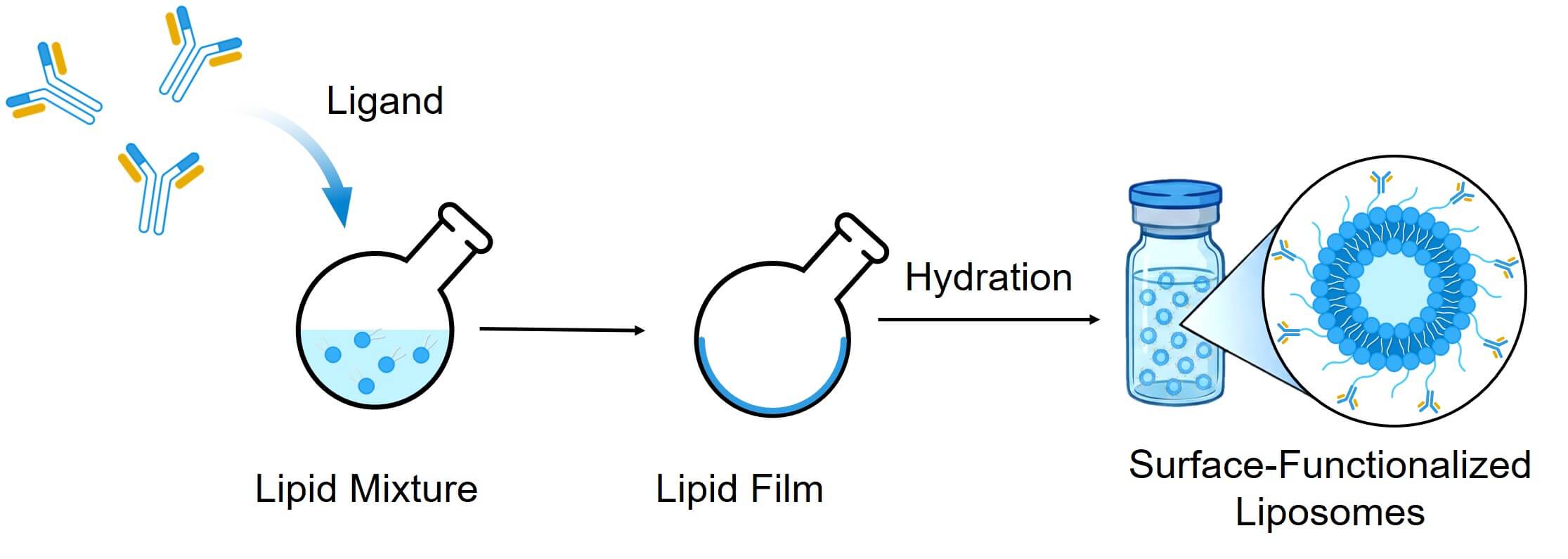 Fig. 2 Ligand-modified liposomes
were
prepared by the pre-insertion method.
Fig. 2 Ligand-modified liposomes
were
prepared by the pre-insertion method.
Creative Biolabs employs a "Modular Delivery System" approach, selecting the optimal conjugation chemistry to maintain the bioactivity of both the ligand and the encapsulated payload.
Selecting the appropriate ligand is akin to choosing the right key for a specific biological lock. The ideal "Targeted Module" must possess high affinity for a receptor that is uniquely or highly expressed on the target tissue (the lock) while showing minimal binding to healthy cells. This selection process balances binding avidity, molecular weight, immunogenicity, and internalization efficiency to create a delivery vehicle that effectively navigates the body's complex environment to reach its destination.

Utilize whole monoclonal antibodies (mAbs) or engineered fragments (Fab, scFv) to provide exceptional binding specificity and avidity for well-defined surface antigens.
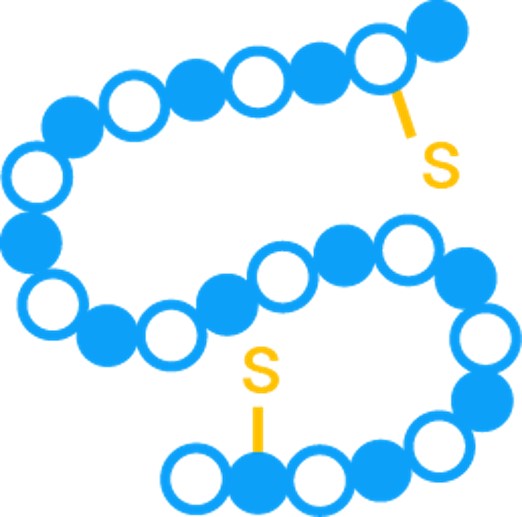
Short amino acid sequences, including targeting peptides and Cell-Penetrating Peptides (CPPs), offer a versatile balance of high affinity, low immunogenicity, and enhanced tissue penetration.

Endogenous transport proteins (e.g., Transferrin) are exploited to hijack natural uptake pathways, facilitating transport across barriers like the BBB.
Synthetic single-stranded DNA or RNA sequences folded into specific 3D structures, offering antibody-like specificity with superior chemical stability and negligible immunogenicity.
Cost-effective and stable moieties (e.g., Folate) that target vitamin receptors often overexpressed on rapidly dividing cancer cells.

Sugar moieties that target specific lectin receptors, particularly effective for directing payloads to the liver or antigen-presenting immune cells.
We offer a comprehensive library of targeting ligands to suit diverse therapeutic needs:
| Targeted Module Class | Common Ligands | Target Receptor | Primary Application |
|---|---|---|---|
| Antibody |
Trastuzumab Cetuximab Rituximab Anti-EGFR scFv |
HER2, EGFR, CD20 | Targeted Oncology: Precise delivery of cytotoxics to breast, colorectal, and lymphoma cancers. |
| Peptide |
cRGD TAT Penetratin Angiopep-2 Octreotide |
Integrin, Somatostatin Receptors | BBB Crossing & Tumor Penetration: Enhancing uptake in glioblastoma and neuroendocrine tumors. |
| Protein |
Transferrin Lactoferrin Albumin |
TfR1, LfR, gp60 | CNS & Tumor Delivery: Exploiting receptor-mediated transcytosis for brain delivery. |
| Aptamer | Anti-PSMA aptamer | Nucleolin, PSMA | Prostate & Renal Cancer: High-specificity targeting with reduced immune clearance. |
| Small Molecule |
Folic Acid (Folate) Methotrexate Anisamide |
Folate Receptor, Sigma Receptors | Solid Tumors: Targeting ovarian, lung, and breast cancers overexpressing folate receptors. |
| Carbohydrate |
GalNAc Mannose Galactose Hyaluronic Acid (HA) |
ASGPR, CD206, CD44 | Liver & Immune Targeting: Delivery to hepatocytes (metabolic disease) or macrophages (vaccines). |
Creative Biolabs provides end-to-end development services designed to accelerate your targeted delivery program. We combine robust Module Delivery Systems with precise Targeted Modules to engineer "smart" liposomes tailored to your specific research needs.
Before formulation begins, the "Targeted Module" must be optimized. We offer comprehensive services to identify and engineer the perfect navigation system for your vehicle.
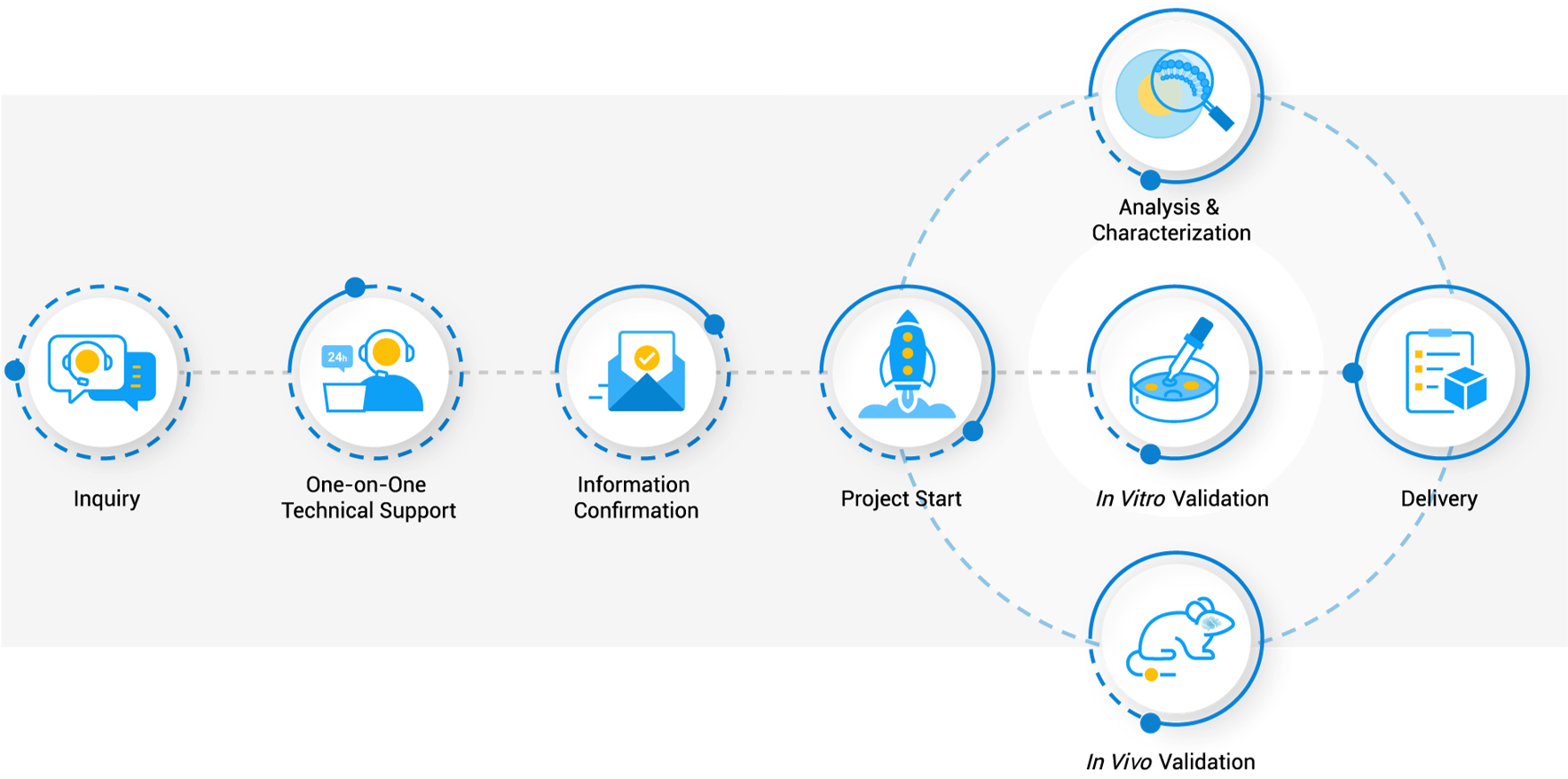
Our Surface-Functionalized Liposomes are engineered to support diverse applications, enabling researchers to probe complex biological systems and develop novel therapies.
Creative Biolabs is dedicated to providing the tools and expertise required to accelerate your research. When you choose our Conventional Liposome Development Services, you gain a partner committed to scientific excellence and operational efficiency.
Our proprietary "Module Delivery Systems" allow for mix-and-match flexibility, ensuring the vehicle is perfectly paired with the "Targeted Module."
Expert Lyophilization
We offer optional freeze-drying services with optimized cryoprotectants, solving the common industry pain point of liposome instability and cold-chain logistics.
High Ligand Conjugate Efficiency
Our advanced bioconjugation techniques ensure high ligand density without compromising the structural integrity of the vesicle or the activity of the ligand.
Comprehensive Characterization
Every batch is tested for Size (DLS), Zeta Potential, Encapsulation Efficiency (EE), Drug/Lipid Ratio, and In Vitro Leakage, guaranteeing reproducibility.
Scalability
Our workflows are designed to scale seamlessly from milligram-scale research batches to gram-scale pilot studies for preclinical validation.
Creative Biolabs is dedicated to advancing the frontiers of drug delivery. Our Surface-Functionalized Liposomes Development Services provide the precision, stability, and versatility required to turn concepts into clinical realities. Whether you are in the early discovery phase or preparing for preclinical trials, our team is ready to engineer the optimal vehicle for your therapeutic. To discuss your specific project requirements or to request a quote, please reach out to our technical team.
| Product Name | Description | Inquiry |
|---|---|---|
| Lipid-Protein Conjugation Kit (Universal) | Specifically designed for covalently linking antibodies, peptides or proteins of various molecular weights to phospholipids. It can be used for the development of functional liposomes. | |
| DSPE-PEG-TAT | High-purity lipid-PEG-peptide conjugate for enhanced cell penetration via TAT sequence. | |
| DSPE-PEG-RGD | Lipid-PEG conjugate functionalized with RGD peptide for targeting integrin receptors. | |
| DSPE-PEG-Transferrin | Transferrin-conjugated lipid for receptor-mediated transcytosis, ideal for BBB targeting. |
Pre-insertion involves incorporating lipid-conjugated ligands during the initial film formation, which is simpler but may result in some ligands facing inward. Post-insertion involves incubating pre-formed liposomes with lipid-ligand micelles, ensuring most ligands are on the outer surface, which is often preferred for targeting efficiency.
Yes. Creative Biolabs specializes in lyophilization services. We develop custom cycles using specific cryoprotectants to prevent fusion or leakage during freezing, delivering a stable powder that retains particle size and encapsulation efficiency upon reconstitution.
Ligand density depends on the ligand size and liposome surface area. Generally, we aim for a density that maximizes binding avidity while preventing steric hindrance.
Absolutely. While our standard exploratory batches are typically 2–5 mL, we can scale up production to hundreds of milliliters or liters for in vivo efficacy and toxicology studies, maintaining strict batch-to-batch consistency.
We use a combination of methods. We quantify unbound protein/peptide using BCA or HPLC assays to calculate coupling efficiency. Additionally, we measure changes in Zeta Potential and particle size (DLS) to confirm surface modification.
Reference
Creatibe Biolabs' custom LNP was the only solution that successfully delivered our CRISPR-Cas9 payload across the blood-brain barrier with high efficiency and low toxicity.”

Dr. Evelyn Reed
Postdoctoral Researcher, Leading University
Our siRNA candidate was failing due to off-target toxicity, but Creatibe Biolabs' team rapidly redesigned our LNP using their modular platform, rescuing our preclinical program.”

Ben Carter
Project Manager
Achieving cytosolic delivery of our protein degrader with Creatibe Biolabs' exosome platform was the key to unlocking our candidate's full therapeutic potential.”

Dr. Kenji Tanaka
Principal Scientist, Large Pharma Corp
Our oncology drug's efficacy was limited by poor tumor accumulation. Creatibe Biolabs' peptide-conjugated liposomes provided the precise targeting we needed, dramatically increasing the drug's therapeutic index.”
Dr. Clara Schmidt
Senior Scientist, Oncology Innovations Inc.
We required a delivery system that would only release its payload in the tumor's acidic microenvironment. Creatibe Biolabs' pH-responsive liposomes performed flawlessly, minimizing systemic exposure.”
David Chen
Formulation Scientist
Outstanding expertise in antibody engineering.The team's attention to detail and innovative approaches have sianificantly accelerated our development timeline.
Sarah L.
Senior Research Scientist

 Antibody-Modified Liposomes
 Peptide-Modified Liposomes
 Protein-Modified Liposomes
 Aptamer-Modified Liposomes
  Small Molecule-Modified Liposomes
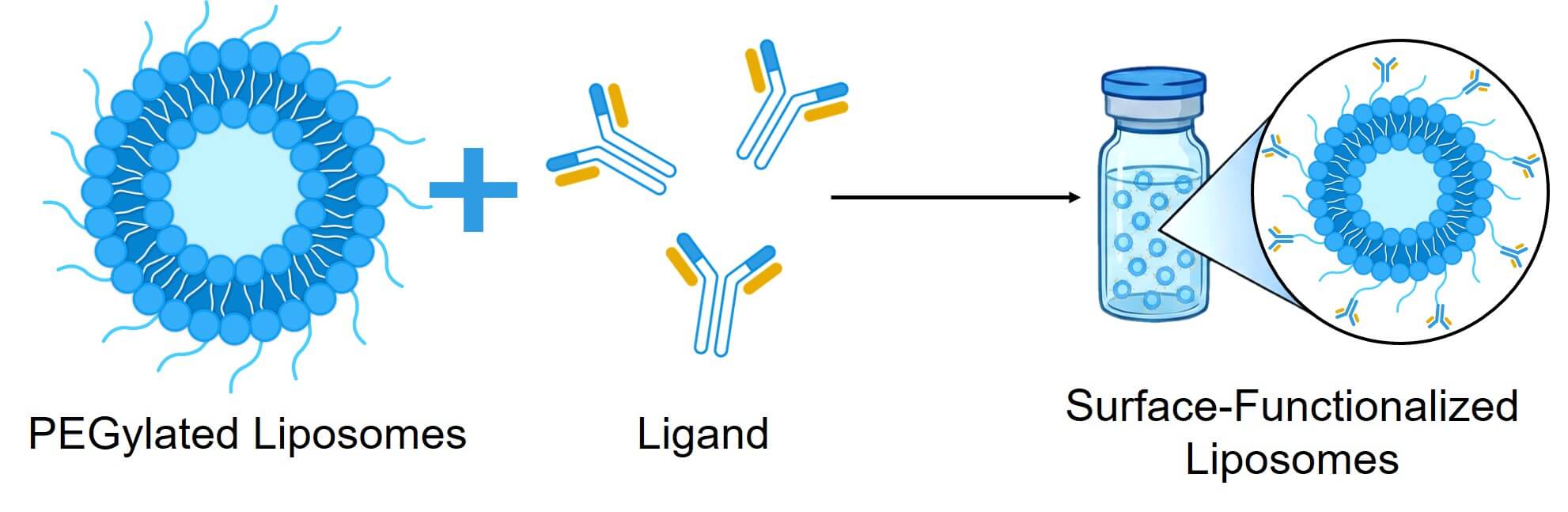 Fig. 3 Ligand-modified liposomes
were
prepared by the post-insertion method.
Fig. 3 Ligand-modified liposomes
were
prepared by the post-insertion method.