Creative Biolabs is offering the most comprehensive services for antibody development projects. With strict regulation and effective execution, we are dedicated to providing the most valuable solutions to complete your projects.
HighlightsCreative Biolabs is offering the most comprehensive services for antibody development projects. With strict regulation and effective execution, we are dedicated to providing the most valuable solutions to complete your projects.
HighlightsCreative Biolabs has established a broad range of platforms for developing novel antibodies or equivalents. These cutting-edge technologies enable our scientists to meet your demands from different aspects and tailor the most appropriate solution that contributes to the success of your projects.
HighlightsWith deep understanding in antibody-related realms and extensive project experience, Creative Biolabs offers a variety of references to help you learn more about our capacities and achievements, including infographic, flyer, case study, peer-reviewed publications, and all kinds of knowledge that can assist your projects. You are also welcome to contact us directly for more specific solutions.
HighlightsGet a real taste of Creative Biolabs, one of the most professional custom service providers in the world. We are committed to providing highly customized comprehensive solutions with the best quality to advance your projects.
HighlightsHarness the power of next-generation proteomics with Creative Biolabs' industry-leading TurboID Service. As pioneers with over 20 years in biotechnology, we provide an unparalleled, end-to-end solution for mapping protein-protein interactions (PPIs), identifying constituents of subcellular compartments, and discovering transient or weak interactors directly within living cells and organisms. Move beyond the limitations of traditional methods and uncover a new depth of biological insights.
Protein-protein interactions form the backbone of virtually every cellular process. However, many of the most critical interactions are transient, weak, or occur within complex, hard-to-isolate cellular microenvironments. Traditional methods like Yeast Two-Hybrid (Y2H) and Co-Immunoprecipitation (Co-IP) often fail to capture this dynamic reality, producing false negatives or requiring harsh lysis conditions that disrupt native interactions.
Proximity Labeling (PL) has emerged as a revolutionary solution. By fusing a protein of interest (POI) to a promiscuous labeling enzyme, researchers can "tag" nearby proteins with a small molecule reporter (biotin) in their native cellular context. TurboID represents the pinnacle of this technology.
TurboID is an engineered biotin ligase developed through directed evolution of the E. coli enzyme BirA. This evolution has resulted in a hyperactive enzyme that dramatically accelerates the labeling process, overcoming the primary limitation of its predecessor, BioID.
Our streamlined workflow ensures robust results and a seamless customer experience, from initial project design to publication-ready data.
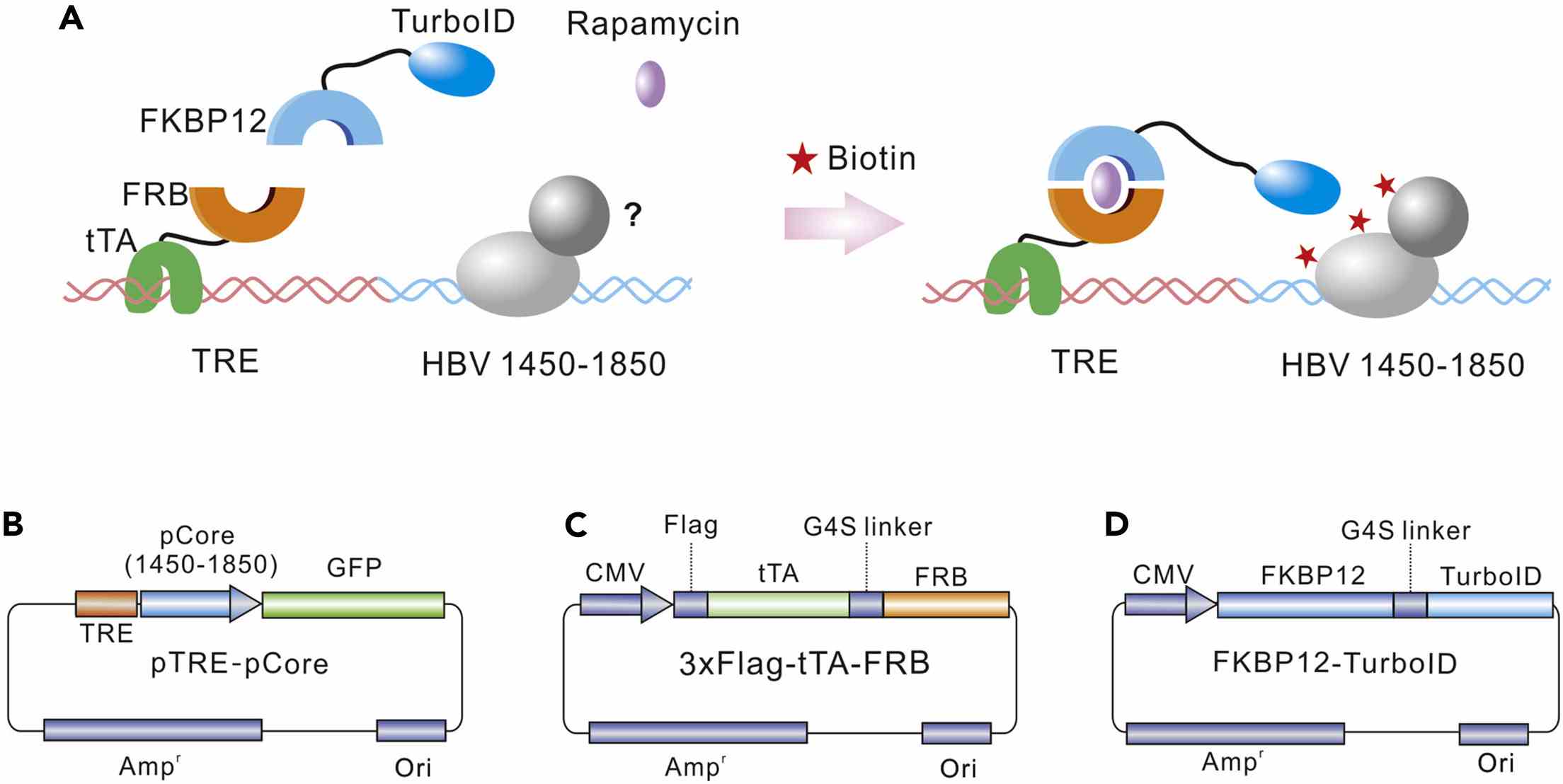 Fig. 1 Establishment of a TurboID-based proximity labeling system.1
Compared to other proximity labeling methods, TurboID offers a superior combination of speed, sensitivity, and versatility.
| Feature | TurboID / miniTurbo | BioID / BioID2 | APEX / APEX2 |
| Enzyme | Engineered Biotin Ligase | Mutant Biotin Ligase | Engineered Ascorbate Peroxidase |
| Substrates | Biotin, ATP | Biotin, ATP | Biotin-Phenol, H2O2 |
| Labeling Time | ~10-30 minutes | ~18-24 hours | < 1 minute |
| Toxicity | Low (uses natural biotin) | Low (uses natural biotin) | High (requires toxic H2O2) |
| In Vivo Use | Excellent (Flies, Worms, Plants) | Limited by long labeling time | Not suitable for whole organisms |
| Temporal Resolution | Good | Poor | Excellent |
| Key Advantage | Fast, non-toxic, ideal for in vivo and sensitive systems | First-generation, simple reagents | High temporal control for cell culture |
Creative Biolabs stays at the forefront of technology by offering the latest iterations of the TurboID platform.
Our TurboID platform can be applied to a vast array of research questions across multiple disciplines.
| Phase | Key Steps | Deliverables |
| I. Project Initiation | Free consultation, experimental strategy design, formal quotation. | Detailed project plan. |
| II. Construct & Model Prep | Gene synthesis, subcloning into TurboID vector, (optional) lentivirus packaging, stable cell line generation. | Validated expression vector. |
| III. Proximity Labeling & QC | Expression induction, biotin labeling, confirmation of fusion protein expression and localization via WB/IF. | QC report with images. |
| IV. Enrichment & MS | Cell lysis, streptavidin pulldown, on-bead digestion, LC-MS/MS analysis. | Raw mass spectrometry data. |
| V. Bioinformatics & Reporting | Protein identification, data filtering (SAINT, CRAPome), statistical analysis, pathway/network analysis. | Comprehensive final report with publication-quality figures. |
A: Co-IP pulls down stable protein complexes that survive cell lysis and washing, requiring direct physical interaction. TurboID identifies proteins in close proximity (~10-15 nm) in living cells, whether they interact directly, transiently, or are simply part of the same local environment. This makes TurboID ideal for discovering novel, weak, or transient interactions missed by Co-IP.
A: Proper controls are critical. We strongly recommend including a negative control, such as expressing an untagged TurboID enzyme (e.g., localized to the cytoplasm or nucleus), to help distinguish specific proximal proteins from non-specific background biotinylation.
A: Most likely, yes. TurboID has been successfully implemented in a wide range of systems, including mammalian cells, yeast, bacteria, C. elegans, D. melanogaster, and various plants. Contact our experts to discuss the feasibility for your specific model.
A: Our advanced bioinformatics pipeline is key. We process the quantitative data from the mass spectrometer using algorithms like SAINT (Significance Analysis of INTeractome) and filter results against databases of common background proteins (e.g., the CRAPome) to generate a high-confidence list of true interaction partners.
Based on the powerful technology platform, we are professional in providing one-stop and tailored solutions to advance PPI detection for our valued customers.
Ready to illuminate your protein's neighborhood? Contact us today to discuss your project with our TurboID specialists and receive a complimentary, no-obligation quote.
All listed services and products are For Research Use Only. Do Not use in any diagnostic or therapeutic applications.