Creative Biolabs is offering the most comprehensive services for antibody development projects. With strict regulation and effective execution, we are dedicated to providing the most valuable solutions to complete your projects.
HighlightsCreative Biolabs is offering the most comprehensive services for antibody development projects. With strict regulation and effective execution, we are dedicated to providing the most valuable solutions to complete your projects.
HighlightsCreative Biolabs has established a broad range of platforms for developing novel antibodies or equivalents. These cutting-edge technologies enable our scientists to meet your demands from different aspects and tailor the most appropriate solution that contributes to the success of your projects.
HighlightsWith deep understanding in antibody-related realms and extensive project experience, Creative Biolabs offers a variety of references to help you learn more about our capacities and achievements, including infographic, flyer, case study, peer-reviewed publications, and all kinds of knowledge that can assist your projects. You are also welcome to contact us directly for more specific solutions.
HighlightsGet a real taste of Creative Biolabs, one of the most professional custom service providers in the world. We are committed to providing highly customized comprehensive solutions with the best quality to advance your projects.
HighlightsFor over two decades, Creative Biolabs has been at the forefront of molecular interaction analysis, offering a robust and sophisticated Yeast One-Hybrid (Y1H) screening platform to researchers worldwide. Leveraging our deep expertise and state-of-the-art technologies, we empower you to decipher complex gene regulatory networks. Our Y1H service is a powerful in vivo tool designed to efficiently screen vast cDNA libraries for proteins that bind to your specific DNA bait sequence, from known promoters and enhancers to novel regulatory motifs.
The Yeast One-Hybrid (Y1H) system is a highly effective genetic method adapted from the renowned Yeast Two-Hybrid (Y2H) system. While Y2H identifies protein-protein interactions, Y1H is specifically engineered to detect and identify physical interactions between a protein (the "prey") and a known DNA sequence (the "bait").
The core principle relies on the modular nature of eukaryotic transcription factors, which typically have a DNA-binding domain (DBD) and a transcriptional activation domain (AD). In the Y1H system:
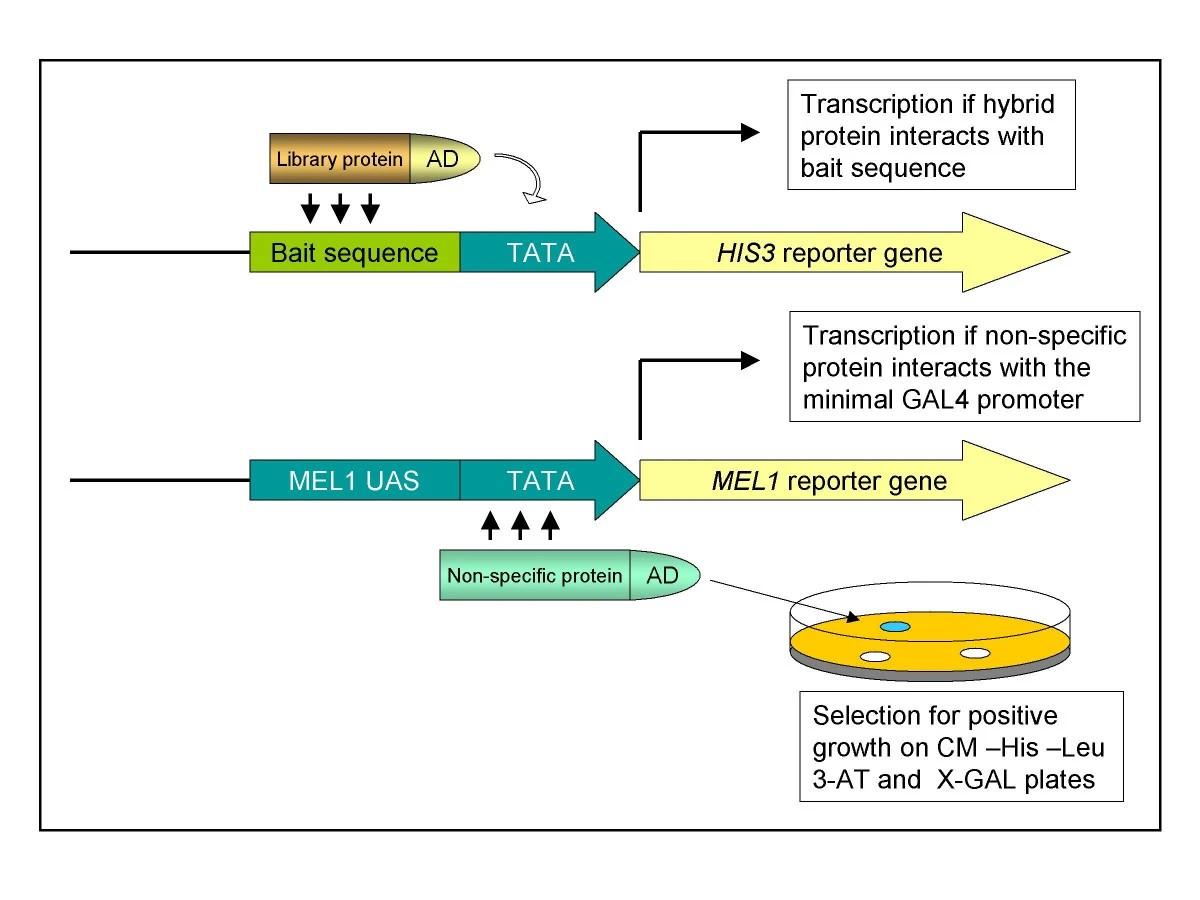 Fig. 1 Diagrammatic representation of the basis for the MEL1 selection strategy.1
At Creative Biolabs, we don't just offer a standard Y1H service; we provide a fully optimized, next-generation platform designed for maximum sensitivity and discovery potential.
We offer a flexible suite of services that can be used individually or as a complete package.
We follow a meticulous, step-by-step process to ensure transparency and high-quality outcomes.
Choosing Creative Biolabs for your Y1H screening project ensures you receive more than just data. You gain a dedicated research partner committed to your success.
| Advantage | Description |
| Unrivaled Expertise | With over 20 years of experience, our scientists have mastered the nuances of the Y1H system, ensuring your project is designed and executed flawlessly. |
| Complete Customization | From bait design and library selection to screening stringency, we tailor every project parameter to your specific research goals. |
| High Success Rate | Our optimized platform and rigorous quality control, including a mandatory bait auto-activation test, lead to an industry-leading success rate. |
| High-Throughput Capability | Our automated platforms can screen millions of interactions rapidly, accelerating your research timeline without compromising on quality. |
| Comprehensive Deliverables | We provide a detailed report including raw data, hit sequence information, bioinformatics analysis, and full experimental details, ready for publication. |
| Transparent Communication | A dedicated Ph.D.-level project manager provides regular updates and is always available for consultation. |
We offer a comprehensive, end-to-end Y3H service tailored to your specific project goals. Our expert team works closely with you from experimental design to final data analysis. Other optional protein-nucleic acid interaction (PNI) assay services:
A: Almost any DNA sequence between 20-500 bp can be used, including promoters, enhancers, silencers, or tandem repeats of a short motif. Very long sequences (>1 kb) may be challenging. We recommend providing a sequence that you hypothesize contains a protein-binding site.
A: This occurs when the bait DNA sequence itself, without a binding partner, can weakly activate the reporter gene, leading to false positives. Our rigorous testing protocol identifies and mitigates this issue before the main screen begins.
A: Y1H identifies proteins that can bind to a known DNA sequence in vivo (in yeast). It answers: "What proteins bind to my DNA?". ChIP-Seq identifies the DNA sequences that a known protein does bind to in its native cellular context. It answers: "Where in the genome does my protein bind?". The two are highly complementary.
A: The number of hits can vary widely from zero to several dozen, depending on the nature of the bait sequence, its biological role, and the library being screened. Our goal is to provide you with a list of high-confidence interactors.
Unlock the secrets of your gene's regulatory landscape. With Creative Biolabs' expert Y1H services, you can confidently identify the key protein players governing your biological process of interest.
All listed services and products are For Research Use Only. Do Not use in any diagnostic or therapeutic applications.