Unlocking the Blueprint: Obtaining the Sequence of an Antibody
Introduction DNA Sequencing Antibody Sequencing Hybridoma Sequencing Applications
Introduction to Antibody Sequencing
What is Antibody Sequencing?
At its core, antibody sequencing is the process of determining the precise order of amino acids that constitute the variable heavy (VH) and variable light (VL) chain regions of an antibody. These variable regions are the functional heart of the antibody, containing the complementarity-determining regions (CDRs) that dictate its specific binding affinity for a target antigen.
Why Are Antibody Sequences Important?
-
Antibody Engineering: Enables optimization of binding affinity, specificity, and stability.
-
Therapeutics: Used for developing biosimilars, biologics, and diagnostic reagents.
-
Intellectual Property: Crucial for patent filing and competitive protection.
-
Research Tools: Facilitates reproducibility and ensures biological identity.
What Does It Mean to "Obtain the Sequence"?
The sequence of an antibody can be obtained by analyzing both the variable heavy (VH) and light (VL) chains' amino acid sequences. The process involves pinpointing both complementarity-determining regions (CDRs) and framework regions (FRs) responsible for antigen specificity and structural stability.
Why is Antibody Sequencing Important?
|
Purpose
|
Significance
|
|
Antibody Engineering
|
Enables rational design and affinity maturation
|
|
Recombinant Production
|
Facilitates stable expression in heterologous systems
|
|
Intellectual Property
|
Sequence-based claims are the gold standard for patents
|
|
Research & Development
|
Ensures reproducibility, variant tracking, and therapeutic lead optimization
|
Overview of Antibody Sequencing Methods
Two main strategies exist for obtaining antibody sequences at present.
-
DNA Sequencing: Antibody genes encoding genetic material are isolated from antibody-producing cells like hybridoma cells and B cells which scientists then sequence using high-throughput sequencing technologies to establish the nucleotide sequence. The DNA sequence undergoes an in silico translation process to produce its corresponding amino acid sequence.
-
Protein Sequencing/Mass Spectrometry: This approach uses advanced mass spectrometry techniques to analyze purified antibody proteins for determining their amino acid sequence.
DNA Sequencing for Antibody Analysis
Principle of DNA sequencing
The process of DNA sequencing technologies determines the order of nucleotide bases adenine, guanine, cytosine, and thymine in DNA strands. Illumina sequencing operates as an advanced high-throughput technology that sequentially attaches fluorescent nucleotides during DNA synthesis and detects each nucleotide through light signal analysis.
Process of DNA Sequencing for Antibody Analysis
The standard process to get antibody sequences through DNA sequencing includes several detailed steps.
-
Isolation of Antibody-Producing Cells: The process requires either hybridoma cell line culture or single B cell isolation from immunized animals and human donors.
-
RNA Extraction and cDNA Synthesis: Cells undergo total RNA extraction and reverse transcriptase then converts the RNA to complementary DNA (cDNA) because cDNA is more stable for subsequent manipulations.
-
Amplification of Antibody Genes: The polymerase chain reaction (PCR) method amplifies the DNA segments encoding the variable heavy (VH) and variable light (VL) chain regions by using primers that target conserved regions near the variable domains.
-
Library Preparation: Sequencing library preparation begins with processing amplified DNA fragments by attaching necessary adapters and index sequences that allow compatibility with the selected sequencing platform.
-
High-Throughput Sequencing: The DNA sequencer receives the prepared library which then sequences millions of DNA fragments concurrently.
-
Bioinformatic Analysis: Bioinformatics pipelines handle the processing of raw sequencing data.
Advantages and disadvantages of DNA Sequencing for Antibody Analysis
|
Feature
|
Advantages
|
Disadvantages
|
|
Throughput
|
High-throughput sequencing allows for the simultaneous sequencing of many antibody clones, ideal for screening large libraries.
|
Requires a sufficient quantity and quality of input DNA/RNA.
|
|
Cost
|
Cost per sequence can be relatively low, especially for large-scale projects.
|
Can be more expensive for sequencing a small number of antibodies.
|
|
Information
|
Provides the underlying genetic code, useful for understanding somatic hypermutation and identifying related clones.
|
The deduced amino acid sequence may not reflect post-translational modifications (PTMs) that can affect antibody function.
|
|
Complexity
|
Requires specialized expertise in molecular biology, PCR, library preparation, and bioinformatics analysis.
|
Can be challenging to accurately assemble sequences, especially in cases of highly homologous gene segments or somatic hypermutation.
|
|
Sample Source
|
Applicable to various sources, including hybridoma cell lines, single B cells, and phage display libraries.
|
Requires viable cells or sufficient amounts of extracted nucleic acids.
|
Mass Spectrometry-Based Antibody Sequencing
Principle of mass spectrometry in protein sequencing
Mass spectrometry (MS) operates by measuring the mass-to-charge ratio (m/z) of ions to analyze them. Trypsin enzymes break purified antibody proteins into smaller peptides which are essential steps in protein sequencing. During mass spectrometer analysis peptides experience ionization followed by separation based on their m/z values. Peptide fragmentation pattern analysis by tandem mass spectrometry (MS/MS) reveals the amino acid sequence.
Process of Mass Spectrometry-Based Antibody Sequencing
Mass spectrometry-based antibody sequencing requires the following standard workflow steps:
-
Antibody Purification: The antibody sample needs to be highly purified to minimize interference from other proteins.
-
Protein Digestion: The purified antibody is enzymatically digested (e.g., with trypsin) to generate a complex mixture of peptides.
-
Liquid Chromatography (LC) Separation: The peptide mixture is separated using high-performance liquid chromatography (HPLC) or other LC techniques to reduce complexity before mass spectrometry analysis.
-
Mass Spectrometry Analysis: The separated peptides are introduced into a mass spectrometer, where their m/z values are measured. Selected precursor ions undergo additional fragmentation in MS/MS experiments followed by analysis of their fragment ion m/z values.
-
Data Analysis and Sequence Reconstruction: Specialized software algorithms are used to analyze the mass spectra and fragmentation patterns to determine the amino acid sequence of the peptides. These peptide sequences are then assembled to reconstruct the full-length variable heavy and light chain sequences. De novo sequencing algorithms can determine the sequence directly from the fragmentation data, while database searching approaches compare the experimental spectra to theoretical spectra generated from protein sequence databases.
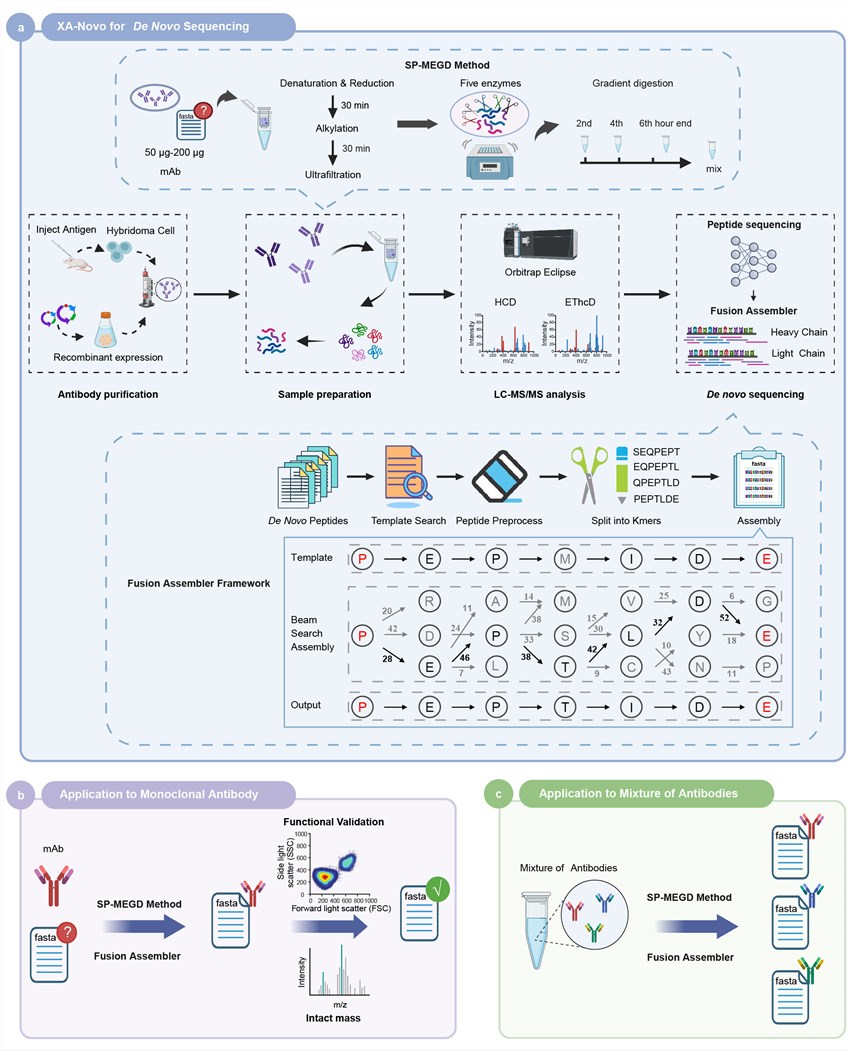 Fig. 1 MS-based de novo sequencing solution of monoclonal antibodies.1, 3
Advantages and disadvantages of Mass Spectrometry-Based Antibody Sequencing
|
Feature
|
Advantages
|
Disadvantages
|
|
Information
|
Directly determines the amino acid sequence of the protein, including post-translational modifications.
|
Can be challenging to resolve ambiguities in sequences with homologous regions or unusual amino acids.
|
|
Sample
|
Requires purified antibody protein, eliminating the need for viable cells or nucleic acid extraction.
|
May require larger amounts of purified antibody compared to DNA sequencing.
|
|
Complexity
|
Requires specialized expertise in protein chemistry, mass spectrometry operation, and data analysis.
|
Data analysis can be complex and computationally intensive, especially for de novo sequencing.
|
|
Throughput
|
Typically lower throughput compared to high-throughput DNA sequencing, making it less suitable for screening very large numbers of clones.
|
Can be more expensive per sample compared to DNA sequencing, especially for complex analyses.
|
|
Accuracy
|
Can provide highly accurate sequence information, especially when combined with complementary techniques.
|
Accuracy can be affected by sample complexity, protein modifications, and the performance of the mass spectrometer.
|
Hybridoma Sequencing
The hybridoma technique fuses B cells that produce antibodies with myeloma cells that do not die easily to produce monoclonal antibodies. The process of sequencing antibodies produced by hybridoma cell lines requires particular considerations.
Specific considerations for sequencing antibodies from hybridoma cell lines
-
Mixture of Heavy and Light Chains: Production of hybridoma cells may result in expression of multiple heavy or light chains especially when the fusion partner expresses its own immunoglobulin chains. The expression of multiple heavy and light chains by hybridoma cells results in the sequencing of non-functional or incorrect antibody sequences. Precise cloning and selection of hybridoma lines remain essential to maintain monoclonality.
-
Allelic Exclusion: A properly functioning B cell will demonstrate allelic exclusion through the expression of only one functional heavy and one functional light chain allele. Failures in allelic exclusion result in complex sequencing outcomes.
-
Somatic Hypermutation: The variable regions of antibodies generated by hybridomas show sequence variations because they undergo somatic hypermutation in vivo. Sequencing must accurately capture these mutations.
Challenges and best practices of Hybridoma Sequencing
Challenges of Hybridoma Sequencing:
-
Identifying and distinguishing the functional heavy and light chain sequences from potential non-productive rearrangements or myeloma cell contributions.
-
Ensuring that the sequenced genes truly encode the antibody secreted by the specific hybridoma clone of interest.
-
Dealing with potential sequence heterogeneity within the hybridoma population.
Best Practices of Hybridoma Sequencing:
-
Confirmation of Monoclonality: Rigorous cloning and screening of hybridoma cell lines to ensure that a single B cell clone is the source of the antibody.
-
Specific Primer Design: Utilizing primers that specifically target the variable regions of the antibody of interest, while minimizing amplification of myeloma cell immunoglobulin genes.
-
Multiple Sequencing Runs: Performing multiple independent PCRs and sequencing runs to account for potential PCR errors or sequence variations within the cell population.
-
Bioinformatic Analysis with Caution: Employing bioinformatic pipelines that can identify and resolve potential ambiguities arising from multiple sequences or somatic hypermutation.
-
Confirmation by Protein Sequencing (Optional): In cases of ambiguity or when post-translational modifications are critical, complementing DNA sequencing with mass spectrometry-based protein sequencing can provide valuable confirmation.
Applications of Antibody Sequencing
Monoclonal Antibody Sequencing
For monoclonal antibodies (mAbs), obtaining the sequence is essential for:
-
Recombinant Production: Establishing stable cell lines for large-scale manufacturing of therapeutic mAbs.
-
Quality Control: Ensuring batch-to-batch consistency in the production of mAb therapeutics.
-
Pharmacokinetic and Pharmacodynamic Studies: Understanding how sequence variations might affect the in vivo behavior of mAbs.
-
Biosimilar Development: Providing the reference sequence for the development of biosimilar versions of existing mAb therapeutics.
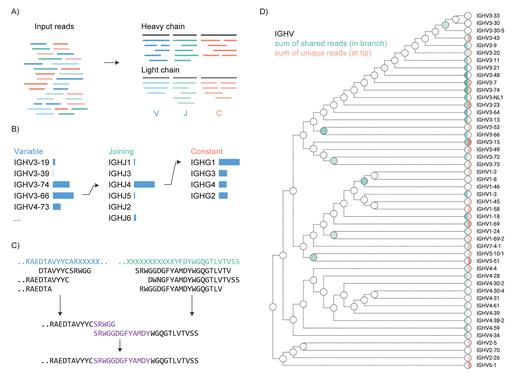 Fig. 2 Schematic overview of Stitch.2, 3
Antibody Engineering
A variety of antibody engineering methods rely on antibody sequence data as their foundational element.
-
Affinity Maturation: Biomedical researchers create specific mutations within CDRs to identify antibody variants that demonstrate increased binding affinity.
-
Humanization: The humanization process involves attaching non-human antibody CDRs to a human antibody framework to lower immunogenicity.
-
Antibody Fragmentation: The creation of smaller antibody fragments such as Fab and scFv requires specialized design to achieve desired properties.
-
Fc Engineering: Engineers modify the Fc region of antibodies to improve their effector functions like ADCC and CDC while altering their pharmacokinetic behavior.
-
Bispecific Antibody Development: Bispecific antibody development involves merging two unique antibody binding specificities within one molecular structure which requires exact sequence modification.
Therapeutic Antibody Development
In the development of antibody-based therapies, sequencing plays a critical role in:
-
Lead Identification: Sequencing antibodies from hybridomas or phage display libraries that show promising binding and functional properties.
-
Optimization: Using sequence information to engineer lead candidates with improved efficacy and safety profiles.
-
Preclinical and Clinical Development: Providing the definitive molecular identity of the therapeutic antibody for regulatory filings and clinical trials.
-
Understanding Mechanism of Action: Comparing the sequence of a therapeutic antibody to other known antibodies can provide insights into its potential mechanism of action and target engagement.
-
Immunogenicity Assessment: Analyzing the antibody sequence for motifs that might trigger an unwanted immune response in patients is a critical step in drug development. Humanization strategies are guided by sequence comparisons.
-
Stability and Developability Assessment: Specific amino acid sequences can impact the stability, solubility, and overall developability of a therapeutic antibody. Identifying and mitigating potential issues early in development is crucial.
Obtaining the sequence of an antibody is a pivotal step. Whether through DNA sequencing, mass spectrometry, or hybridoma-derived approaches, the precise choice of method depends on the material available and end application. At Creative Biolabs, we offer de novo antibody sequencing and de novo protein sequencing services, powered by our propriety DASS (Database Assisted Shotgun Sequencing) technology to meet the diverse protein research needs of our clients, driving innovation and advancement in the field of biomedical science.
Learn more about Creative Biolabs' de novo antibody sequencing services:
References
-
Xiong, Yueting, et al. "XA-Novo: an accurate and high-throughput mass spectrometry-based de novo sequencing technology for monoclonal antibodies and antibody mixtures." (2025). https://doi.org/10.21203/rs.3.rs-5789240/v1
-
Schulte, Douwe, Weiwei Peng, and Joost Snijder. "Template-based assembly of proteomic short reads for de novo antibody sequencing and repertoire profiling." Analytical chemistry 94.29 (2022): 10391-10399. https://doi.org/10.1021/acs.analchem.2c01300
-
Distributed under Open Access license CC BY 4.0, without modification.
All listed services and products are For Research Use Only. Do Not use in any diagnostic or therapeutic applications.