Creative Biolabs is offering the most comprehensive services for antibody development projects. With strict regulation and effective execution, we are dedicated to providing the most valuable solutions to complete your projects.
HighlightsCreative Biolabs is offering the most comprehensive services for antibody development projects. With strict regulation and effective execution, we are dedicated to providing the most valuable solutions to complete your projects.
HighlightsCreative Biolabs has established a broad range of platforms for developing novel antibodies or equivalents. These cutting-edge technologies enable our scientists to meet your demands from different aspects and tailor the most appropriate solution that contributes to the success of your projects.
HighlightsWith deep understanding in antibody-related realms and extensive project experience, Creative Biolabs offers a variety of references to help you learn more about our capacities and achievements, including infographic, flyer, case study, peer-reviewed publications, and all kinds of knowledge that can assist your projects. You are also welcome to contact us directly for more specific solutions.
HighlightsGet a real taste of Creative Biolabs, one of the most professional custom service providers in the world. We are committed to providing highly customized comprehensive solutions with the best quality to advance your projects.
HighlightsPhage display technology has become a cornerstone of molecular biology and biotechnology, providing unprecedented possibilities for studying protein-protein interactions, antibody engineering, and drug discovery. Here we comprehensively explore phage display libraries, detailing the principles, construction methods, screening strategies, applications, and troubleshooting methods.
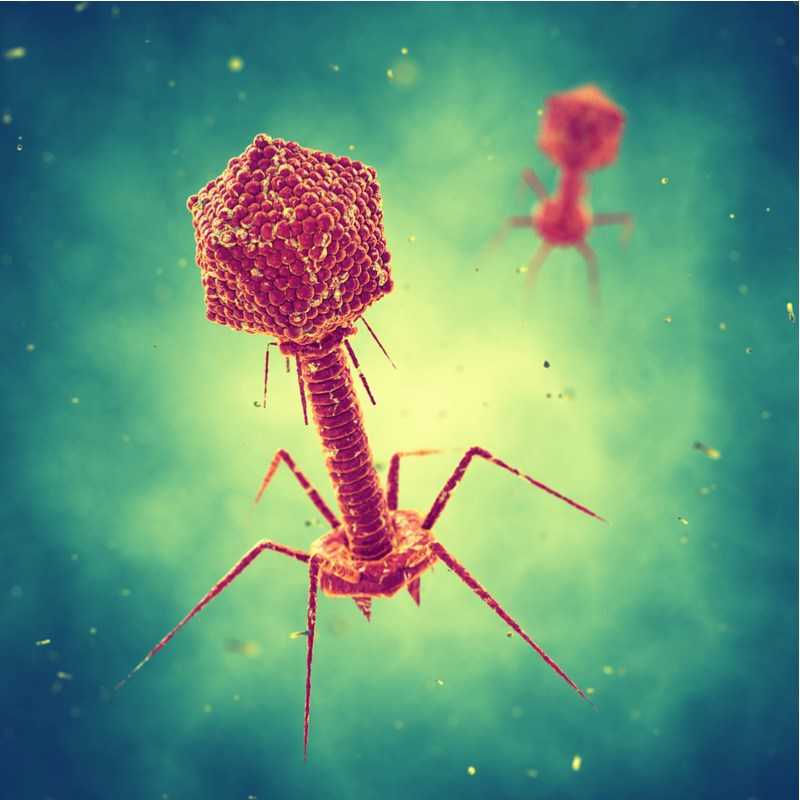
A phage display library is a collection of genetically engineered phages that display peptides, proteins, or antibodies on their surface. These libraries are valuable tools for identifying and selecting proteins or peptides with specific binding affinities for target molecules, ranging from small organic compounds to large proteins or cells. Phage display libraries are typically constructed by inserting the gene encoding the target protein into the genome of the phage encoding the coat protein. The resulting phages are then cultured in bacterial cells to produce phages that display the peptide or protein on their surface. The diversity of the library is directly related to the genetic variation introduced into the displayed protein.
Phage display relies on genetic linkage between phenotype and genotype. Its basic mechanisms mainly include:
This powerful system allows the selection of high-affinity ligands or antibodies from large libraries in a relatively short time.
Phage display libraries can be classified based on the type of displayed molecules, such as antibodies, peptides, and the source of their inserted genes.
Antibody phage display libraries are one of the most commonly used libraries, enabling the selection of antibodies with high specificity and affinity. These libraries can be divided into several types.
In cDNA phage display libraries, random complementary DNA (cDNA) fragments are inserted into phage to create libraries that display a wide variety of peptides or proteins. These libraries are particularly useful for studying protein interactions, protein-protein binding, and enzyme-substrate relationships.
Phage display libraries can also be classified based on their source or origin.
Construction of phage display libraries involves several key steps, including generating a diverse pool of DNA sequences, cloning genes into phage vectors, and infecting bacterial cells to produce phages expressing target peptides or antibodies.
The size of a phage display library is a key factor affecting the diversity and quality of the screening. The larger the library, the greater the chance of identifying high-affinity ligands.
Quality control (QC) during library construction is critical to ensure the diversity and functionality of the library. QC checks typically include verifying the correctness of the inserted sequence, ensuring the expected range of variants contained in the library, and evaluating the efficiency of phage display.
Biopanning is the core method for selecting high affinity binders from phage display libraries. It involves multiple rounds of selection, where the phage library is incubated with the target, and the phage with the highest binding affinity is isolated and amplified.
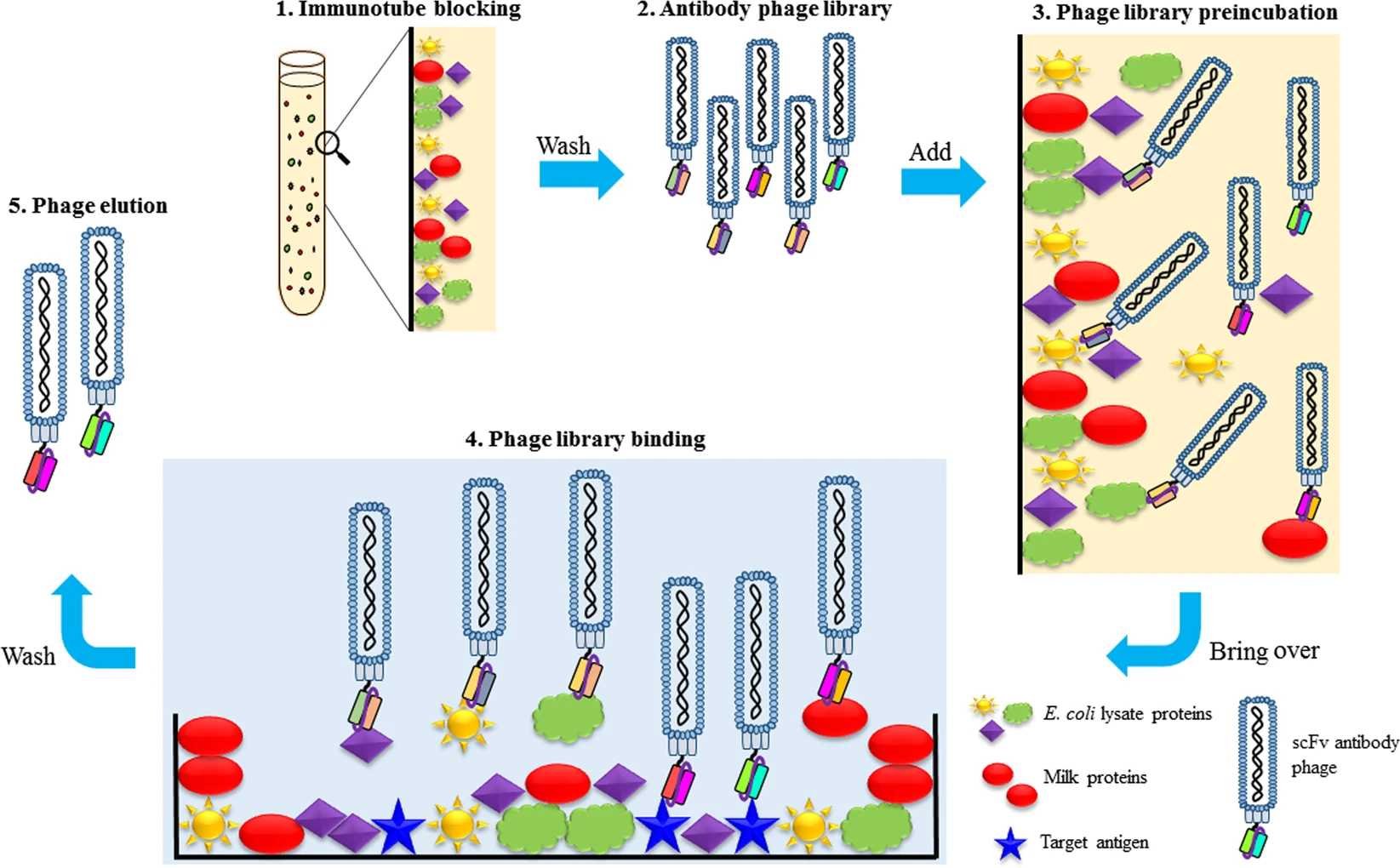 Fig. 2 Schematic diagram of Yin-Yang biopanning method.1
Phage display libraries are often screened using different selection strategies.
Screening techniques include various forms of ELISA, flow cytometry, and western blotting to detect and analyze phage-target interactions.
All listed services and products are For Research Use Only. Do Not use in any diagnostic or therapeutic applications.