
Creative Biolabs is offering the most comprehensive services for antibody development projects. With strict regulation and effective execution, we are dedicated to providing the most valuable solutions to complete your projects.
HighlightsCreative Biolabs is offering the most comprehensive services for antibody development projects. With strict regulation and effective execution, we are dedicated to providing the most valuable solutions to complete your projects.
HighlightsCreative Biolabs has established a broad range of platforms for developing novel antibodies or equivalents. These cutting-edge technologies enable our scientists to meet your demands from different aspects and tailor the most appropriate solution that contributes to the success of your projects.
HighlightsWith deep understanding in antibody-related realms and extensive project experience, Creative Biolabs offers a variety of references to help you learn more about our capacities and achievements, including infographic, flyer, case study, peer-reviewed publications, and all kinds of knowledge that can assist your projects. You are also welcome to contact us directly for more specific solutions.
HighlightsGet a real taste of Creative Biolabs, one of the most professional custom service providers in the world. We are committed to providing highly customized comprehensive solutions with the best quality to advance your projects.
HighlightsApoptosis is a tightly controlled process of programmed cell death that serves as a mechanism for eliminating damaged or aging cells. There are several drugs have been discovered targeting tumor cell apoptosis. Therefore, apoptosis assay serves as a crucial type of detection assay for cancer drug discovery and development. Developing robust apoptosis assays will help global clients to speed up the development of drug candidates.
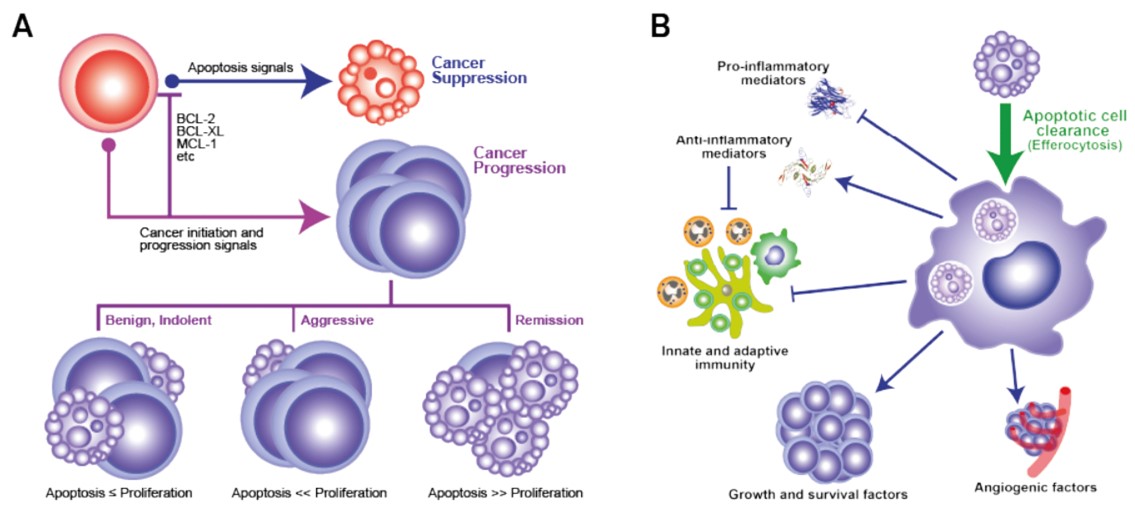 Fig.1 The 'apoptosis paradox' in cancer.1
Service Packages
Our comprehensive suite of biochemical and fluorescence polarization assays delivers precise, high-throughput solutions for interrogating apoptotic pathways, from direct caspase activity profiling to targeted inhibitor screening against IAP family proteins.
Our in vitro caspase biochemical assays enable precise quantification of caspase activity across key family members, including initiators (caspase-8, -9) and effectors (caspase-3, -6, -7). These assays utilize fluorogenic or chromogenic substrates to monitor enzymatic cleavage in real time, providing critical insights into apoptotic pathway activation. Applications include compound screening for oncology therapeutics, mechanistic studies of cell death regulation, and evaluation of drug candidates targeting apoptotic pathways.
Our XIAP fluorescence polarization (FP) assays measure the binding affinity of small molecules or peptides to the BIR domains of X-linked inhibitor of apoptosis protein (XIAP). By detecting competitive displacement of a fluorescent tracer, these assays enable rapid identification of Smac mimetics and novel XIAP antagonists. This platform supports drug discovery programs aimed at overcoming apoptosis resistance in cancer cells through targeted inhibition of IAP family proteins.
Our cIAP fluorescence polarization assays are designed to evaluate compound binding to cellular inhibitors of apoptosis proteins (cIAP1 and cIAP2). Utilizing domain-specific fluorescent probes, these assays facilitate high-throughput screening for selective cIAP antagonists and characterization of structure-activity relationships. Applications include development of targeted cancer therapeutics that promote tumor cell apoptosis by neutralizing cIAP-mediated survival signals.
Creative Biolabs widely provides a cost-effective PathSpecific™ apoptosis assay service for global customers to support your drug discovery targeting apoptosis. In this service, we examine the absorbance and fluorescence as the indicator in response to test sample treatment utilizing several well-developed approaches to enable our PathSpecific™ apoptosis assay service. In addition, we offer a select number of apoptosis targets involved in different apoptosis pathways to aid in our PathSpecific™ apoptosis assay service and also deliver related assays for your convenience. Moreover, we offer a comprehensive customized service to guarantee ideal results for every customer at Creative Biolabs in a rapid timeline.
| Approaches | Readout | |
| Fluorescence Polarization Assay | The principle of the fluorescence polarization experiment is that the degree of excitation of small peptides with fluorescent labels by polarized light varies with the rotation angle. | Fluorescence |
| Flow Cytometry Detection Assay | Quickly distinguishing apoptosis from necrosis, accurately counting apoptosis cells, and determining whether apoptosis occurs in its early or late phases are all possible using flow cytometry detection assay. | |
| MTT Assay | The MTT test is a colorimetric method to evaluate mitochondrial activity, which is an indicator of cellular viability. | Absorbance |
Here we list several apoptosis targets and provide related assays to aid in our PathSpecific™ apoptosis assay service.
| Cat | Targets | Related Assays |
| ZL-1122-LX137 | BCL-2 | PathSpecific™ BCL2 Apoptosis Assay |
| ZL-1122-LX138 | BCL-xL | PathSpecific™ BCL-xL Apoptosis Assay |
| ZL-1122-LX139 | cIAP-1 | PathSpecific™ cIAP-1 Apoptosis Assay |
| ZL-1122-LX140 | cIAP-2 | PathSpecific™ cIAP-2 Apoptosis Assay |
| ZL-1122-LX69 | Caspase-1 | PathSpecific™ Caspase 1 Protease Assay |
| ZL-1122-LX73 | Caspase-2 | PathSpecific™ Caspase 2Protease Assay |
| ZL-1122-LX74 | Caspase-3 | PathSpecific™ Caspase 3 Protease Assay |
| ZL-1122-LX75 | Caspase-4 | PathSpecific™ Caspase 4 Protease Assay |
| ZL-1122-LX76 | Caspase-5 | PathSpecific™ Caspase 5 Protease Assay |
| ZL-1122-LX77 | Caspase-6 | PathSpecific™ Caspase 6 Protease Assay |
| ZL-1122-LX78 | Caspase-7 | PathSpecific™ Caspase 7 Protease Assay |
| ZL-1122-LX79 | Caspase-8 | PathSpecific™ Caspase 8 Protease Assay |
| ZL-1122-LX80 | Caspase-9 | PathSpecific™ Caspase 9 Protease Assay |
| ZL-1122-LX70 | Caspase-10 | PathSpecific™ Caspase 10 Protease Assay |
| ZL-1122-LX71 | Caspase-11 | PathSpecific™ Caspase 11 Protease Assay |
| ZL-1122-LX72 | Caspase-14 | PathSpecific™ Caspase 14 Protease Assay |
| ZL-1122-LX68 | Calpain 1 | PathSpecific™ Calpain 1 Protease Assay |

Representative data: This study focuses on understanding the apoptotic response of eukaryotic cells under ER stress. The obtained data shows that increased levels of GRP78 can suppress apoptosis induced by ER stress, thus reducing the overall amount of cell death during chondrogenesis triggered by BMP2. These findings shed light on the essential function of GRP78 in managing ER stress-related apoptosis in cartilage formation and molecular processes.
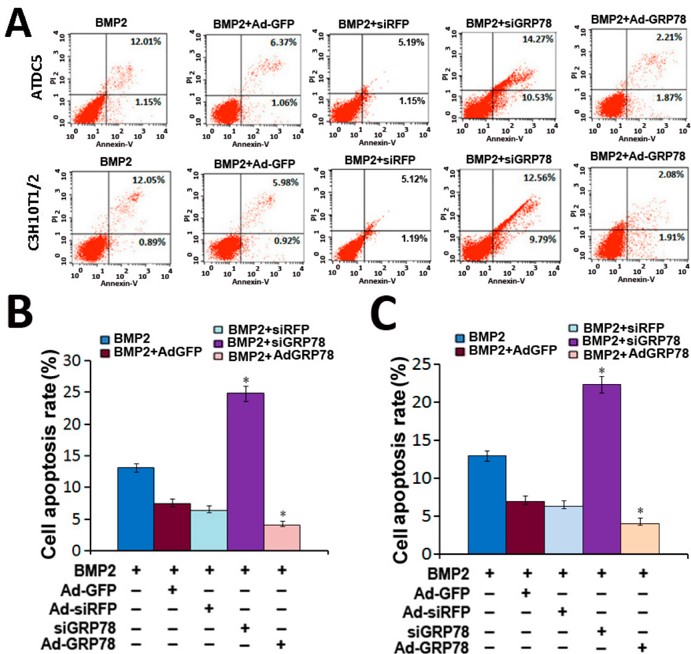 Fig.2 FCM-based cellular apoptosis assays.2
If you want to know more details about our PathSpecific™ apoptosis assay service, please don't hesitate to contact us at your convenience.
References
All listed services and products are For Research Use Only. Do Not use in any diagnostic or therapeutic applications.








