Ligand conjugated LNP Development Service for Targeted Delivery
While lipid nanoparticles (LNPs) have established themselves as the gold standard for nucleic acid delivery, off-target accumulation often limits their therapeutic index. Ligand-conjugated LNP development services bridge this gap by functionalizing the nanoparticle surface with precise targeting moieties—such as antibodies, peptides, or aptamers—to facilitate active receptor-mediated uptake. By transforming passive carriers into active delivery systems, we enable researchers to bypass the liver, penetrate the blood-brain barrier, and target specific tumor antigens. Creative Biolabs leverages over 20 years of expertise in lipid chemistry and bioconjugation to provide robust, scalable, and highly specific targeted delivery solutions.
Start Your Custom Functionalized LNP Project
The Science of Targeted Delivery
The Challenge of the Protein Corona
In the physiological environment of the bloodstream, LNPs are immediately coated by a layer of serum proteins known as the protein corona. This dynamic interface can significantly impact targeting efficacy:
- Ligand Masking: A dense protein corona can physically obscure targeting ligands, preventing them from binding to their receptors.
- Altered Biodistribution: Opsonization by immunoglobulins or complement proteins can lead to rapid clearance by the mononuclear phagocyte system (MPS).
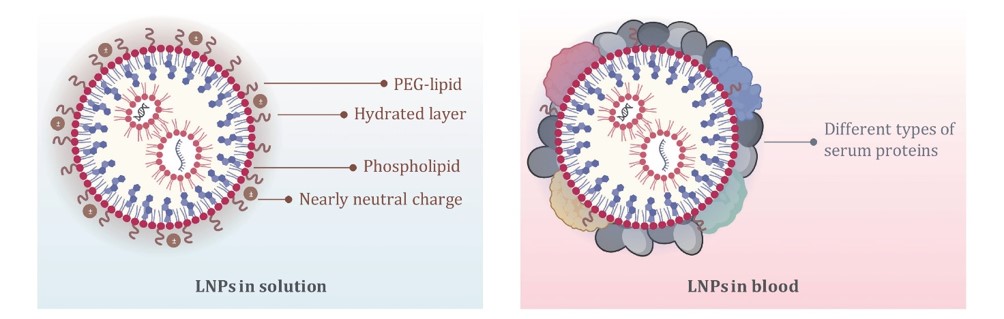 Fig. 1 Different surface states of nucleic acid-LNPs in solution and in blood.1,3
The Imperative for Active Targeting
Standard LNPs typically rely on passive targeting mechanisms. Upon intravenous injection, they adsorb serum proteins (notably ApoE), which drives accumulation in the liver via LDL receptor-mediated uptake. While beneficial for hepatic diseases, this "liver bias" restricts efficacy for targets in the lungs, spleen, brain, or solid tumors. Active targeting strategies overcome this limitation by decorating the LNP surface with specific ligands. These ligands bind to receptors uniquely expressed or overexpressed on target cells, triggering receptor-mediated endocytosis and enhancing intracellular delivery to non-liver tissues.
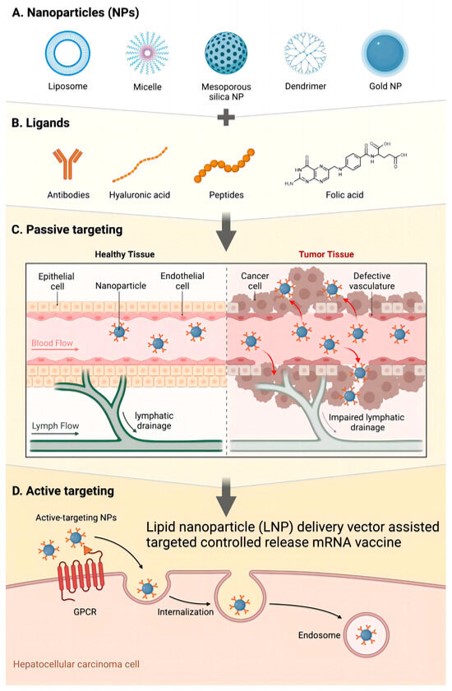 Fig. 2 Schematic diagram of active targeting achieved by ligand-coupled LNP.1,3
Strategies for Surface Functionalization
We utilize a diverse array of ligands to achieve precise tissue tropism. The choice of ligand depends on the target receptor's density, internalization rate, and the desired immune profile.
 Antibody
 Peptide
  Aptamer
  Carbohydrate
  Small
Molecule
Small
Molecule Protein
Commonly Used Targeting Ligands and Applications
| Ligand Class | Specific Examples | Primary Target Receptor | Target Tissue / Application |
|---|---|---|---|
| Antibodies | Anti-CD3, Anti-CD4, Anti-CD8 | CD3, CD4, CD8 complex | T-Cells (CAR-T generation, Immunotherapy) |
| Anti-PECAM-1 (CD31) | PECAM-1 | Lung Endothelium | |
| Anti-HER2 | HER2/neu | Breast/Gastric Cancer Cells | |
| Peptides | RGD Peptide | Integrins | Tumor Vasculature, Angiogenesis |
| TAT Peptide | Non-specific (Cell Penetrating) | Enhanced Cellular Uptake (Universal) | |
| Angiopep-2 | LRP1 | Blood-Brain Barrier (CNS Delivery) | |
| Carbohydrates | GalNAc | ASGPR | Hepatocytes (Liver) |
| Mannose | Mannose Receptor (CD206) | Macrophages, Dendritic Cells | |
| Hyaluronic Acid (HA) | CD44 | Solid Tumors, Stem Cells | |
| Small Molecules | Folate | Folate Receptor | Ovarian, Lung, Breast Cancers |
| Proteins | Transferrin | Transferrin Receptor (TfR) | Brain Endothelium, Cancer Cells |
Precision Surface Engineering Strategies
We employ multiple robust methodologies to functionalize LNP surfaces, ensuring high ligand density and stability without compromising the integrity of the encapsulated payload.
- Post-Insertion Technique: This is a mild, highly controlled method where ligand-conjugated lipid is incubated with pre-formed LNPs. The lipid tails of the conjugate spontaneously insert into the LNP bilayer. This preserves the encapsulation efficiency of delicate mRNA payloads.
- Direct Dissolution Assembly: Functionalized lipids are mixed with the lipid solution prior to microfluidic mixing. This is ideal for stable ligands (like small molecules or peptides) that can withstand the ethanol/buffer mixing process.
- Bio-orthogonal "Click" Chemistry: We utilize highly specific reactions, such as DBCO-Azide (copper-free click), to attach ligands to pre-formed LNPs containing reactive surface groups. This ensures no cross-reactivity with the biological payload.
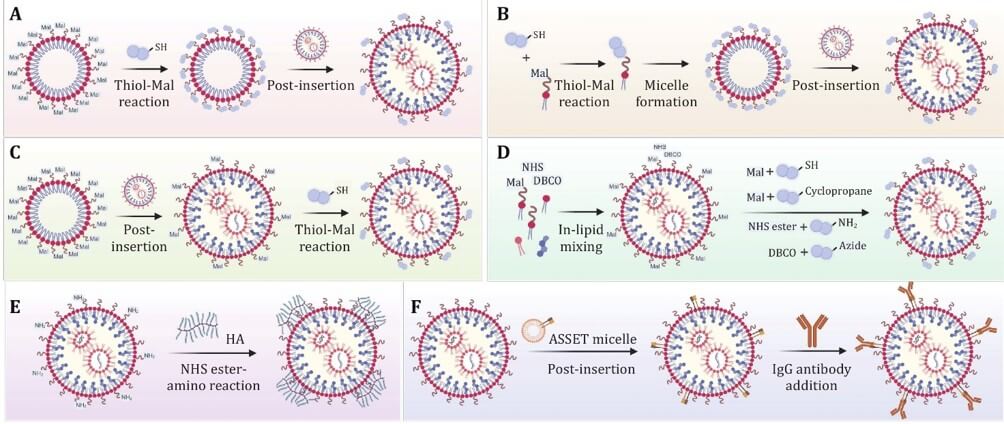 Fig. 3 In situ modification strategies for generating surface-engineered LNPs.1,3
Comprehensive Ligand-Conjugated LNP Solutions
Creative Biolabs provides an end-to-end service suite designed to accelerate your targeted delivery programs.
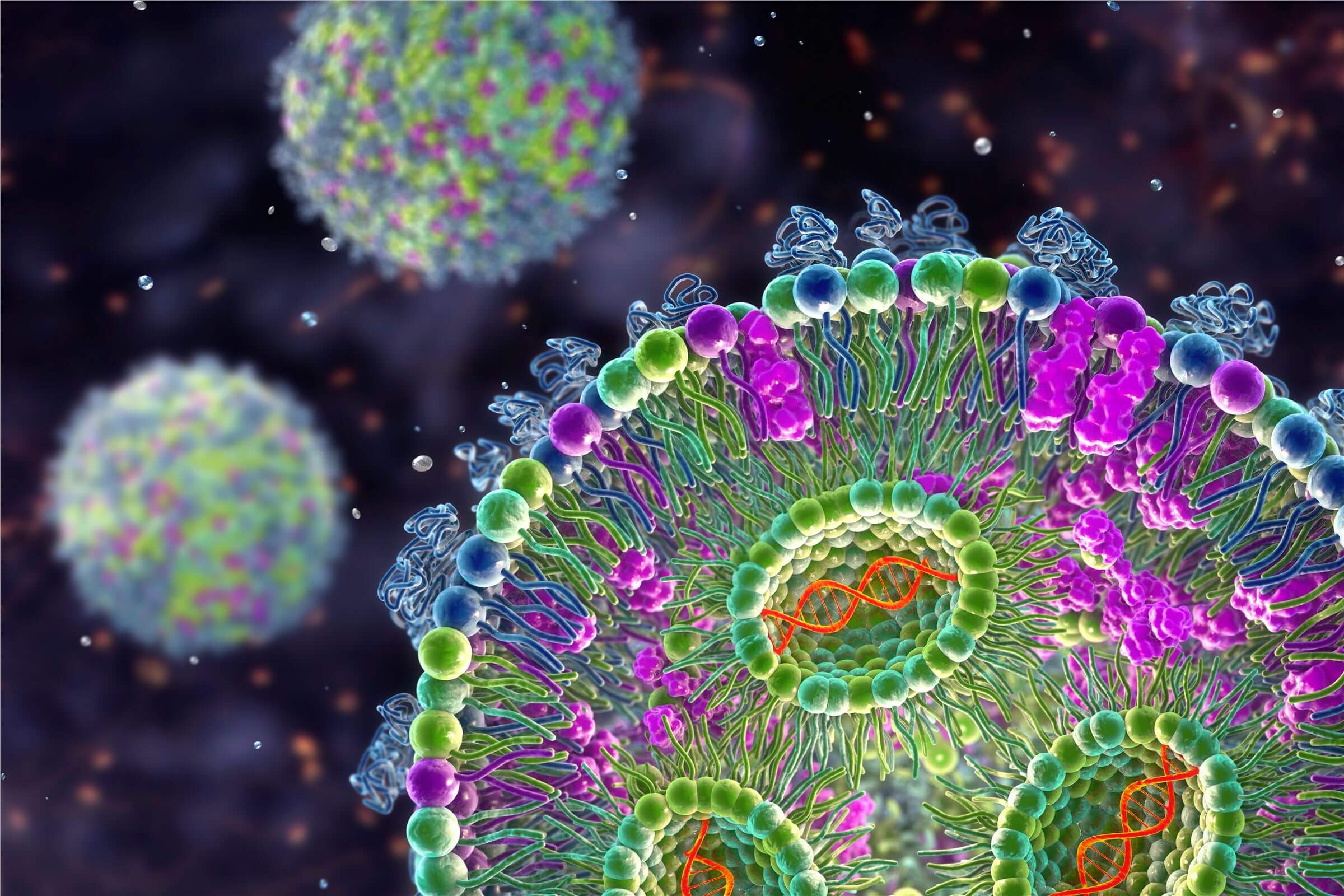
We employ structure-guided design principles to synthesize and optimize ligands, ensuring ideal affinity, stability, and pharmacokinetic profiles to serve as the effective "navigation system" for your therapeutic.
- Antibody Engineering: Fragmentation of whole antibodies into Fab or scFv regions to reduce particle size and immunogenicity.
- Peptide Synthesis: Custom synthesis of targeting peptides with specific spacers (PEG) to ensure optimal presentation.
- Linker Optimization: Selection of appropriate chemical linkers to balance stability in circulation with ligand flexibility for receptor binding.
Case Study
Case Study 1: Targeted CD5 Ab-LNP (Cat: TDLD-0825-LD66)
This targeted LNP platform is engineered for specific delivery to CD5-expressing T cells. By conjugating a high-affinity anti-CD5 antibody, we enable precise targeting, making it an ideal tool for studying T-cell modulation. The data below is from a specified configuration, showcasing our targeting capabilities.
Payload: EGFP mRNA (CAP 1, m1Ψ)
Lipid Formulation: SM102
mRNA Concentration: 0.1 mg/ml
Module Type: Anti-CD5 Antibody
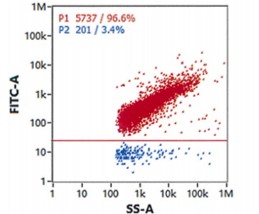 Fig. 4 Flow cytometry histogram of Targeted CD5 Ab-LNP.
| Z-Average | PDI | Zeta Potential | Encapsulation Efficiency | mRNA concentration |
|---|---|---|---|---|
| 69.7 nm | 0.140 | 96.6 mV | 91.0 % | 0.1 mg/mL |
Case Study 2: Targeted CD8 Ab-LNP
Developed for precise targeting of cytotoxic CD8+ T cells, this LNP is conjugated with a high-specificity anti-CD8 antibody. It is an essential tool for research into anti-tumor immunity, vaccine development, and strategies that require the specific manipulation of this critical immune cell population.
Payload: EGFP mRNA (CAP 1, m1Ψ)
Lipid Formulation: SM102
mRNA Concentration: 0.1 mg/ml
Module Type: Anti-CD8 Antibody
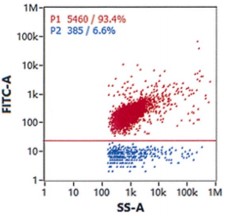 Fig. 5 Flow cytometry histogram of Targeted CD8 Ab-LNP.
| Z-Average | PDI | Zeta Potential | Encapsulation Efficiency | mRNA concentration |
|---|---|---|---|---|
| 84.08 nm | 0.08 | 93.4 mV | 90.1 % | 0.1 mg/mL |
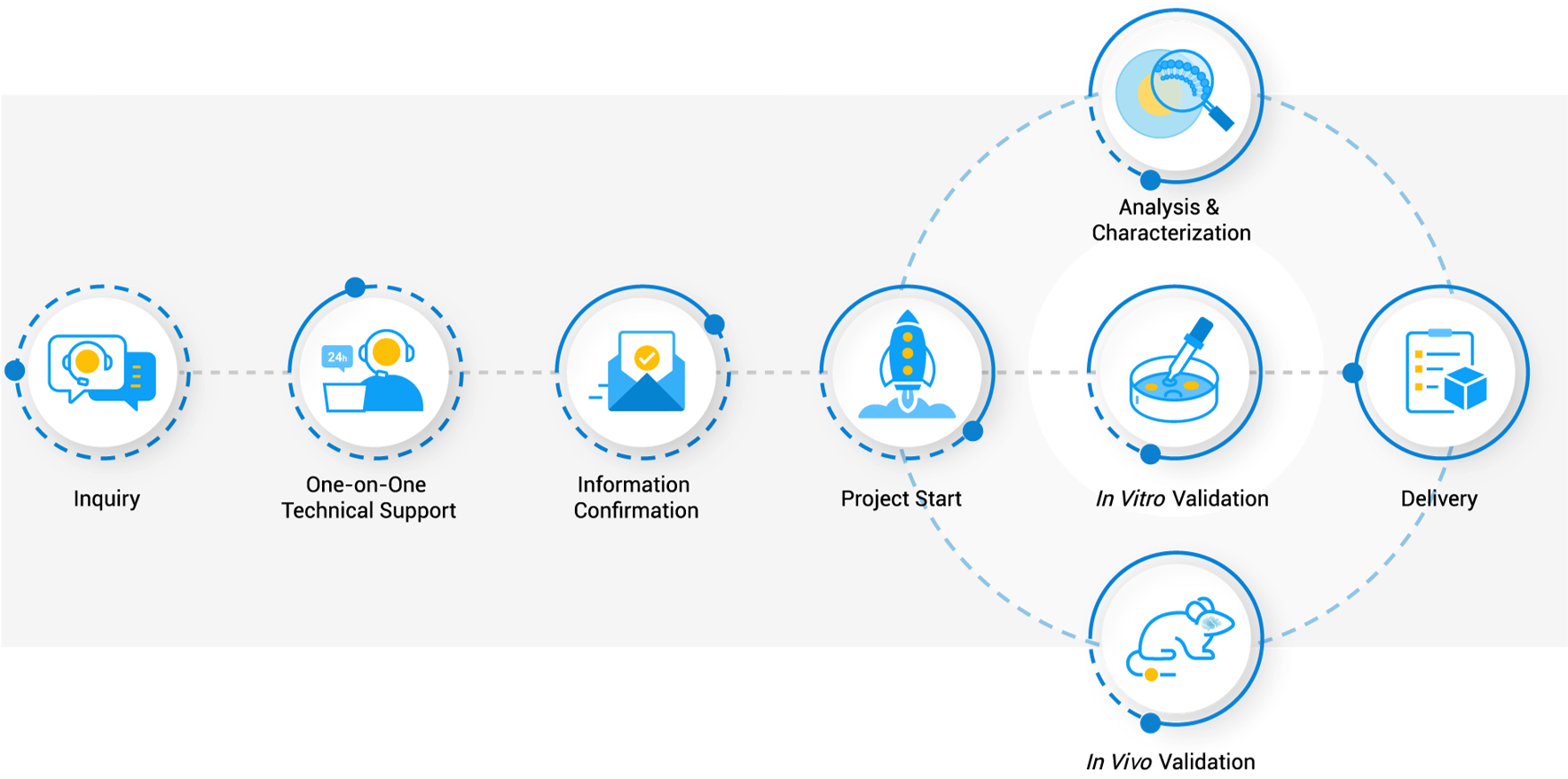
Workflow
Pioneering Therapeutic Frontiers
Our ligand-conjugated LNP development services utilize precise molecular engineering to unlock new therapeutic modalities across diverse fields:
- Precision Oncology and Metastasis Targeting: Delivering cytotoxic payloads or immune activators directly to primary tumors and metastatic sites by targeting surface markers like EGFR or HER2, significantly widening the therapeutic window.
- Ex Vivo & In Vivo CAR-T Engineering: Using CD3 or CD5-targeted LNPs to deliver CAR-encoding mRNA directly to T-cells in the bloodstream, bypassing the complex and costly ex vivo manufacturing process. Please browse our downloadable Brochure for more information.
- Non-Invasive Brain Delivery: Overcoming the Blood-Brain Barrier by conjugating LNPs with ligands for transferrin or insulin receptors, enabling the treatment of neurodegenerative diseases and glioblastoma.
- Targeted Immunomodulation: Directing vaccines or tolerogenic therapies to specific immune cell subsets (e.g., Dendritic Cells or Macrophages) via Mannose or CD206 targeting to fine-tune immune responses.
Why Choose Creative Biolabs?
Preservation of Ligand Function
Our optimized conjugation protocols ensure that the binding affinity of delicate biological ligands (antibodies/proteins) is not compromised during attachment.
Scalable Microfluidic Manufacturing
We utilize industry-standard microfluidic mixing technology, ensuring that the formulations we develop at the R&D scale (milligrams) are fully scalable to pre-clinical and clinical volumes.
Rigorous Physicochemical Characterization
Beyond basic size and PDI, we employ advanced analytics to quantify ligand density per particle, ensuring batch-to-batch consistency and reproducibility.
Our platform is engineered to encapsulate a wide range of therapeutic cargoes, including long-chain mRNA, siRNA, plasmid DNA, and even Cas9 RNP complexes.
Creative Biolabs is your premier partner for overcoming the barriers of targeted drug delivery. By combining state-of-the-art lipid nanoparticle technology with precise ligand conjugation, we provide ligand-conjugated LNP development services that empower you to deliver therapeutics with unprecedented accuracy. From initial design to functional validation, our team is dedicated to accelerating your research.
Related Services & Products
Related Services
Chemical Synthesis Services


Nucleic Acid Synthesis Services
Related Products
| Product Name | Description | Inquiry |
|---|---|---|
| Lipid-Protein Conjugation Kit (Universal) | A complete toolkit for conjugating antibodies or proteins to pre-formed LNPs via simple click chemistry or thiol-maleimide coupling. | |
| Ab-LNP (Anti-CD3) | Ready-to-use LNP formulations conjugated with anti-CD3 antibodies for T-cell targeting. | |
| Ab-LNP (Anti-CD5) | Specific antibody-conjugated LNPs targeting CD5+ cells for leukemia and lymphoma research. | |
| Ab-LNP (Anti-CD7) | Targeted LNPs designed for the delivery of payloads specifically to cytotoxic T lymphocytes. | |
| Pep-LNP (TAT) | LNPs functionalized with the TAT cell-penetrating peptide to enhance non-specific cellular uptake and endosomal escape. | |
| Pep-LNP (RGD) | LNPs conjugated with RGD peptides for targeting integrins expressed on angiogenic tumor vasculature. | |
| Empty LNP (Control) | Validated, payload-free lipid nanoparticles for use as negative controls in cellular and in vivo experiments. | |
| Fluorescent LNP | LNPs labeled with DiD, DiI, or Rhodamine for easy visualization and tracking in uptake studies. |
FAQs
Can you conjugate my proprietary antibody to your LNPs?
Yes, we specialize in custom conjugation services. We can work with your proprietary antibodies, fragments, or peptides under strict confidentiality, ensuring optimal functionalization while preserving their binding activity.
How does ligand conjugation affect the physical stability of the LNP?
Conjugation can alter surface properties, but our experts optimize the PEG-lipid ratio and ligand density to maintain colloidal stability.
What is the typical encapsulation efficiency for ligand-conjugated LNPs?
Utilizing our post-insertion and microfluidic protocols, we typically retain encapsulation efficiencies greater than 90% for nucleic acid payloads, even after the surface conjugation process is complete.
Do you offer animal testing to validate targeting efficacy?
Yes, we can perform comprehensive in vivo biodistribution and efficacy studies in rodent models to validate that the conjugated LNPs successfully reach the intended target tissue and deliver the payload.
What is the minimum batch size for a custom conjugation project?
We are highly flexible and can produce batches as small as 1 mg (mRNA weight) for initial in vitro screening, with the capability to scale up as your project progresses through development.
References
- Lin, Yi, Qiang Cheng, and Tuo Wei. "Surface engineering of lipid nanoparticles: targeted nucleic acid delivery and beyond." Biophysics Reports 9.5 (2023): 255. https://dx.doi.org/10.52601/bpr.2023.230022
- Wu, Liusheng, et al. "Lipid nanoparticle (LNP) delivery carrier-assisted targeted controlled release mRNA vaccines in tumor immunity." Vaccines 12.2 (2024): 186. https://doi.org/10.3390/vaccines12020186.
- Distributed under Open Access license CC BY 4.0, without modification.