
Creative Biolabs is offering the most comprehensive services for antibody development projects. With strict regulation and effective execution, we are dedicated to providing the most valuable solutions to complete your projects.
HighlightsCreative Biolabs is offering the most comprehensive services for antibody development projects. With strict regulation and effective execution, we are dedicated to providing the most valuable solutions to complete your projects.
HighlightsCreative Biolabs has established a broad range of platforms for developing novel antibodies or equivalents. These cutting-edge technologies enable our scientists to meet your demands from different aspects and tailor the most appropriate solution that contributes to the success of your projects.
HighlightsWith deep understanding in antibody-related realms and extensive project experience, Creative Biolabs offers a variety of references to help you learn more about our capacities and achievements, including infographic, flyer, case study, peer-reviewed publications, and all kinds of knowledge that can assist your projects. You are also welcome to contact us directly for more specific solutions.
HighlightsGet a real taste of Creative Biolabs, one of the most professional custom service providers in the world. We are committed to providing highly customized comprehensive solutions with the best quality to advance your projects.
Highlights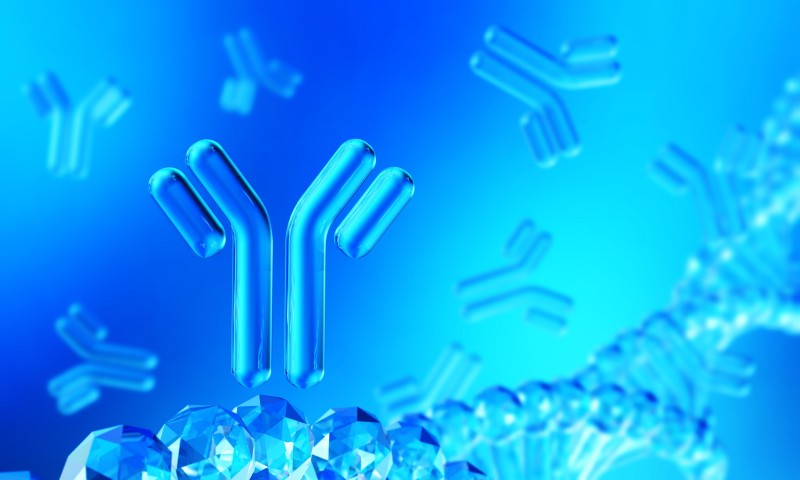
In the contemporary landscape of biomedical research and therapeutic intervention, the immune antibody library stands as a cornerstone of high precision protein engineering. At its essence, a library is a sophisticated molecular repository comprising the diverse genetic sequences of antibodies, specifically those harvested from hosts (human or animal) that have been previously exposed to a specific antigen, pathogen, or pathological condition. Unlike naive libraries, which represent a broad but unrefined repertoire of a healthy immune system, immune libraries are pre enriched by the host's own biological machinery.
The biological genesis of these libraries lies within the B cell population. Upon encountering a foreign threat, B cells undergo clonal expansion and somatic hypermutation, a natural affinity maturation process that optimizes the binding strength and specificity of antibodies. By capturing the mRNA from these activated B cells and converting it into cDNA, researchers can clone the variable regions (VH and VL) into display vectors. This process freezes the host's heightened immune state into a searchable, digital, and physical format, providing a specialized reservoir of antibodies tailored to combat specific infections or malignancies.
The adoption of immune antibody libraries in biopharmaceutical pipelines offers several distinct advantages over traditional hybridoma technologies or synthetic library screening:
The primary merit of an immune library is the utilization of in vivo affinity maturation. Because the host's immune system has already filtered and refined the antibody response against the target, the resulting library contains a high frequency of high affinity binders. This often bypasses the need for extensive in vitro affinity maturation, accelerating the development timeline.
Due to the high abundance of antigen specific sequences, immune libraries can be smaller in size (often 106 to 108 variants) compared to naive or synthetic libraries (>1010) while still yielding potent functional antibodies. This reduces the logistical burden and time required for the biopanning process.
Immune libraries excel at reflecting the actual physiological response to a disease. This is particularly crucial in studying autoimmune diseases and chronic infections, where the natural antibody architecture may possess structural nuances that synthetic designs might overlook.
Antibodies derived from natural immune responses often exhibit better developability profiles, such as higher stability and lower immunogenicity, compared to randomly assembled synthetic variants.
The versatility of immune antibody libraries has facilitated breakthroughs across diverse medical disciplines:

At Creative Biolabs, we bridge the gap between complex immunology and actionable therapeutic leads through our premier Phage Display Platform. Phage display remains the gold standard for constructing and screening immune libraries due to its physical link between phenotype (the displayed antibody fragment) and genotype (the encapsulated DNA).
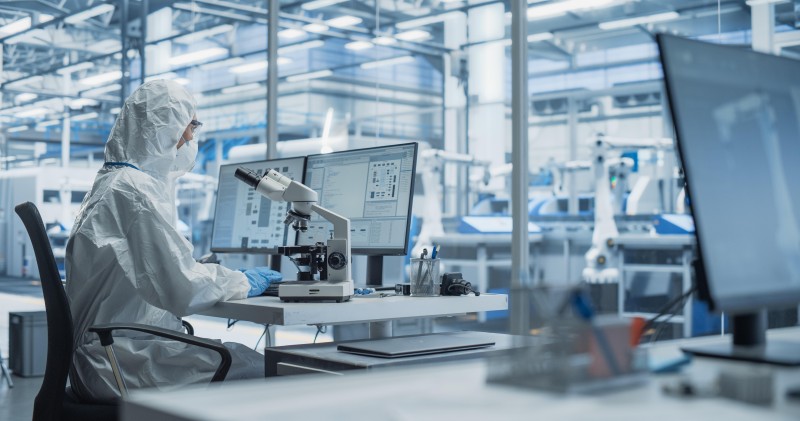
Our platform utilizes advanced filamentous bacteriophages (e.g., M13) to display various antibody formats, including ScFv, Fab, and single domain antibodies. By integrating high throughput sequencing (NGS) with our proprietary biopanning strategies, we can navigate the vast landscape of an immune repertoire with unprecedented depth. This allows us to identify not just the dominant clones, but also the rare, high affinity variants that are often missed by traditional screening methods. Our platform is engineered for robustness, ensuring that the diversity of the original immune response is faithfully preserved and accessible.

Creative Biolabs offers an integrated suite of services designed to support every stage of antibody discovery. Central to our repertoire is our Phage Display based Binder Discovery service, which provides a turnkey solution for researchers globally. Our specific offerings include:
From antigen design and sophisticated immunization protocols to B cell isolation and library cloning, we provide end to end construction services.
Utilizing tailored panning strategies, we isolate binders with specific kinetic and thermodynamic properties.
We facilitate the transition from library hits to fully characterized monoclonal antibodies, ensuring high specificity and bioactivity.
Beyond antibodies, our platform is adept at identifying high affinity peptides for targeting and modulation.
We specialize in identifying binders that maintain structural integrity under harsh physiological or industrial conditions.
Crucial for intracellular delivery and recycling therapies (e.g., FcRn targeting), we engineer binders that exhibit conditional binding based on the microenvironmental pH.
In conclusion, the library is an elegant synergy of natural evolution and biotechnological precision. Creative Biolabs remains committed to advancing this field, providing the global scientific community with the tools and expertise necessary to translate biological insights into therapies.
All listed services and products are For Research Use Only. Do Not use in any diagnostic or therapeutic applications.








