Creative Biolabs is offering the most comprehensive services for antibody development projects. With strict regulation and effective execution, we are dedicated to providing the most valuable solutions to complete your projects.
HighlightsCreative Biolabs is offering the most comprehensive services for antibody development projects. With strict regulation and effective execution, we are dedicated to providing the most valuable solutions to complete your projects.
HighlightsCreative Biolabs has established a broad range of platforms for developing novel antibodies or equivalents. These cutting-edge technologies enable our scientists to meet your demands from different aspects and tailor the most appropriate solution that contributes to the success of your projects.
HighlightsWith deep understanding in antibody-related realms and extensive project experience, Creative Biolabs offers a variety of references to help you learn more about our capacities and achievements, including infographic, flyer, case study, peer-reviewed publications, and all kinds of knowledge that can assist your projects. You are also welcome to contact us directly for more specific solutions.
HighlightsGet a real taste of Creative Biolabs, one of the most professional custom service providers in the world. We are committed to providing highly customized comprehensive solutions with the best quality to advance your projects.
Highlights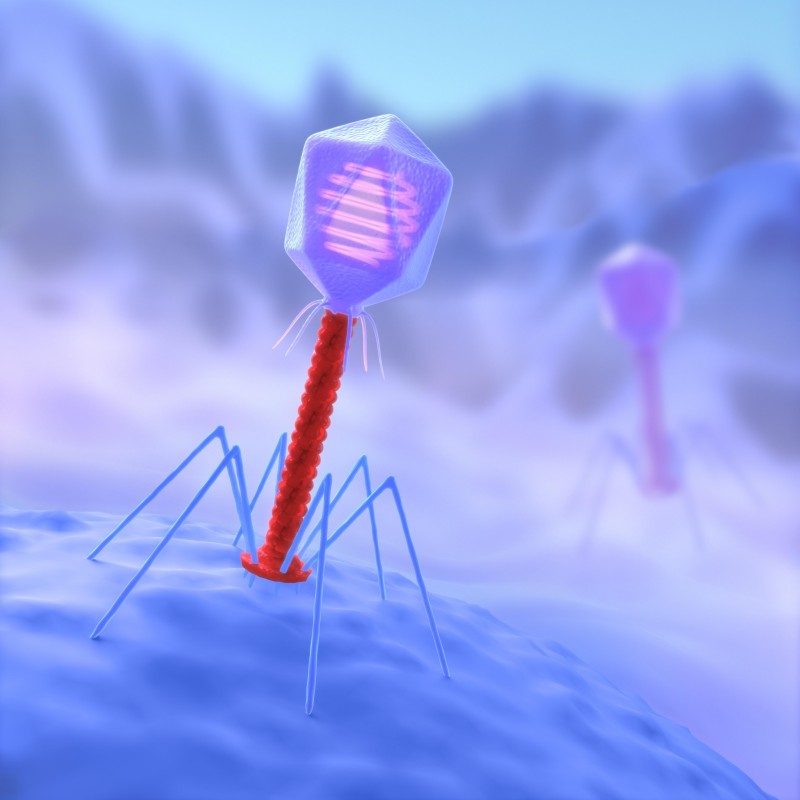
The relentless pursuit of novel biological reagents—from high-affinity antibodies to therapeutic peptides—is fundamentally constrained by the throughput and complexity of discovery methodologies. Since its inception, phage display technology has emerged as a cornerstone in molecular biology, serving as a powerful and transformative tool that fundamentally redefines the paradigms of binder selection.
At its core, phage display is a versatile genetic engineering technique leveraging bacteriophages (such as the filamentous M13 phage) as biological expression vectors. The methodology involves inserting the gene encoding a foreign polypeptide, protein, or antibody fragment into a specific site within the phage coat protein gene. This results in the formation of a fusion protein that is then correctly expressed in-frame. Crucially, during the reassembly of the phage, this fusion protein is presented, or "displayed," on the external surface of the viral capsid. This presentation not only renders the genetic material (phenotype) physically linked to its encoded protein (genotype) but also allows the displayed molecule to maintain a relative spatial structure and functional biological activity essential for binding interactions.
This robust phenotype-genotype linkage within the phage virion facilitates the parallel selection and amplification of binders from vast libraries, a process that has become indispensable across the life sciences.
Unlock the Full Potential of Phage Display — Speak with Our Experts

The widespread adoption of phage display is a direct consequence of its substantial advantages over traditional binder discovery methods, most notably the preparation of monoclonal antibodies. By overcoming the limitations of conventional hybridoma technology, phage display offers a superior platform characterized by:
Traditional monoclonal antibody production is inherently time-intensive, often spanning months. Phage display significantly compresses this timeline by enabling the rapid, in vitro selection and enrichment of binders within weeks. This streamlined process bypasses the reliance on animal immunization, offering a faster route from target identification to candidate validation.
Phage display libraries can harbor astronomical diversity, often exceeding 108 distinct clones. This vast repertoire ensures a high probability of discovering binders against virtually any antigen, including those that are toxic, poorly immunogenic, or highly conserved across species. Furthermore, the selection process—known as "panning"—occurs entirely in vitro, allowing for precise control over selection stringency, pH, temperature, and the specific molecular environment, parameters that are often difficult to manipulate in vivo.
The iterative process of binding, washing, elution, and amplification effectively selects for high-affinity clones. Techniques such as biopanning and competitive elution (a common in vitro screening method) allow for the enrichment of binders with equilibrium dissociation constants in the picomolar to nanomolar range, essential for therapeutic efficacy.
The technology is not restricted to full-length antibodies. It is uniquely suited for the discovery of antibody fragments (e.g., scFv, Fab), peptides, protein scaffolds, and even entire protein libraries, making it adaptable to diverse research and applications.
Accelerate Your Discovery. Request a Custom Project Evaluation.
Successful application of phage display hinges on the meticulous execution of three core steps: library construction, screening/panning, and subsequent characterization.
 Phage Display System Introduction
The core mechanism relies on a functional display system. While the M13 phage system remains the most commonly utilized, displaying foreign protein fused to the minor coat protein pIII or major coat protein pVIII, other systems exist. These include T7, T4, and lambda phage systems, each offering unique advantages in terms of capacity, valency, and display efficiency. Furthermore, the system is defined by its genetic vehicle: true phages (which carry all necessary genes for infection and replication) or phagemids (a plasmid requiring a "helper phage" to produce infectious particles, often preferred for stability and ease of manipulation).
Phage Display Library Type Introduction
The diversity and quality of the starting library fundamentally determine the success of the selection campaign. The construction of a robust library, a critical first step, involves inserting the genetic material of interest into the phage genome. Commonly constructed libraries include:
Construction methods vary, including the synthetic method (using synthetic oligonucleotides), the cDNA method (using mRNA as a template), and the DNase method (for generating fragment libraries).
Phage Display Library Screening Strategy Introduction
Screening, or biopanning, is the process of affinity selection. Strategies are broadly categorized into:
Phage Display Applications Introduction
The utility of this technology spans the entire biomedical spectrum, driving innovation in:
Ready to Start Your Phage Display Project? Contact Our Specialists

Creative Biolabs stands at the vanguard of binder discovery, offering a state-of-the-art Phage Display Platform built on decades of expertise and a commitment to innovation. Our platform is characterized by:

Turn Your Research Vision into Reality — Request a Proposal Today
Drawing upon our extensive practical experience and advanced technology platform, Creative Biolabs provides comprehensive and customized development services for diverse binder discovery needs. Our offerings are designed to transition seamlessly from library generation to candidate selection:
Tailored synthesis of antibody, peptide, or scaffold libraries to meet unique project specifications, maximizing functional diversity.
Rigorous and iterative biopanning campaigns using advanced in vitro or in vivo methodologies to isolate high-affinity binders.
End-to-end service for the rapid identification and optimization of therapeutic antibody fragments (scFv, Fab).
Focused screening to identify novel peptide ligands for targeted delivery or receptor antagonism.
Utilizing customized panning conditions (e.g., high temperature, detergent resistance) to select binders with enhanced thermal and chemical stability.
Specialized screening campaigns that use differential pH elution to isolate binders that dissociate preferentially in acidic environments (e.g., tumor microenvironments or endosomes), critical for therapeutic recycling or targeted drug delivery.
By applying phage display screening under endocytosis-driven selection pressure, antibodies that trigger receptor-mediated uptake can be isolated, enabling targeted intracellular delivery of payloads.
Bring Your Candidate Molecules to the Next Level. Ask for a Feasibility Assessment.
From Library Construction to Hit Validation — Start Your Project with Us
All listed services and products are For Research Use Only. Do Not use in any diagnostic or therapeutic applications.