
Creative Biolabs is offering the most comprehensive services for antibody development projects. With strict regulation and effective execution, we are dedicated to providing the most valuable solutions to complete your projects.
HighlightsCreative Biolabs is offering the most comprehensive services for antibody development projects. With strict regulation and effective execution, we are dedicated to providing the most valuable solutions to complete your projects.
HighlightsCreative Biolabs has established a broad range of platforms for developing novel antibodies or equivalents. These cutting-edge technologies enable our scientists to meet your demands from different aspects and tailor the most appropriate solution that contributes to the success of your projects.
HighlightsWith deep understanding in antibody-related realms and extensive project experience, Creative Biolabs offers a variety of references to help you learn more about our capacities and achievements, including infographic, flyer, case study, peer-reviewed publications, and all kinds of knowledge that can assist your projects. You are also welcome to contact us directly for more specific solutions.
HighlightsGet a real taste of Creative Biolabs, one of the most professional custom service providers in the world. We are committed to providing highly customized comprehensive solutions with the best quality to advance your projects.
Highlights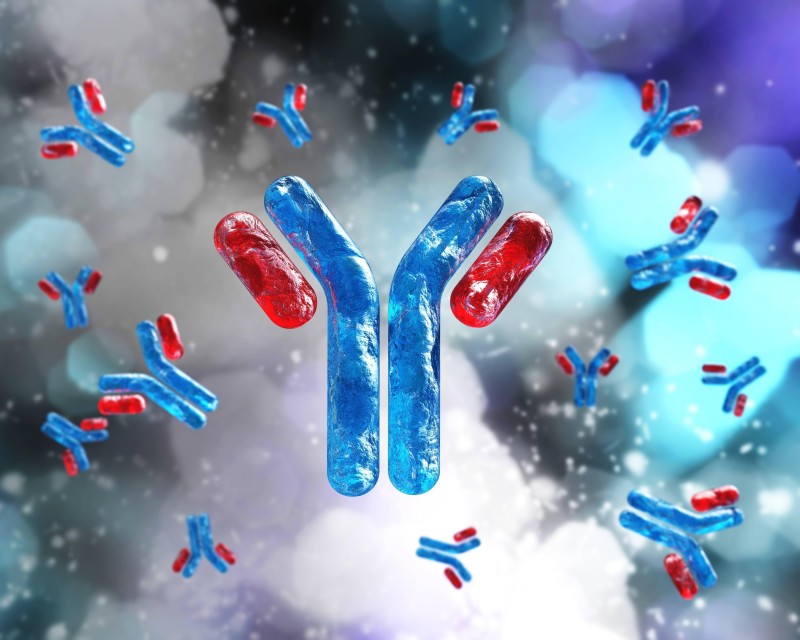
A Naïve Antibody Library is a collection of antibody genes derived from the primary B lymphocytes of donors, either human or animal, who have not been intentionally immunized against a specific target. Unlike immune libraries, which are biased toward a particular antigen through in vivo selection, naïve libraries represent the germline diversity of the humoral immune system.
The construction process involves the isolation of mRNA from B cells sourced from peripheral blood, bone marrow, the spleen, or tonsils. Through sophisticated PCR amplification of the variable region genes (VH and VL), these genetic sequences are captured and cloned into a display vector, most commonly a phagemid. When these genes are expressed, they are typically formatted as Single Chain Variable Fragments (scFv) or Fab fragments.
The theoretical underpinnings of these libraries rest on the sheer scale of diversity. Given that the natural world contains a staggering variety of potential antigens, a naïve library must be important, typically exceeding 109 unique clones, to ensure that it contains at least one member capable of binding a given target with moderate affinity. Historic benchmarks, demonstrated that by pooling the genetic material of dozens of healthy donors, we could achieve capacities exceeding 1011, creating a snapshot of the human immune potential.
The adoption of naïve antibody libraries offers several distinct advantages over traditional hybridoma technology and immune derived libraries:

The utility of naïve antibody libraries extends far beyond basic research:
Identifying high affinity binders for tumor associated antigens to develop Antibody Drug Conjugates (ADCs) or Chimeric Antigen Receptor (CAR) T cell therapies.
Rapidly isolating neutralizing antibodies against emerging viral pathogens, where time is of the essence and human safety is important.
Developing antagonistic antibodies against pro inflammatory cytokines or self reactive signaling molecules that are otherwise difficult to target via animal immunization.
Creating highly specific reagents for ELISA, Western blotting, and flow cytometry to detect biomarkers in complex biological fluids.
At Creative Biolabs, we have engineered a world class Phage Display Platform that serves as the engine for our naïve antibody library construction. The integrity of a library is defined by two metrics: diversity and functionality.
Our platform utilizes advanced molecular biology techniques to ensure that our libraries are not only large in size but also high in quality. We employ optimized primer sets to ensure coverage of all V gene families, minimizing the blind spots often found in smaller or poorly designed libraries. Our proprietary screening methodologies, including solution phase panning and selection based on cell, allow us to maintain the structural integrity of the antigens while isolating rare, high affinity clones from the background noise.
To support the global scientific community, Creative Biolabs offers an integrated suite of services designed to move projects from target identification to lead optimization:
We design and build custom libraries with diversities exceeding 1010, tailored to specific host species or scaffold preferences.
Utilizing high throughput strategies to identify specific binders with precision.
A comprehensive pipeline to isolate and characterize therapeutic grade mAbs.
Screening for short, bioactive peptides that can serve as agonists, antagonists, or targeting moieties.
Engineering antibodies with enhanced thermostability and resistance to aggregation for demanding applications.
Developing recycling antibodies that bind or release their targets in a pH dependent manner, optimized for endosomal escape or long circulating half lives.
Creative Biolabs remains committed to the cutting edge of antibody engineering. By combining the natural breadth of the naïve repertoire with our sophisticated phage display technologies, we empower researchers to overcome the traditional barriers of antibody discovery.
All listed services and products are For Research Use Only. Do Not use in any diagnostic or therapeutic applications.








