Creative Biolabs is offering the most comprehensive services for antibody development projects. With strict regulation and effective execution, we are dedicated to providing the most valuable solutions to complete your projects.
HighlightsCreative Biolabs is offering the most comprehensive services for antibody development projects. With strict regulation and effective execution, we are dedicated to providing the most valuable solutions to complete your projects.
HighlightsCreative Biolabs has established a broad range of platforms for developing novel antibodies or equivalents. These cutting-edge technologies enable our scientists to meet your demands from different aspects and tailor the most appropriate solution that contributes to the success of your projects.
HighlightsWith deep understanding in antibody-related realms and extensive project experience, Creative Biolabs offers a variety of references to help you learn more about our capacities and achievements, including infographic, flyer, case study, peer-reviewed publications, and all kinds of knowledge that can assist your projects. You are also welcome to contact us directly for more specific solutions.
HighlightsGet a real taste of Creative Biolabs, one of the most professional custom service providers in the world. We are committed to providing highly customized comprehensive solutions with the best quality to advance your projects.
Highlights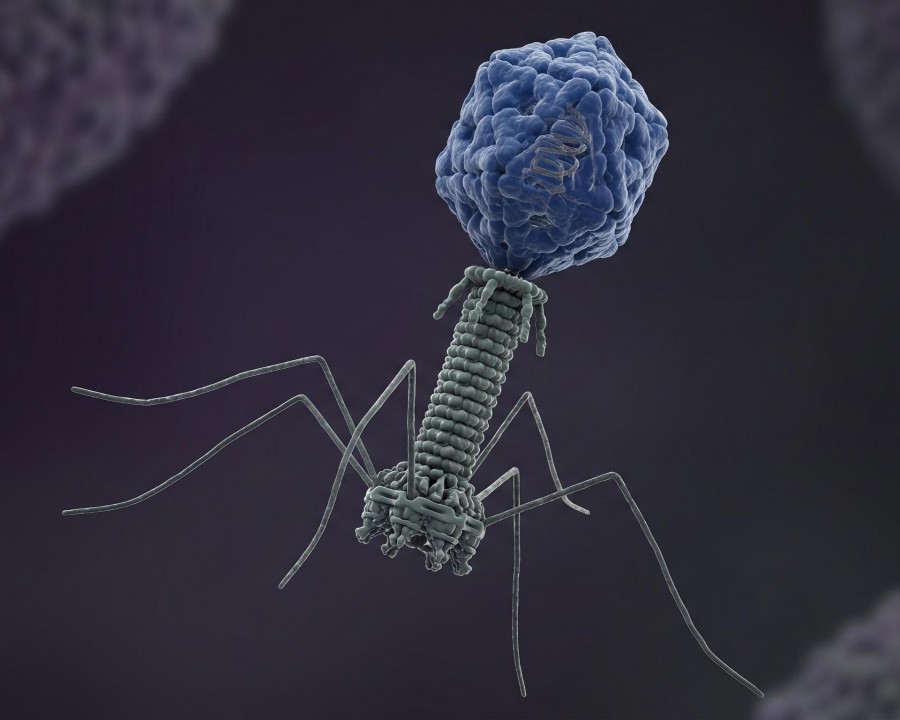
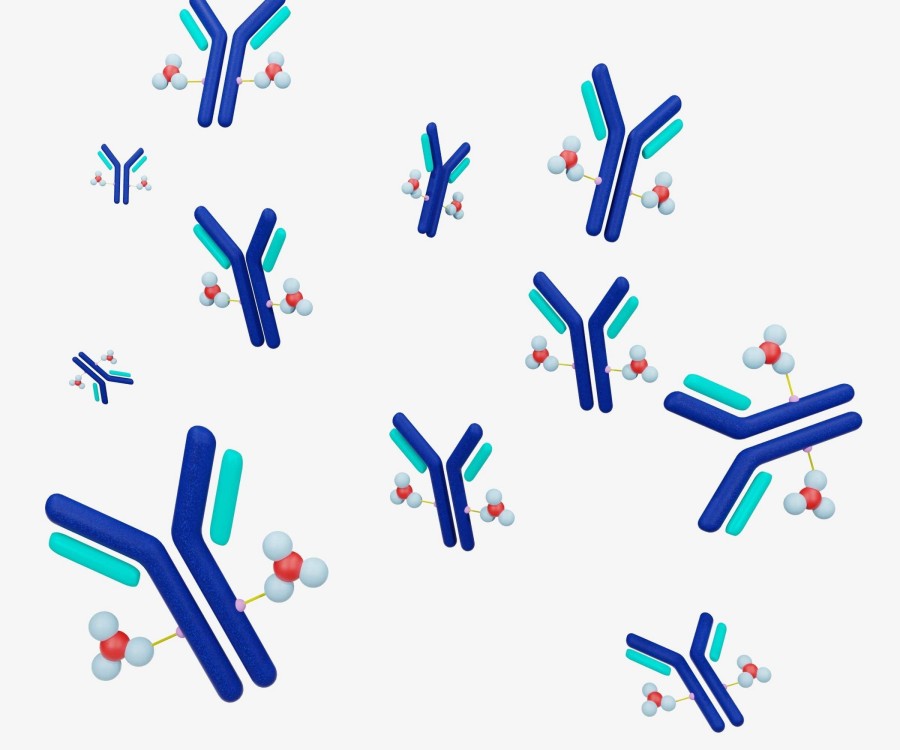
A semi-synthetic antibody library is a hybrid construct that merges naturally occurring scaffold sequences with synthetically randomized diversity. This approach typically utilizes not rearranged V genes from pre-B cells or defined germline antibody frameworks as the structural backbone. The core philosophy behind this design is to maintain the biophysical stability of human sequences while focusing diversity on the most critical areas for antigen recognition.
Table 1. Key Structural and Genetic Parameters of Semi-synthetic Antibody Repertoires.
| Feature | Description |
| Origin of Frameworks | Human germline V genes (e.g., VH, Vλ, Vκ) |
| Diversity Source | Synthetic oligonucleotides targeting CDR regions |
| Typical Format | Single chain variable fragments (scFv) or Fab fragments |
| Theoretical Size | Often exceeding 1010 unique variants |
The primary site of modification in these libraries is the Complementarity Determining Region 3 (CDR3) of the heavy chain (VH) and light chain (VL). In human immunology, CDR3 diversity is generated through the combinatorial joining of V, D, and J segments, making it the central determinant of binding specificity. To simulate this process in vitro, scientists employ oligonucleotide directed mutagenesis or polymerase chain reaction (PCR) to introduce random or semi random sequences into the CDR3 loops.
Key structural characteristics of these libraries include:
By utilizing a limited set of stable human germline frameworks, such as the VH3-23 or Vκ1 families, the resulting antibodies exhibit predictable folding patterns and high expression levels in microbial systems.
Diversity is often concentrated in the CDR3 loop, with some designs also incorporating synthetic variation in CDR1 and CDR2. The length of the synthetic CDR3 can be varied, typically ranging from 5 to 26 amino acids, to accommodate different epitope topologies.
Unlike natural repertoires, semi-synthetic libraries can be codon optimized for specific expression hosts like Escherichia coli, ensuring that the genetic diversity translates efficiently into functional protein diversity.
The transition toward semi-synthetic platforms is driven by the need to overcome the inherent limitations of natural and immune libraries. By controlling the composition of the repertoire at the molecular level, researchers can bypass the biological filters imposed by the host immune system.
Natural libraries are shaped by the history of the donor, while immune libraries are restricted by the mechanisms of immune tolerance. Semi-synthetic libraries are unbiased, allowing for the isolation of high affinity binders against self-antigens, highly conserved proteins, and toxic molecules that would otherwise fail to elicit a response in vivo.
Because the frameworks are selected for their stability and solubility, the leads identified from these libraries often require less downstream optimization. This reduces the risk of aggregation and improves the shelf life of the final therapeutic product.
The use of trinucleotide phosphoramidite synthesis allows for the exclusion of stop codons and undesired amino acids (such as unpaired cysteines or glycosylation sites) during the library construction phase. This results in a higher proportion of functional, "developable" clones compared to random mutagenesis.
The entire discovery process is conducted in vitro, which not only adheres to ethical standards but also removes the variability associated with animal cohorts and the lengthy timelines of immunization schedules.
The versatility of semi-synthetic repertoires makes them indispensable tools across various domains of biomedical research. Their ability to provide human derived sequences with tailored binding characteristics facilitates the rapid development of next generation biologics.


At Creative Biolabs, we have established a sophisticated Phage Display Platform specifically designed to handle the complexities of semi-synthetic library construction and screening. This platform serves as a high throughput engine, converting massive genetic diversity into tangible lead candidates.
The integrity of our platform is built upon precise molecular biology and rigorous quality control. We utilize advanced oligonucleotide synthesis techniques to ensure that the distribution of amino acids in the CDRs matches the desired design parameters. Our selection strategies include both solid phase and solution phase panning, allowing us to maintain the native conformation of the antigen throughout the process.
Creative Biolabs provides a suite of services to support global research initiatives. Our expertise spans the entire lifecycle of a project, from initial library design to the characterization of optimized leads.
Core Construction and Screening Services
We offer a specialized Phage Display based Binder Discovery service that integrates several key modules:
Building massive, high quality repertoires from unimmunized donors across multiple species.
Utilizing high stringency selection protocols to isolate rare clones with specific binding profiles.
A complete pipeline for identifying therapeutic grade mAbs with optimal pharmacological properties.
To address more demanding technical challenges, we provide advanced engineering solutions:
Identifying short, bioactive peptides for use as agonists, antagonists, or targeting ligands.
Engineering scaffolds with superior thermal and chemical stability for use in harsh environments.
Developing "recycling" antibodies that exhibit differential binding affinity based on pH, optimizing their half life and intracellular trafficking.
Phage display screening performed under pressure for cellular internalization can yield antibodies that trigger receptor-mediated entry, enabling precise intracellular transport of payloads.
All listed services and products are For Research Use Only. Do Not use in any diagnostic or therapeutic applications.