A comprehensive catalog of pre-formulated delivery systems (including liposomes, exosomes, LNPs, and polymeric nanoparticles) and a selection of validated targeted modules (aptamers, peptides, functionalized lipids, targeted polymers, and responsive materials) ready for your research and development needs.
Aptamer-Delivery System Conjugation Service for Active Targeting
Aptamer-Based Conjugation Application What We Can Offer? Workflow Our Advantages Published Data FAQs
Are you currently facing challenges with drug development cycles, inefficient targeting, or significant off-target effects that compromise therapeutic efficacy? At Creative Biolabs, our Aptamer-Delivery System Conjugation Services help you accelerate drug discovery and enhance therapeutic outcomes. We achieve this by creating highly specific, aptamer-functionalized delivery systems that precisely transport therapeutic agents to their intended targets, minimizing side effects and unlocking new possibilities for disease treatment.
Antibody-Based Conjugation Solution
Our conjugation solutions are built upon a foundation of deep expertise in molecular biology and materials science. We specialize in linking various targeting ligands, including aptamers and peptides, to different delivery systems to ensure optimal stability and functionality. We utilize a variety of methods for this, including covalent conjugation, where ligands are chemically bonded to the surface of delivery platforms, and physical interactions, which rely on high-affinity non-covalent binding. Our capabilities extend to functionalizing a broad range of delivery systems, such as:
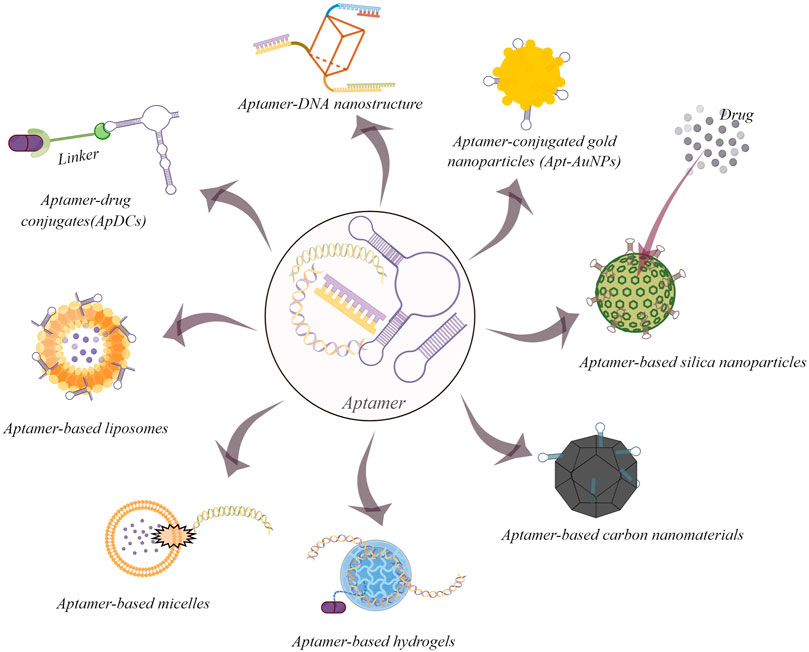 Fig.1 Some common examples of aptamer-based drug delivery systems for cancer therapy.1,4
- Lipid Nanoparticles (LNPs)
These are a highly versatile platform, particularly effective for encapsulating and delivering nucleic acids like mRNA and siRNA. We conjugate aptamers to the LNP surface using lipid-anchoring or click chemistry, which guides the LNP payload to specific cells, significantly enhancing targeted delivery for gene therapy or vaccine applications.
- Exosomes
As naturally occurring extracellular vesicles, exosomes offer superior biocompatibility and a unique ability to cross biological barriers. We can conjugate aptamers to the exosome membrane through passive insertion of lipid-modified aptamers or via specific exosome surface proteins. This aptamer-guided exosome then delivers its therapeutic cargo directly to target cells, leveraging the exosome's natural ability to communicate with cells.
- Polymeric Carriers
These synthetic systems can be precisely engineered to control the size, shape, and surface properties of nanoparticles. We can incorporate aptamers into these carriers through various methods, such as covalent bonding to the polymer chains or surface modification. This allows for the creation of smart, responsive nanoparticles that release their drug payload upon reaching the specific aptamer-identified target, providing a dual-targeting mechanism.
- Liposomes
One of the most established delivery systems, liposomes are spherical lipid vesicles that can effectively encapsulate both hydrophilic and hydrophobic drug molecules. We attach aptamers to the liposome surface using cholesterol anchors or other linker molecules. This conjugation provides active targeting capabilities to the otherwise passive liposome, directing it to specific cell types and greatly improving its therapeutic index by concentrating the drug at the site of disease.
Each conjugation strategy is meticulously optimized to maintain the ligand's binding affinity and the delivery system's integrity, ensuring maximum efficacy in your target application.
Application
The applications of aptamer-delivery system conjugation are vast and rapidly expanding, with significant potential in precision medicine.
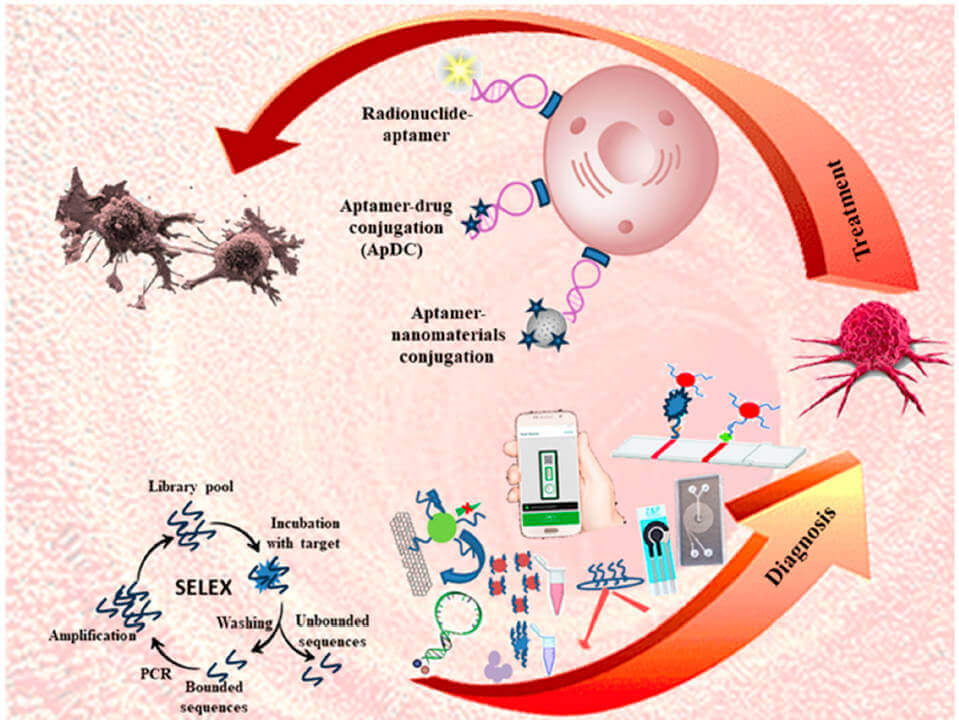 Fig.2 Application of aptamer as a therapeutic and diagnosis agent for tumors.2,4
- Cancer Therapy: Aptamers can be designed to target specific markers overexpressed on tumor cells, enabling the precise delivery of chemotherapy agents. This approach reduces systemic toxicity and enhances the drug's therapeutic index, as seen with aptamers conjugated to nanoparticles carrying drugs like paclitaxel to specifically target cancer cells while sparing healthy ones.
- Gene Therapy: This technology is transforming gene therapy by allowing for the targeted delivery of genetic materials like siRNA or plasmids to specific cell types. Aptamer-mediated delivery ensures unparalleled accuracy in modulating gene expression for therapeutic purposes.
- Treatment of Other Diseases: Beyond oncology, aptamer-based delivery holds promise for treating a wide array of diseases, including neurological disorders, infectious diseases, and inflammatory conditions, by enabling a highly localized and potent therapeutic effect.
Contact Us About Bioconjugation Services
What We Can Offer?
Creative Biolabs occupies an unrivaled vanguard position in precision therapeutic conveyance advancement. Our team of expert biologists, chemists, and engineers brings over two decades of collective experience in developing sophisticated delivery solutions. We offer a comprehensive suite of products and services tailored to your specific needs:
Ready-to-Use Products
Customized Services
Our bespoke service allows us to develop tailored delivery systems and novel targeted modules from concept to validation, precisely meeting your project's unique specifications. This includes custom aptamer, peptide, or polymer synthesis and conjugation, as well as optimization of delivery system characteristics for specific disease contexts.
Conjugation Services
Expertise in conjugating selected ligands to various delivery platforms, including nanoparticles, liposomes, and polymers.
Pre-Clinical Validation
In vitro and in vivo testing to assess targeting efficiency, cellular uptake, biodistribution, and therapeutic efficacy.
Comprehensive Scientific Support
Partner with us to leverage our deep scientific knowledge, state-of-the-art facilities, and rigorous quality control for your targeted delivery projects, from experimental design to data analysis.
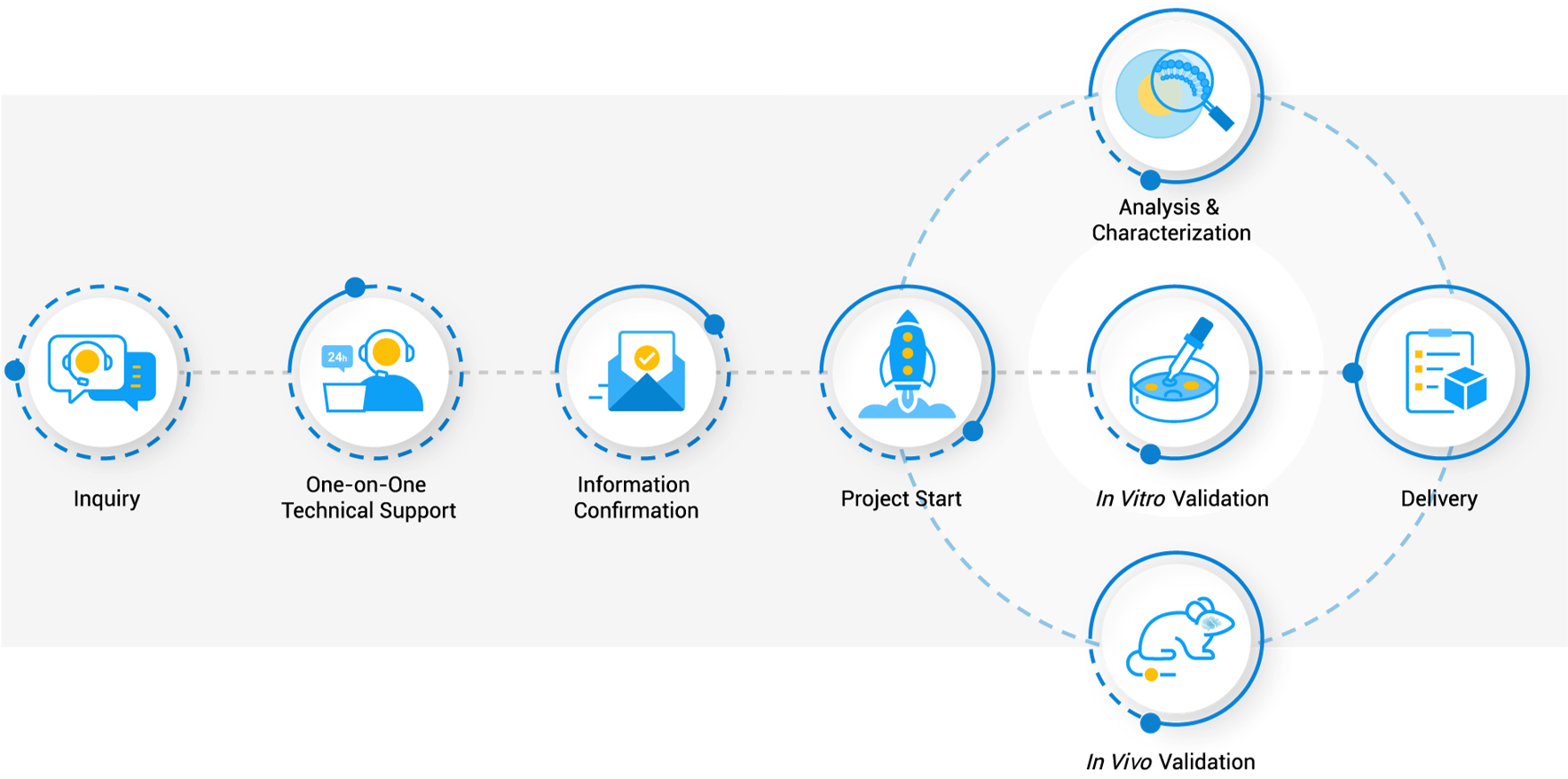
Workflow
Why Choose Us?
Electing Creative Biolabs establishes a synergistic alliance with an expert collective devoted to groundbreaking discovery and academic distinction. Our decades of experience and commitment to quality ensure that your projects are in the hands of seasoned experts.
Demonstrated Proficiency
Our specialized cohort of biologists, chemists, and engineers commands profound technical mastery in engineering therapeutic carriers and developing homing elements. We possess exhaustive comprehension of peptide fabrication intricacies and their biochemical conjugation.
Advanced Methodologies
We deploy advanced technological frameworks to synthesize, conjugate, and characterize peptides. Our protocols integrate refined methodologies including pyridyl disulfide chemistry and anhydride ring-opening to ensure reproducible and anticipated outcomes.
Bespoke Adaptation & Versatility
We recognize the distinctive requirements of every initiative. We provide custom oligonucleotide fabrication and delivery system performance optimization aligned with exact therapeutic endpoints and defined cellular targets.
Exacting Standards Assurance
Our commitment to uncompromising scientific rigor guarantees premium-grade outputs across all offerings. We implement advanced characterization methods, such as Gel Permeation Chromatography (GPC), to validate consistent and reliable results for pivotal endeavors.
Published Data
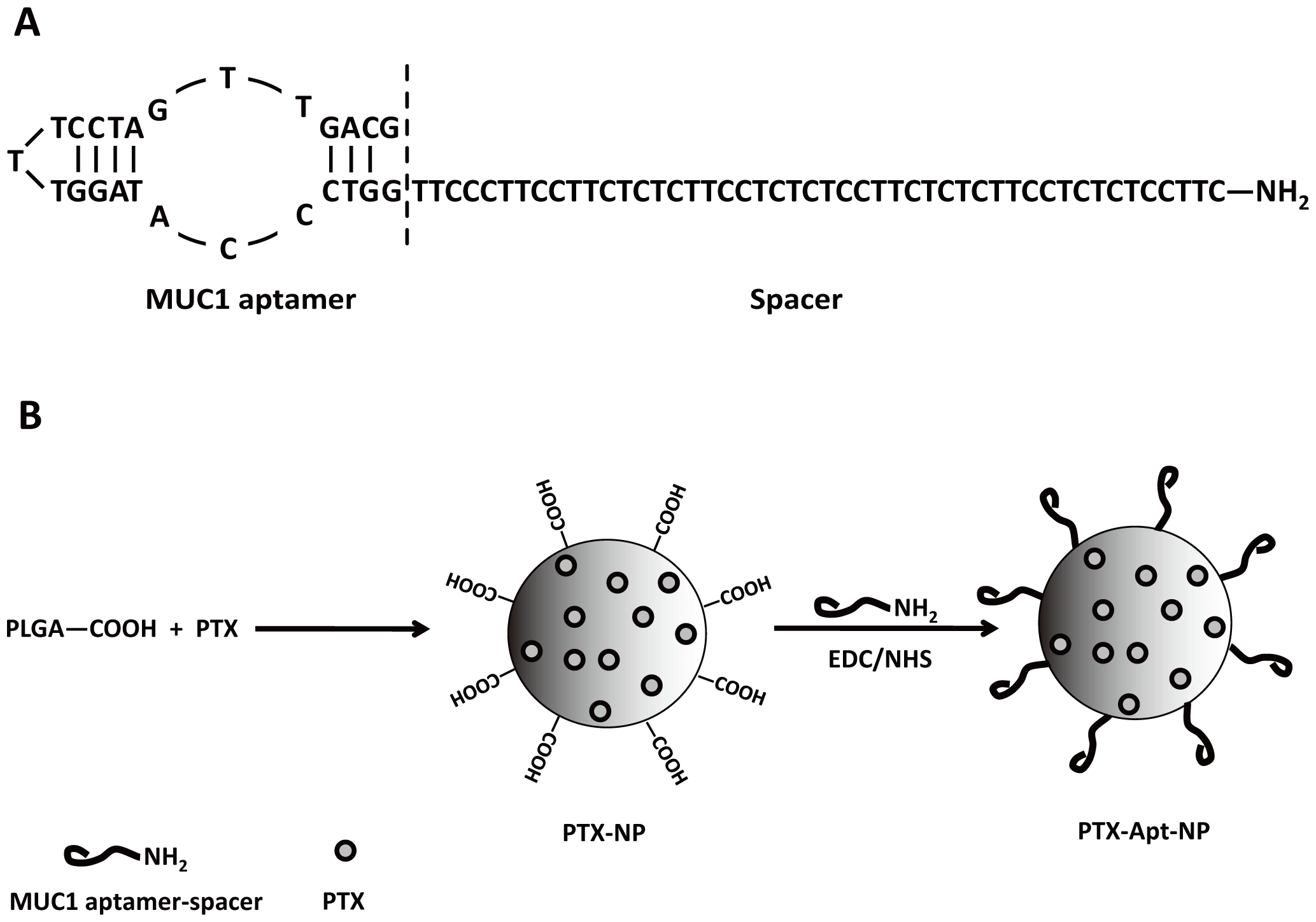 Fig.3 Construction of the S2.2-spacer aptamer and PTX-Apt-NPs.3,4
In a study focused on targeted anticancer drug delivery, researchers developed a novel aptamer-nanoparticle bioconjugate system. The experiment involved creating paclitaxel (PTX)-loaded poly (lactic-co-glycolic-acid) (PLGA) nanoparticles. To achieve specific targeting, a MUC1 protein aptamer (S2.2), known to bind to a protein overexpressed in many adenocarcinomas, was conjugated to the surface of these nanoparticles via a DNA spacer. In vitro experiments were then conducted using MCF-7 breast cancer cells, a model known for overexpressing the MUC1 protein. The results showed a significant increase in nanoparticle uptake into the target cells when the MUC1 aptamer was present, demonstrating the aptamer's ability to enhance targeted delivery. This increased uptake led to enhanced cytotoxicity of the paclitaxel drug within the cancer cells compared to non-targeted nanoparticles. The study concluded that aptamer-conjugated nanoparticles offer a promising strategy for targeted drug delivery, with potential applications for various MUC1-overexpressing tumors such as pancreatic, prostate, and ovarian cancers. This work highlights the critical role of aptamers in improving both the delivery efficiency and therapeutic effectiveness of encapsulated drugs.
FAQs
Q: How do targeted delivery systems improve therapeutic outcomes compared to traditional methods?
A: Traditional therapies can distribute a drug throughout the body, which can lead to significant side effects and reduce the amount of drug reaching the intended target. Targeted delivery systems, on the other hand, are engineered to specifically recognize and accumulate in diseased tissues. This increases the concentration of the therapeutic agent where it is needed most, leading to enhanced efficacy and a reduction in unwanted side effects.
Q: Can these delivery systems be customized for my specific biological target?
A: Yes, the beauty of this technology lies in its customizability. The targeting modules can be designed to bind to a wide range of biological markers, from cell surface proteins to specific receptors. This allows for the creation of a delivery system that is highly specific to your unique research or therapeutic needs, ensuring your payload is delivered with precision.
Q: What is the typical process for developing a custom-targeted delivery system?
A: The process generally begins with identifying the molecular target and selecting or designing an appropriate targeting ligand. This is followed by synthesizing the delivery system and conjugating the targeting ligand to it. The final steps involve a series of rigorous in vitro and in vivo tests to validate the system's targeting efficiency, stability, and therapeutic efficacy.
Q: Are there any concerns regarding the safety and immunogenicity of these systems?
A: The materials used, such as aptamers and many delivery systems like lipid nanoparticles, are generally considered to have low immunogenicity and are biocompatible. However, extensive testing is always performed to ensure the safety and tolerability of the final conjugate. Each system is thoroughly characterized to minimize any potential adverse effects.
Q: How do aptamers compare to antibodies as targeting agents?
A: Aptamers are often referred to as "chemical antibodies" because they perform a similar function. However, they offer several unique advantages, including their smaller size, which allows for better tissue penetration, and their higher chemical stability. They are also less likely to provoke an immune response and are easier to synthesize and modify for specific applications.
Creative Biolabs' Aptamer-Delivery System Conjugation Services offer an unparalleled solution for advanced drug delivery. We provide a comprehensive catalog of ready-to-use products and flexible, customized services, all backed by over two decades of expertise in developing targeted therapeutics. By leveraging our state-of-the-art technology and rigorous quality control, we help you overcome the limitations of traditional drug delivery, enhancing therapeutic efficacy and accelerating your path to groundbreaking discoveries.
Connect with our experts for project-specific consultation and detailed insights.
References
- Gao, Fei et al. "Recent advances in aptamer-based targeted drug delivery systems for cancer therapy." Frontiers in bioengineering and biotechnology vol. 10 972933. 16 Aug. 2022, DOI:10.3389/fbioe.2022.972933.
- Mohammadinejad, Arash et al. "Aptamer-Based Targeting of Cancer: A Powerful Tool for Diagnostic and Therapeutic Aims." Biosensors vol. 14,2 78. 31 Jan. 2024, DOI:10.3390/bios14020078.
- Yu, Chenchen et al. "Novel aptamer-nanoparticle bioconjugates enhances delivery of anticancer drug to MUC1-positive cancer cells in vitro." PloS one vol. 6,9 (2011): e24077. DOI: 10.1371/journal.pone.0024077.
- Distributed under Open Access license CC BY 4.0, without modification.
Our services are For Research Use Only. We do not provide services to individuals.
Online Inquiry