
A comprehensive catalog of pre-formulated Module Delivery Systems (liposomes, exosomes, LNPs, polymeric nanoparticles) and a selection of validated Targeted Modules (aptamers, peptides, functionalized lipids, targeted polymers, responsive materials), ready for your research and development needs.
Degrader-Antibody Conjugate (DAC) Development Service
Overview Solution Application What We Can Offer? Workflow Our Advantages Published Data FAQs
Are you currently facing challenges with systemic toxicity, off-target effects, or the inability to target traditionally "undruggable" proteins? Creative Biolabs' Degrader-Antibody Conjugates help you achieve unprecedented therapeutic precision and enhanced efficacy by directing potent degraders to specific cell types, unlocking new possibilities for disease treatment through our innovative conjugation platforms and comprehensive scientific support.
Degrader-Antibody Conjugates (DAC)
Targeted Protein Degradation (TPD) has emerged as a groundbreaking modality in drug discovery. Unlike traditional small-molecule inhibitors that simply block a protein's function, TPD leverages the cell's own natural protein degradation machinery, the ubiquitin-proteasome system (UPS), to completely eliminate disease-causing proteins. This catalytic mechanism makes degraders highly potent and capable of targeting proteins previously considered "undruggable." Degrader-Antibody Conjugates (DACs) represent the pinnacle of this technology, combining a highly specific antibody, which acts as a precision delivery vehicle, with a potent degrader payload. The antibody directs the DAC to a specific cell type, such as a cancer cell, where it is internalized. Once inside the cell, a carefully designed linker is cleaved, releasing the degrader to execute its function. This approach dramatically enhances the selectivity and therapeutic window of degraders, reducing systemic toxicity and opening up new treatment avenues for a variety of diseases driven by specific target proteins and signaling pathways.
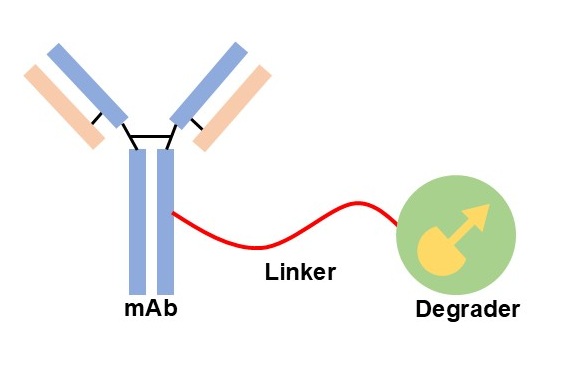 Fig.1 Degrader-Antibody Conjugates Structure. (Creative Biolabs Original)
Our Degrader-Antibody Conjugates (DAC) Solution
Creative Biolabs' DAC platform offers a versatile and customizable solution for targeted protein degradation. Our DACs are not a one-size-fits-all product; we specialize in creating tailored solutions that meet the specific needs of your project. We can design and synthesize a variety of DACs, including:
- Custom Antibody Selection: We can work with your proprietary antibody or assist in selecting a suitable, commercially available antibody that specifically targets a unique cell-surface protein or receptor, ensuring delivery only to the desired cells.
- Degrader Payload Design: Our chemists are experts at designing and synthesizing potent degraders, including molecular glues, to target your protein of interest.
- Linker Chemistry: The linker connecting the antibody and the degrader is a critical component of a successful DAC. We employ diverse and innovative linker technologies that ensure stability in the bloodstream and precise cleavage only after cellular internalization, thus activating the degrader in the right place at the right time.
- Conjugation Technology: We utilize advanced conjugation techniques that ensure a homogeneous drug-to-antibody ratio (DAR) and maintain the integrity and function of both the antibody and the degrader.
Application
Degrader-Antibody Conjugates are poised to revolutionize the treatment of numerous diseases by enabling highly selective and potent therapeutic interventions. Their applications are particularly promising in fields where precise delivery is critical to therapeutic success.
- Oncology: DACs can be designed to specifically target cancer cells, leading to the degradation of oncogenic proteins while sparing healthy cells. This offers a powerful new strategy for treating solid tumors and hematological malignancies, potentially overcoming drug resistance and reducing chemotherapy side effects.
- Immunology: By targeting specific immune cells, DACs can be used to modulate immune responses. For example, they could be used to deplete specific B-cell or T-cell populations in autoimmune diseases.
- Neurodegenerative Diseases: For diseases like Alzheimer's or Parkinson's, DACs could be designed to cross the blood-brain barrier and target misfolded proteins within neurons, offering a novel approach to clearing toxic protein aggregates.
Contact Us About Bioconjugation Services
What We Can Offer?
Creative Biolabs occupies a pioneering nexus in precision therapeutic conveyance advancement. Our team of expert biologists, chemists, and engineers brings over two decades of collective experience in developing sophisticated delivery solutions. We offer a robust suite of products and services designed to empower your research and accelerate your project timelines.
Ready-to-Use Products
Customized Services
Our bespoke service allows us to develop tailored delivery systems and novel targeted modules from concept to validation, precisely meeting your project's unique specifications. This includes custom aptamer, peptide, or polymer synthesis and conjugation, as well as optimization of delivery system characteristics for specific macrophage subsets or disease contexts.
Conjugation Services
Expertise in conjugating selected ligands to various delivery platforms (nanoparticles, liposomes, polymers, etc.).
Pre-Clinical Validation
In vitro and in vivo testing to assess targeting efficiency, cellular uptake, biodistribution, and therapeutic efficacy.
Comprehensive Scientific Support
Partner with us to leverage our deep scientific knowledge, state-of-the-art facilities, and rigorous quality control for your targeted delivery projects, from experimental design to data analysis.
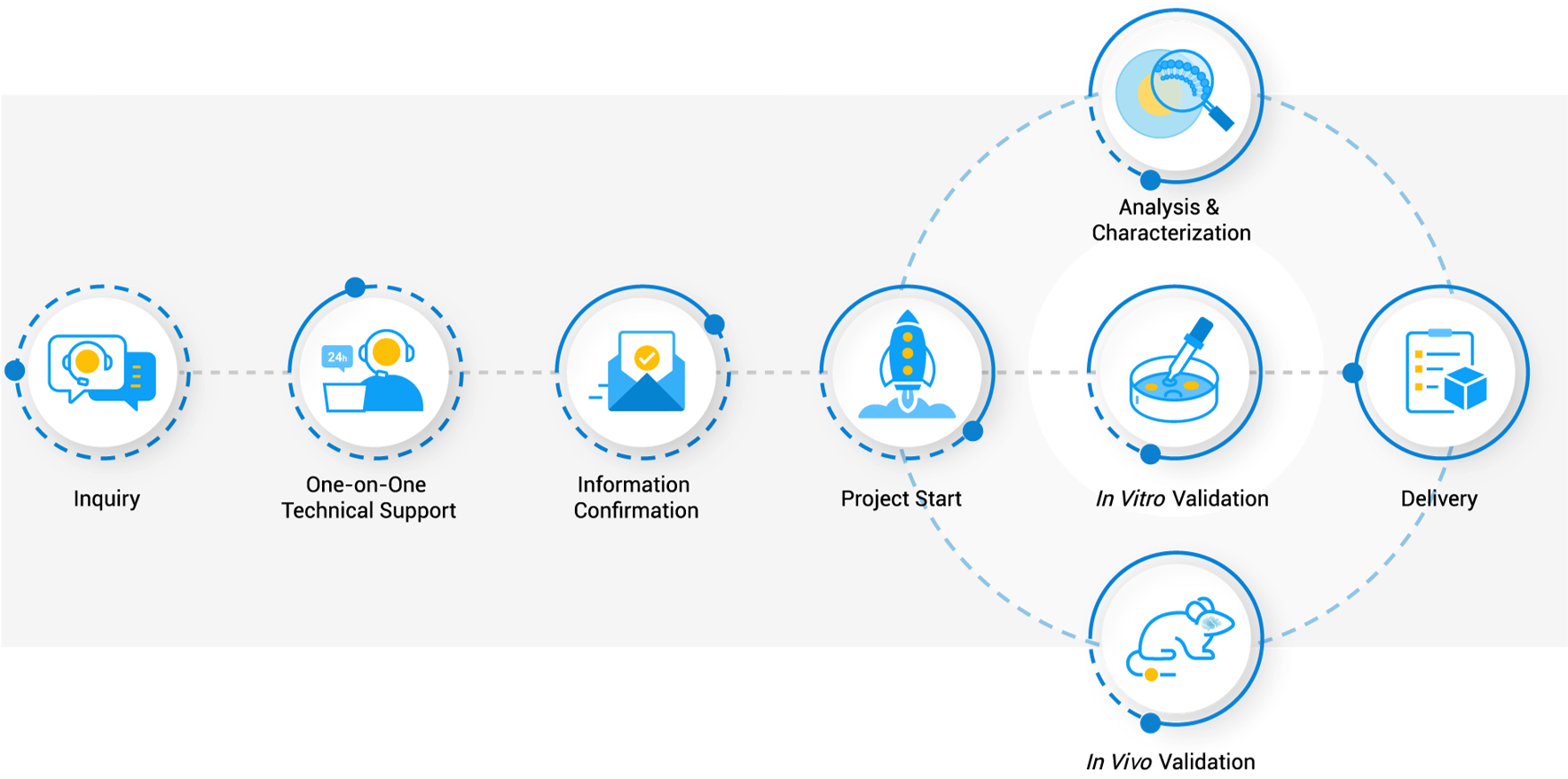
Workflow
Why Choose Us?
Choosing Creative Biolabs means choosing a path to accelerated drug development, enhanced therapeutic efficacy, and a significant reduction in off-target effects. Our commitment to innovation and scientific excellence ensures that your therapeutic agents reach their intended targets with unprecedented precision, unlocking new possibilities for disease treatment. We have a proven track record of helping our partners succeed in their research and development goals.
Proven Expertise
Our team of highly specialized biologists, chemists, and engineers possesses deep scientific knowledge in drug delivery systems and targeting module development.
Innovative Technology
We leverage state-of-the-art platforms for module synthesis, conjugation, and characterization. Our proprietary linker chemistry and conjugation methods ensure high homogeneity and stability of the final DAC molecules.
Tailored Customization & Flexibility
We provide bespoke aptamer/peptide design and delivery system optimization tailored to your therapeutic goals and macrophage targeting needs.
Rigorous Quality & Reliability
Our commitment to scientific rigor ensures reliable, reproducible, and high-quality results for your critical projects, a commitment supported by Published Data from our collaborations.
Published Data
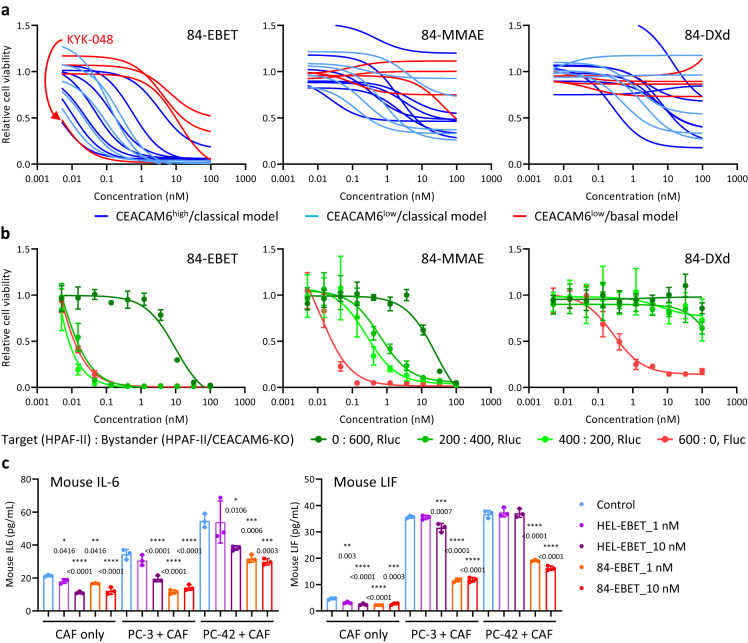 Fig.2 84-EBET efficiently kills various PDAC organoids and modulates CAF activity via the bystander effect.1,3
A recent study focused on addressing the therapeutic challenges of pancreatic ductal adenocarcinoma (PDAC) by developing a novel antibody-drug conjugate (ADC), 84-EBET, that utilizes a potent BET protein degrader. The researchers first employed an advanced organoid culture system to screen for an effective payload, successfully identifying the highly potent BET degrader, EBET-1055. This degrader was then conjugated to an antibody targeting the CEACAM6/CD66c protein, which is overexpressed on PDAC cells.
In preclinical animal models, the resulting 84-EBET ADC demonstrated remarkable efficacy. A single dose of the ADC led to significant tumor regression without any major systemic side effects. A crucial finding of the study was the "bystander effect," where the ADC effectively killed not only the CEACAM6-positive cancer cells but also surrounding CEACAM6-negative cells and associated fibroblasts, a key mechanism for overcoming tumor heterogeneity. The study also highlighted the potential for combination therapy, as administering 84-EBET alongside standard chemotherapy or an anti-PD-1 antibody led to more profound and durable tumor regression without increasing toxicity. These findings provide compelling evidence for the potential of targeted protein degradation via ADC platforms as a superior therapeutic strategy for difficult-to-treat cancers like PDAC.
FAQs
Q: How do Degrader-Antibody Conjugates (DACs) differ from Antibody-Drug Conjugates (ADCs)?
A: ADCs deliver a cytotoxic warhead to a target cell to induce cell death. DACs, in contrast, deliver a degrader that co-opts the cell's own protein degradation machinery to catalytically destroy a specific intracellular protein. This leads to a distinct mechanism of action and can be used to target a wider range of proteins.
Q: Can DACs target proteins that are difficult to access with traditional small molecules?
A: Yes. A key advantage of the DAC approach is that the antibody component delivers the payload directly into the cell, bypassing the need for the small molecule to passively diffuse across the cell membrane. This enables the targeting of proteins that may not be readily accessible to traditional small-molecule degraders.
Q: What are the main challenges in developing a successful DAC?
A: The main challenges include ensuring the stability of the DAC in circulation, designing a linker that is stable until it reaches the target cell but is efficiently cleaved upon internalization, and optimizing the degrader payload for potency and selectivity. These are complex, multi-faceted issues that require specialized expertise.
Q: How can I ensure my antibody is suitable for DAC conjugation?
A: The suitability of an antibody depends on its stability, specificity for the target, and its ability to be internalized by the cell. It's crucial to perform initial characterization of the antibody to confirm these properties. We can assist you with this assessment and help you select the most appropriate antibody for your project.
Q: What types of diseases can be treated with DACs?
A: DACs are a highly versatile therapeutic modality. They are particularly well-suited for diseases where there is a clear cell-surface biomarker and an intracellular disease-causing protein. Promising applications are in oncology, autoimmune diseases, and certain neurodegenerative disorders.
Creative Biolabs is your trusted partner in the development of next-generation therapeutics. Our comprehensive DAC platform, from custom degrader design to pre-clinical validation, empowers you to create highly selective and potent drugs. We are committed to providing the innovative technologies and scientific expertise you need to succeed.
Connect with our experts for project-specific consultation and detailed insights.
Reference
- Nakazawa, Youya et al. "Delivery of a BET protein degrader via a CEACAM6-targeted antibody-drug conjugate inhibits tumour growth in pancreatic cancer models." Nature communications vol. 15,1 2192. 11 Mar. 2024, Distributed under Open Access license CC BY 4.0, without modification. https://doi.org/10.1038/s41467-024-46167-1
Our services are For Research Use Only. We do not provide services to individuals.
Online Inquiry