
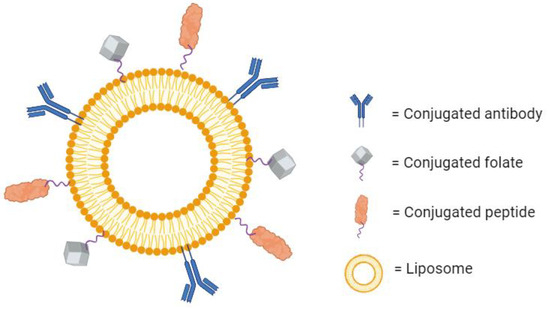
 Fig.2 A liposome with several conjugated molecules for active targeting.1,4
A comprehensive catalog of pre-formulated Module Delivery Systems (liposomes, exosomes, LNPs, polymeric nanoparticles) and a selection of validated Targeted Modules (aptamers, peptides, functionalized lipids, targeted polymers, responsive materials), ready for your research and development needs.
Lipid based Conjugation Service
Lipid-Based Conjugation Service Application What We Can Offer? Workflow Our Advantages Published Data FAQs
Are you currently facing challenges with drug stability, off-target effects, or inefficient cellular uptake in your biopharmaceutical projects? Our Lipid-Delivery System Conjugation Services at Creative Biolabs help you overcome these hurdles, enhancing therapeutic efficacy and precision through advanced lipid engineering and conjugation techniques.
Lipid-Based Conjugation
Targeted liposomal drug delivery is a sophisticated method of drug administration that enhances the therapeutic effect by directing the drug to specific sites in the body. This approach minimizes drug exposure to healthy tissues while maximizing its concentration at the disease site. The article highlights several key types of this technology:
Passive Targeting Active Targeting pH-Sensitive Liposomes Temperature-Sensitive Liposomes
This method leverages the natural physiology of the body. A prime example is the Enhanced Permeation and Retention (EPR) effect, which allows liposomes to accumulate in tumors due to their leaky blood vessels and impaired lymphatic drainage.
- Enhanced Permeation and Retention Effect
The EPR effect leverages a tumor's leaky blood vessels and poor lymphatic drainage. This allows liposomes to passively accumulate in the tumor tissue, where they are retained for a prolonged period.
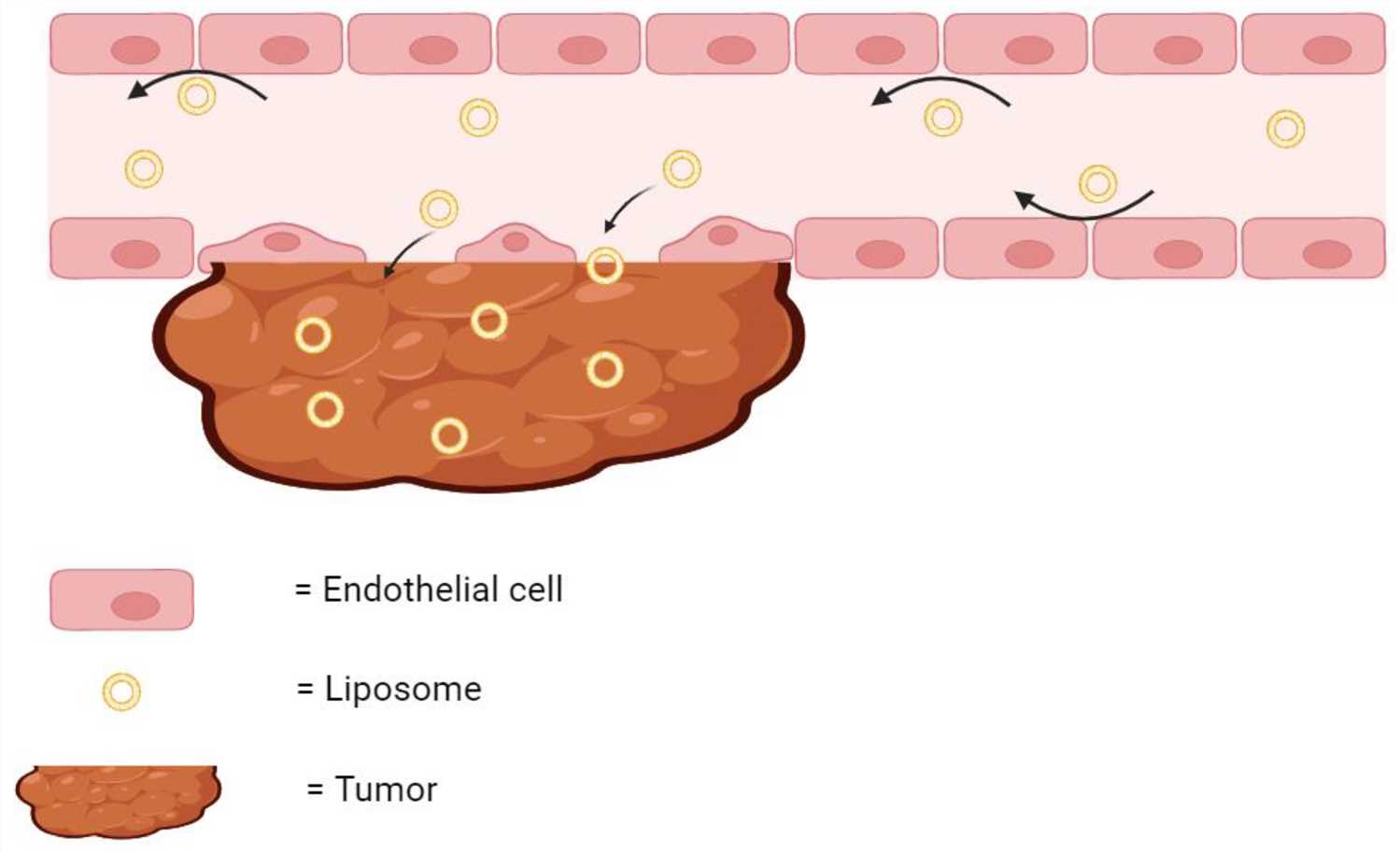 Fig.1 The EPR effect.1,4
- Liposomes Conjugated with Polyethylene Glycol
To extend circulation time and enhance passive targeting, liposomes are often coated with polyethylene glycol (PEG) in a process called PEGylation. This creates a "stealth" effect, preventing them from being cleared by the immune system and allowing more time to accumulate in target tissue via the EPR effect.
Our Lipid-Based Conjugation Service
Lipid-based conjugation is a sophisticated chemical process involving the covalent attachment of a molecule of interest—a therapeutic agent, targeting ligand, or diagnostic probe—to a lipid or lipid-based delivery system. This strategy is pivotal for enhancing drug candidate functionality and therapeutic profiles. The amphiphilic nature of lipids, with both hydrophilic and hydrophobic regions, makes them ideal scaffolds for diverse conjugation chemistries.
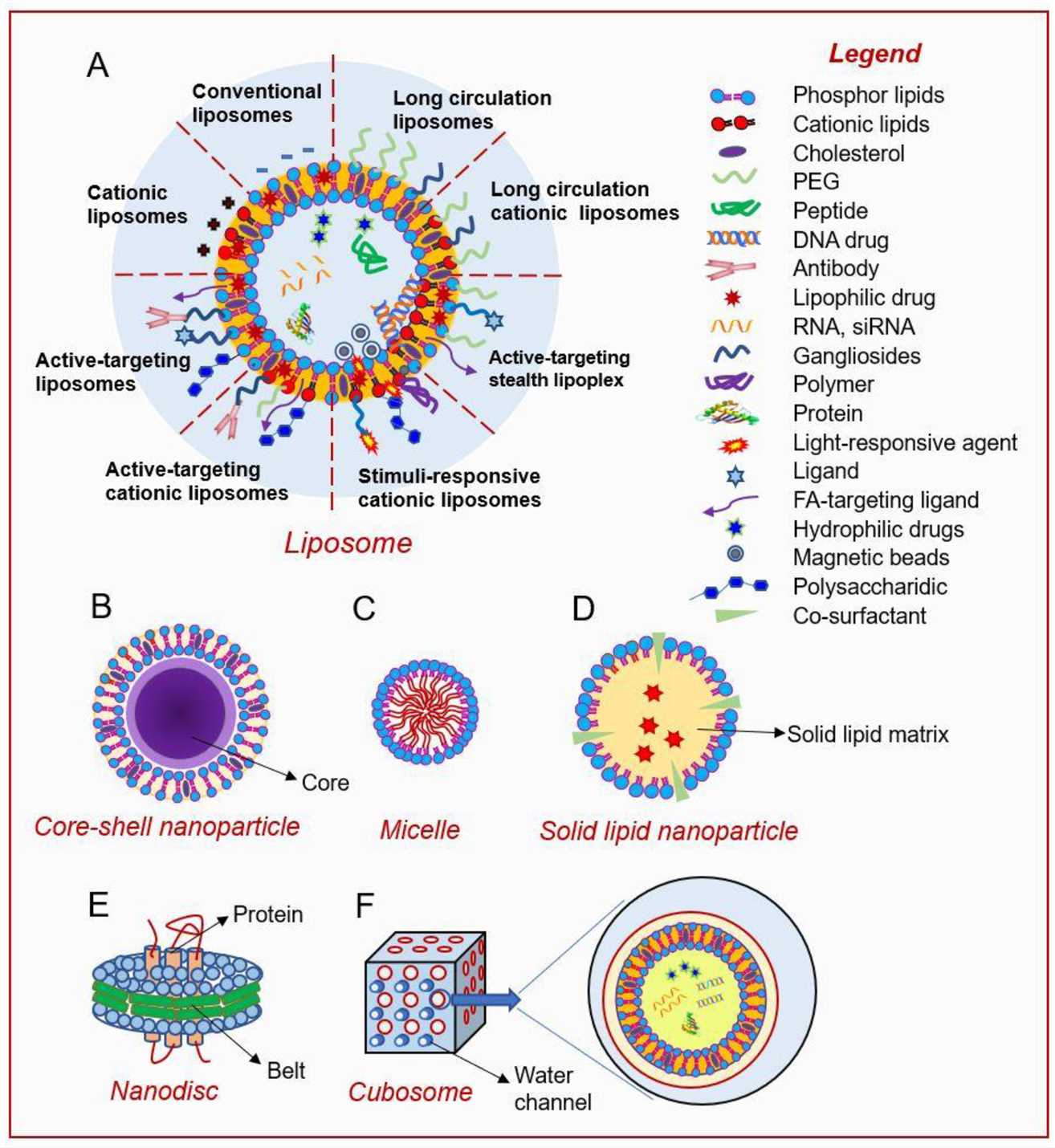 Fig.3 Lipid-based nanoplatforms for drug delivery.2,4
Our solutions encompass various conjugation strategies tailored to the specific properties of both the lipid system and the payload. For instance, functionalized lipids can be incorporated into the lipid bilayer of liposomes or nanoparticles during formation, allowing for subsequent ligand attachment. Common lipid-based drug delivery nanoplatforms include:
- Liposomes: Spherical lipid vesicles with an aqueous core and phospholipid bilayer, encapsulating both hydrophilic and hydrophobic drugs. This includes stealth liposomes (Long-Circulating Liposomes, LCLs), engineered for enhanced stability and extended circulation.
- Lipid Micelles: Small vesicles (2-80 nm) with a hydrophobic core and hydrophilic shell, ideal for solubilizing poorly water-soluble drugs.
- Nanodiscs: Disc-shaped nanoparticles comprising a lipid membrane and a polymer or peptide belt, useful for delivering membrane proteins, lipophilic drugs, or protein-drug combinations.
- Nanoemulsions: Kinetically stable liquid-in-liquid dispersions (50-500 nm) with a high surface area.
- Solid Lipid Nanoparticles (SLNs): Nanoparticles (50-1000 nm) with a solid lipid core providing stability and controlled drug release.
- Nano-Cubosomes: Formed from a lipid phase, featuring a unique architecture with a continuous lipid bilayer and curved water channels, enabling encapsulation of various drugs.
Application
Lipid-delivery system conjugation offers broad therapeutic and diagnostic utility, fundamentally reshaping drug delivery and disease treatment. These advanced systems lead precision medicine, enabling highly specific interventions with reduced systemic side effects.
Key applications include:
- Targeted Cancer Therapy: Conjugating antibodies or peptides to lipid nanoparticles enables direct delivery of therapeutics (chemotherapeutics, gene therapies, immunomodulators) to cancer cells, minimizing healthy tissue damage and reducing severe side effects.
- Gene and RNA Therapy: Lipid-based systems, especially LNPs, are vital for delivering fragile nucleic acids like mRNA, siRNA, and plasmid DNA. Conjugation boosts their cellular uptake and endosomal escape, crucial for effective gene expression or silencing.
- Infectious Disease Treatment and Vaccines: Targeted lipid delivery systems transport antiviral drugs or vaccine antigens directly to immune cells, improving responses and outcomes against infections.
- Inflammatory and Autoimmune Diseases: Directing anti-inflammatory agents or immunomodulators to specific immune cell subsets (e.g., macrophages in liver or joints) effectively quells localized inflammation, opening new treatment avenues for conditions like rheumatoid arthritis or Crohn's disease.
- Central Nervous System (CNS) Disorders: Lipid-conjugated systems, engineered with specific ligands, facilitate transport across the blood-brain barrier, enabling neurotherapeutic delivery for conditions such as Alzheimer's, Parkinson's, or brain tumors.
- Diagnostic Imaging: Conjugating imaging agents to lipid nanoparticles enhances contrast and specific accumulation in diseased tissues, improving diagnostic sensitivity and specificity.
These applications highlight the transformative potential of lipid-delivery system conjugation in developing next-generation therapeutics that are more effective, safer, and precisely tailored to patient needs.
Contact Us About Bioconjugation Services
What We Can Offer?
Creative Biolabs is uniquely positioned at the forefront of targeted drug delivery innovation. Our team of expert biologists, chemists, and engineers brings over two decades of collective experience in developing sophisticated delivery solutions. We offer a robust suite of products and services tailored to your specific research and development needs:
Ready-to-Use Products
Customized Services
Our bespoke service allows us to develop tailored delivery systems and novel targeted modules from concept to validation, precisely meeting your project's unique specifications. This includes custom aptamer, peptide, or polymer synthesis and conjugation, as well as optimization of delivery system characteristics for specific macrophage subsets or disease contexts.
Conjugation Services
Expertise in conjugating selected ligands to various delivery platforms (nanoparticles, liposomes, polymers, etc.).
Pre-clinical Validation
In vitro and in vivo testing to assess targeting efficiency, cellular uptake, biodistribution, and therapeutic efficacy.
Comprehensive Scientific Support
Partner with us to leverage our deep scientific knowledge, state-of-the-art facilities, and rigorous quality control for your targeted delivery projects, from experimental design to data analysis.
Workflow
Why Choose Us?
Choosing Creative Biolabs sets you on a course for swift drug advancement, improved therapeutic potency, and a notable decrease in unintended effects. Our dedication to pioneering advancements and scientific rigor guarantees your therapeutic agents precisely engage their macrophage targets, opening novel avenues for combating illness. Among our primary strengths are:
Deep Expertise
Our highly skilled biologists, chemists, and engineers bring profound scientific insight into drug delivery systems and targeting module creation, refined through more than twenty years of practice.
Advanced Technology
Utilizing state-of-the-art platforms for module synthesis, conjugation, and characterization, we deliver pioneering solutions for your endeavors.
Bespoke Customization & Agility
We provide tailored aptamer/peptide design and delivery system fine-tuning, meticulously matched to your therapeutic objectives and distinct cellular destinations.
Uncompromising Quality & Dependability
Our steadfast adherence to scientific exactitude guarantees dependable, consistent, and superior results for your vital projects, supported by comprehensive internal verification and documented findings.
Published Data
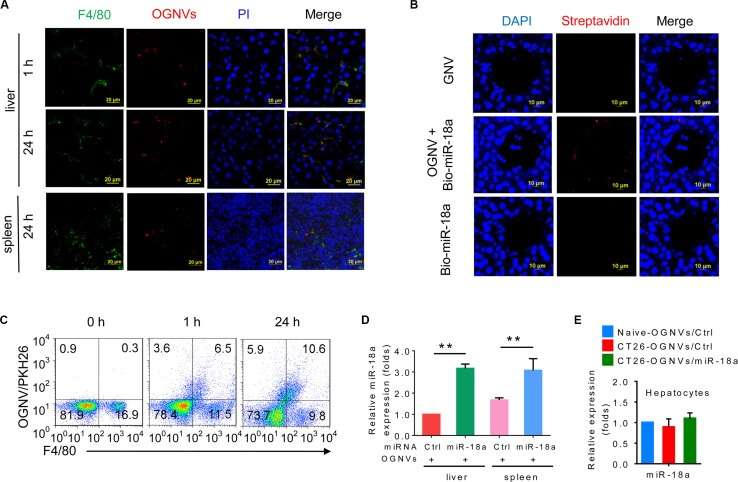 Fig.4 OGNV-mediated delivery of miRNA is taken up by mouse Kupffer cells in vivo.3,4
A compelling example of advanced lipid-based delivery systems for targeted therapy is demonstrated in research utilizing grapefruit-derived nanovectors (GNVs) for the delivery of microRNA-18a (miR-18a) to treat liver metastasis of colon cancer. This study addressed the critical need for effective treatments against liver metastasis, a primary cause of cancer-related mortality. The researchers successfully optimized GNVs for efficient RNA encapsulation through a combination of UV radiation and sodium chloride treatment, significantly enhancing their loading capacity. These optimized GNVs (OGNVs) exhibited a preferential uptake by liver Kupffer cells (KCs), key immune cells within the liver microenvironment.
The core experimental finding revealed that miR-18a delivered by OGNVs effectively polarized liver macrophages towards an M1 phenotype. M1 macrophages are known for their robust anti-tumor properties. This polarization was found to be dependent on the induction of macrophage IFNγ, which occurs by targeting IRF2, subsequently leading to the production of IL-12. The secreted IL-12 then activated natural killer (NK) and natural killer T (NKT) cells, orchestrating a potent immune response that contributed significantly to the inhibition of liver metastasis. The study highlighted the inherent advantages of GNVs as a delivery platform, including their low toxicity, cost-effectiveness, and biodegradability, underscoring their broad therapeutic potential not only for cancers with liver metastasis but also for macrophage-mediated inflammatory diseases. This published data underscores the immense potential of natural, lipid-based nanovectors in precise therapeutic delivery and immunomodulation.
FAQs
Q1: How do lipid-delivery systems improve drug efficacy compared to traditional formulations?
A1: Lipid-delivery systems enhance drug efficacy by improving solubility, protecting sensitive therapeutic molecules from degradation, extending their circulation time in the body, and enabling targeted delivery to specific cells or tissues. This leads to higher drug concentrations at the site of action, reducing the overall dose required and minimizing off-target side effects.
Q2: What types of therapeutic molecules can be effectively delivered using these conjugated systems?
A2: These systems are incredibly versatile and can effectively deliver a wide range of therapeutic molecules, including small molecule drugs, peptides, proteins, antibodies, and various nucleic acids such as mRNA, siRNA, and plasmid DNA. The choice of lipid system and conjugation strategy is tailored to the specific properties of your payload.
Q3: What are the key advantages of using lipid conjugation for targeted delivery?
A3: Lipid conjugation offers several key advantages, including enhanced cellular uptake through receptor-mediated endocytosis, improved stability of the therapeutic agent in biological fluids, reduced immunogenicity, and the ability to overcome biological barriers like the blood-brain barrier. This precision targeting leads to more effective treatments and a better safety profile.
Q4: Is the conjugation process customizable for unique research needs?
A4: Absolutely. The conjugation process is highly customizable. We work closely with our clients to design and optimize lipid-based delivery systems and conjugation chemistries that precisely meet the unique specifications of their therapeutic molecules and target indications, ensuring optimal performance and compatibility.
Q5: What considerations are important for the stability and storage of lipid-conjugated delivery systems?
A5: Stability and storage are crucial for maintaining the integrity and efficacy of lipid-conjugated systems. Factors such as lipid composition, particle size, surface charge, and the nature of the conjugated ligand all influence stability. Proper storage conditions, often involving controlled temperature and protection from light and oxidation, are essential. We provide detailed guidance and robust formulations to ensure the long-term stability of your conjugated products.
Creative Biolabs is your premier partner for advanced Lipid-Delivery System Conjugation Services, offering unparalleled expertise and state-of-the-art solutions to advance your therapeutic development. Our comprehensive services, from ready-to-use modules to custom conjugation and preclinical validation, enhance drug precision, efficacy, and safety. Partner with us to leverage specialized knowledge, innovative technologies, and rigorous quality, ensuring reliable results and unlocking new possibilities in targeted medicine.
Connect with our experts for project-specific consultation and detailed insights.
References
- Gatto, Matthew S et al. "Targeted Liposomal Drug Delivery: Overview of the Current Applications and Challenges." Life (Basel, Switzerland) vol. 14,6 672. 24 May. 2024, DOI:10.3390/life14060672.
- Yang, Chunhua, and Didier Merlin. "Lipid-Based Drug Delivery Nanoplatforms for Colorectal Cancer Therapy." Nanomaterials (Basel, Switzerland) vol. 10,7 1424. 21 Jul. 2020, DOI:10.3390/nano10071424.
- Teng, Yun et al. "Grapefruit-derived nanovectors deliver miR-18a for treatment of liver metastasis of colon cancer by induction of M1 macrophages." Oncotarget vol. 7,18 (2016): 25683-97. DOI:10.18632/oncotarget.8361.
- Distributed under Open Access license CC BY 4.0, without modification.
Our services are For Research Use Only. We do not provide services to individuals.
Online Inquiry