
Creative Biolabs is offering the most comprehensive services for antibody development projects. With strict regulation and effective execution, we are dedicated to providing the most valuable solutions to complete your projects.
HighlightsCreative Biolabs is offering the most comprehensive services for antibody development projects. With strict regulation and effective execution, we are dedicated to providing the most valuable solutions to complete your projects.
HighlightsCreative Biolabs has established a broad range of platforms for developing novel antibodies or equivalents. These cutting-edge technologies enable our scientists to meet your demands from different aspects and tailor the most appropriate solution that contributes to the success of your projects.
HighlightsWith deep understanding in antibody-related realms and extensive project experience, Creative Biolabs offers a variety of references to help you learn more about our capacities and achievements, including infographic, flyer, case study, peer-reviewed publications, and all kinds of knowledge that can assist your projects. You are also welcome to contact us directly for more specific solutions.
HighlightsGet a real taste of Creative Biolabs, one of the most professional custom service providers in the world. We are committed to providing highly customized comprehensive solutions with the best quality to advance your projects.
HighlightsThe B7-CD28 superfamily constitutes the master switch of adaptive immunity, orchestrating a delicate balance between T-cell activation and inhibition. This complex network comprises co-stimulatory receptors such as CD28 and ICOS, which promote T-cell priming, survival, and effector function, alongside co-inhibitory receptors like CTLA-4 and PD-1, which serve as critical brakes on immune responses. While immune checkpoint inhibitors that block these inhibitory signals have revolutionized oncology, the therapeutic potential of actively engaging co-stimulatory pathways remains a frontier of immense promise. Creative Biolabs is at the forefront of this field, offering both custom agonistic antibodies and checkpoint agonistic antibodies to empower your research.
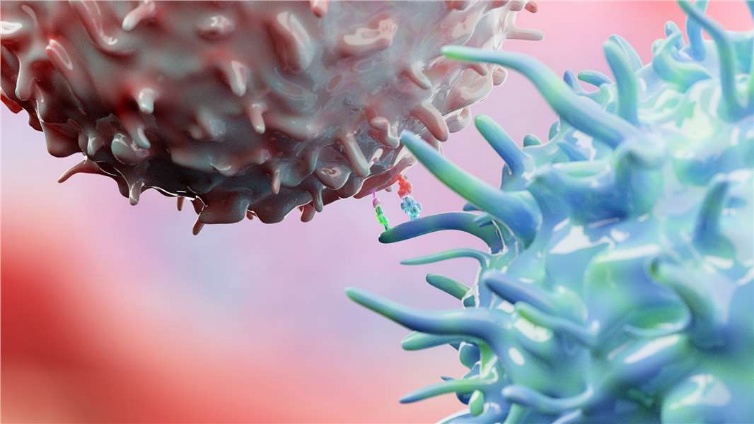
Unlike blocking antibodies that merely disrupt ligand binding to receptor, agonistic antibodies function as ligand mimetics that cluster the receptor to deliver a potent Signal 2, as exemplified by CD28 agonists in the B7-CD28 family which rival or exceed CD80 and CD86 signaling; this direct T cell activation renders them powerful for boosting antitumor immunity in immune escape or T cell exhaustion, whether developing a custom agonistic antibody against a novel costimulatory receptor or using a checkpoint agonistic antibody panel.
The central challenge is the therapeutic window: achieving sufficient potency to break tolerance while averting systemic overactivation and cytokine release syndrome, a balance that demands deep receptor biology, antibody engineering, and functional screening far beyond binding assays—precisely the expertise embedded in our custom and checkpoint agonistic antibody services.
The agonist activity of an antibody is not an inherent property of binding; it is a consequence of effective receptor engagement and clustering, a process known as cross-linking. A conventional CD28 agonist works in concert with the T-cell receptor (TCR) signal, lowering the activation threshold and amplifying downstream signaling cascades. The efficacy of this process is heavily dependent on the antibody's isotype and its ability to engage Fc-gamma receptors (FcγRs) on adjacent cells, which provides the structural scaffolding for stable receptor aggregation and signalosome formation.
It is critical to differentiate the effects of targeting distinct co-stimulatory members. Agonists targeting CD28 provide a potent but transient early activation signal, whereas targeting members of the tumor necrosis factor receptor (TNFR) superfamily, such as 4-1BB (CD137), delivers a later, pro-survival signal that supports T-cell persistence and memory formation. Understanding these kinetic differences is key to designing rational combination strategies.
Our agonistic antibodies are engineered for tuned affinity and optimized specificity, delivering a more persistent, controlled, and therapeutically actionable activation signal than the transient and context-dependent interactions of native ligands.
In immunologically "cold" tumors characterized by T-cell exclusion or anergy, a potent agonistic antibody can deliver the critical co-stimulatory signal needed to reverse T-cell unresponsiveness, ignite de novo immune responses, and remodel a suppressive tumor microenvironment.
The capacity to pharmacologically tune T-cell co-stimulation has unlocked diverse and critical applications across preclinical and translational research.
As a cornerstone of next-generation immuno-oncology, CD28 or ICOS agonists are being investigated as monotherapies and, more compellingly, in combination with checkpoint inhibitors (e.g., anti-PD-1/PD-L1) to synergistically reinvigorate functionally exhausted T cells.
In a reverse application, a deep understanding of the agonistic mechanism allows for the rational design of antagonists or antagonists capable of selectively dampening the hyperactive T-cell responses central to autoimmunity.
Agonistic antibodies can be employed to amplify antigen-specific T-cell responses, serving as a sophisticated molecular adjuvant strategy for prophylactic and therapeutic vaccines.
The intracellular domains of CD28 or ICOS are foundational components in the design of chimeric antigen receptors. Agonistic tools are invaluable for dissecting and optimizing the contribution of these co-stimulatory modules to CAR-T cell persistence and potency.

Creative Biolabs has been devoted to the discovery and development of antibodies for research, diagnostic, and therapeutic applications for years. Building on this deep expertise, we now offer customized anti-B7-CD28 family agonistic antibody development services, focusing on co-stimulatory targets such as CD28, ICOS, and other emerging receptors. Our end-to-end service suite is designed to transform your concept into functionally validated, development-ready candidates.
| Advanced Discovery Platforms | Phage display, yeast display and hybridoma technologies, specifically adapted for agonistic antibody screening (e.g., signalling guided panning strategies), compatible with any target ectodomain conformation. |
| Tailored Engineering Strategies | Fc engineering (to enhance crosslinking/stability), affinity maturation (precise tuning of binding kinetics), and humanization (reduced immunogenicity), with flexible modules to fit your therapeutic window. |
| Full In Vitro Functional Assays | Stringent potency evaluation, including T-cell proliferation, cytokine release profiling, and activation marker detection. |
| Robust In Vivo Efficacy and Safety | Syngeneic tumor models and humanized immune system mouse models for PD/PK assessment, plus a dedicated cytokine release syndrome (CRS) risk evaluation module to anticipate clinical safety. |
| Proven Track Record | Successful delivery of multiple agonist projects, covering formats from monoclonal and bispecific antibodies to fusion proteins, with experience directly transferable to novel targets. |
With years of experience in antibody drug discovery, Creative Biolabs can deliver a range of contract research services tailored to your individual requirements in terms of science, timelines, and cost. Whether your program demands a bespoke custom agonistic antibody for a novel co-stimulatory receptor or a checkpoint agonistic antibody targeting validated members of the B7-CD28 family, our integrated workflow ensures functional activity is built in from the very first screening step, not tested as an afterthought.
All listed services and products are For Research Use Only. Do Not use in any diagnostic or therapeutic applications.








