
Creative Biolabs is offering the most comprehensive services for antibody development projects. With strict regulation and effective execution, we are dedicated to providing the most valuable solutions to complete your projects.
HighlightsCreative Biolabs is offering the most comprehensive services for antibody development projects. With strict regulation and effective execution, we are dedicated to providing the most valuable solutions to complete your projects.
HighlightsCreative Biolabs has established a broad range of platforms for developing novel antibodies or equivalents. These cutting-edge technologies enable our scientists to meet your demands from different aspects and tailor the most appropriate solution that contributes to the success of your projects.
HighlightsWith deep understanding in antibody-related realms and extensive project experience, Creative Biolabs offers a variety of references to help you learn more about our capacities and achievements, including infographic, flyer, case study, peer-reviewed publications, and all kinds of knowledge that can assist your projects. You are also welcome to contact us directly for more specific solutions.
HighlightsGet a real taste of Creative Biolabs, one of the most professional custom service providers in the world. We are committed to providing highly customized comprehensive solutions with the best quality to advance your projects.
Highlights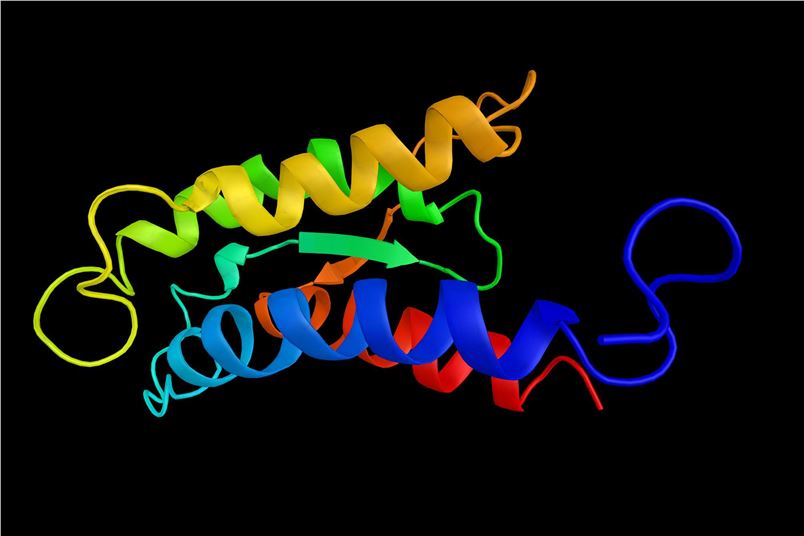
Interleukin-2 (IL-2) occupies a paradoxical position—often described as the 'Goldilocks' cytokine, its signaling must be balanced for immune homeostasis and anti-tumor responses. However, recombinant human IL-2 has a short half-life and narrow therapeutic window, causing dose limiting toxicities like vascular leak syndrome and preferentially expanding Tregs via the high affinity trimeric IL-2Rαβγ complex.
Anti-IL-2 agonistic antibodies represent a paradigm shift. Rather than simply delivering the native ligand, they function as biased agonists, binding to specific epitopes on the IL-2 receptor to stabilize conformations that preferentially engage the intermediate affinity βγ receptor (CD122/CD132) on effector T and NK cells, while sterically blocking the high affinity αβγ complex on Tregs. This antibody mediated selectivity provides sustained signaling and extended half-life, avoiding unwanted Treg activation and widening the therapeutic window.
At Creative Biolabs, our platform leverages phage and yeast display to engineer such antibodies with high specificity. We offer custom agonistic antibodies and checkpoint agonistic antibodies as powerful tools to dissect IL-2 signaling dynamics and develop next generation immunomodulatory strategies.
The IL-2 receptor system comprises three distinct subunits with hierarchical binding affinities that collectively determine cellular responsiveness. IL-2 first engages the private α subunit (CD25) with high affinity (Kd ≈ 10-11 M), which then presents the cytokine to the shared β (CD122) and γc (CD132) subunits to form the quaternary signaling complex. This sequential assembly mechanism presents both a challenge and an opportunity for antibody engineering.
The IL-2 receptor adopts multiple conformational states that dictate signaling outcomes. Most functional agonistic antibodies are designed to trap the IL2Rβγ heterodimer in its active conformation, bypassing CD25 engagement through precise epitope recognition that stabilizes the βγ interface without introducing steric interference.
The differential distribution of IL-2 receptor subunits governs cellular responsiveness. CD25 is constitutively high on Tregs, while CD122 is transiently upregulated on activated CD8+ T cells and NK cells. Agonistic antibodies that occlude IL-2/IL2Rα interaction while mimicking IL-2/IL2Rβγ engagement can therefore preferentially stimulate effector populations without expanding Tregs.
Selective activation of effector T cells while avoiding Treg expansion represents a major advance in immunotherapy design. Structure-guided antibody design and high-throughput functional screening enable the identification of binders that recognize βγ specific neoepitopes, effectively biasing the immune response toward cytotoxicity rather than suppression.
Unlike small cytokines with short circulation times, full-length IgG antibodies benefit from FcRn mediated recycling, which extends their serum half-lives substantially. This reduces dosing frequency and sustains target coverage, supporting prolonged pharmacodynamic effects essential for modulating chronic immune responses.
The unique properties of receptor-selective IL-2 agonistic antibodies facilitate their application across a diverse spectrum of research contexts, from fundamental mechanistic studies to translational model development.
Plate-bound or bead-immobilized agonistic antibodies provide a controlled in vitro system for mimicking paracrine IL-2 signaling within the tumor microenvironment. Researchers can investigate how sustained, selective βγ signaling impacts T cell differentiation, memory formation, and exhaustion markers such as PD1, TIM3, and LAG3 under defined stimulation conditions. This approach is particularly valuable for optimizing CAR-T manufacturing protocols and predicting in vivo persistence.
Dual-use applications exist for IL-2 agonistic antibodies in autoimmune research. While effector biased agonists are valuable for tumor immunology, Treg biased super agonists that stabilize the αβγ complex can be employed for in vitro Treg expansion prior to adoptive transfer in models of Type 1 diabetes, multiple sclerosis, or graft versus host disease. Conversely, receptor-blocking agonistic antibodies that deplete Tregs via antibody dependent cellular cytotoxicity enable mechanistic studies of immune tolerance breakdown in syngeneic tumor models.
Antibody panning campaigns frequently identify ligands that recognize specific conformational epitopes on the IL-2 receptor complex. These reagents serve as invaluable tools for mapping the precise residues involved in signaling complex assembly, enabling structure function studies that inform the rational design of next generation cytokine variants and small molecule modulators.
Preclinical evaluation of candidate agonistic antibodies requires physiologically relevant models. Humanized mice reconstituted with human immune cells allow researchers to assess the pharmacokinetics, pharmacodynamics, and receptor occupancy of lead candidates in a system that recapitulates human IL-2 receptor subunit expression patterns and signaling dynamics.
The successful identification of agonistic antibodies requires screening strategies that go beyond simple binding affinity to capture functional potency. At Creative Biolabs, we employ a multi-parametric discovery pipeline that integrates display technologies with cell-based functional assays to directly select for desired signaling outcomes.

1. Library Construction
High diversity antibody libraries (synthetic, naïve, or immune) are constructed with CDR diversification targeting the IL-2Rβγ interface. Codon optimization and scaffold selection ensure proper folding in eukaryotic systems.

2. Surface Display
Yeast display preserves native like folding and post translational processing, enabling accurate interrogation of antibody receptor interactions under physiological conditions.

3. Functional Sorting
FACS based sorting incorporates dual-parameter gating: antigen binding (positive selection) combined with competitive elution using recombinant IL-2 (to select for orthosteric binders) or STAT5 phosphorylation assays to directly capture signaling competent clones.

4. Lead Characterization
Lead candidates are reformatted into full length IgG, expressed in mammalian cells, and subjected to comprehensive functional validation including pSTAT5 signaling, proliferation assays, and receptor binding kinetics.
In addition to IL-2 targeted projects, our platform supports the discovery of custom agonistic antibodies against diverse receptor systems and checkpoint agonistic antibodies designed to modulate immune signaling pathways. We offer flexible service scopes, from standalone library screening to fully integrated discovery packages, allowing researchers to select the level of support that best fits their project goals and budget.
All listed services and products are For Research Use Only. Do Not use in any diagnostic or therapeutic applications.








