Creative Biolabs is offering the most comprehensive services for antibody development projects. With strict regulation and effective execution, we are dedicated to providing the most valuable solutions to complete your projects.
HighlightsCreative Biolabs is offering the most comprehensive services for antibody development projects. With strict regulation and effective execution, we are dedicated to providing the most valuable solutions to complete your projects.
HighlightsCreative Biolabs has established a broad range of platforms for developing novel antibodies or equivalents. These cutting-edge technologies enable our scientists to meet your demands from different aspects and tailor the most appropriate solution that contributes to the success of your projects.
HighlightsWith deep understanding in antibody-related realms and extensive project experience, Creative Biolabs offers a variety of references to help you learn more about our capacities and achievements, including infographic, flyer, case study, peer-reviewed publications, and all kinds of knowledge that can assist your projects. You are also welcome to contact us directly for more specific solutions.
HighlightsGet a real taste of Creative Biolabs, one of the most professional custom service providers in the world. We are committed to providing highly customized comprehensive solutions with the best quality to advance your projects.
HighlightsThe therapeutic targeting of integral membrane proteins requires selection methodologies that can recognize target macromolecules within their native lipid bilayer. Traditional in vitro selection techniques that rely on purified recombinant proteins often disrupt the complex tertiary conformations and post translational modifications of these targets. Cell based library screening addresses this fundamental limitation by utilizing intact living cells as the primary selection matrix. By presenting candidate binders with antigens in their true physiological state, this methodology ensures that the isolated ligands possess high functional relevance, making it a critical tool in modern biopharmaceutical development, oncology research, and protein engineering.
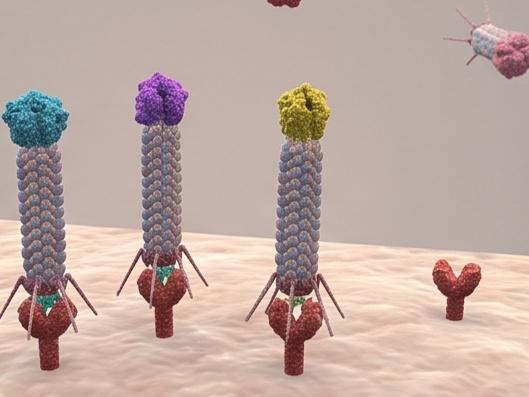
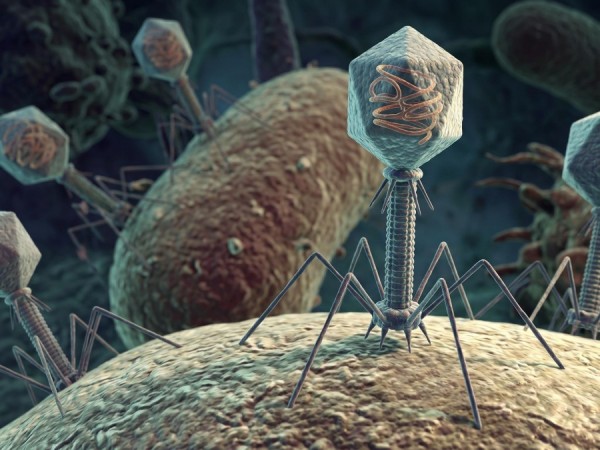
Cell based screening is a specialized panning modality where a diverse genetic repertoire, such as a phage display library expressing single chain variable fragments (scFv), Fab fragments, or peptides, is directed against target antigens expressed on the surface of living cells. This approach links genotype to phenotype while circumventing the need for tedious protein purification protocols.
The structural complexity of the plasma membrane presents both opportunities and technical challenges. Unlike solid surfaces coated with a single purified antigen, the cell surface is a heterogeneous mosaic composed of numerous proteins, carbohydrates, and lipids. Consequently, cell selection requires precise counter selection steps to eliminate nonspecific phages that display affinity for common host cell components. By utilizing host cells transfected with the target gene alongside non transfected parental cell lines, researchers can direct the evolutionary pressure of the library specifically toward the extracellular domains and accessible epitopes of the target receptor.
Executing a successful cell based panning campaign involves a series of coordinated biological and physical steps designed to maximize specificity and enrich for rare high affinity clones.

The transition to a cellular selection matrix is critical under specific experimental parameters where protein isolation is unfeasible or alters target biology.
 Multi Pass Transmembrane Targets
Proteins such as G protein coupled receptors (GPCRs), ion channels, and transporters rely heavily on the lipid bilayer for proper folding. These targets are highly unstable when isolated, making whole cells the only viable option for successful screening.
Oncology Target and Biomarker Discovery
Living cancer cells express unique clusters of differentiation and tumor specific surface markers. Screening against intact tumor cell lines allows for the discovery of novel targeting molecules without prior knowledge of the precise target identity.
Targets with Complex Glycosylation Profiles
Many cell surface receptors require native eukaryotic post translational modifications to form functional epitopes. Transfected mammalian cell lines maintain these sugar structures, ensuring that the isolated binders recognize the form of the antigen.
Low Density or Weakly Immunogenic Antigens
When target expression is minimal, traditional plate coating fails due to insufficient mass. Cell based systems cluster these proteins naturally within membrane microdomains, creating concentrated patches that facilitate phage binding.
The system wide benefits of cell selection stem from conducting molecular evolution within a functionally authentic environment, yielding candidates with superior translatability.
By maintaining receptors within a live lipid bilayer, the structural fidelity of extracellular loops remains fully intact, generating hits that demonstrate immediate cross reactivity with native tissues.
Soluble truncated versions of membrane proteins often display artificial epitopes that are normally buried inside the cell membrane. Panning on whole cells restricts library access strictly to the accessible extracellular domain.
This platform integrates with fluorescence activated cell sorting (FACS). By tracking reporter signals like GFP, researchers can isolate specific phage bound cell populations with high precision, correlating binding intensity directly with target expression levels.
Alternating the host cell background between selection rounds ensures that the library is continuously stripped of binders directed against non-target proteins, reducing nonspecific background accumulation down to negligible levels.
Creative Biolabs provides an operational workflow that translates cellular selection parameters into development ready candidates. Our platform coordinates molecular biology with cell sorting techniques to deliver optimized candidates through our core binder discovery network using phage display.
All listed services and products are For Research Use Only. Do Not use in any diagnostic or therapeutic applications.