Creative Biolabs is offering the most comprehensive services for antibody development projects. With strict regulation and effective execution, we are dedicated to providing the most valuable solutions to complete your projects.
HighlightsCreative Biolabs is offering the most comprehensive services for antibody development projects. With strict regulation and effective execution, we are dedicated to providing the most valuable solutions to complete your projects.
HighlightsCreative Biolabs has established a broad range of platforms for developing novel antibodies or equivalents. These cutting-edge technologies enable our scientists to meet your demands from different aspects and tailor the most appropriate solution that contributes to the success of your projects.
HighlightsWith deep understanding in antibody-related realms and extensive project experience, Creative Biolabs offers a variety of references to help you learn more about our capacities and achievements, including infographic, flyer, case study, peer-reviewed publications, and all kinds of knowledge that can assist your projects. You are also welcome to contact us directly for more specific solutions.
HighlightsGet a real taste of Creative Biolabs, one of the most professional custom service providers in the world. We are committed to providing highly customized comprehensive solutions with the best quality to advance your projects.
HighlightsFor decades, hybridoma technology has remained the cornerstone of monoclonal antibody discovery, a testament to its robust and reliable nature. At Creative Biolabs, we have harnessed the power of this Nobel Prize-winning technique and elevated it to a new echelon of excellence with our proprietary MemDX™ Human Antibody Discovery Platform. By integrating the classic hybridoma workflow with state-of-the-art transgenic animal models, we deliver what was once a multi-step, laborious process in a single, streamlined solution: the direct generation of high-affinity, fully human monoclonal antibodies with superior therapeutic potential. Our Hybridoma-based MemDX™ service bypasses the need for subsequent antibody humanization, mitigating the risks of immunogenicity and preserving the antibody's native affinity and specificity. This advanced approach leverages the complete in vivo maturation process within our specialized transgenic mice, ensuring the antibodies we discover for you are not only fully human but also optimized by nature for unparalleled performance.
The therapeutic potential of monoclonal antibodies is immense, but a significant hurdle has always been the human anti-mouse antibody (HAMA) response. Antibodies derived from traditional murine hybridomas are foreign to the human immune system, which can lead to:
While techniques like chimerization and CDR grafting (humanization) have been developed to address these issues, they are not without their own challenges. These processes can be time-consuming, expensive, and may result in a partial or complete loss of the antibody's original affinity and specificity.
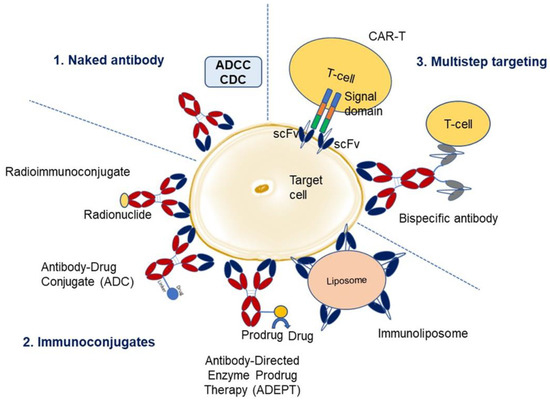 Fig. 1 Overview of monoclonal antibody therapies.1
At Creative Biolabs, we have refined every step of the antibody discovery process to ensure maximum efficiency and the highest quality outcomes. Our workflow is a synergistic blend of advanced immunology, cellular biology, and high-throughput screening.
Step 1: Antigen Design and Preparation
Our process begins with your target. We collaborate with you to design the optimal antigen strategy, whether it's a recombinant protein, peptide, whole-cell, or DNA-based immunogen. Our experts can produce and purify high-quality antigens to ensure a robust and specific immune response.
Step 2: Transgenic Mouse Immunization
We employ optimized, proprietary immunization protocols to challenge our MemDX™ transgenic mice. Our protocols are designed to break tolerance and elicit a powerful B-cell response, maximizing the diversity of high-affinity, fully human antibody-producing cells.
Step 3: High-Efficiency Electrofusion and Hybridoma Generation
Spleen cells from the immunized mice are harvested and fused with our specialized myeloma fusion partners. We utilize advanced electrofusion techniques that offer significantly higher fusion efficiency compared to traditional PEG-based methods, resulting in a larger and more diverse pool of antibody-secreting hybridomas.
Step 4: Advanced HAT Selection and Primary Screening
The fused cells are cultured in a specialized hypoxanthine-aminopterin-thymidine (HAT) medium, which selectively allows only the fused hybridoma cells to survive. The supernatants from surviving hybridoma clones are then subjected to a rigorous, high-throughput primary screening campaign using techniques like ELISA and FACS to identify clones producing target-specific human antibodies.
Step 5: Subcloning and Isotyping
Positive clones from the primary screen are isolated and subcloned via limiting dilution or single B cell sorting to ensure monoclonality. This critical step guarantees that the final antibody product originates from a single, stable B-cell clone. We then determine the isotype of the human antibody (e.g., IgG1, IgG2, etc.).
Step 6: Antibody Production, Purification, and Characterization
Once stable, monoclonal hybridoma lines are established, we can scale up antibody production. The secreted human antibodies are purified to the highest standards. We then perform a comprehensive characterization package, including:
Step 7: Antibody Sequencing and Recombinant Production
For ultimate long-term security and reproducibility, we sequence the variable regions of the heavy and light chains of your lead antibody candidates. This allows for the recombinant expression of the antibody in various formats and ensures the perpetual availability of your valuable biologic.
| Feature | Creative Biolabs' Hybridoma-based MemDX™ | Traditional Murine Hybridoma | Phage Display Library |
| Antibody Origin | Fully Human | Murine | Human / Synthetic |
| Immunogenicity | Minimal to None | High (Requires Humanization) | Low to Moderate |
| Affinity Maturation | In Vivo (Natural) | In Vivo (Natural) | In Vitro (Requires Engineering) |
| Need for Humanization | No | Yes | No |
| Risk of Affinity Loss | Low | High (During Humanization) | N/A |
| Discovery Timeline | Rapid | Prolonged | Rapid |
| Developability | High (In Vivo Selected) | Variable | Variable |
The fully human monoclonal antibodies generated through our Hybridoma-based MemDX™ platform are ideal for a wide range of research and pre-clinical applications, including:
Creative Biolabs offers a comprehensive suite of antibody discovery and engineering services to support your program from target to lead.
Contact Us to learn how our Hybridoma-based MemDX™ platform can accelerate your human antibody discovery program.
Q: What is the primary advantage of the Hybridoma-based MemDX™ platform over traditional murine hybridoma antibody discovery?
A: The single most significant advantage is the direct generation of fully human antibodies. Traditional methods produce mouse antibodies that must undergo a separate, complex humanization process to reduce immunogenicity for therapeutic use. This humanization step can potentially reduce the antibody's affinity and is time-consuming. Our MemDX™ platform uses transgenic mice that produce human antibodies from the start, completely eliminating the need for humanization and delivering therapeutically relevant candidates much faster.
Q: How "human" are the antibodies produced by your MemDX™ transgenic mice?
A: The antibodies are entirely human. Our proprietary transgenic mice have their endogenous mouse immunoglobulin (Ig) genes replaced with human Ig loci. As a result, the antibodies they produce contain fully human variable (V, D, J) and constant (C) regions, making them functionally and structurally indistinguishable from antibodies produced naturally in humans.
Q: What types of antigens are suitable for this human antibody discovery service?
A: Our platform is highly versatile and compatible with a wide array of antigen formats. We have successfully conducted projects using:
Our scientific team will consult with you to determine the optimal immunization strategy for your specific target.
Q: Why is in vivo affinity maturation considered superior to in vitro engineering?
A: In vivo affinity maturation is the natural process of somatic hypermutation and selection that occurs within the germinal centers of the mouse's immune system. This biological process is incredibly effective at selecting for antibodies that have not only high affinity but also high specificity and favorable biophysical properties (like stability and solubility). Antibodies matured in vivo are naturally "vetted" for developability. In vitro methods, while powerful, can sometimes lead to artificial improvements in affinity that may compromise other essential characteristics of the antibody.
Q: My target is highly conserved between mice and humans. Can your platform still generate a robust immune response?
A: Yes. This is a common challenge that our platform is well-equipped to handle. We have developed several proprietary immunization strategies and utilize specialized adjuvant formulations designed to break immune tolerance against highly conserved targets. The robust immune system of the mouse, combined with our advanced protocols, allows us to generate a strong and diverse antibody response even for the most difficult antigens.
All listed services and products are For Research Use Only. Do Not use in any diagnostic or therapeutic applications.