Cell Membrane coated Liposome Development Service for Targeted Drug Delivery
Biomimetic nanotechnology represents a paradigm shift in drug delivery, merging the versatility of synthetic nanocarriers with the biological intelligence of natural cells. By cloaking synthetic liposomes in natural cell membranes, we create "stealth" delivery systems that evade immune clearance and actively target disease sites. At Creative Biolabs, we provide comprehensive development services for Cell Membrane-Coated Liposomes, empowering researchers to overcome biological barriers with precision.
Start Your Biomimetic Liposome Project
The Science of Biomimicry: Bridging Nature and Nanotechnology
The Biomimetic Strategy: Why Coat with Membranes?
Nature has evolved sophisticated mechanisms for cellular communication and immune recognition over millions of years. Biomimetic strategy seeks to borrow these "biological passports" by coating synthetic nanoparticles with natural cell membranes. This "top-down" approach preserves the complex surface protein diversity of the source cell, effectively camouflaging the synthetic core. Unlike traditional functionalization which relies on attaching single ligands, this strategy transfers the entire surface repertoire, enabling the nanoparticle to navigate the body as if it were a native cell.
Key Advantages of the Biomimetic Strategy:
Immune Evasion: The presence of "self" markers (e.g., CD47 on RBCs, CD31 on platelets) inhibits opsonization and phagocytosis by the Reticuloendothelial System (RES), mimicking the behavior of endogenous cells.
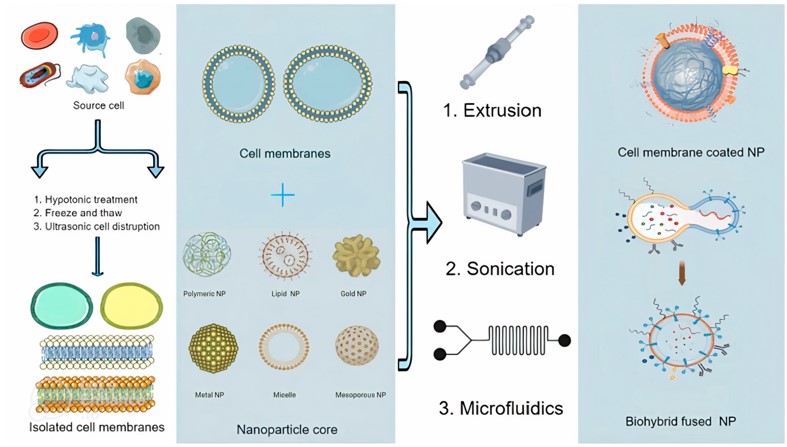 Fig. 1 Scheme of different biomimetic NP production methods.1,4
Source Cell Selection and Applications
The choice of source cell is the critical design parameter in biomimetic delivery, as it dictates the biological identity and function of the final nanoparticle. Different cell types possess unique surface proteins that determine their distinct roles in the body—from oxygen transport and immune surveillance to tissue regeneration. Understanding these biological roles allows researchers to match a specific cell membrane type to a corresponding therapeutic challenge.
| Membrane Category | Functional Mechanism & Advantages | Applications |
|---|---|---|
|
Blood Cell Membranes (RBCs, Platelets) |
These membranes carry abundant "self" markers (e.g., CD47) that effectively inhibit immune clearance. They naturally interface with the vascular system, enabling exceptionally long circulation times and the ability to target vascular injuries or circulating pathogens. | Prolonged drug circulation; Vascular injury repair; Pathogen diversion (Nanosponges); Anticoagulation therapy. |
|
Immune Cell Membranes (Macrophages, Neutrophils, T-Cells) |
Leveraging the natural chemotactic ability of leukocytes, these membranes can sense and migrate along chemokine gradients to reach sites of inflammation or infection. They possess unique surface proteins that facilitate crossing biological barriers like the BBB. | Targeted inflammation therapy; Autoimmune disease management; Crossing the Blood-Brain Barrier (BBB); Tumor immunotherapy. |
|
Tumor Cell Membranes (Homologous Cell Lines) |
These membranes retain the specific adhesion molecules and antigens of the source tumor. This allows for "homotypic targeting"—the ability of the nanoparticle to bind specifically to the same type of cancer cells from which the membrane was derived. | Precision oncology; Tumor microenvironment penetration; Cancer vaccines; Metastasis inhibition. |
|
Stem Cell Membranes (MSCs, NSCs) |
Stem cell membranes possess unique tumor-tropic and tissue-regenerative properties. They can naturally hone in on damaged tissues or tumor sites while exhibiting low immunogenicity, making them ideal for regenerative applications. | Tissue engineering; Regenerative medicine; Tumor-targeted delivery; Cartilage and bone repair. |
|
Microbial Membranes (Bacterial OMVs) |
Derived from the outer membranes of bacteria, these coatings are rich in pathogen-associated molecular patterns (PAMPs). They naturally stimulate the host's innate immune system, serving as a powerful, self-adjuvanted vaccine delivery platform. | Vaccine adjuvants; Bacterial infection vaccines; Cancer immunotherapy stimulation. |
Explore Our Specialized Cell Membrane Platforms:
The Fabrication Process: From Cell to Nanosystem
Creating a cell membrane-coated liposome involves a delicate balance between preserving biological activity and ensuring structural stability. The process typically transforms living cells into nano-sized vesicles and then fuses them with synthetic cores. This requires overcoming the energy barrier between the biological membrane and the lipid bilayer without denaturing the sensitive surface proteins that provide the targeting functionality.
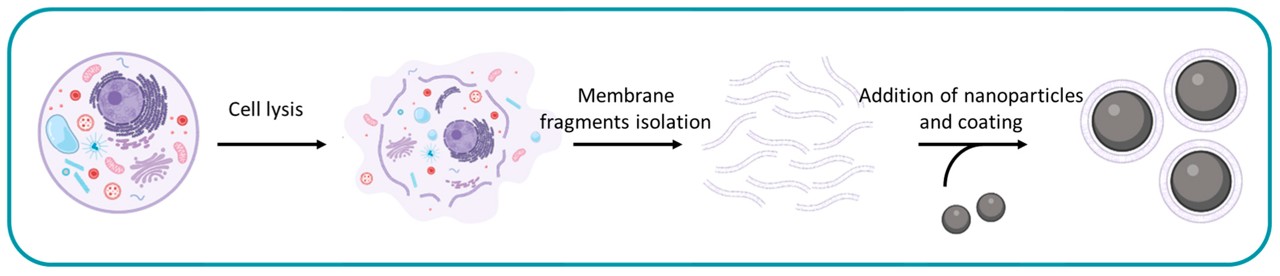 Fig. 2 Three main steps for obtaining cell membrane-coated nanoparticles.2,4
Cells are harvested and subjected to hypotonic lysis or mechanical disruption. Differential centrifugation is used to remove intracellular contents (nucleus, cytoplasm) and collect pure plasma membrane vesicles (ghosts).
While liposomes are a primary core material, this biomimetic strategy is versatile. The same membrane coating techniques can be applied to PLGA nanoparticles (biodegradable polymers), Silica nanoparticles (rigid cores), Gold nanoparticles (photothermal therapy), and Iron Oxide nanoparticles (MRI imaging).
Inquire About Custom Core Designs Today
Engineered Cell Membrane-Coated Liposomes
While natural membranes offer broad functionality, they may not always possess specific targeting ligands at sufficient densities for every application. Engineered cell membrane technology addresses this limitation by chemically or genetically modifying the source cells or the isolated membranes. This "super-functionalization" allows for the addition of non-native targeting capabilities, such as high-affinity antibodies or synthetic linkers, creating a platform that is biologically compatible yet synthetically enhanced.
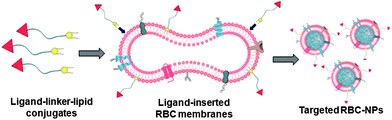 Fig. 3 Three main steps for obtaining cell membrane-coated nanoparticles.3,5
- Genetic Engineering: Transfecting source cells to overexpress specific receptors (e.g., CAR-T membranes or PD-1 overexpressing membranes).
- Lipid Insertion: Inserting functionalized lipids (e.g., DSPE-PEG-RGD) into the membrane bilayer to add targeting ligands not naturally present.
- Chemical Conjugation: Covalently attaching antibodies or aptamers to surface proteins on the isolated membrane.
Advanced Biomimetic Development Solutions
Creative Biolabs provides specialized CRO services tailored to the unique challenges of biomimetic formulation. We go beyond standard protocols to offer customized, engineered solutions.
Native Cell Membrane Isolation & Characterization
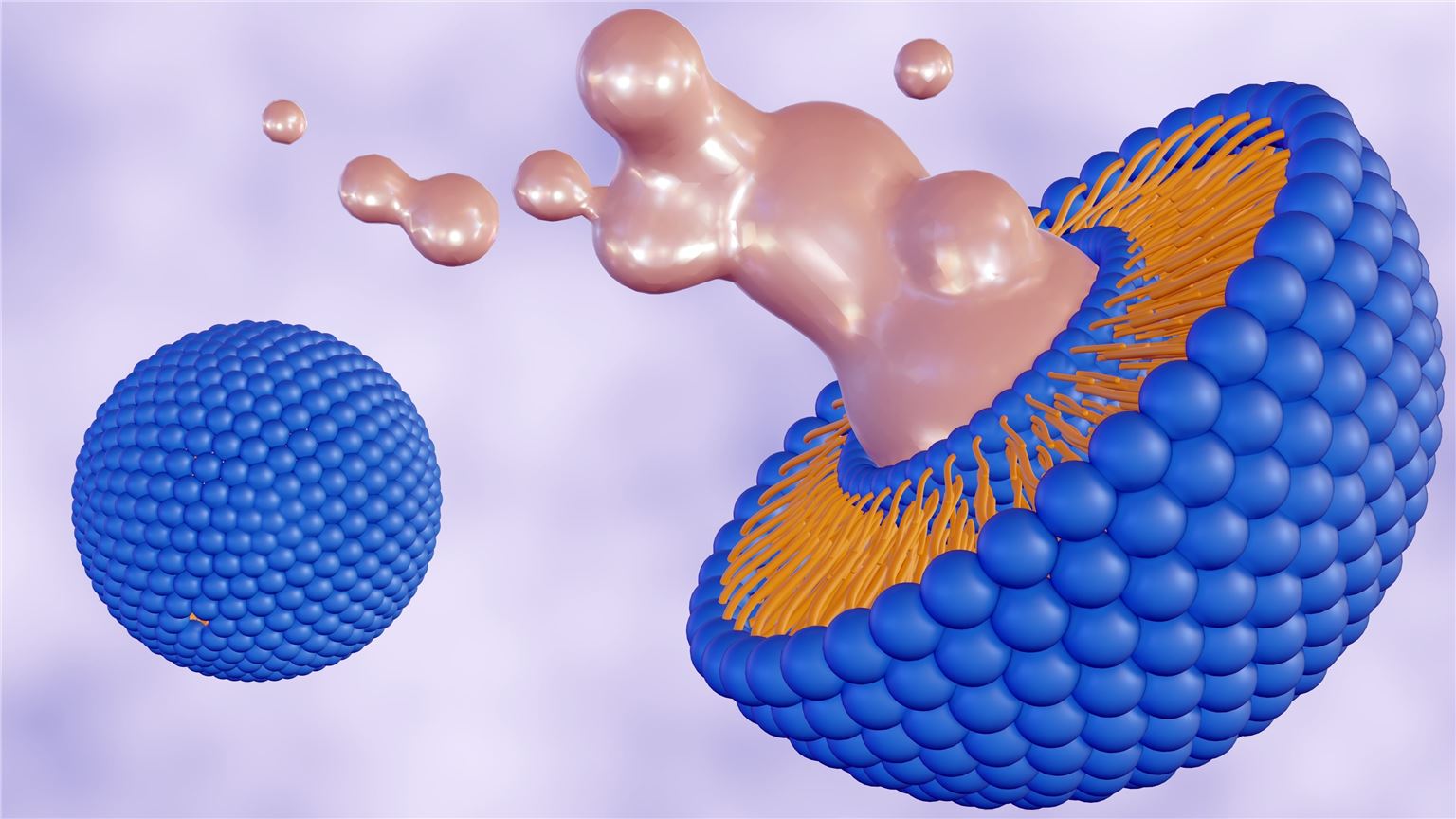
Obtaining high-purity plasma membranes free from nuclear and mitochondrial contamination is the foundation of any successful biomimetic project. Creative Biolabs solves the challenge of membrane impurity and low yield by utilizing optimized lysis protocols tailored to specific cell types, ensuring you start with the highest quality biological material.
- Cell-Specific Lysis Optimization: We tailor the disruption method to the specific shear sensitivity of your chosen cell line.
- Comprehensive Quality Control: We provide rigorous validation including Bicinchoninic acid (BCA) assays for protein quantification, SDS-PAGE to verify protein profile retention, and TEM imaging to confirm vesicle integrity and morphology.
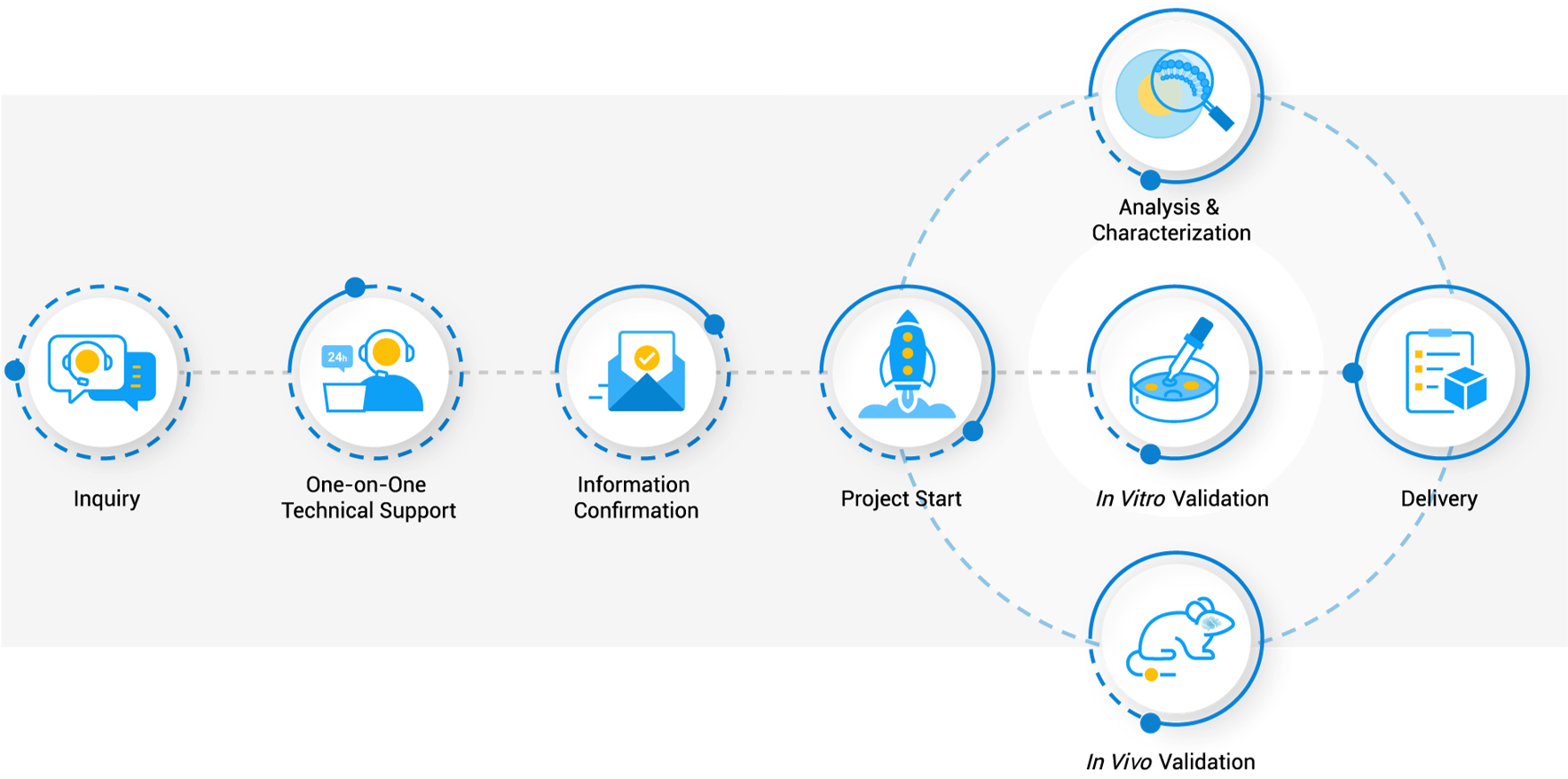
Workflow
Therapeutic Applications of Biomimetic Delivery
The versatility of membrane-coated liposomes allows them to be applied across a wide spectrum of biomedical research.
- Targeted Oncology: Utilizing Homotypic Targeting, cancer cell membrane-coated liposomes can specifically seek out primary tumors and metastases. This is particularly effective for delivering chemotherapeutics or nucleic acids deep into the dense Tumor Microenvironment (TME).
- Immunotherapy & Vaccines: By mimicking antigen-presenting cells (using Dendritic Cell membranes) or tumor cells, these particles can efficiently deliver adjuvants to lymph nodes. They can also act as artificial antigen-presenting cells (aAPCs) to stimulate T-cells directly.
- Inflammation Management: Leukocyte (macrophage/neutrophil) membrane coatings allow nanoparticles to chemically mimic immune cells. Via surface receptors like LFA-1 and Mac-1, they migrate naturally to sites of inflammation (e.g., atherosclerosis, rheumatoid arthritis) to deliver anti-inflammatory agents.
- Detoxification ("Nanosponges"): RBC-coated liposomes act as broad-spectrum decoys. Because they carry the same targets as real RBCs, they absorb pore-forming toxins (like alpha-hemolysin) and divert them away from healthy cells, effectively neutralizing biological threats without using antidotes.
Why Choose Creative Biolabs?
Microfluidic Scalability
Unlike traditional extrusion methods that are hard to scale and often result in heterogeneous coatings, our microfluidic platform ensures batch-to-batch consistency and high coating ratios.
We have extensive experience encapsulating diverse cargoes, from hydrophobic small molecules to fragile mRNA/siRNA and Cas9 RNP complexes, ensuring the core lipid composition matches the payload requirements.
Lyophilization Expertise
We are one of the few providers offering dedicated stability services to transform these unstable biological-synthetic hybrids into robust, storable powders.
Turnkey Service
From cell culture to final formulation and animal testing, we handle every step, allowing you to focus on the biological hypothesis rather than the complex chemistry of fabrication.
Request a Technical Consultation with Our Experts
At Creative Biolabs, we are dedicated to pushing the boundaries of what is possible in drug delivery. Our Cell Membrane-Coated Liposomes service offers a robust, scientifically validated path to enhancing the therapeutic index of your compounds. Whether you are exploring novel cancer vaccines or seeking to improve the pharmacokinetics of an existing drug, our expert team is ready to collaborate.
Related Services & Products
Related Services
Related Products
| Product Name | Description | |
|---|---|---|
| Lipid-Protein Conjugation Kit (Universal) | Optimized for conjugating antibodies, peptides, or proteins, facilitating the preparation of functional liposomes, LNPs, cell membranes, and exosomes. | |
| Pre-prepared Liposomes | High-quality liposome products available with multiple lipid formulations, including DSPE, DOPE, DMPE, DPPE, and other custom formulations for research use. | |
| Functional Lipids | A comprehensive catalog of functionalized lipids including Fluorescent Lipids, Ligand Conjugated Lipids, and Stimuli-Responsive Lipids (e.g., DMPE-Biotin, DSPE-PEG-Maltose, DSPE-PEG-Transferrin, DSPE-PEG-CY5). |
FAQs
How do you ensure the membrane proteins are not denatured during the coating process?
We utilize gentle, non-denaturing mechanical extrusion or microfluidic mixing techniques rather than harsh chemical solvents or high-energy sonication that could overheat the sample. We verify protein integrity using SDS-PAGE and Western Blot analysis compared to the source cell lysate.
Can I provide my own specific cell line for the membrane coating?
Yes. We frequently work with client-provided cell lines (e.g., patient-derived tumor cells) or tissue samples. We also maintain a bank of common cell lines (e.g., HeLa, 4T1, RAW 264.7) for rapid development.
Can you coat liposomes with membranes from two different cell types?
Yes, we offer fused membrane services (e.g., RBC-Platelet hybrids). This technique creates "super-particles" that combine functionalities, such as the long circulation of RBCs combined with the tumor-homing ability of platelets.
What scale of production can you handle?
We routinely handle research-grade production (1–10 mL) up to pilot-scale batches (100–500 mL) suitable for pre-clinical animal studies.
References
- Fondaj, Dafina, et al. "Exploring the microfluidic production of biomimetic hybrid nanoparticles and their pharmaceutical applications." Pharmaceutics 15.7 (2023): 1953. https://doi.org/10.3390/pharmaceutics15071953
- Fernández-Borbolla, Andrés, Lorena García-Hevia, and Mónica L. Fanarraga. "Cell membrane-coated nanoparticles for precision medicine: a comprehensive review of coating techniques for tissue-specific therapeutics." International Journal of Molecular Sciences 25.4 (2024): 2071. https://doi.org/10.3390/ijms25042071.
- Fang, Ronnie H., et al. "Lipid-insertion enables targeting functionalization of erythrocyte membrane-cloaked nanoparticles." Nanoscale 5.19 (2013): 8884-8888. https://doi.org/10.1039/C3NR03064D
- Distributed under Open Access license CC BY 4.0, without modification.
- Distributed under Open Access license CC BY 3.0, without modification.