Exosome-Mimicked Liposome Development Service for Targeted Drug Delivery
In the rapidly evolving landscape of nanomedicine, the "delivery paradox"—balancing biological compatibility with manufacturing scalability—remains a critical hurdle. While natural exosomes offer superior targeting and immune tolerance, they struggle with heterogeneity and low yield; conversely, synthetic liposomes offer scalability but often lack specific biological interactivity. exosome-mimicked liposomes bridge this gap, creating a hybrid nanocarrier that combines the best of both worlds. Creative Biolabs leverages over two decades of expertise in lipid nanotechnology to engineer these advanced biomimetic systems, providing researchers with a robust, scalable solution for targeted drug delivery that significantly improves the therapeutic index.
Start Your Exosome-Mimicked Liposomes Project
The Convergence of Liposomes & Exosomes
To understand the revolutionary potential of exosome-mimicked liposomes, it is essential to examine the unique properties of their parent vesicles and the scientific rationale behind their hybridization.
Exosomal Molecular Composition and Structural Attributes
Exosomes are small extracellular vesicles (30–150 nm) secreted by cells, playing a pivotal role in intercellular communication. Their ability to navigate biological barriers is largely attributed to their unique surface composition, which differs significantly from standard cellular membranes:
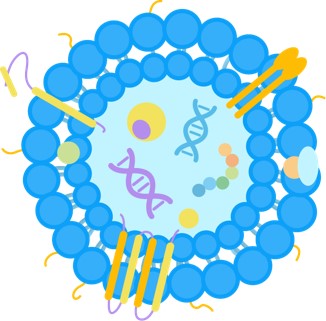
- Lipidomic Signature: Enriched in rigid lipids such as Sphingomyelin (SM) and Cholesterol, which provide stability in the bloodstream, and Phosphatidylserine (PS), which facilitates uptake by recipient cells.
- Protein Markers: The presence of tetraspanins (CD9, CD63, CD81) and "don't eat me" signals (CD47) prevents immune clearance and aids in homing.
- Fusogenic Properties: Their membrane structure is naturally optimized to fuse with endosomal membranes, allowing the cytosolic release of cargo.
Liposomes vs. Exosomes: A Comparative Analysis
Although both vesicular systems function as prominent drug delivery vehicles, they exhibit divergent pharmacological profiles and manufacturing constraints. This dichotomy has historically compelled a trade-off between the industrial scalability characteristic of synthetic liposomes and the superior bio-functional efficacy inherent to natural exosomes.
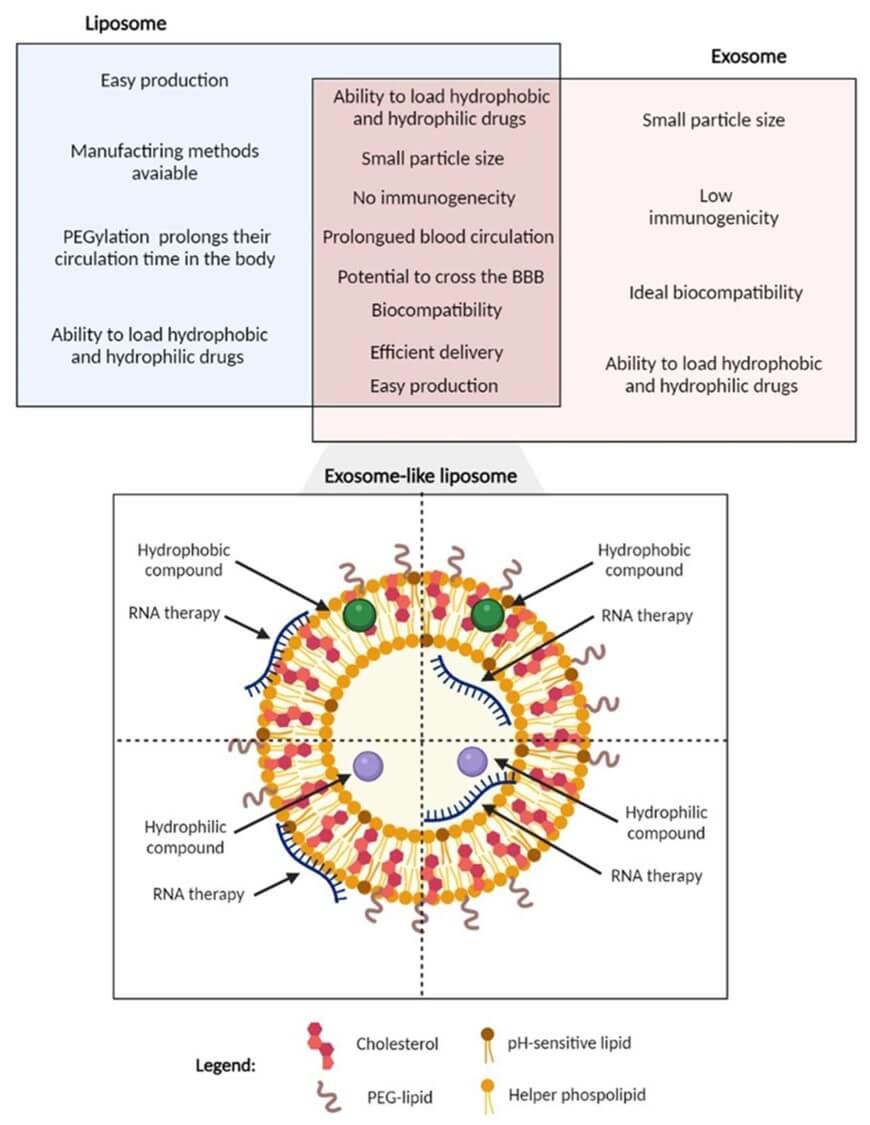 Fig. 1 Exosome-like liposomes combine advantages of liposomes and exosomes.1
This dichotomy necessitates a hybrid paradigm. By synergizing the scalability of synthetic lipids with the bio-functional complexity of exosomes, Exosome-Mimicked Liposomes emerge as a convergent solution, effectively circumventing the limitations inherent to single-platform vectors.
Exosome-Like Liposomes as Exosome Mimetics
Exosome-like liposomes are engineered by utilizing lipid components similar to those found in natural exosomes to create functional exosome mimetics. Instead of a hybrid fusion strategy, this approach involves directly formulating liposomes with synthetic lipids (e.g., DOPC, DOPE) combined with key exosomal components (SM, Chol, PS) to replicate the specific lipid ratios and surface characteristics of exosomes without the need for cell culture harvest. This biomimetic formulation mimics the rigid, liquid-ordered phase of exosomes, enabling:
- Enhanced Stability: Mimicking the high cholesterol/SM content reduces leakage.
- Improved Trafficking: Utilizing PS and specific molar ratios to trigger caveolae-mediated endocytosis.
- Scalable Precision: Achieving biological functionality with fully synthetic, chemically defined components.
Advanced Exosome-Mimetic Engineering Services
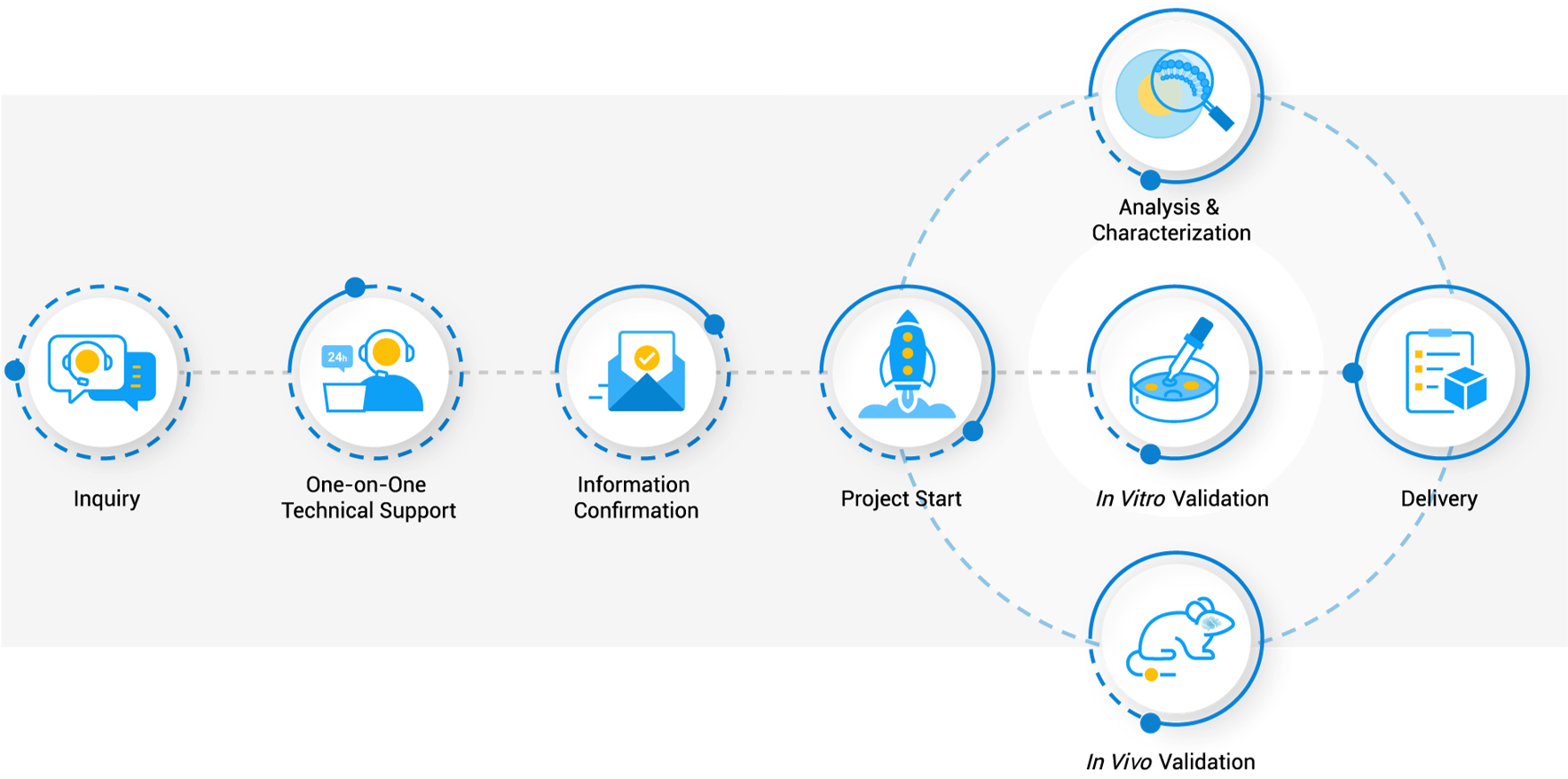
Creative Biolabs provides a holistic suite of engineering services designed to translate the biological complexity of exosomes into scalable, synthetic systems. Our integrated workflow covers the entire development lifecycle, from the analysis of source vesicles to the precision engineering and validation of exosome-mimetic candidates.
Exosome Analysis & Benchmarking Services
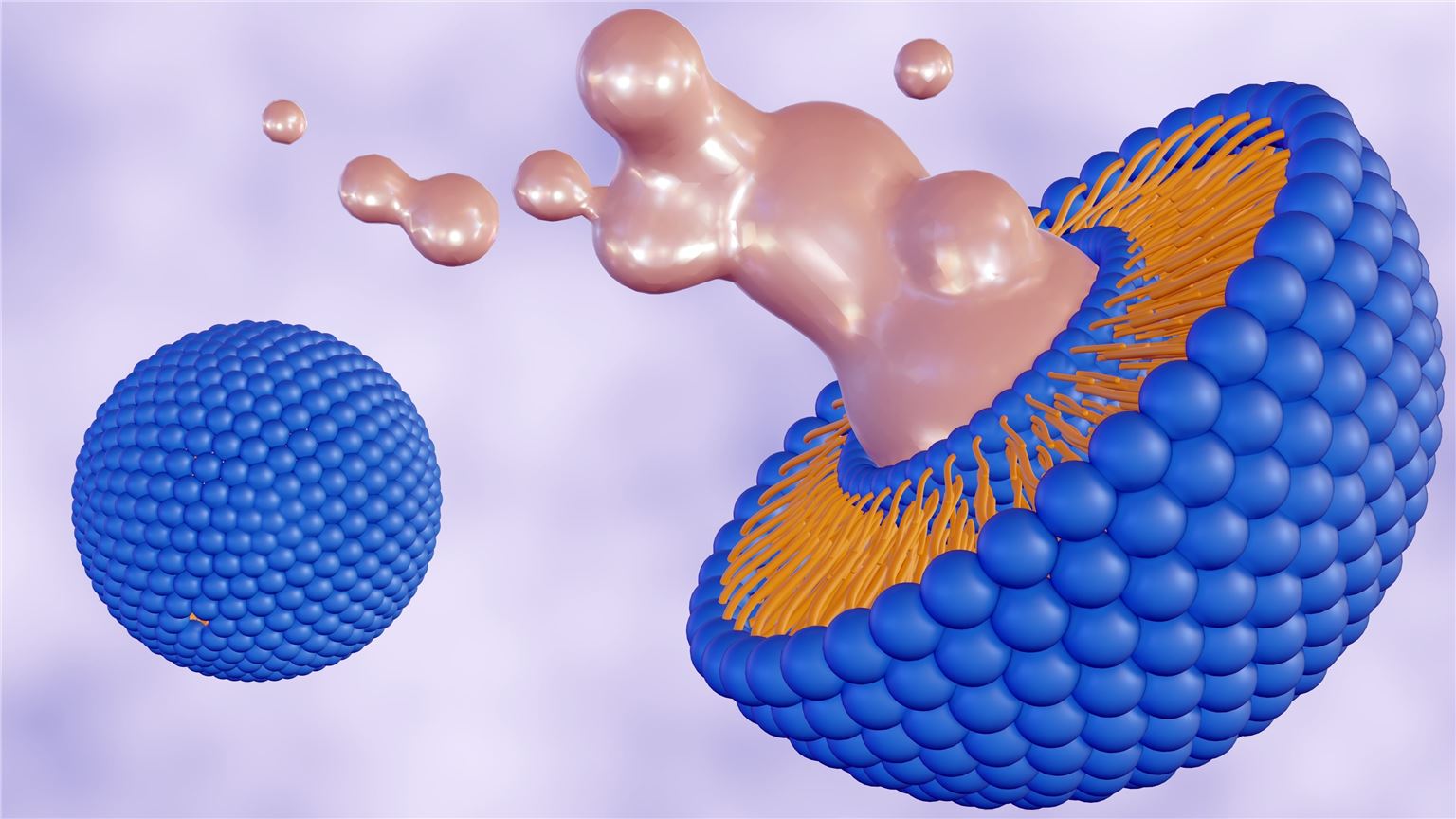
Before engineering a mimic, understanding the natural blueprint is crucial. We offer comprehensive analysis services to characterize exosomes derived from your specific cell lines or biofluids, establishing a precise reference standard.
- Source Flexibility: We accept exosomes isolated from diverse sources, including conditioned cell culture media (e.g., MSCs, dendritic cells), plasma, serum, and other biofluids.
- Physical Characterization: Utilization of nanoparticle tracking analysis (NTA) and dynamic light scattering (DLS) to determine precise size distribution and particle concentration.
- Composition Profiling: Advanced lipidomics to quantify molar ratios of phospholipids and sphingolipids; Proteomic analysis (Western Blot/Mass Spectrometry) to identify key surface markers (CD63, CD9, CD81) and cargo proteins.
Workflow
Unlocking New Therapeutic Horizons
Our Exosome-Mimicked Liposomes are tailored to address complex challenges where standard carriers fail, leveraging their unique bio-synthetic properties:
Overcoming the Blood-Brain Barrier (BBB) in Neurotherapeutics
Standard liposomes rarely cross the BBB efficiently. Exosome-mimicked liposomes, engineered with specific lipid compositions that mimic exosomes (often enriched in specific gangliosides), can utilize natural receptor-mediated transcytosis pathways. This allows for the non-invasive delivery of neuroprotective siRNA or antibodies for Alzheimer's and Parkinson's research.
Precision Immuno-Oncology Targeting
By mimicking the "don't eat me" signals of exosomes, Exosome-mimicked liposomes evade the mononuclear phagocyte system (MPS), significantly extending circulation time. Combined with the EPR effect, this allows for higher accumulation of chemotherapeutics or immunomodulators in the tumor microenvironment (TME) compared to standard PEGylated liposomes.
Fusogenic Delivery of Gene Editing Tools
The defining feature of exosome-mimicked liposomes containing DOPE is their pH-sensitive fusogenicity. Unlike standard liposomes which may get trapped in endosomes, exosome-mimicked liposomes can fuse with the endosomal membrane, facilitating the efficient cytosolic release of sensitive gene editing tools like CRISPR-Cas9 or mRNA vaccines, mimicking the viral-like efficiency of natural exosomes without the safety concerns.
Why Choose Creative Biolabs?
Lipidomic Precision
We don't just use standard lipids; we utilize specific ratios of DOPC/SM/Chol/DOPS/DOPE to recreate the biophysical environment of natural exosomes.
Scalable Consistency
Our synthetic manufacturing process eliminates the variability inherent in cell-derived exosome isolation, providing reproducible batches for clinical scaling.
We achieve encapsulation efficiencies significantly higher than those typically possible with passive loading into natural extracellular vesicles.
Tailored Biomimicry
Our platform allows for "tuning" the level of mimicry—from simple lipid composition matching to complex surface functionalization with targeting peptides.
Creative Biolabs is your trusted partner in navigating the complex frontier of biomimetic drug delivery. Our Exosome-Mimicked Liposomes Development Service combines the biological sophistication of nature with the precision and scalability of modern pharmaceutical engineering.
Related Services & Products
Related Services
Related Products
| Product Name | Description | Inquiry |
|---|---|---|
| Exosome-like Liposomes | Premade, ready-to-use liposomes developed using a precise biomimetic ratio of DOPC/SM/Chol/DOPS/DOPE to mimic natural membrane properties. | |
| Fluorescently Labeled Exosome-like Liposomes | Exosome-like liposomes pre-labeled with high-stability dyes (DiI, DiD, DiO, DiR, Rhodamine, Fluorescein) for tracking cellular uptake and biodistribution. |
FAQs
How exactly do Exosome-Mimicked Liposomes differ from standard liposomes?
Standard liposomes are often simple bilayers (e.g., PC/Chol). Exosome-mimicked liposomes are complex formulations designed to replicate the specific lipidomic profile of exosomes, typically incorporating SM, PS, and specific phospholipids (DOPE) to mimic the rigidity, stability, and fusogenic properties of natural vesicles.
Why use DOPC/SM/Chol/DOPS/DOPE specifically?
This specific combination creates a "liquid-ordered" phase that mimics the unique biophysical properties of the exosome membrane. SM and Chol provide stability in circulation; DOPS facilitates interaction with macrophages or target cells; and DOPE aids in endosomal escape (fusogenicity).
Can these Exosome-Mimicked Liposomes be used for in vivo tracking?
Yes. Our fluorescently labeled exosome-like liposomes (labeled with DiR or DiD) are specifically optimized for in vivo biodistribution studies, allowing you to track the carriers using near-infrared imaging without compromising their biomimetic properties.
Is the manufacturing process scalable?
Yes. Unlike natural exosomes, which require vast amounts of cell culture media to produce small yields, exosome-like liposomes are manufactured from synthetic components. This allows for kilogram-scale production suitable for preclinical and clinical development.
Do you offer custom fluorescent labeling?
Yes, in addition to our standard range (DiI, DiD, DiO, etc.), we can custom label exosome-like liposomes with specific fluorophores to match your imaging equipment requirements.
Reference
- Ribeiro, Joana, Ivo Lopes, and Andreia Castro Gomes. "A new perspective for the treatment of Alzheimer's disease: exosome-like liposomes to deliver natural compounds and RNA therapies." Molecules 28.16 (2023): 6015. https://www.preprints.org/manuscript/202306.1273. Distributed under Open Access license CC BY 4.0, without modification.