Stimuli-Responsive Liposome Development Service for Targeted Drug Delivery
The evolution of nanomedicine has shifted focus from simple drug carriers to "smart" systems capable of on-demand release. Stimuli-responsive liposomes represent the pinnacle of this evolution, designed to remain stable during circulation and release their therapeutic payload only in response to specific microenvironmental or external triggers. This spatiotemporal control significantly enhances the therapeutic index by maximizing drug concentration at the target site while minimizing systemic toxicity. Creative Biolabs leverages decades of expertise in lipid nanotechnology to provide comprehensive, end-to-end development services for high-precision, stimuli-responsive liposomal formulations.
Start Your Stimuli-Responsive Liposomes Project
The Science of Triggered Release
Spatiotemporal Control: The Next Frontier in Drug Delivery
The ultimate goal of modern drug delivery is to achieve precise "spatiotemporal control"—releasing the drug exactly where (space) and when (time) it is needed. Conventional liposomes, while effective at improving circulation time via PEGylation, often suffer from "slow leak" issues or failure to release the payload once they reach the target cells, leading to lysosomal degradation. Stimuli-responsive liposomes overcome this by remaining "silent" and secure during transport in the blood stream, only undergoing a dramatic structural change (destabilization, fusion, or pore formation) when activated by a specific trigger.
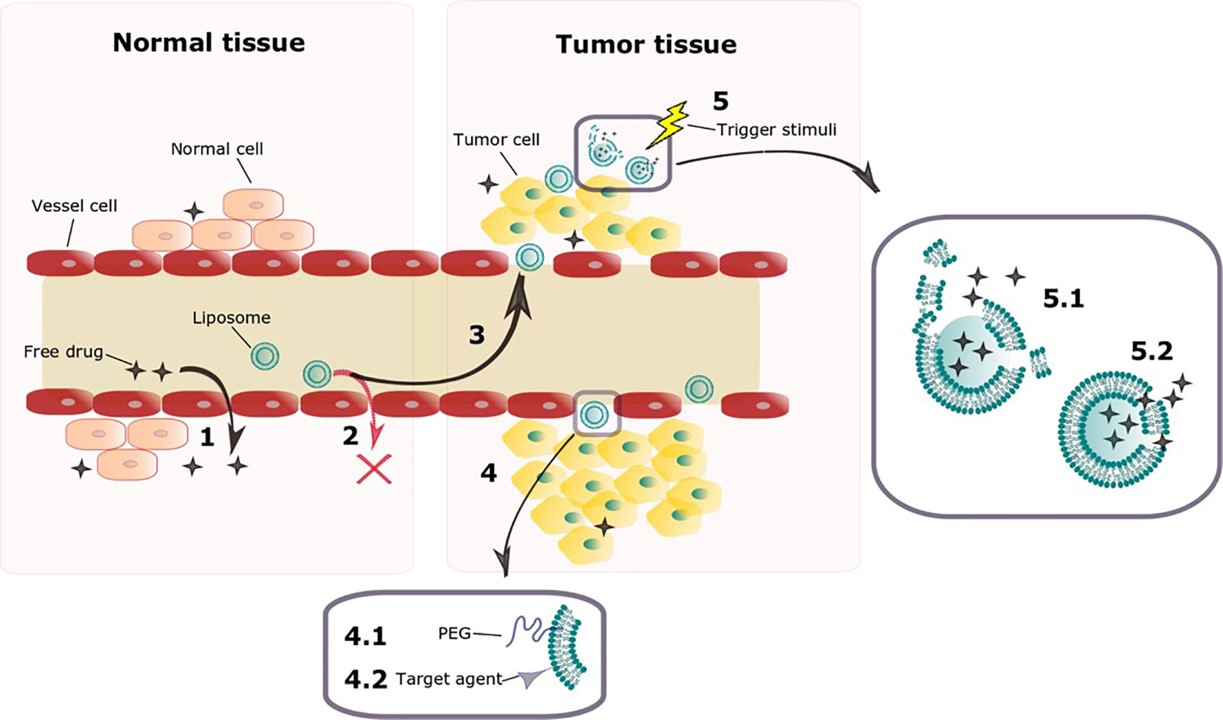 Fig. 1 Schematic representation of key features of liposomes as carriers of anticancer drugs and its evolution.1
Classification of Stimuli-Responsive Mechanisms
Stimuli-responsive liposomes are engineered with specialized lipid or polymer components that act as molecular switches. Upon exposure to a specific trigger, these components undergo a sharp physicochemical transition—such as protonation, hydrolytic cleavage, conformational change, or supramolecular disassembly. This alteration thermodynamically destabilizes the lipid bilayer, leading to the formation of pores, membrane fusion, or complete vesicle rupture, thereby rapidly releasing the encapsulated payload. These triggers are generally divided into Endogenous Stimuli, which exploit the unique pathological signatures of diseased tissues (e.g., acidic pH, high redox potential, overexpressed enzymes), and Exogenous Stimuli, which utilize externally applied physical fields (e.g., magnetic, ultrasound, light) to achieve clinician-controlled precision.
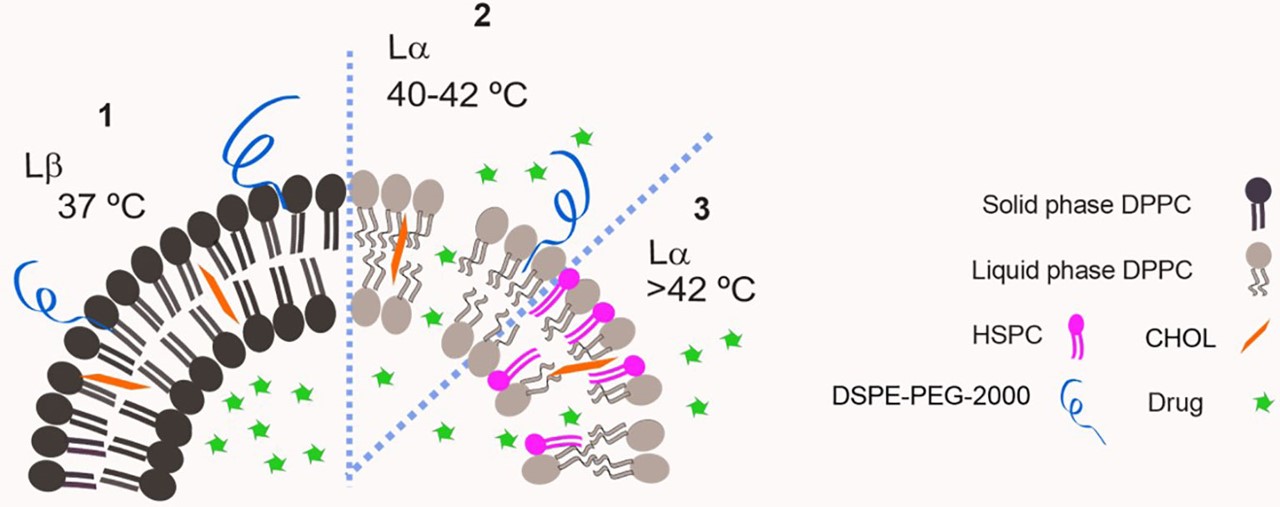 Fig. 2 Schematic representation of a classic thermo-sensitive liposome.1
Summary of Stimuli and Mechanisms
| Stimulus Category | Stimulus | Mechanism | Responsive Materials | Application |
|---|---|---|---|---|
| Endogenous | pH | Protonation of titratable groups induces a coil-to-globule transition or electrostatic repulsion, causing bilayer fusion; or acid-catalyzed hydrolysis of linkers removes protective PEG layers. | DOPE, CHEMS, Hydrazone-PEG, Poly(histidine), Citraconyl-PEG | Endosomal escape (pH < 6.0), Tumor extracellular release (pH 6.5). |
| Redox | Cleavage of disulfide (-S-S-) bonds by high intracellular Glutathione (GSH) levels (100-1000x higher than extracellular), leading to bilayer disintegration or de-crosslinking. | DSPE-SS-PEG, Disulfide-crosslinked lipids, Thioether lipids | Cytosolic delivery of sensitive payloads like siRNA/mRNA. | |
| Enzyme | Site-specific cleavage of peptide linkers or lipid headgroups by disease-associated enzymes (MMPs, PLA2), leading to supramolecular disassembly or "unmasking" of the liposome. | MMP-cleavable peptides | Enhancing tumor penetration, Infection site targeting. | |
| Hypoxia | Bioreduction of hydrophobic groups (nitroimidazole, azobenzene) to hydrophilic forms in low oxygen environments, altering the amphiphilicity of the lipid bilayer. | Nitroimidazole derivatives, Azobenzene linkers | Targeting hypoxic tumor cores in solid tumors. | |
| ATP | Aptamer-integrated lipids undergo a conformational switch upon binding to intracellular ATP, destabilizing the liposome structure. | ATP-binding DNA aptamers conjugated to lipids | Intracellular release in high-energy metabolic cells. | |
| Glucose | Phenylboronic acid (PBA) moieties form reversible cyclic esters with glucose diols, causing swelling or a shift in hydrophilicity that disrupts the membrane. | Phenylboronic acid (PBA)-modified lipids/polymers | Self-regulated insulin delivery for diabetes management. | |
| Metal-Ion | Disruption of coordination bonds between metal ions and chelating lipids, or competitive displacement, triggering vesicle disassembly. | Chelating lipids (e.g., DSPE-DTPA), Metal-organic frameworks (MOFs) | Targeting tissues with specific ion accumulation. | |
| Exogenous | Temperature | Heating above the Gel-to-Liquid Crystalline Phase Transition Temperature (Tm) increases lipid fluidity and permeability, releasing the drug. | DPPC, MSPC, Poly(N-isopropylacrylamide) (PNIPAM) | Solid tumor ablation combined with Hyperthermia (HIFU). |
| Light (NIR/UV) | Absorption of light energy leads to photothermal heating (increasing permeability), photochemical cleavage, or photo-isomerization of lipid components. | Gold Nanorods (GNRs), Indocyanine Green (ICG), Spiropyran | Deep tissue triggering, Ocular therapy, Photodynamic Therapy. | |
| Ultrasound | Acoustic energy induces cavitation (inertial or stable), causing microbubble formation and mechanical shear stress that transiently disrupts the bilayer. | Microbubbles, Porphyrins, Pluronic micelles | Blood-Brain Barrier (BBB) opening, Tumor sonoporation. | |
| Magnetic | Alternating Magnetic Fields (AMF) induce magneto-thermal heating via hysteresis loss in magnetic nanoparticles, or mechanical vibration to disrupt the membrane. | SPIONs (Superparamagnetic Iron Oxide Nanoparticles) | Theranostics (MRI + Therapy), Magnetic targeting. | |
| Electro | Redox reactions of conductive polymer headgroups or electro-sensitive lipids under an applied electric field alter the oxidation state and solubility. | Ferrocene-containing lipids, Polypyrrole, Polyaniline | Controlled release implants, Neural tissue engineering. |
Dual & Multi-Responsive Systems
To surpass the limitations of single-trigger systems, Creative Biolabs engineers advanced multi-stimuli responsive platforms that function as biological logic gates. By integrating orthogonal sensitivity profiles, we achieve unprecedented targeting specificity. This synergistic approach effectively mitigates "leakage" in off-target tissues while ensuring rapid, burst-release bioavailability strictly at the pathology site where multiple signals converge.
| Stimuli Combination | Mechanism of Action | Stimuli Combination | Mechanism of Action |
|---|---|---|---|
| pH + Redox | Acid-triggered endosomal escape followed by GSH-triggered cytosolic disassembly. | pH + Temperature | Mild hyperthermia increases membrane fluidity, amplifying pH-sensitivity for rapid burst release. |
| Magnetic + Temperature | AMF generates local heat via SPIONs to trigger the thermosensitive phase transition. | Enzyme + pH | MMP cleavage removes PEG steric barrier (unmasking), exposing pH-sensitive surface for cellular uptake. |
| Light + Hypoxia | NIR light induces photodynamic therapy (PDT), consuming oxygen to enhance hypoxia-triggered drug release. | Ultrasound + Magnetic | Magnetic targeting accumulates liposomes, followed by ultrasound-triggered cavitation release. |
Comprehensive Development Solutions for Intelligent Nanocarriers
Creative Biolabs provides a modular, expert-driven service suite designed to translate complex chemical concepts into viable, stable liposomal formulations. We go beyond standard formulation to engineer intelligent systems with precise biological reactivity.
Rational Design & Engineering of Stimuli-Responsive Bilayers
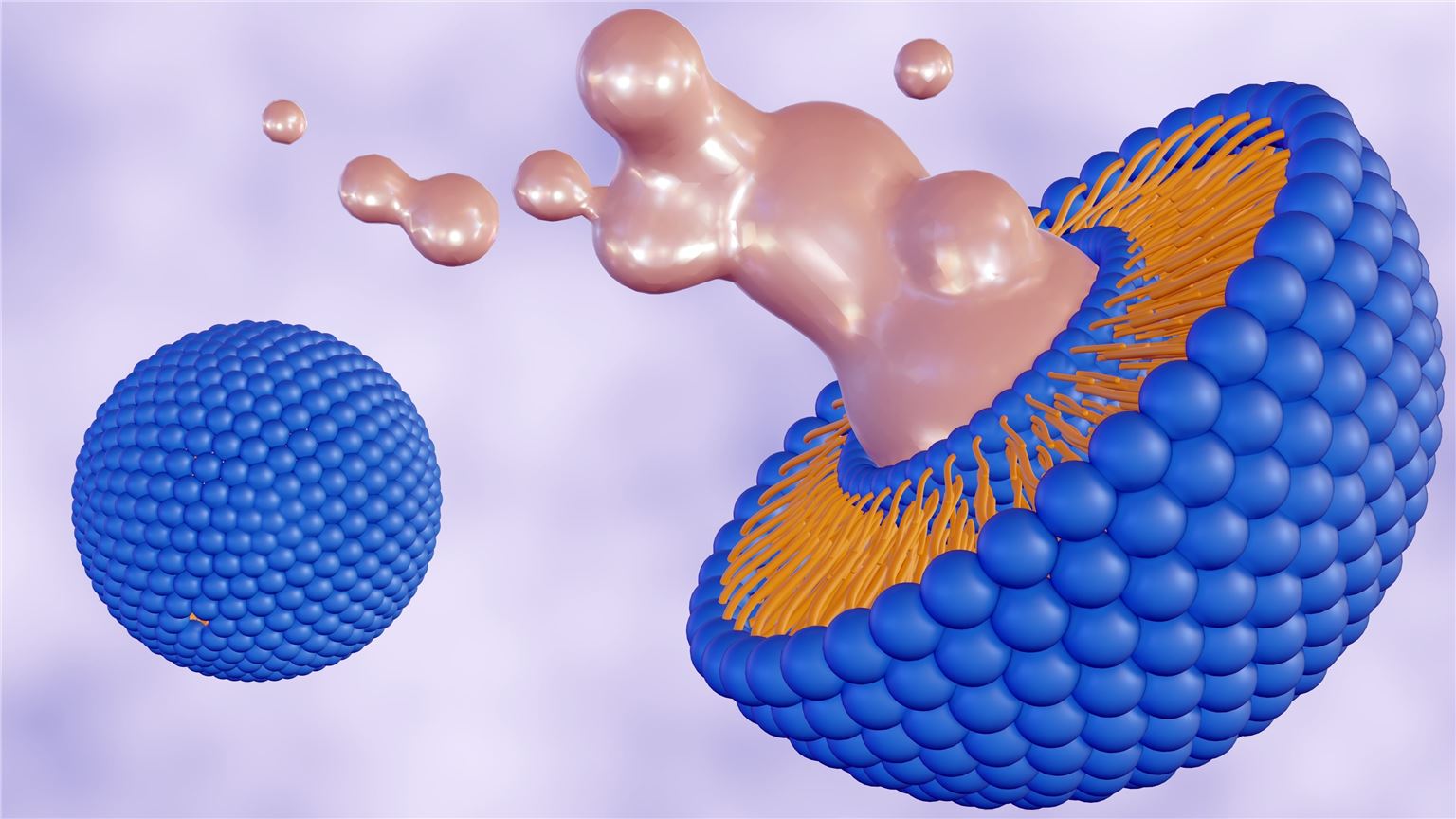
We employ a data-driven approach to design lipid bilayers that exhibit sharp sensitivity to environmental changes without compromising physiological stability.
- Lipid Library Screening & Synthesis: Access to our proprietary library of functional lipids, including novel ionizable lipids, fusogenic helper lipids (DOPE), and responsive polymers. We also offer custom synthesis of bespoke responsive lipids to meet unique trigger requirements.
- Transition Temperature Fine-Tuning: For thermosensitive liposomes, we utilize thermodynamic modeling to precisely adjust the gel-to-liquid crystalline phase Tm. By optimizing the molar ratios of DPPC, and DSPC, we can tune the transition point (e.g., to exactly 41°C) to match clinical hyperthermia protocols.
- pKa Optimization for Ionizable Lipids: We rigorously screen and fine-tune the apparent pKa of ionizable cationic lipids to ensure they remain neutral and stable at physiological pH (7.4) while undergoing rapid protonation and disassembly at endosomal pH (5.0–6.0).
Precision Engineering for Smart, Stimuli-Responsive Drug Delivery
Workflow
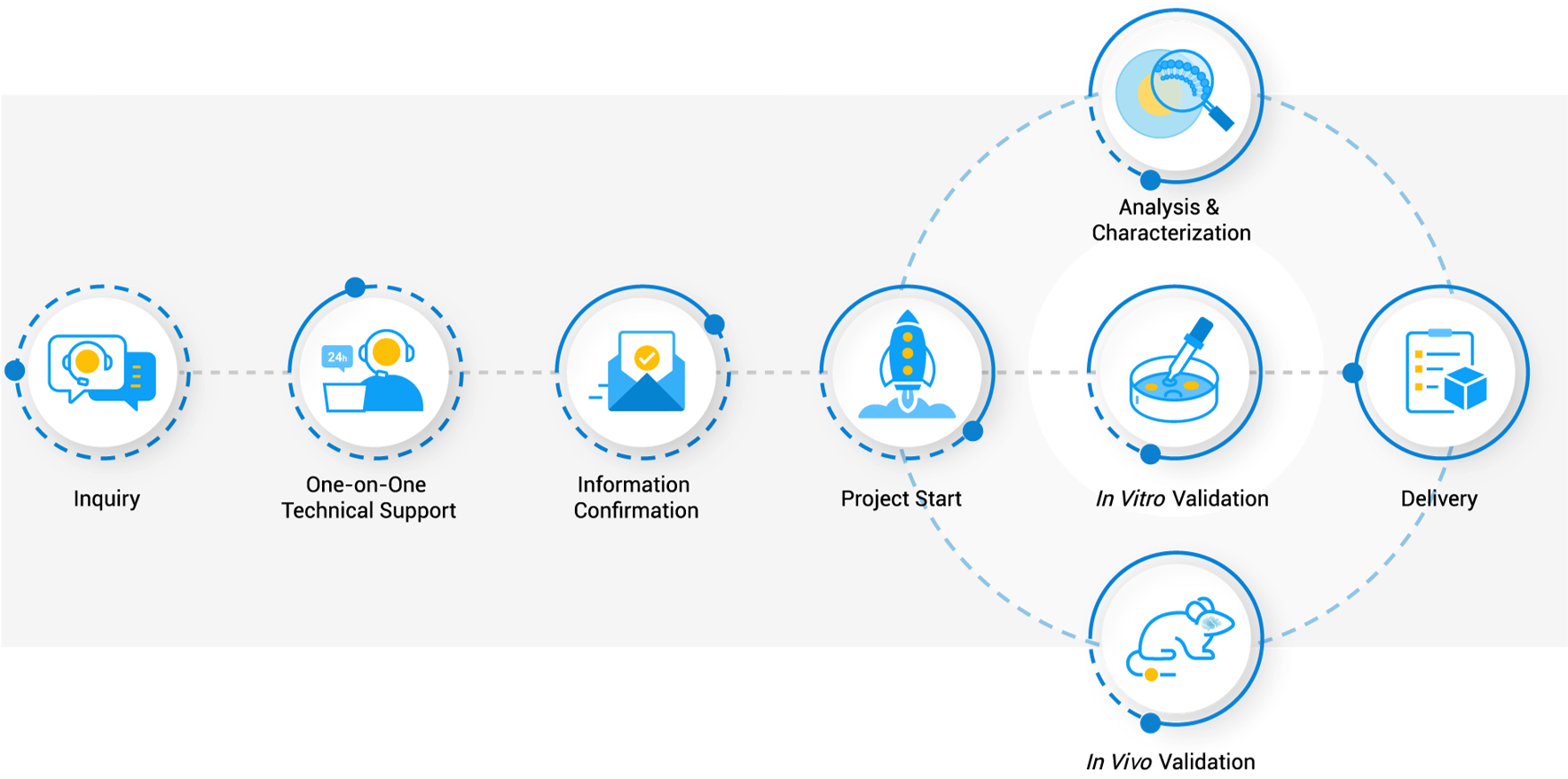
Pioneering Therapeutic Applications of Smart Liposomes
Our stimuli-responsive liposome technologies drive innovation across critical therapeutic areas:
- Oncology & Tumor Targeting: Utilizing pH-sensitive or Thermo-sensitive liposomes to deliver high concentrations of chemotherapeutics specifically to the acidic or heated tumor core. This overcomes multidrug resistance by delivering a "burst" dose intracellularly.
- Gene Delivery & Endosomal Escape: Designing pH-responsive liposomes containing cationic lipids that disrupt the endosomal membrane upon acidification. This is critical for the functional delivery of siRNA, mRNA, and CRISPR-Cas9 components.
- Infectious Disease Management: Targeting intracellular pathogens residing in macrophages using Enzyme-responsive or Redox-responsive liposomes that degrade strictly within the lysosomal environment of infected cells.
- Theranostics & Image-Guided Therapy: Co-encapsulating therapeutic agents with contrast/imaging dyes (Gadolinium, Iodine) in Thermosensitive or Magnetic liposomes, allowing clinicians to visualize drug release in real-time.
- Diabetes & Metabolic Disorders: utilizing Glucose-responsive systems for the self-regulated release of insulin.
Why Choose Creative Biolabs?
Proprietary Functional Lipid Inventory
Immediate access to a vast catalog of specialized lipids including pH-cleavable PEG, redox-sensitive disulfides, and ionizable cationic lipids.
Precise Trigger Tuning
Capability to fine-tune Tm within 0.5°C accuracy or pKa values within 0.1 units.
Advanced Trigger Validation
In-house equipment for NIR laser irradiation, focused ultrasound (FUS), and alternating magnetic field (AMF) generation for authentic release testing.
Scalable Manufacturing
Seamless transition from microfluidic formulation screening (mL scale) to pilot-scale production (L scale) for pre-clinical studies.
Expert Scientific Team
PhD-level scientists with specialized experience in triggered drug delivery systems and chemical synthesis of functional lipids.
Creative Biolabs is your premier partner for navigating the complex landscape of smart drug delivery. Our stimuli-responsive liposomes development service combines cutting-edge lipid science with robust manufacturing processes to transform your therapeutic concepts into precision nanomedicines. Whether targeting the tumor microenvironment or facilitating intracellular gene delivery, we provide the expertise and technology to ensure your payload arrives exactly where it is needed.
Related Services & Products
Related Services

Related Products
| Product Name | Description | Inquiry |
|---|---|---|
| DOPE | Essential fusogenic lipid for pH-sensitive formulations. | |
| CHEMS | Cholesteryl Hemisuccinate. Used with DOPE to create pH-sensitive bilayers that destabilize in acidic environments. | |
| MMP-Cleavable Peptide-PEG | Lipid-PEG conjugate with a peptide sequence cleaved by Matrix Metalloproteinases. | |
| Stimuli-Responsive Lipids | A comprehensive collection of functional lipids for triggered release (pH, Redox, ROS), including DSPE-Hyd-PEG, DSPE-PEG-TK-NHS, DSPE-SS-NHS, and DSPE-TK-PEG-SH. |
FAQs
Can you combine two triggers in one liposome?
Yes. We frequently develop "dual-responsive" systems. For example, a liposome that requires both acidic pH and elevated GSH to release its payload. This logic-gate approach drastically improves targeting specificity.
What is the typical release time once the stimulus is applied?
It depends on the mechanism. Thermosensitive liposomes typically release >80% of their content within seconds to minutes of heating. pH-sensitive liposomes may take minutes to tens of minutes depending on the acidity level.
Can you scale up production for animal studies?
Yes, our workflow is designed to scale. We can produce milligram quantities for in vitro screening and scale up to gram quantities for in vivo animal trials.
Do you offer lyophilization for these sensitive formulations?
Yes, we offer lyophilization cycle development using appropriate cryoprotectants to ensure the liposomes retain their size and stimuli-responsive properties upon reconstitution.
How do you validate the "triggered" release mechanism?
We perform in vitro release assays using dialysis or flow methods under simulated conditions (e.g., incubating at different pH levels or temperatures) and quantify release using HPLC or fluorescence spectroscopy.
Reference
- Franco, Marina Santiago, et al. "Triggered drug release from liposomes: exploiting the outer and inner tumor environment." Frontiers in Oncology 11 (2021): 623760. https://doi.org/10.3389/fonc.2021.623760. Distributed under Open Access license CC BY 4.0, without modification.