Charged Liposome Development Service for Targeted Drug Delivery
Targeted drug delivery remains one of the most significant challenges in modern biopharmaceuticals, where the difference between therapeutic success and off-target toxicity often lies in the physicochemical properties of the carrier. Among these critical attributes, surface charge (Zeta Potential) plays a definitive role in determining colloidal stability, biodistribution, and cellular interaction. At Creative Biolabs, we provide a comprehensive solution for the design and manufacturing of charged liposomes.
Start Your Charged Liposome Project
Background
What Are Charged Liposomes?
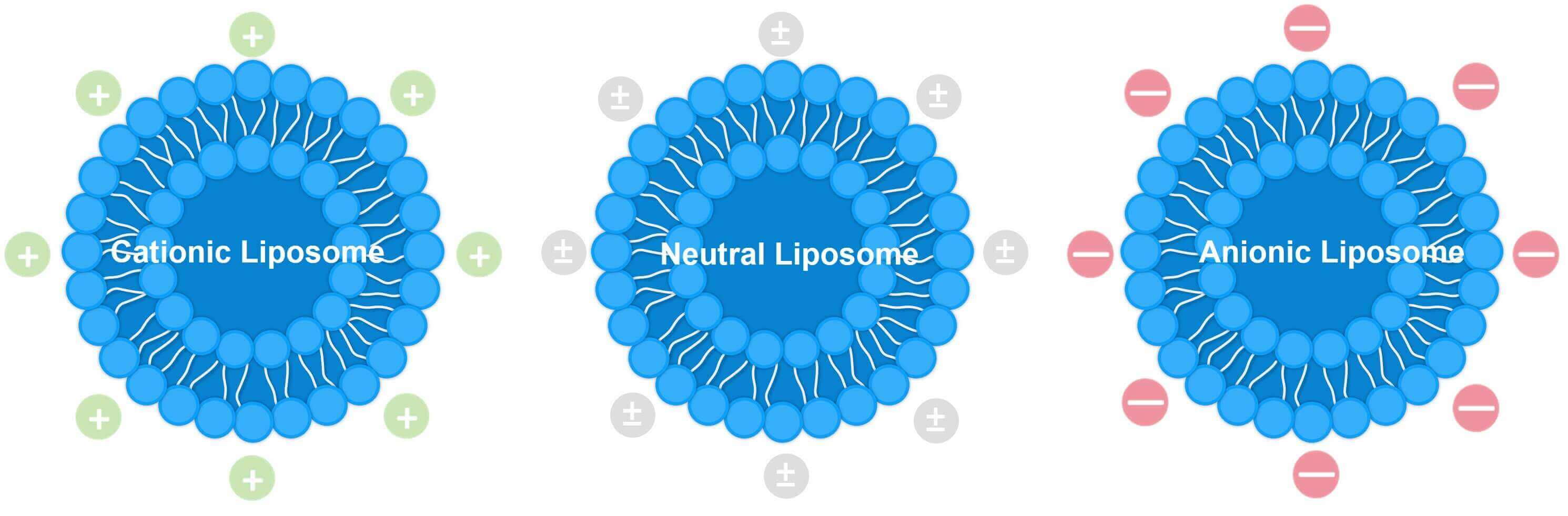
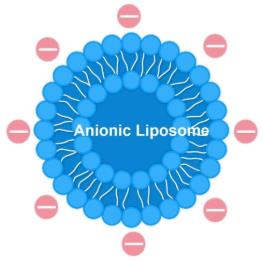
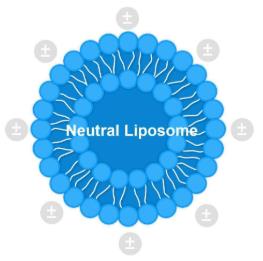
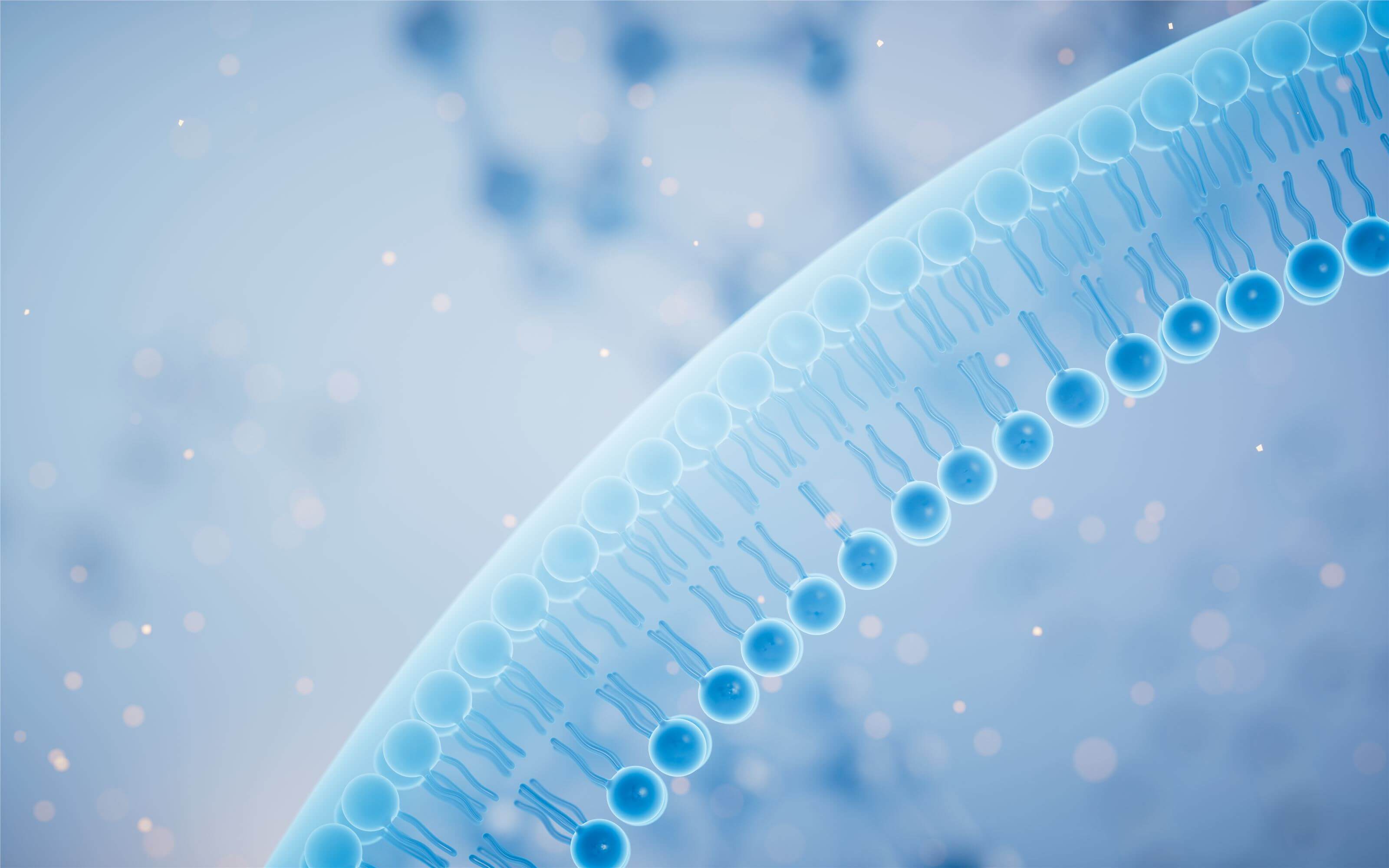
Charged liposomes are lipid vesicles engineered with specific surface potentials—positive (cationic), negative (anionic), or neutral—to achieve distinct biological outcomes. By manipulating the ratio of charged lipids (such as DOTAP for positive charge or DSPG for negative charge) to structural lipids, formulation scientists can precisely control the Zeta Potential. This surface charge is a fundamental parameter that influences how the liposome interacts with its environment, including serum proteins, immune cells, and target tissues.
The Critical Role of Zeta Potential in Targeted Drug Delivery
Zeta Potential is not merely a measure of charge; it is a predictor of colloidal stability. A high Zeta Potential (either positive or negative) creates repulsive forces between particles, preventing aggregation and improving shelf-life stability. In biological contexts, optimized Zeta Potential is essential for navigating barriers like the blood-brain barrier (BBB) or penetrating mucosal layers. For researchers developing gene therapies or targeted chemotherapeutics, precise control over this attribute is often the key to unlocking efficient intracellular delivery.
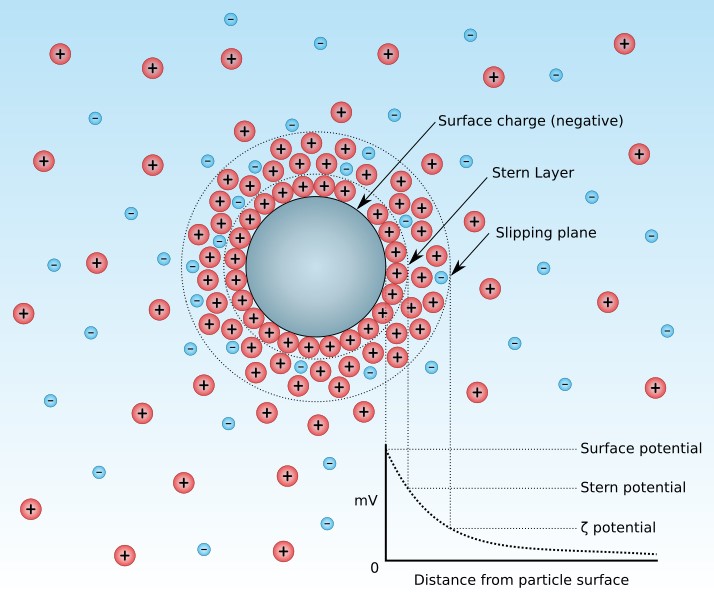 Distributed under CC BY-SA 3.0, from Wiki, without modification.
Zeta Potential acts as a fundamental determinant in nanomedicine, governing the complex physicochemical interactions that dictate colloidal stability, biodistribution, and cellular uptake pathways:
Gene Delivery Efficiency
- Condensation: Positive surface potential is prerequisite for the electrostatic compaction of anionic nucleic acids (siRNA, mRNA, pDNA) into stable lipoplexes.
- Transfection: Cationic lipids facilitate interaction with negatively charged cell membranes and promote endosomal escape (often via the "proton sponge" effect), releasing the genetic payload into the cytoplasm for action.
Influence on Liposome Properties
- Stability: A high absolute Zeta Potential (typically > ±30 mV) creates strong electrostatic repulsion between vesicles, preventing aggregation and flocculation, thereby ensuring long-term colloidal stability.
- Drug Loading: Surface charge affects the transmembrane pH gradient, which is critical for the active loading of ionizable drugs (e.g., Doxorubicin). Correctly matched lipid charges can maximize encapsulation efficiency.
- Controlled Release: Electrostatic interactions between the lipid bilayer and the drug cargo can tighten the membrane structure, allowing for sustained, controlled release profiles compared to neutral formulations.
Cellular Interactions (Phagocytosis & Pinocytosis)
- Pinocytosis: Cationic liposomes typically enter cells via adsorptive pinocytosis due to their affinity for the negative charge of the cell surface proteoglycans.
- Phagocytosis: Highly charged particles are more susceptible to opsonization (coating by serum proteins), which marks them for recognition and rapid phagocytosis by macrophages.
Blood Clearance & Circulation
- RES Evasion: The Reticuloendothelial System (RES) preferentially clears charged particles. Neutral or near-neutral liposomes (often PEGylated) minimize protein adsorption (protein corona formation), allowing them to evade immune surveillance and circulate in the bloodstream for extended periods.
Biodistribution
- Organ Specificity: Surface charge dictates tissue accumulation. Cationic liposomes frequently accumulate in the lungs and liver due to interaction with the vast capillary networks. Neutral liposomes tend to distribute more evenly in the plasma until cleared.
Tumor Targeting
- EPR Effect: Neutral or slightly anionic liposomes (~ -10 mV) are optimal for exploiting the Enhanced Permeability and Retention (EPR) effect, passively accumulating in tumor tissues via leaky vasculature.
- Tumor Penetration: While cationic liposomes target tumor vascular endothelium, anionic formulations may penetrate deeper into the tumor interstitial space due to electrostatic repulsion from the negatively charged extracellular matrix.
Specialized Charged Liposome Solutions
Creative Biolabs offers a modular platform for the development of charged liposomes, allowing for precise tuning of lipid composition and surface chemistry to meet your specific research goals.
Cationic Liposomes Development
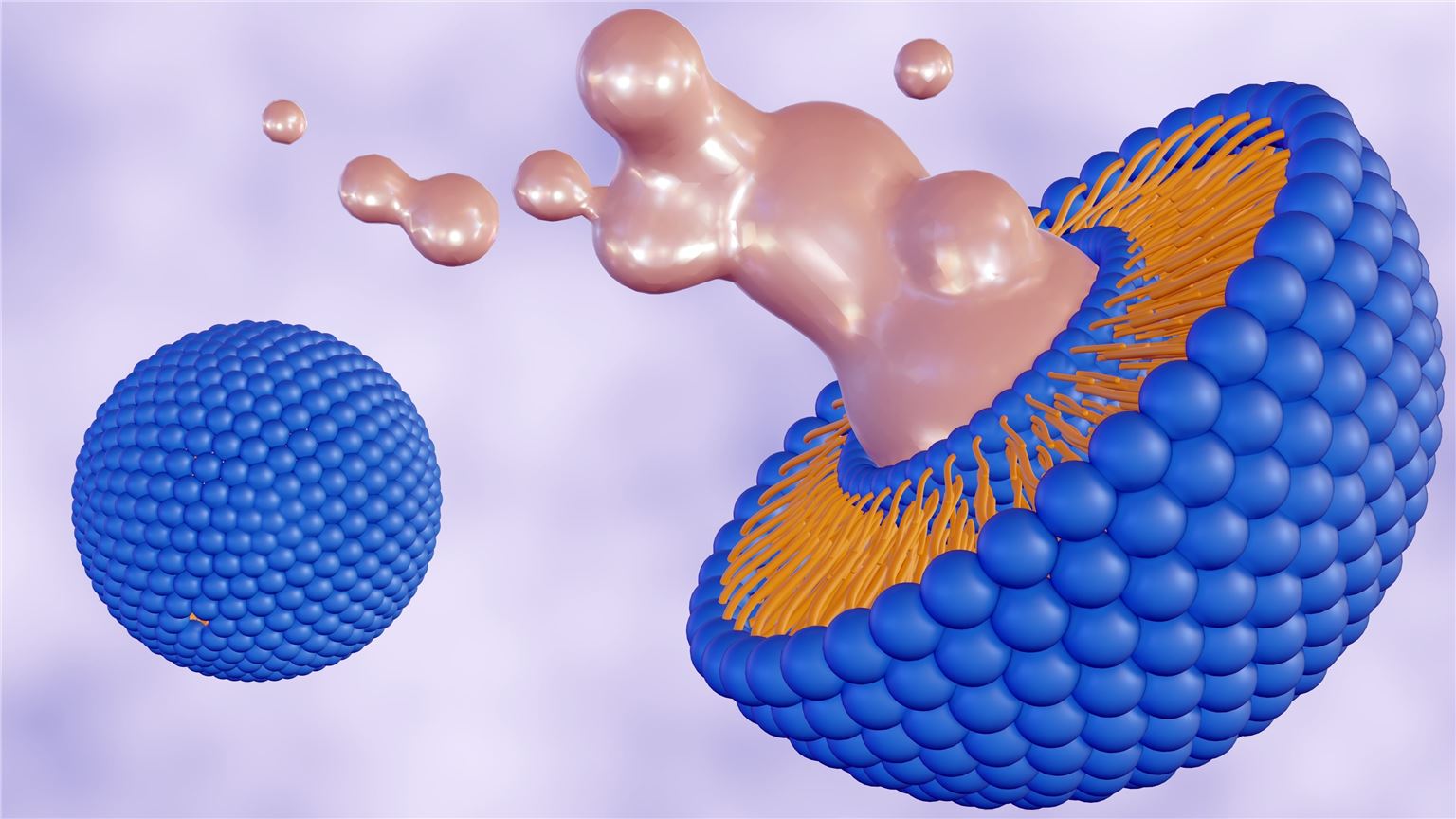
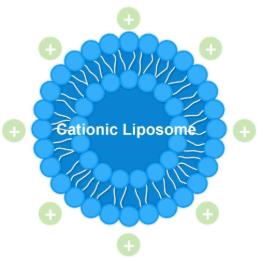
Cationic liposomes serve as the cornerstone of non-viral gene delivery, facilitating the electrostatic condensation of nucleic acids (siRNA, mRNA, DNA plasmids) and ensuring efficient intracellular trafficking.
- Lipid Library: We utilize a broad spectrum of quaternary ammonium and tertiary amine lipids, including DOTAP, DOTMA, DC-Chol, DDAB, and ionizable cationic lipids, to fine-tune the surface charge density.
-
Service Features:
- Charge Ratio Optimization: Precise titration of N/P ratios (Nitrogen to Phosphate) to balance encapsulation efficiency with toxicity profiles.
- Endosomal Escape: Incorporation of helper lipids (e.g., DOPE) to facilitate hexagonal phase transition and cytosolic release.
- Customization Options: PEGylation for extended circulation (shielded cation) or ligand conjugation for targeted delivery.
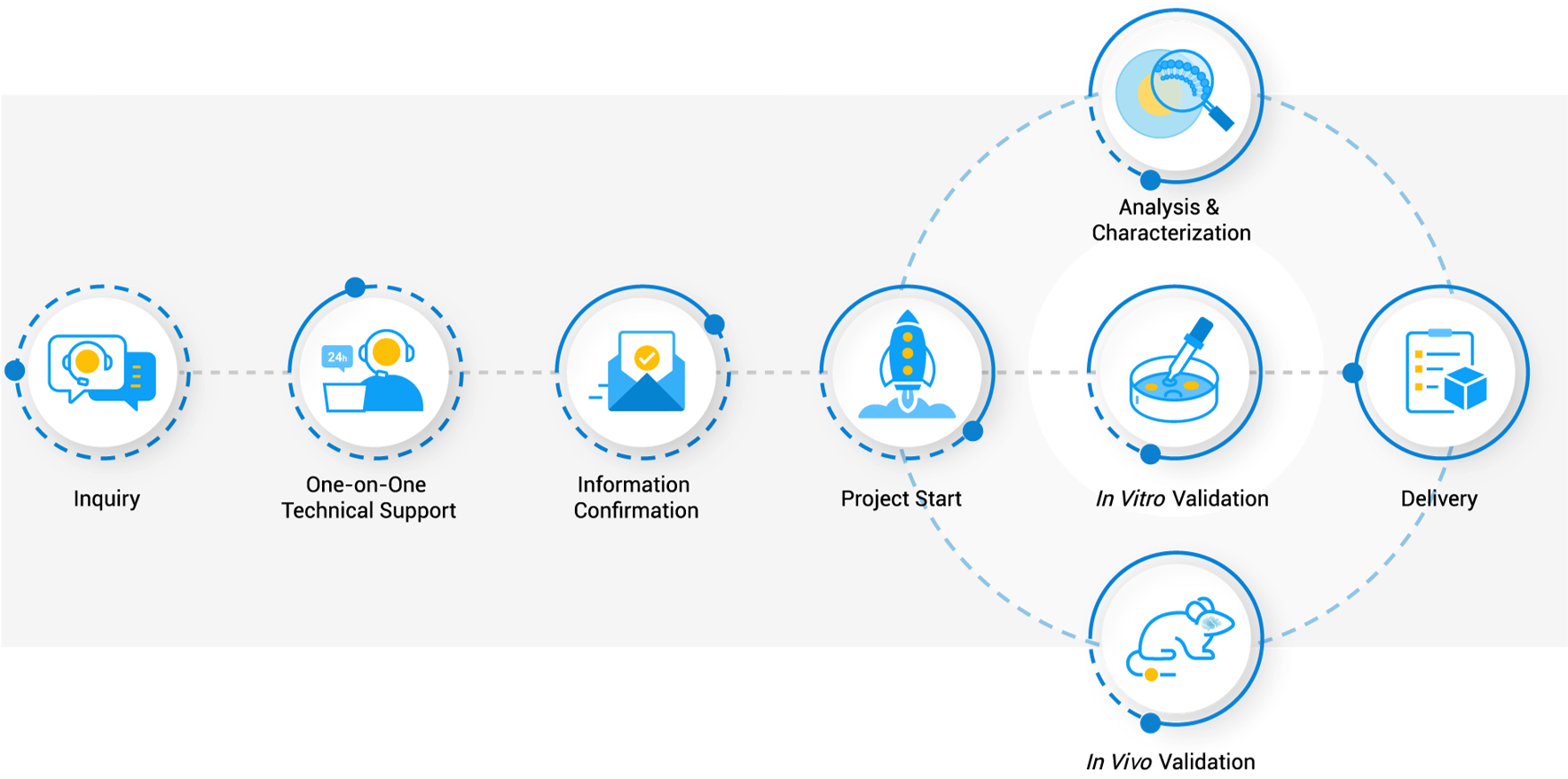
Workflow
Why Choose Creative Biolabs?
Customization at the Molecular Level: We do not simply sell off-the-shelf lipids; we engineer the lipid bilayer composition to achieve the exact Zeta Potential required for your biological model.
Advanced "Module Delivery" Approach: Our ability to integrate charged liposomes with functional Targeted Modules (ligands, aptamers) provides a dual-layer of targeting specificity.
Rigorous Quality Control: Every batch undergoes comprehensive testing (DLS, ELS, HPLC) to ensure high reproducibility and publication-grade data.
Scalability: Our workflows are designed to scale seamlessly from milligram-level R&D pilots to gram-level preclinical batches.
Expertise in Complex Payloads: We possess specialized know-how in encapsulating difficult-to-handle cargoes, including large proteins and unstable RNA sequences.
Creative Biolabs is dedicated to advancing the frontiers of drug delivery through precision-engineered charged liposomes. Whether you require robust cationic carriers for genetic material or stealth neutral formulations for systemic chemotherapy, our team possesses the technical acumen and manufacturing capabilities to support your program.
Related Services

FAQs
What is the optimal Zeta Potential range for systemic delivery?
Generally, a slightly negative or neutral charge (-10mV to +10mV) is preferred to minimize protein adsorption (opsonization) and extend circulation time. Highly cationic particles are often cleared rapidly by the liver and lungs.
Can you customize the buffer system for the final formulation?
Yes. We can prepare liposomes in PBS, HEPES, Histidine, or other custom buffers depending on your payload's stability requirements and intended in vivo application.
How stable are charged liposomes in serum?
Stability depends on lipid composition. Cationic liposomes can aggregate with negatively charged serum proteins. We often incorporate PEGylated lipids to provide steric shielding and improve serum stability.
Do you ensure sterility?
We conduct all liposome development within a strictly sterile environment. Furthermore, if your project requires it, we can provide quantitative endotoxin detection as an additional service to verify suitability for sensitive cell culture or animal studies.
What is the minimum volume for a custom order?
We are flexible with batch sizes. For initial feasibility studies, we typically start with 2–5 mL volumes, which is sufficient for physicochemical characterization and initial in vitro testing.
Can you encapsulate hydrophobic drugs in charged liposomes?
Absolutely. Hydrophobic drugs are embedded within the lipid bilayer. We optimize the lipid-to-drug ratio to maximize loading efficiency without disrupting the bilayer stability.