Drug-Loaded Liposome Development Service for Targeted Drug Delivery
Precision medicine relies on the ability to deliver potent therapeutics exactly where they are needed, minimizing systemic exposure and maximizing efficacy. At Creative Biolabs, we specialize in overcoming the complex biological and physicochemical barriers that hinder drug development. By leveraging advanced lipid nanotechnology, we transform promising active pharmaceutical ingredients (APIs)—from small molecules to gene therapies—into viable formulations. With a focus on stability, scalability, and target specificity, Creative Biolabs stands as a premier expert in the design and development of custom drug-loaded liposomes.
Start Your Drug-Loaded Liposome Project
Background
In Vivo Fate & Release Kinetics of Liposomes
Upon systemic administration, liposomes navigate a complex biological environment before releasing their cargo. The in vivo fate—from circulation to cellular uptake and final intracellular release—is a critical determinant of therapeutic success. Understanding these dynamics is essential for designing formulations that not only reach the target site but also deliver the drug in its active form.
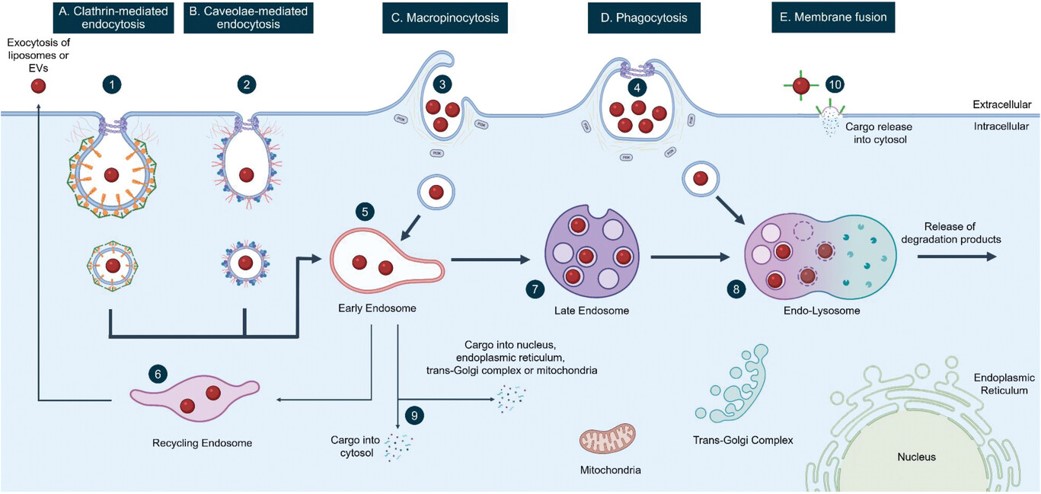 Fig. 1 Overview of internalization mechanisms of liposomes and EVs into cells. 1,3
Particle size, surface charge (Zeta potential), and lipid composition directly dictate circulation time and biodistribution.
Serum protein adsorption (opsonization) can trigger immune clearance, while pH variations in the tumor microenvironment can trigger payload release.
The therapeutic efficacy depends on the controlled release of the drug, driven by membrane permeability, diffusion rates, and liposome degradation or fusion with target cell membranes.
Universal Payload Compatibility of Liposomes
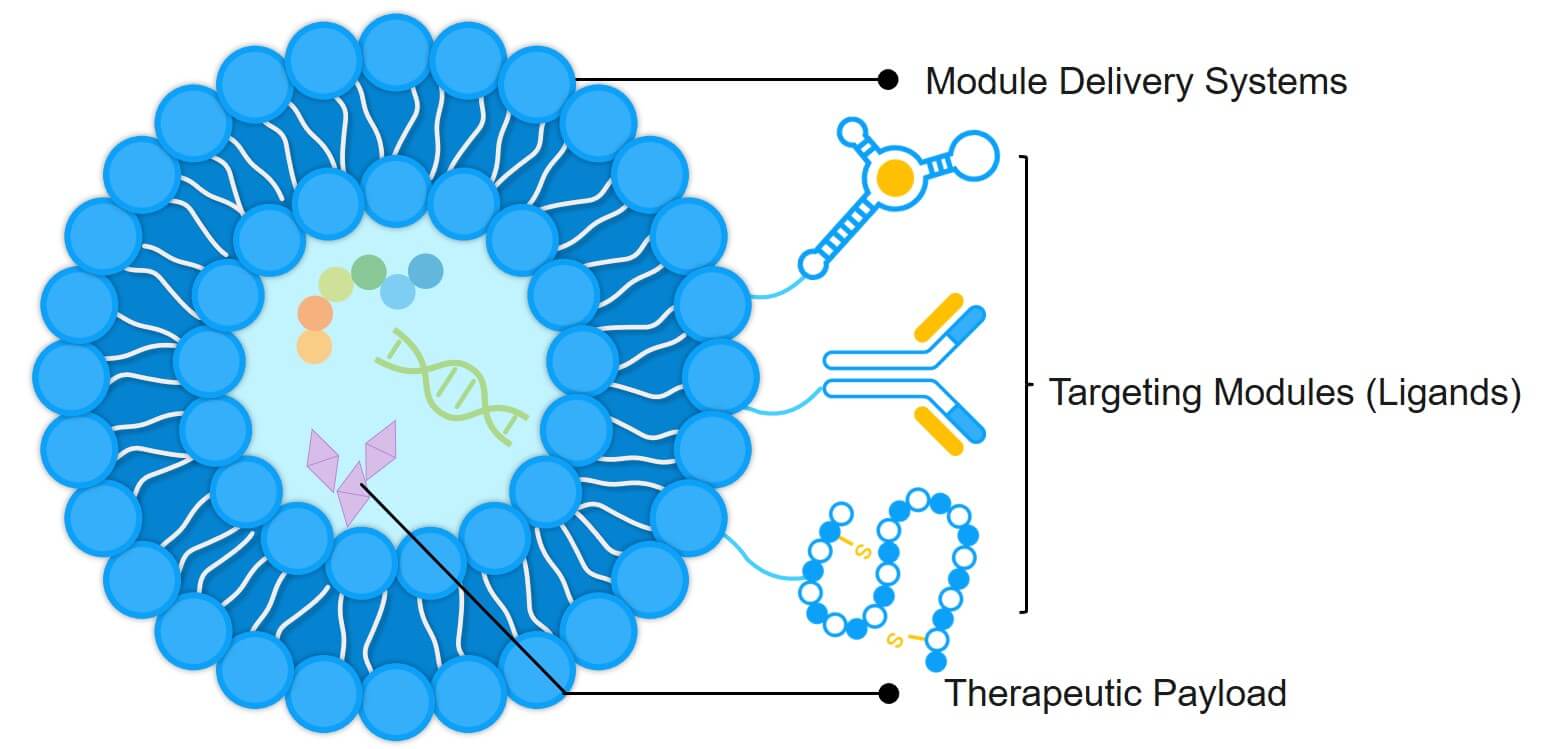
Liposomes are uniquely versatile vehicles capable of accommodating a diverse spectrum of therapeutic agents. Their amphiphilic nature allows for the spatial segregation of cargos based on solubility.
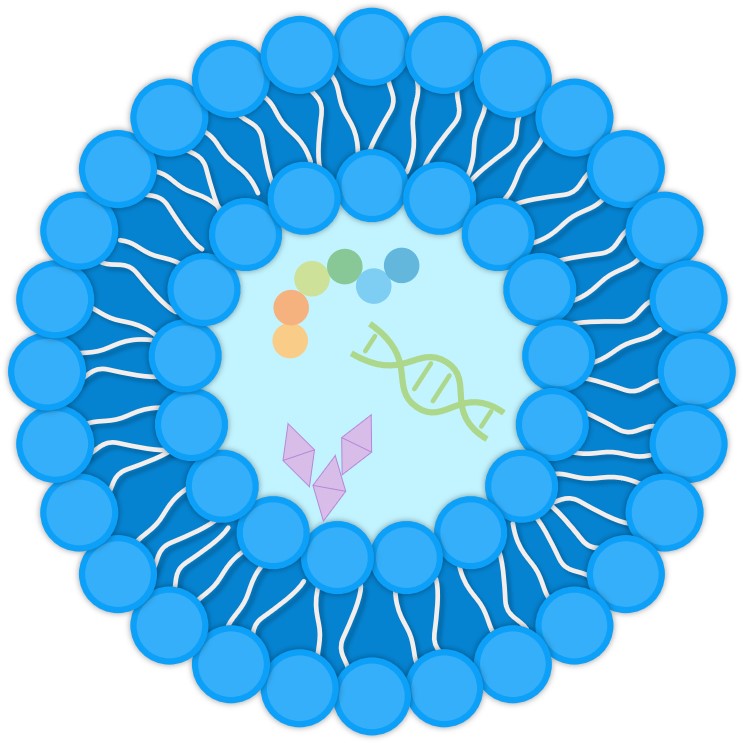
- Hydrophilic Cargo (Core): Water-soluble agents, including proteins, peptides, and nucleic acids, are securely encapsulated within the aqueous interior, protected from enzymatic degradation.
- Lipophilic Cargo (Bilayer): Hydrophobic small molecules intercalate within the phospholipid bilayer, improving their solubility and bioavailability without the need for toxic organic solvents.
- Amphipathic Cargo: Molecules with mixed properties can partition at the lipid-water interface, allowing for flexible loading strategies.
Explore Our Payload Capabilities:

Small Molecule Drugs
Chemotherapeutics (Doxorubicin, Paclitaxel), Antibiotics, Anti-inflammatories, etc.


Viruses
Viral vectors (e.g., Adenovirus, AAV, etc.) shielded from immune recognition for gene therapy.

Antigens
Peptide or mRNA for vaccine development; surface display enhances immune recognition, etc.

Natural Ingredients
Resveratrol, Curcumin, Silymarin, Volatile oils, plant extract, etc.
Other Active Ingredients
Metabolic Cofactors: NAD+, NMN, Coenzyme Q10 (CoQ10), etc.
Advanced Drug Loading Technology
Transforming a potent API into a viable drug product hinge on efficient encapsulation. The drug loading process must be tailored to the molecule's specific solubility and stability profile to maximize the drug-to-lipid ratio and prevent premature leakage. We utilize a suite of advanced loading strategies to ensure high encapsulation efficiency and optimal retention.
Incorporates drugs during the lipid film hydration or solvent injection phase, ideal for lipophilic compounds.
Utilizes transmembrane gradients (pH or ion) to drive amphipathic weak bases into pre-formed liposomes, achieving encapsulation efficiency and stable retention.
A scalable, high-throughput technology that mixes lipids and aqueous phases under laminar flow, producing highly uniform vesicles with precise control over size and drug loading.
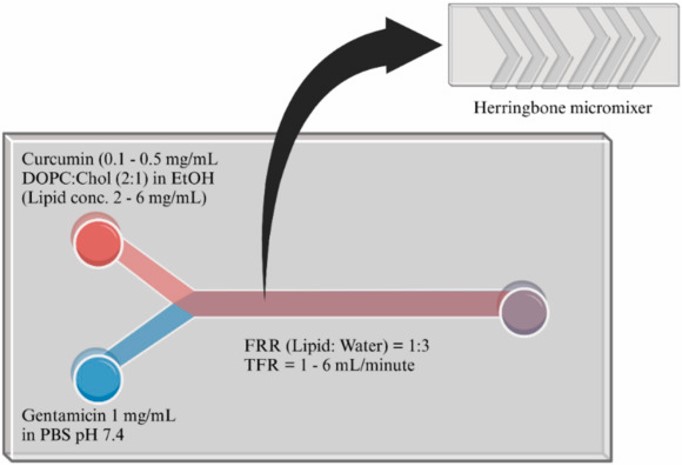 Fig. 2 Schematic representation of liposome formation by microfluidic method in Y-shaped herringbone micromixer. 2,3
Our Drug-Loaded Liposome Development Services
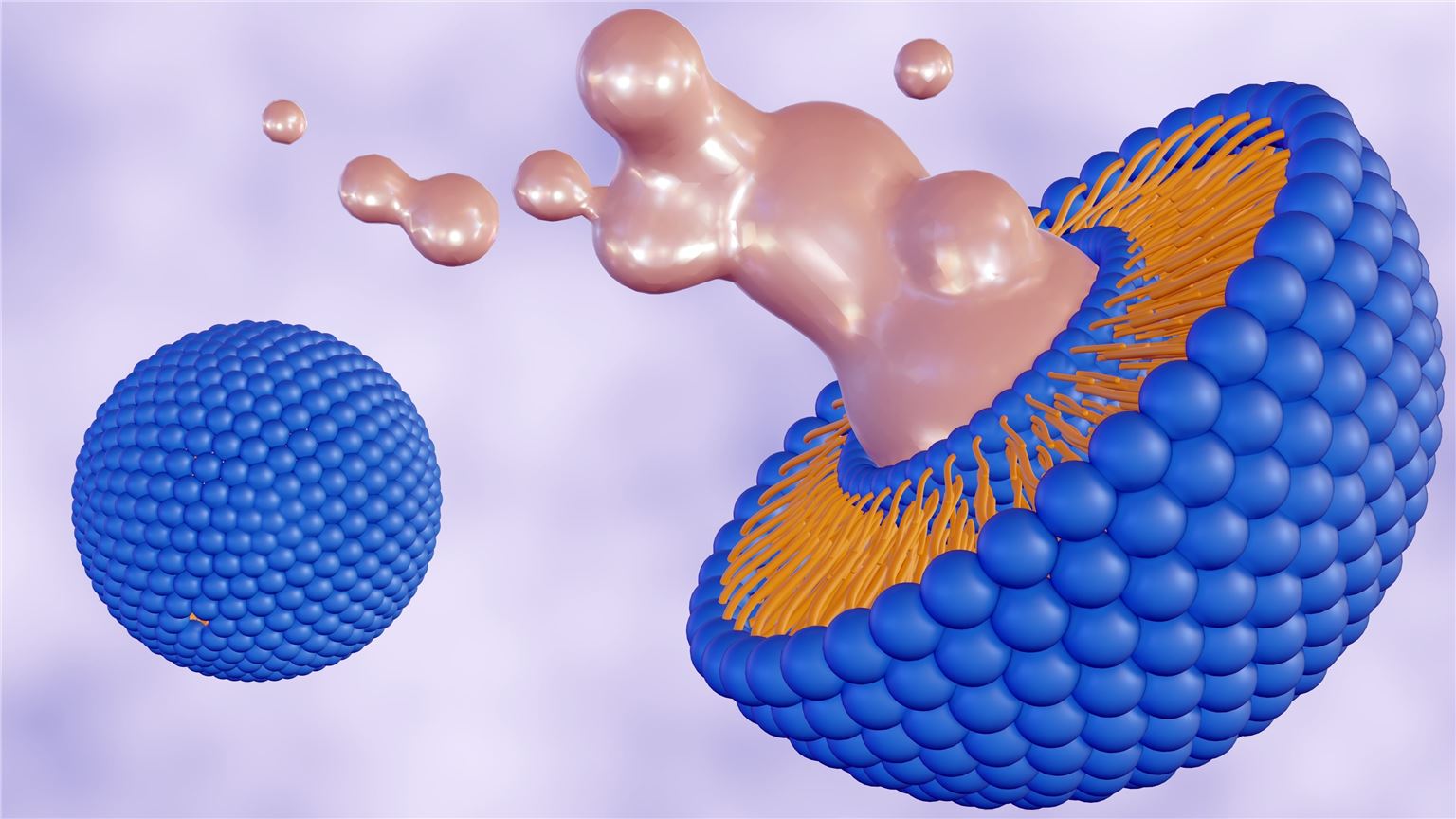
We engineer formulations that maximize drug-to-lipid ratios while ensuring structural integrity.
- Single-Agent Loading: Optimization of loading parameters for small molecules, peptides, or nucleic acids.
- High-Retention Formulations: design of "closely bound" drug-lipid complexes using high-transition temperature lipids to prevent premature leakage in circulation.
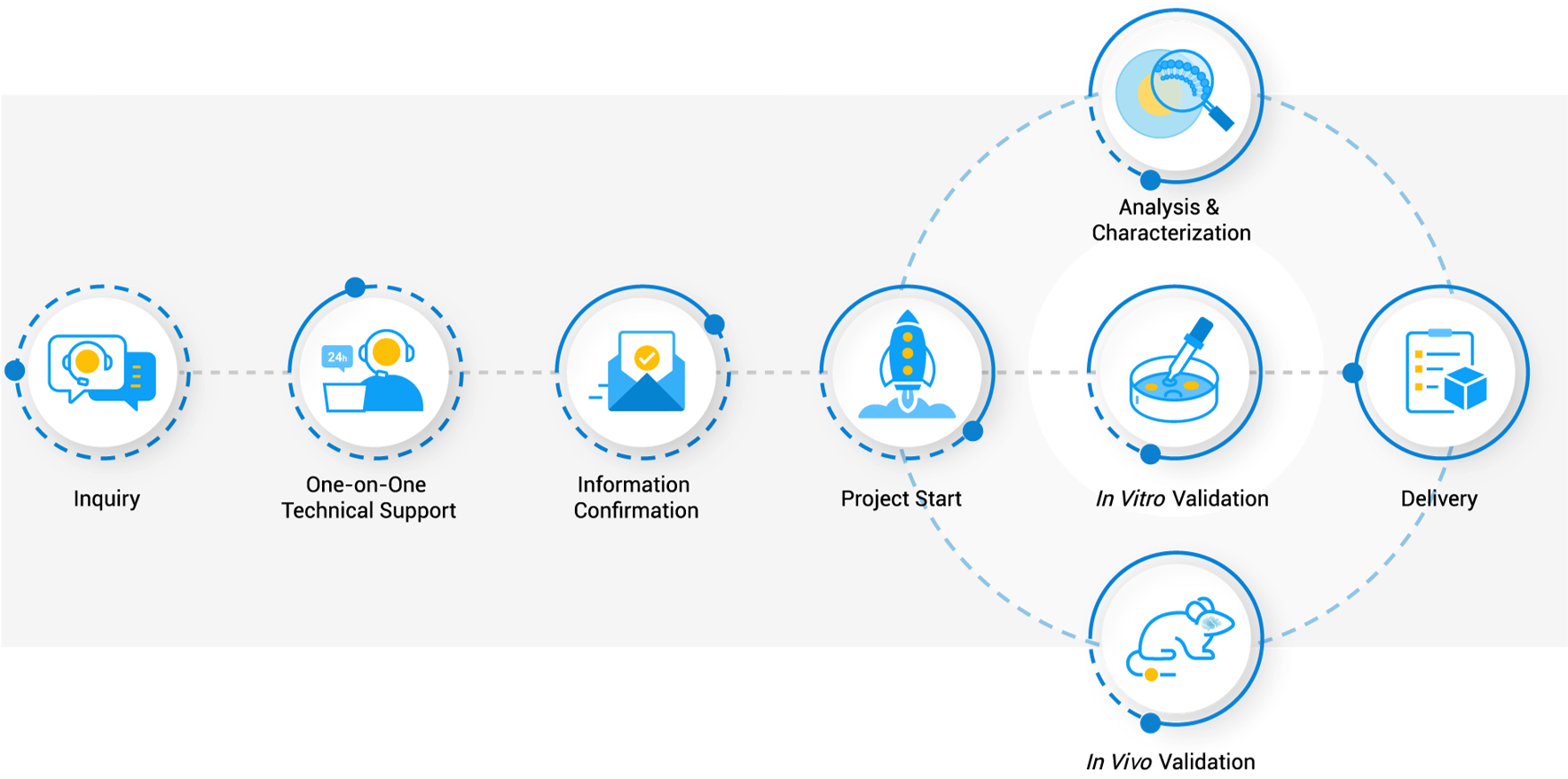
Workflow
Strategic Therapeutic Applications of Drug-Loaded Cargo
- Chemotherapeutic Potentiation: Increasing the intracellular concentration of cytotoxic payloads (e.g., Anthracyclines, Taxanes) in tumor cells while mitigating systemic toxicity.
- Overcoming Multi-Drug Resistance (MDR): Co-delivering efflux pump inhibitors alongside chemotherapeutics to sensitize resistant cancer cells.
- Intracellular Antibiotic Delivery: Targeting drug-loaded liposomes to macrophages to eradicate intracellular pathogens (e.g., Salmonella, Mycobacterium) that evade free antibiotics.
- Nucleic Acid Therapeutics: Protecting fragile genetic cargo (siRNA, mRNA) during systemic circulation and facilitating endosomal escape for effective gene silencing or expression.
- Cross-Barrier Neurotherapeutics: Delivering neuroactive agents across the blood-brain barrier by leveraging receptor-mediated transcytosis mechanisms.
Why Choose Creative Biolabs?
Scientific Expertise
Over 20 years of specialized experience in lipid-based drug delivery and nanoparticle engineering.
Customization First
We do not offer "one-size-fits-all" solutions; every formulation is engineered specific to your molecule's physicochemical properties.
High Encapsulation Efficiency
Expertise in remote (active) loading techniques (transmembrane pH/ion gradients) achieving >90% loading for amphipathic weak bases.
End-to-End Support
Comprehensive capabilities ranging from initial proof-of-concept (POC) to lyophilization and pre-clinical scale-up.
Rigorous Quality Control
Strict adherence to quality standards ensures data reproducibility and robustness for regulatory filings.
Creative Biolabs is your dedicated partner in advancing drug delivery science. From overcoming solubility issues to achieving precise cellular targeting, our comprehensive liposome development services are designed to turn your therapeutic challenges into clinical successes. Transform your therapeutic molecule into a precision medicine. Contact our team of formulation scientists today to discuss your project requirements.
Related Services & Products
Related Services
Related Products
| Product Name | Description | Inquiry |
|---|---|---|
| Doxorubicin Liposomes | PEGylated liposomal doxorubicin formulations for oncology research. | |
| Alendronate Sodium Liposomes | Macrophage depletion agents encapsulated in liposomes for immunology studies. | |
| Paclitaxel Liposomes | Solubilized paclitaxel formulations reducing the need for Cremophor EL vehicles. | |
| Empty Liposomes (Control) | Pre-formed, sterile empty liposomes (HSPC/Chol/PEG) for use as vehicle controls. |
FAQs
What is the difference between active and passive loading?
Passive loading involves encapsulating the drug during liposome formation, suitable for hydrophobic drugs. Active (remote) loading uses a transmembrane gradient (e.g., ammonium sulfate) to draw amphipathic weak bases into pre-formed liposomes, typically achieving much higher encapsulation efficiencies (>90%).
Can you lyophilize my liposomal formulation?
Yes. We offer specialized lyophilization development services using cryoprotectants to ensure the vesicle size and drug retention are maintained upon reconstitution, solving stability and shipping challenges.
What is the typical particle size you achieve?
We routinely engineer liposomes with precise size control, typically aiming for a Z-average of 80–120 nm with a Polydispersity Index (PDI) < 0.2 for systemic applications, though we can customize this range (e.g., MVVs) based on your needs.
Do you support conjugation of custom antibodies?
Absolutely. Our "Targeted Modules" service includes the conjugation of your specific antibodies, fragments (Fab'), or peptides to the liposome surface using thioether or amide linkages.
How much API is required for a pilot study?
For an initial formulation screening and feasibility study, we typically require 10–50 mg of the API, depending on its solubility and the target concentration.
Do you provide sterile products?
Yes, our final formulations are typically sterilized via 0.22 μm filtration (where particle size permits) and processed in a controlled environment suitable for pre-clinical in vivo studies.
References
- Gandek, Timea B., Luke van der Koog, and Anika Nagelkerke. "A comparison of cellular uptake mechanisms, delivery efficacy, and intracellular fate between liposomes and extracellular vesicles." Advanced healthcare materials 12.25 (2023): 2300319. https://doi.org/10.1002/adhm.202300319
- Yugatama, Adi, et al. "Design and development of dual drug-loaded liposomes encapsulating gentamicin and curcumin via microfluidic synthesis: A Box-Behnken experimental approach." Journal of Drug Delivery Science and Technology (2025): 107750. https://doi.org/10.1016/j.jddst.2025.107750.
- Distributed under Open Access license CC BY 4.0, without modification.