Small Molecule modified Liposome Development Service for Targeted Drug Delivery
At Creative Biolabs, we empower researchers to overcome the most persistent challenges in drug delivery: biological barriers, off-target toxicity, and payload instability. By combining robust Module Delivery Systems with precise Targeted Modules, we engineer small molecule-modified liposomes that enhance the therapeutic index of your drug candidates.
Start Your Small Molecule-modified Liposomes Project
The Science of Peptide-modified Liposomes
Small Molecule-mediated Targeted Drug Delivery Strategies
Small molecule ligands have emerged as a cornerstone of precision medicine due to their ability to bind specific receptors with high affinity. Currently, two primary strategies harness this potential to enhance therapeutic outcomes:
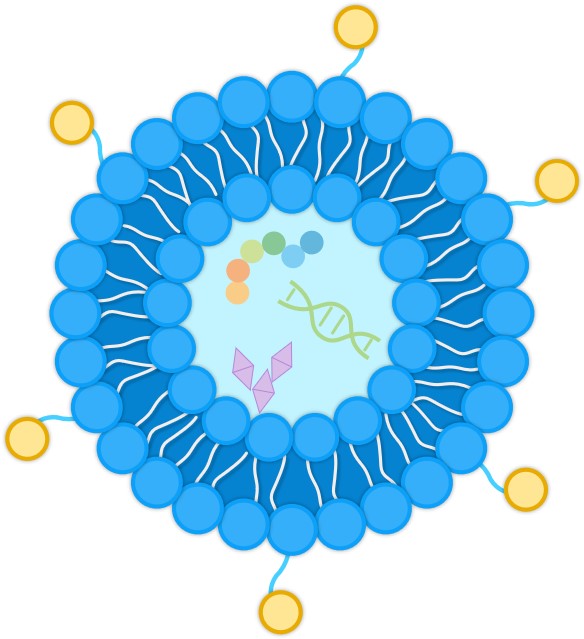
This strategy functionalizes the liposome surface with small molecule targeting ligands, enabling the encapsulation of thousands of drug molecules for a high payload-to-ligand ratio. This targeted modification significantly enhances binding specificity to the target receptor while protecting labile payloads (e.g., RNA, proteins) from degradation.

This approach involves the direct covalent linkage of a potent cytotoxic payload to a targeting ligand via a cleavable linker. SMDCs are designed to improve the pharmacokinetic profile of the drug, allowing for efficient penetration into solid tumors due to their low molecular weight. They represent a streamlined "one-drug-one-target" mechanism that has seen significant clinical success.
Both strategies are vital to modern drug discovery, with ligand-modified liposomes offering unique advantages for delivering complex biologics and overcoming multidrug resistance.
Principles of Small Molecule-mediated Liposomes
Small molecule-modified liposomes are sophisticated nanocarriers engineered to recognize and bind to specific cell surface receptors via receptor-ligand interactions. Structurally, they consist of a lipid bilayer encapsulating an aqueous core, with small molecule ligands (such as vitamins, carbohydrates, or peptides) anchored to the lipid surface, typically via a polyethylene glycol (PEG) spacer.
Key Functional Components:
- The Targeting Ligand: A small molecule selected for its high affinity to receptors overexpressed on diseased cells (e.g., cancer cells or activated immune cells).
- The Spacer (Linker): A flexible PEG chain that extends the ligand beyond the liposome's hydration layer, ensuring it is accessible to the receptor and preventing steric hindrance.
- The Lipid Anchor: A hydrophobic lipid tail (e.g., DSPE) that stably inserts the ligand-linker conjugate into the liposomal membrane.
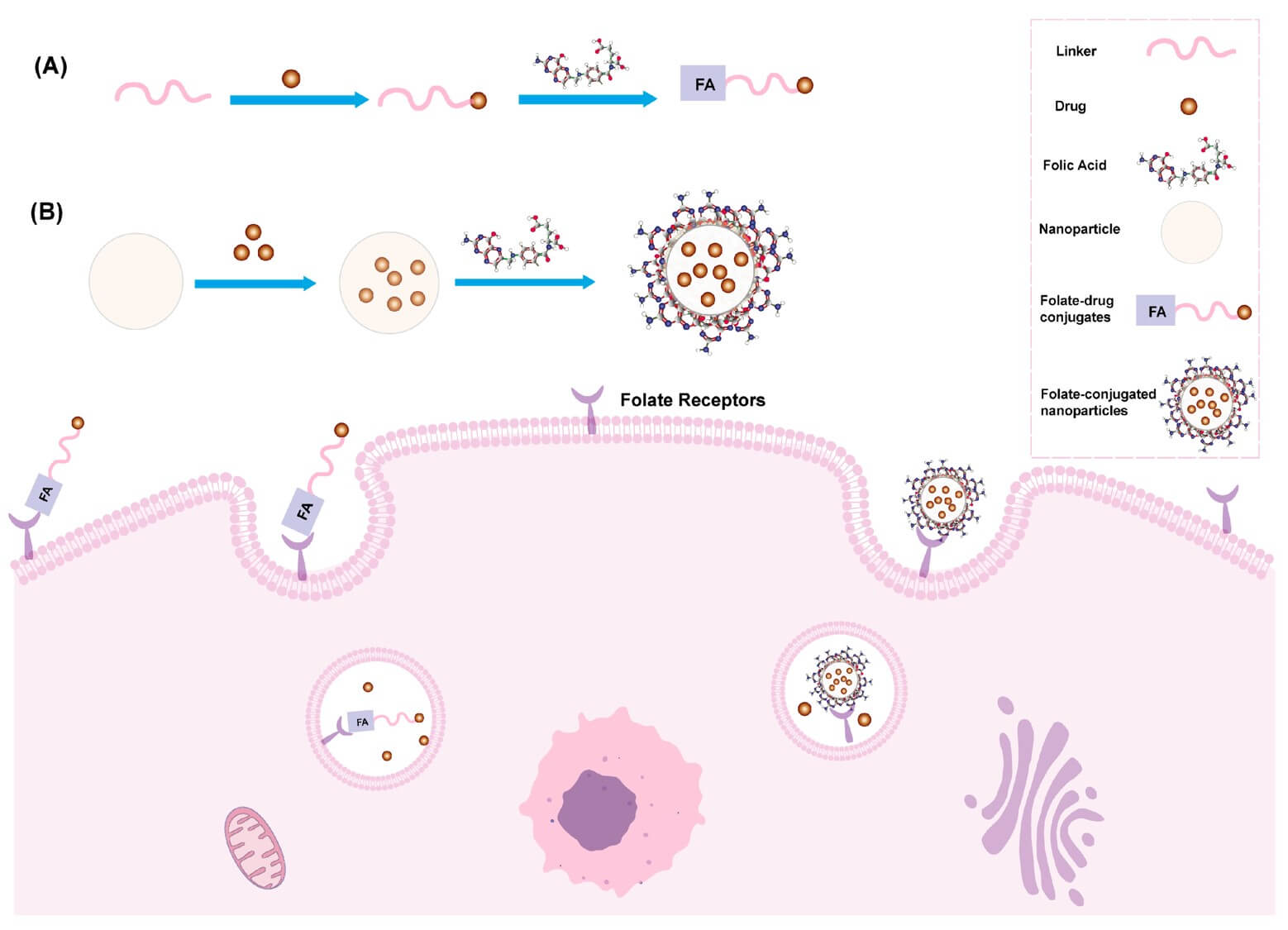 Fig. 1 Folate-mediated targeted drug delivery system.1
Key Small Molecule Ligands for Liposomal Targeting
Selecting the right ligand is critical for targeting success. Small molecules offer superior tissue penetration, lower immunogenicity, and cost-effective scalability compared to antibodies. Vitamin-based ligands, in particular, represent a gold standard in this field. By exploiting the nutrient-scavenging pathways of rapidly dividing tumor cells, vitamin-modified liposomes can achieve exceptional accumulation in malignant tissues with minimal off-target effects.
Below is a selection of high-value small molecule ligands we routinely utilize in our formulations:
| Specific Ligand | Target Receptor | Primary Applications |
|---|---|---|
| Folate | Folate Receptor (FRα) | Ovarian, Breast, Lung, and Kidney Cancers |
| Vitamin A (Retinoic Acid) | RBP Receptors / STRA6 | Hepatic Stellate Cell targeting (Liver Fibrosis) |
| Vitamin B12 (Cobalamin) | CD320 / Transcobalamin II Receptor | Oral delivery improvement; Tumor cell targeting |
| Vitamin B1 (Thiamine) | Thiamine Transporters (THTR1/2) | Crossing the Blood-Brain Barrier; Breast Cancer |
| Vitamin B2 (Riboflavin) | Riboflavin Carrier Protein (RCP) | Metabolically active tumors (Prostate, Breast) |
| Biotin (Vitamin H) | Sodium-Dependent Multivitamin Transporter (SMVT) | Tumor targeting; Blood-Brain Barrier (BBB) transport |
Our Comprehensive Service Offerings
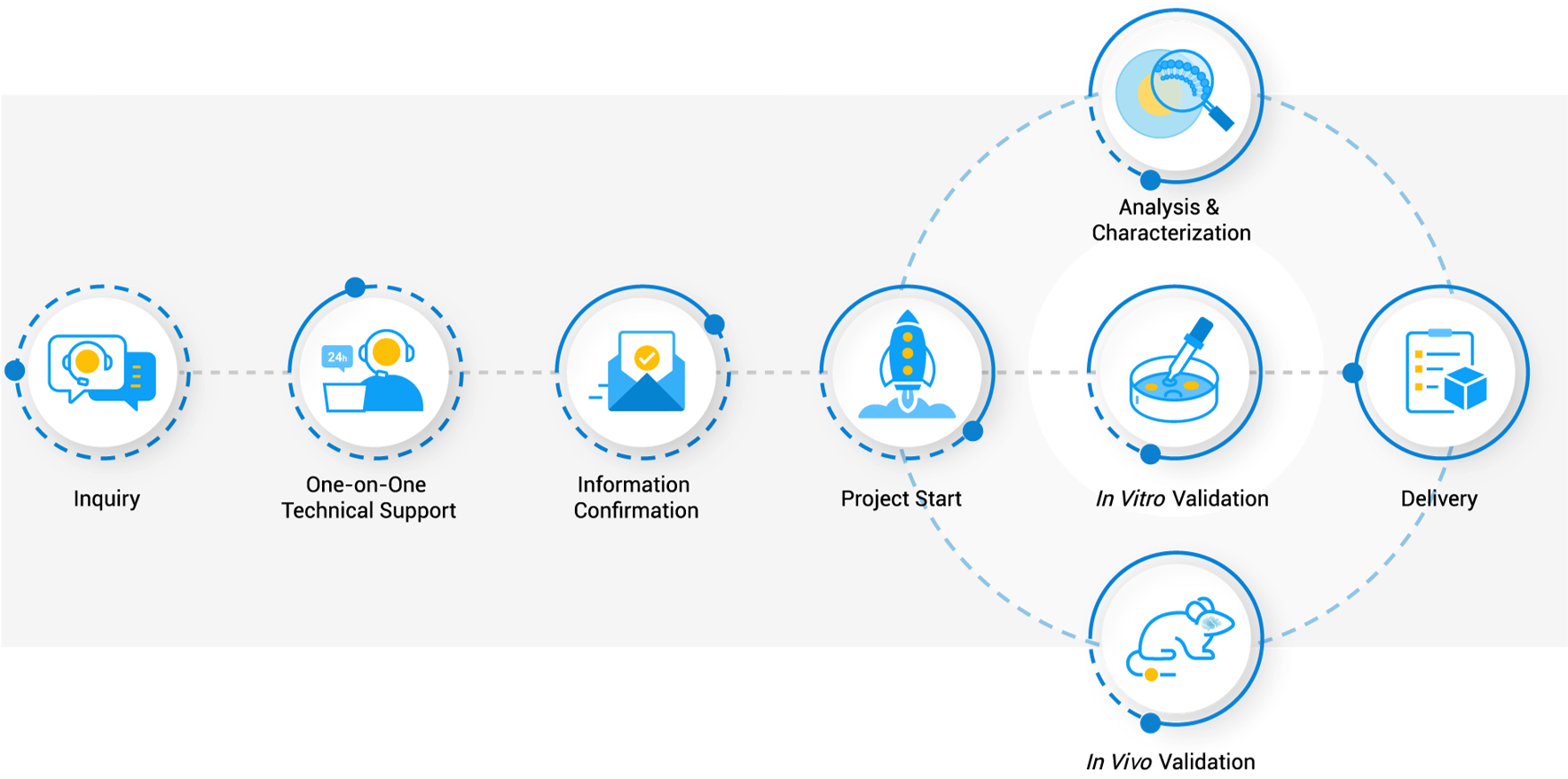
Creative Biolabs provides a robust, end-to-end platform for the development of small molecule-modified liposomes. Our services are designed to address the specific challenges of ligand density, linker stability, and payload encapsulation.
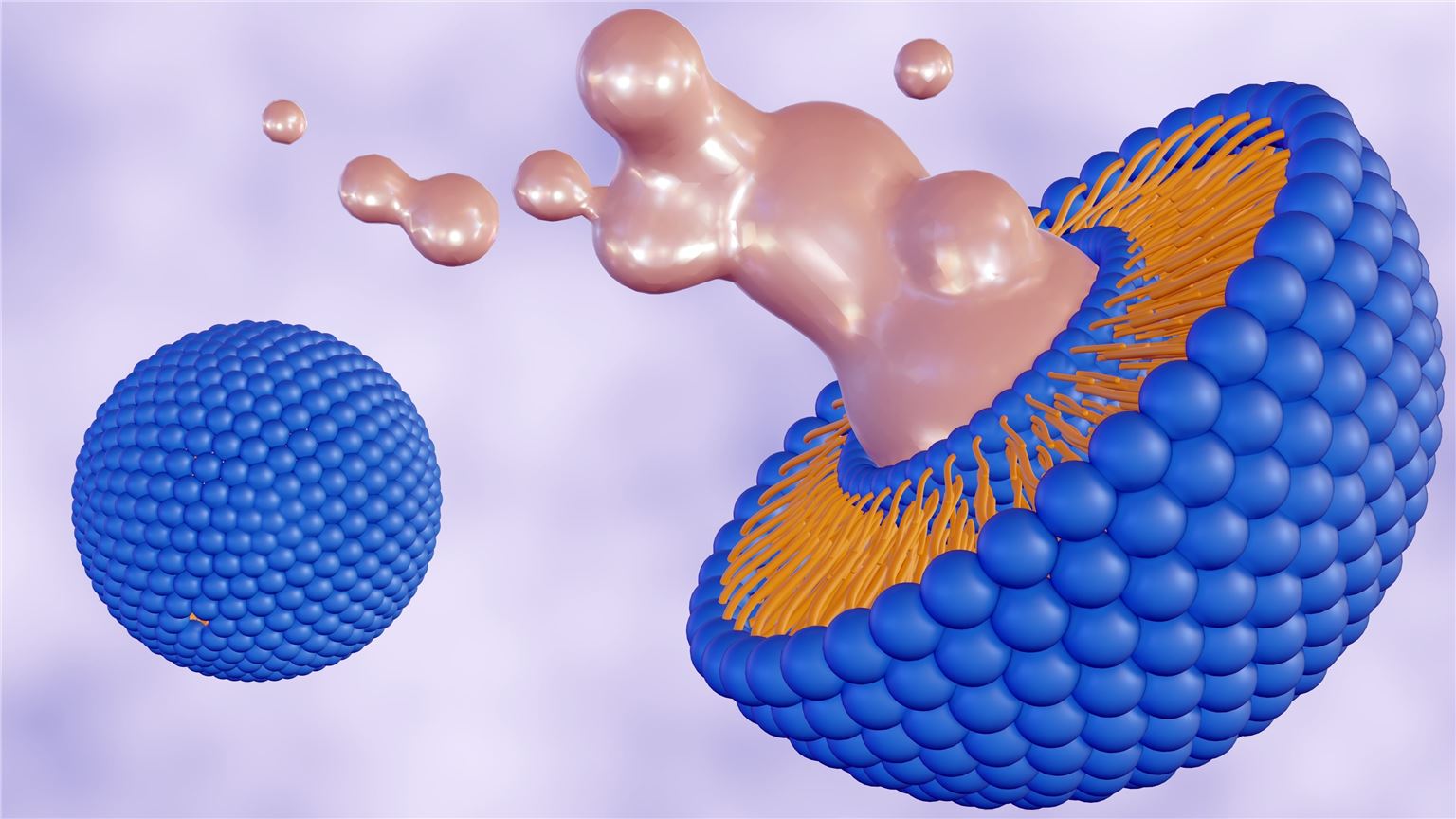
We specialize in the precise chemical synthesis of ligand-lipid conjugates, a critical first step for functional liposomes.
- Linker Optimization: We design and synthesize conjugates with variable PEG spacer lengths (PEG1000–PEG5000) to optimize receptor accessibility.
- Conjugation Chemistry: Utilization of high-fidelity chemistries (Amide, Thiol-Maleimide, Click Chemistry, Hydrazone) to ensure stable and oriented ligand attachment.
- Ligand Sourcing: Synthesis of custom small molecule analogs or sourcing of high-purity standard ligands (Folate, GalNAc, etc.).
Workflow
Therapeutic Applications of Small Molecule-modified Liposomes
Our targeted delivery platforms provide versatile solutions for complex research challenges, offering new avenues for therapeutic intervention by exploiting specific small molecule ligand-receptor interactions.
- Tumor Targeting via Vitamin Receptors: We utilize folate and riboflavin to target receptors overexpressed on rapidly dividing tumor cells. This "Trojan horse" strategy exploits nutrient uptake pathways to deliver high-dose chemotherapy directly to ovarian and breast tumors while sparing healthy tissue.
- Reversing Multidrug Resistance (MDR): Our formulations incorporate Vitamin E (Tocopherol/TPGS) derivatives that serve a dual purpose: stabilizing the liposome and inhibiting P-glycoprotein (P-gp) efflux pumps. This effectively reverses MDR in refractory cancers by maintaining high intracellular drug concentrations.
- Precision Liver Cell Targeting: We deploy specific ligands for distinct liver cell types. GalNAc is used to target hepatocytes (via ASGPR) for metabolic gene therapies, while Vitamin A (Retinoic Acid) specifically targets Hepatic Stellate Cells (HSCs) to deliver anti-fibrotic agents for treating liver cirrhosis.
- CNS Delivery via Nutrient Transporters: To overcome the Blood-Brain Barrier (BBB), we functionalize liposomes with endogenous transporters like Glucose (GLUT1) or thiamine (Vitamin B1). These ligands facilitate receptor-mediated transcytosis, enabling non-invasive delivery of therapeutics to the brain parenchyma.
Why Choose Creative Biolabs?
Precise Control of Ligand Density
We understand that "more" is not always "better." We optimize the ligand-to-lipid ratio to maximize binding avidity while avoiding rapid clearance by the reticuloendothelial system (RES).
Diverse Linker Library
Access to a wide range of PEG spacers and stimuli-responsive linkers (e.g., pH-sensitive hydrazone bonds) to trigger payload release specifically within the acidic tumor microenvironment or endosomes.
Our ligand-lipid conjugates (such as DSPE-PEG-Folate) are synthesized with >95% purity, eliminating unconjugated ligands that can compete for receptor binding sites and reduce efficacy.
Scalable Lyophilization Protocols
We offer industry-leading lyophilization services for targeted formulations, ensuring that the intricate surface architecture of ligand-modified liposomes is preserved during storage and transport.
Accelerate your drug discovery pipeline with our professional liposome development services. Whether you need a standard folate-targeted formulation or a fully custom active targeting solution, Creative Biolabs is equipped to deliver high-quality, data-driven results.
Related Services & Products
Related Services

Related Products
Creative Biolabs provides an extensive catalog of functionalized lipids coupled with a diverse array of ligands, including an expansive selection of small molecule ligands, peptides, and responsive linkers. These high-purity, off-the-shelf reagents are designed to accelerate your targeted formulation development.
| Product Name | Description | |
|---|---|---|
| DSPE-PEG-Folate | High affinity targeting of FRα+ tumors using folate-functionalized lipid. | |
| DPPE-PEG-Biotin | Biotinylated lipid ideal for Avidin/Streptavidin binding and pre-targeting strategies. | |
| DSPE-SS-PEG-Folate | Disulfide-linked PEG-Folate for redox-responsive (GSH) intracellular payload release. | |
| DSPE-TK-PEG-Biotin | Thioketal-linked PEG-Biotin designed for ROS-responsive cleavage in tumor microenvironments. |
FAQs
Can you conjugate my proprietary small molecule ligand to your liposomes?
Yes. We offer custom conjugation services where we can attach your proprietary small molecule to our lipid anchors. We will first assess the chemical structure of your ligand to determine the optimal conjugation chemistry (e.g., via a free amine, carboxyl, or thiol group).
How does lyophilization affect the particle size of the liposomes?
When performed correctly with optimized cryoprotectants, lyophilization preserves the structural integrity of the liposomes. Upon reconstitution with water, the particle size and polydispersity index (PDI) typically remain within ±10% of the original liquid formulation.
Do you provide control formulations for my experiments?
Absolutely. Scientific rigor requires proper controls. We highly recommend and can provide non-targeted (plain PEGylated) liposomes or liposomes modified with inactive ligand to validate that the cellular uptake you observe is truly receptor-mediated.
What is the typical shelf-life of your small molecule-modified liposomes?
Liquid liposome formulations are typically stable for 3 months at 4°C. However, our lyophilized formulations can remain stable for 6–12 months at -20°C or 4°C, significantly easing logistical constraints.
Can you scale up production for animal studies?
Yes, our capabilities range from small-scale discovery batches (1–5 mL) to larger pilot batches (100 mL+) suitable for pharmacokinetic (PK) and biodistribution studies in animal models.
What data is included in the final report?
You will receive a full Certificate of Analysis (CoA) including particle size distribution (mean diameter and PDI), Zeta potential, encapsulation efficiency (EE%), drug loading capacity, and confirmation of ligand conjugation.
References
- Yan, Shuxin, et al. "Different targeting ligands-mediated drug delivery systems for tumor therapy." Pharmaceutics 16.2 (2024): 248. https://doi.org/10.3390/pharmaceutics16020248. Distributed under Open Access license CC BY 4.0, without modification.