Protein modified Liposome Development Service for Targeted Drug Delivery
Unlock the full potential of targeted drug delivery with Creative Biolabs' advanced bioconjugation solutions. Passive accumulation is often insufficient for next-generation therapeutics; our technology bridges the gap between potent payloads and their specific biological targets. By combining robust liposomal carriers with high-affinity protein ligands, we engineer "smart" delivery systems capable of active receptor recognition and intracellular uptake.
Start Your Protein-modified Liposomes Project
The Science of Protein-modified Liposomes
The Strategic Advantage of Protein-modified Liposomes
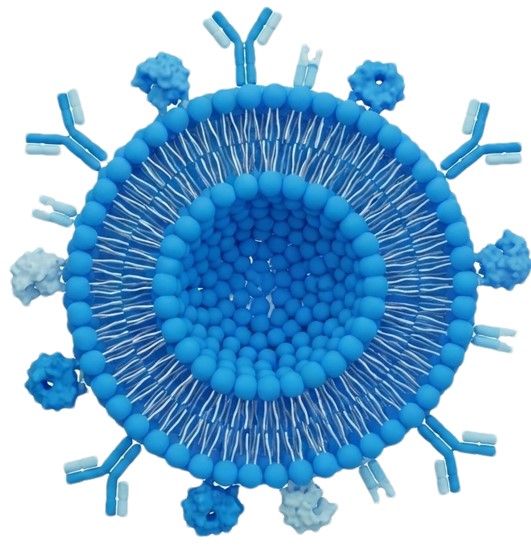
Protein-modified liposomes represent a sophisticated evolution in drug delivery, moving beyond passive carriers to active, biologically intelligent systems. Structurally, these are vesicular nanocarriers where the lipid bilayer is covalently conjugated with functional proteins, such as transport ligands (e.g., Transferrin), enzymes, or lectins. This modification imparts specific biological recognition capabilities to the liposome, transforming it from a simple drug depot into a targeted delivery vehicle.
By harnessing the intrinsic properties of functional proteins, these conjugates offer distinct therapeutic advantages:
Active Targeting: Protein ligands actively bind to overexpressed receptors, significantly increasing payload concentration at specific disease sites (e.g., tumor microenvironment) compared to passive accumulation.
Protein-mediated Targeted Delivery Mechanisms
Protein-modified liposomes represent the pinnacle of active targeting technology. Unlike passive carriers that rely solely on the Enhanced Permeability and Retention (EPR) effect, these systems utilize the high affinity and specificity of bioactive proteins to navigate the complex biological environment.
- Specific Recognition: The surface-conjugated protein ligand (e.g., Transferrin or Lactoferrin) binds with high affinity to its specific receptor on the target cell surface, distinguishing diseased cells from healthy tissue.
- Internalization: This binding event triggers the cell membrane to invaginate, sequestering the liposome-ligand complex within an early endosome.
- Endosomal Processing: As the endosome acidifies, the liposome undergoes destabilization (often aided by fusogenic or pH-sensitive lipids), facilitating membrane fusion or disruption.
- Cytosolic Release: The therapeutic payload is released directly into the cytoplasm, effectively bypassing drug efflux pumps (P-gp) and avoiding lysosomal degradation to interact with intracellular targets.
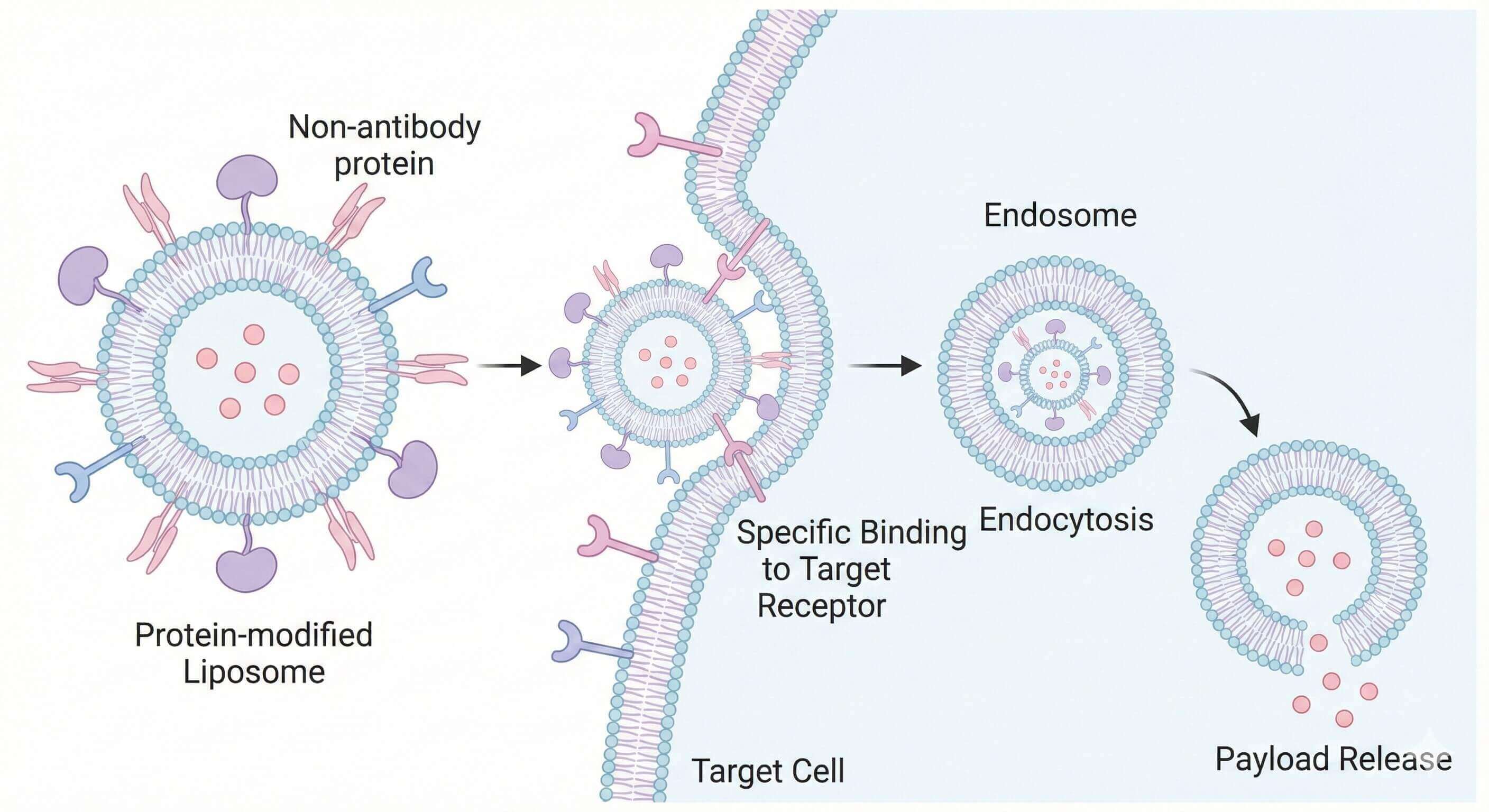 Fig. 1 Protein-mediated targeted drug delivery system.
Protein Ligands: The Drivers of Specificity
The success of a targeted delivery system hinges on the selection of the appropriate protein ligand. At Creative Biolabs, we specialize in coupling a diverse array of transport proteins, enzymes, and lectins to the liposomal surface, ensuring optimal orientation and conformational stability.
Commonly Used Protein Ligands & Applications
| Protein Ligand | Target Receptor/Mechanism | Primary Application |
|---|---|---|
| Transferrin | TfR (Transferrin Receptor) | Targeting TfR-overexpressing tumor cells and facilitating transport across the Blood-Brain Barrier (BBB). |
| Albumin | SPARC / gp60 Pathway | Enhancing tumor accumulation via the gp60 receptor and improving circulation half-life (Albumin-binding proteins). |
| Lactoferrin | LRP (Lipo-protein Receptor) | Dual-targeting of glioma cells and BBB transport; anti-inflammatory delivery. |
| Enzymes | Substrate Depletion | Circulating nanoreactors for depleting specific amino acids in cancer therapy (e.g., ALL). |
| Lectins | Carbohydrate Moieties | Targeting specific sugar residues on mucosal surfaces or cancer cell membranes for enhanced bioadhesion. |
| Hemoglobin | Oxygen Transport | Artificial oxygen carriers (Hemoglobin-vesicles) for transfusion medicine and ischemia treatment. |
Comprehensive Protein-modified Liposome Development Services
Creative Biolabs provides a comprehensive, end-to-end service for the design, synthesis, and characterization of protein-liposome conjugates. We utilize a Modular Delivery System strategy, pairing the optimal lipid formulation (Module A) with the precise protein targeting ligand (Module B).
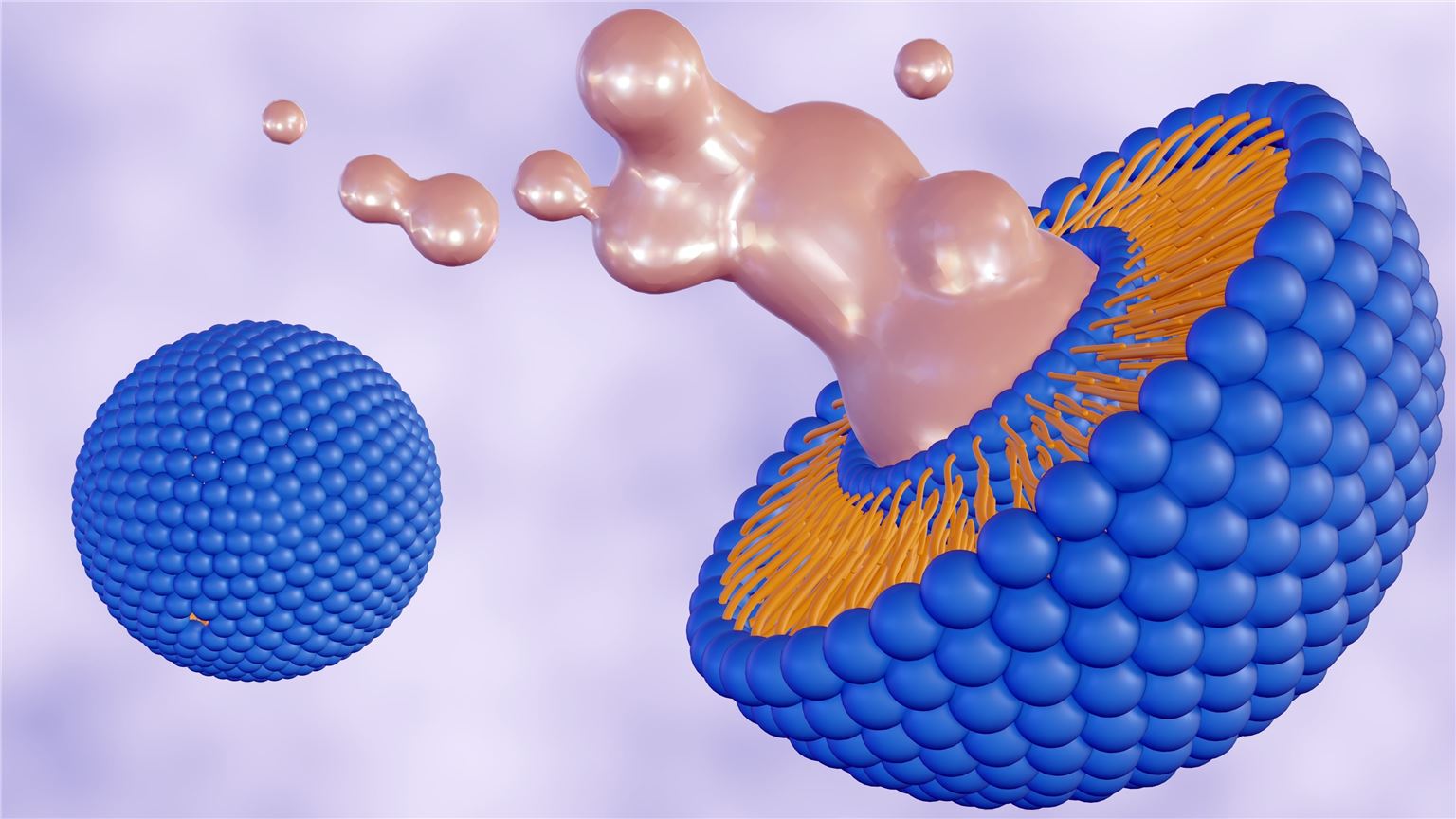
We specialize in the precision coupling of endogenous transport proteins to liposomal carriers. By mimicking natural transport mechanisms, these systems ensure high-fidelity targeting to specific organs and tissues without triggering immune clearance.
- Tissue-Specific Targeting: Utilization of high-affinity ligands such as Lactoferrin (Brain/Liver), Leptin (Adipose tissue), and Asialoglycoprotein (Liver hepatocytes) to direct distribution.
- Conformation Preservation: Employment of bio-orthogonal chemistry (e.g., strain-promoted azide-alkyne cycloaddition) and mild oxidation protocols to attach proteins without disrupting their active binding sites.
- Ligand Ratio Screening: Optimization of the protein-to-lipid ratio to maximize receptor avidity while minimizing steric hindrance and potential aggregation.
Workflow
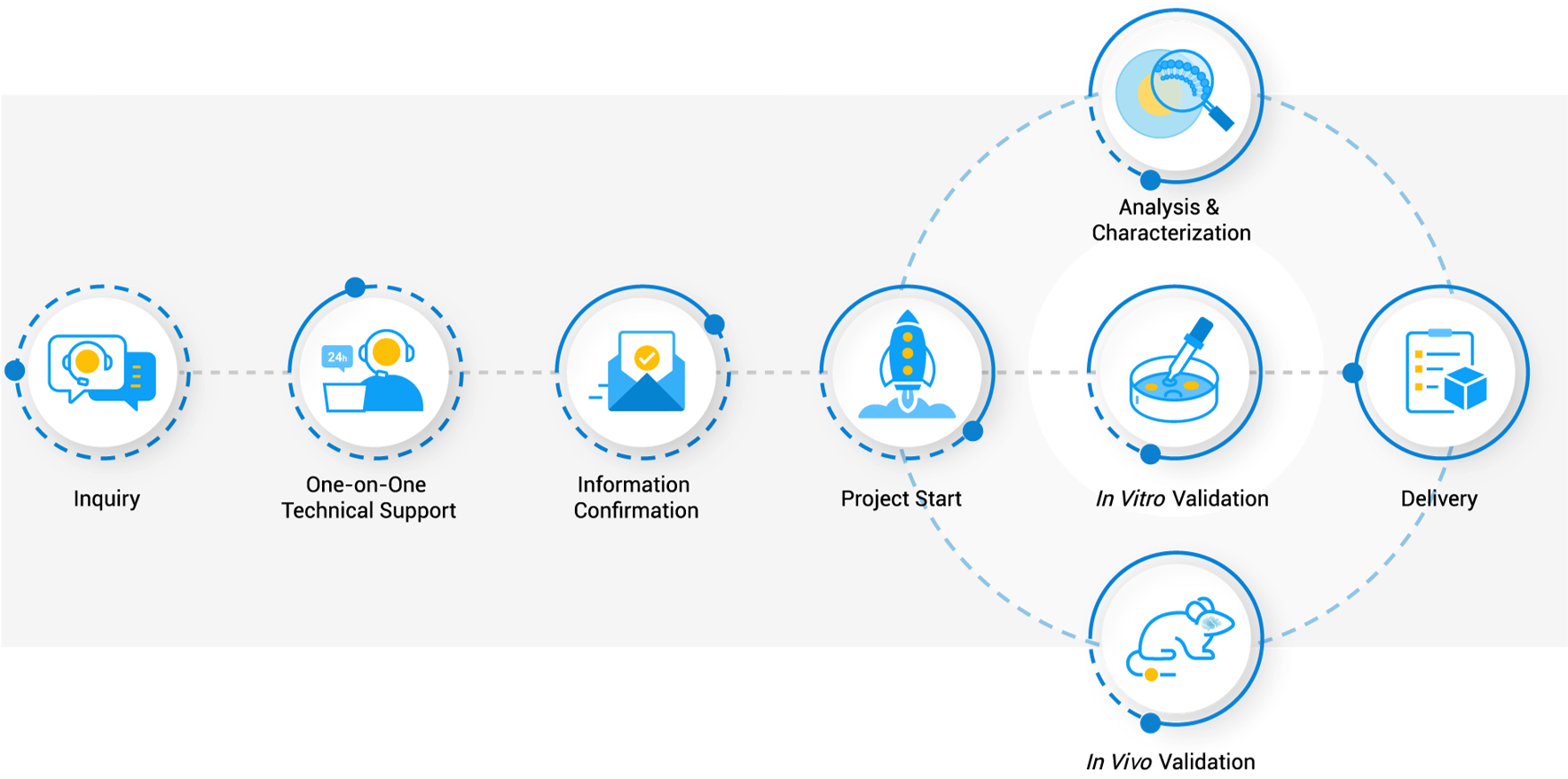
Applications: Powering Breakthroughs in Biomedicine
Our protein-modified liposomes are pivotal tools across a wide spectrum of therapeutic areas, specifically designed to exploit receptor-ligand interactions and catalytic functions:
- Precision Oncology (TfR Targeting): Transferrin receptors are significantly upregulated in many cancer types due to the high iron demand of rapidly dividing cells. Our Transferrin-modified liposomes deliver cytotoxic payloads explicitly to these cells, enhancing accumulation and reducing systemic toxicity compared to non-targeted formulations.
- Neurodegenerative Disease & CNS Delivery: Overcoming the Blood-Brain Barrier (BBB) is the greatest challenge in neuro-pharmacology. Our Transferrin- and Lactoferrin-modified liposomes hijack natural transcytosis pathways, delivering neuroprotective agents or gene therapies directly to the brain parenchyma for Alzheimer's and Parkinson's research.
- Enzyme Replacement Therapy (ERT): For lysosomal storage diseases, delivering enzymes into cells is critical. Protein-modified liposomes can facilitate the uptake of therapeutic enzymes into the lysosome, or display enzymes on the surface to correct metabolic defects in the circulation.
- Artificial Oxygen Carriers: Hemoglobin-conjugated or encapsulated liposomes serve as red blood cell substitutes, providing oxygen delivery capabilities for trauma care or ischemic conditions where standard transfusion is not an option.
Why Choose Creative Biolabs?
Expertise in Protein Stability
We understand that large proteins are susceptible to denaturation. Our protocols are mild and optimized to preserve the tertiary structure and bioactivity of enzymes and transport proteins.
We move beyond random amine coupling. We employ advanced chemistries (Thiol-Maleimide, Click Chemistry, Glycan oxidation) to control the orientation of the protein, ensuring the binding site remains accessible.
Ligand Density Optimization
We can precisely tune the number of protein molecules per liposome to identify the "sweet spot" for binding avidity vs. circulation half-life, avoiding the "hook effect" often seen with overexpression.
Proven success encapsulating difficult cargos, including hydrophobic drugs, large nucleic acids, and protein degraders.
Optional Lyophilization Service
We offer optimized freeze-drying cycles to provide stable, ready-to-use powders that facilitate easier logistics and long-term storage without compromising protein integrity.
Creative Biolabs is dedicated to advancing the field of targeted drug delivery. Our professional protein-modified liposomes development services offer a robust pathway to overcome biological barriers, enhancing the therapeutic index of your drugs through precise, active targeting.
Related Services
FAQs
How do you maintain the activity of enzymes conjugated to the surface?
We use specific spacer arms (PEG) to reduce steric hindrance and employ mild coupling conditions (neutral pH) to prevent denaturation. For enzymes, we often recommend "Click" chemistry or Thiol-Maleimide linkages that do not interfere with the active catalytic site.
Can you target the brain without using antibodies?
Absolutely. Transport proteins like Transferrin and Lactoferrin are highly effective at crossing the Blood-Brain Barrier via receptor-mediated transcytosis. These natural ligands often have better safety profiles and lower immunogenicity than foreign antibodies.
Can you conjugate glycoproteins like Lectins?
Yes. We have extensive experience with Lectins. Depending on the Lectin type, we can use amine-reactive chemistry or modify specific functional groups to ensure the carbohydrate-binding domain remains active.
Is the lyophilization service available for enzyme-modified liposomes?
Yes. Lyophilization is highly recommended to prevent hydrolysis and aggregation. We optimize the cryoprotectant matrixto protect both the lipid bilayer and the complex structure of the conjugated enzymes.