Carbohydrate modified Liposome Development Service for Targeted Drug Delivery
Carbohydrate-modified liposomes utilize the intrinsic "sugar code" of biological systems to achieve active, receptor-mediated targeting. By mimicking natural glycosylation patterns, these advanced carriers can navigate biological barriers and dock specifically with lectin receptors on target cells. At Creative Biolabs, we leverage over two decades of expertise in glycobiology and lipid chemistry to engineer high-avidity, carbohydrate-functionalized liposomes that transform the delivery of small molecules and nucleic acids into precision medicine.
Start Your Carbohydrate-modified Liposomes Project
The Science of Carbohydrate-modified Liposomes
Carbohydrate-mediated Targeted Drug Delivery Strategies
Targeting therapeutics using carbohydrates is typically achieved through two distinct approaches. At Creative Biolabs, we offer comprehensive expertise across both methodologies, enabling us to tailor the delivery strategy precisely to the physicochemical properties of your cargo and the biological requirements of your target.
This strategy involves attaching carbohydrate ligands to the liposome surface enables high-capacity payload encapsulation and exploits the "cluster glycoside effect," where multivalent ligand presentation achieves exponentially higher binding affinity.
This method involves the direct covalent linkage of a carbohydrate ligand to a specific drug molecule. It is designed to enhance cellular uptake by utilizing the natural affinity between the carbohydrate moiety and specific cell-surface lectins, essentially using the sugar as a key to unlock entry for the therapeutic agent.
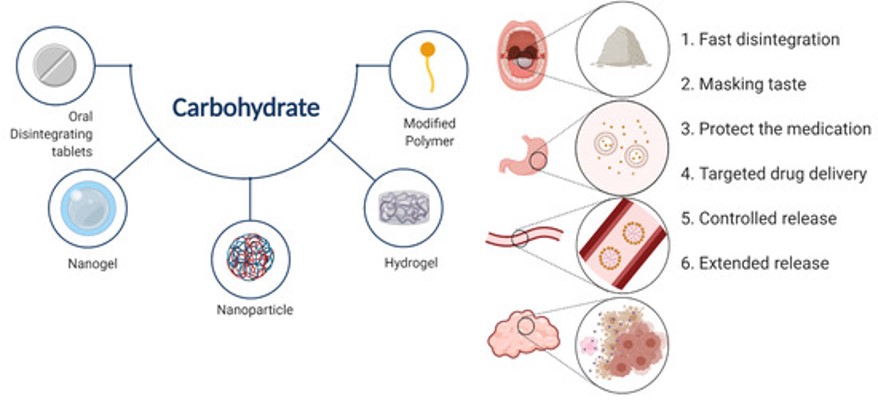 Fig. 1 Carbohydrates used in polymeric systems for drug delivery.1,3
Understanding Carbohydrate-modified Liposomes
Carbohydrate-modified liposomes, often referred to as "glycoliposomes," are specialized lipid vesicles decorated with carbohydrate moieties (monosaccharides, oligosaccharides, or polysaccharides) on their outer surface. These carbohydrate ligands act as molecular homing beacons. Unlike standard PEGylated liposomes that rely solely on stealth properties, glycoliposomes actively interact with carbohydrate-binding proteins (lectins) expressed on the surface of target cells. This modification transforms the liposome from a passive carrier into an intelligent delivery system capable of cellular recognition.
Unlike passive diffusion, carbohydrate-modified liposomes enter cells via specific receptor-mediated endocytosis pathways.
- Asialoglycoprotein Receptor (ASGPR): Highly expressed on hepatocytes, this receptor binds Galactose and N-Acetylgalactosamine (GalNAc) with high affinity, making it the gold standard for liver-targeted therapies.
- Glucose Transporters (GLUTs): Overexpressed on the Blood-Brain Barrier (BBB) endothelium and rapidly dividing tumor cells, these transporters can be targeted using glucose or glucose-analog modification.
- Mannose Receptors (CD206): Abundant on macrophages and dendritic cells, these receptors are crucial targets for immunotherapies and vaccine delivery.
Key Carbohydrate Ligands for Targeted Delivery
The strategic selection of carbohydrate ligands is paramount for achieving precise cellular internalization and minimizing off-target effects. At Creative Biolabs, we leverage a deep understanding of lectin-carbohydrate interactions to identify the optimal ligand-receptor pairs for specific therapeutic indications. Our platform supports the conjugation of a vast array of functionalized sugars, ranging from simple monosaccharides to complex, branched polysaccharides, ensuring high-affinity docking with target tissues.
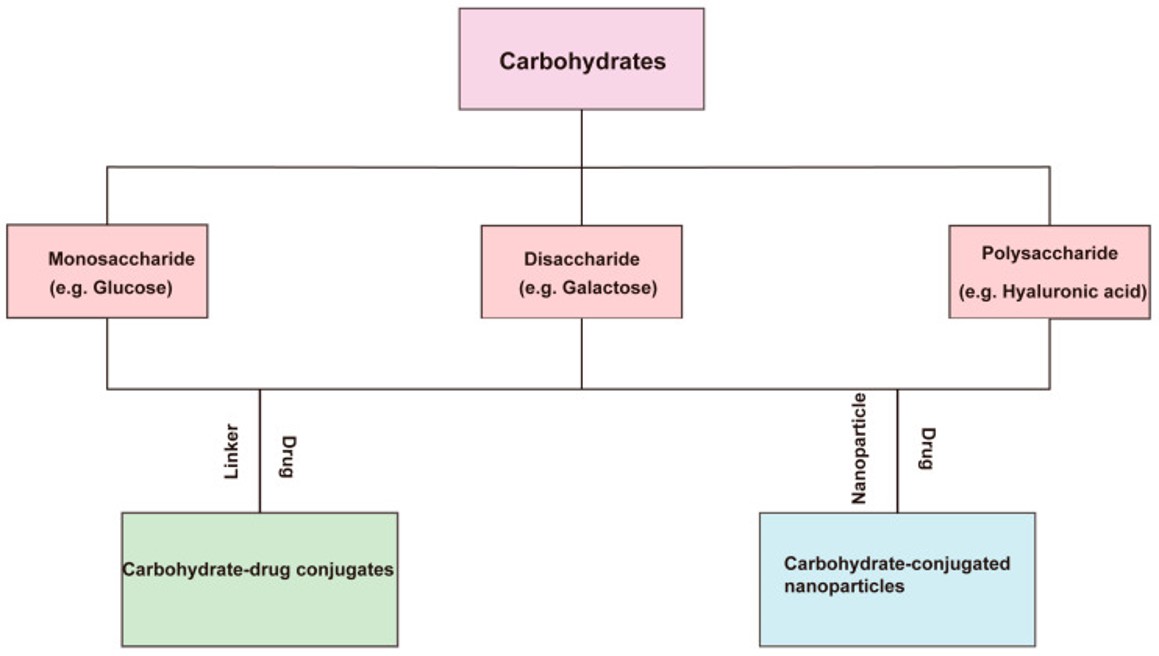 Fig. 2 Carbohydrate-mediated targeted drug delivery system.2,3
| Ligand Class | Specific Ligand | Target Receptor | Primary Target Tissue/Cell |
|---|---|---|---|
| Galactose/GalNAc | Galactose, N-Acetylgalactosamine | Asialoglycoprotein Receptor (ASGPR) | Hepatocytes (Liver) |
| Mannose | D-Mannose, Trimannose | Mannose Receptor (CD206), DC-SIGN | Macrophages, Dendritic Cells (Immune System) |
| Glucose | D-Glucose, 2-DG | Glucose Transporters (GLUT1, GLUT3) | Blood-Brain Barrier, Solid Tumors |
| Fucose | L-Fucose | Selectins (E-selectin, P-selectin) | Inflamed Endothelium, Metastatic Sites |
| Sialic Acid | Sialyl Lewis X | Selectins, Siglecs | Neutrophils, Tumor Vasculature |
| Polysaccharides | Hyaluronic Acid (HA) | CD44 Receptor | Cancer Stem Cells, Tumor Stroma |
Comprehensive Carbohydrate-modified Liposome Services
Creative Biolabs provides an end-to-end solution for the design and manufacturing of glyco-functionalized nanocarriers. We combine synthetic chemistry with advanced formulation science to deliver products that meet rigorous pharmaceutical standards.
We do not rely on off-the-shelf components alone. Our synthetic chemistry team designs proprietary lipid-carbohydrate conjugates tailored to your specific needs.
- Linker Optimization: Synthesis of PEGylated linkers with variable chain lengths (PEG1000 to PEG5000) to balance stealth properties with ligand accessibility.
- Ligand Diversity: Conjugation of simple monosaccharides or complex branched oligosaccharides to lipid anchors (DSPE, Cholesterol, DOPE).
- Surface Density Control: Precise control over the molar percentage of glycolipids (1% to 20%) to optimize the multivalent effect for high-avidity binding.
Workflow
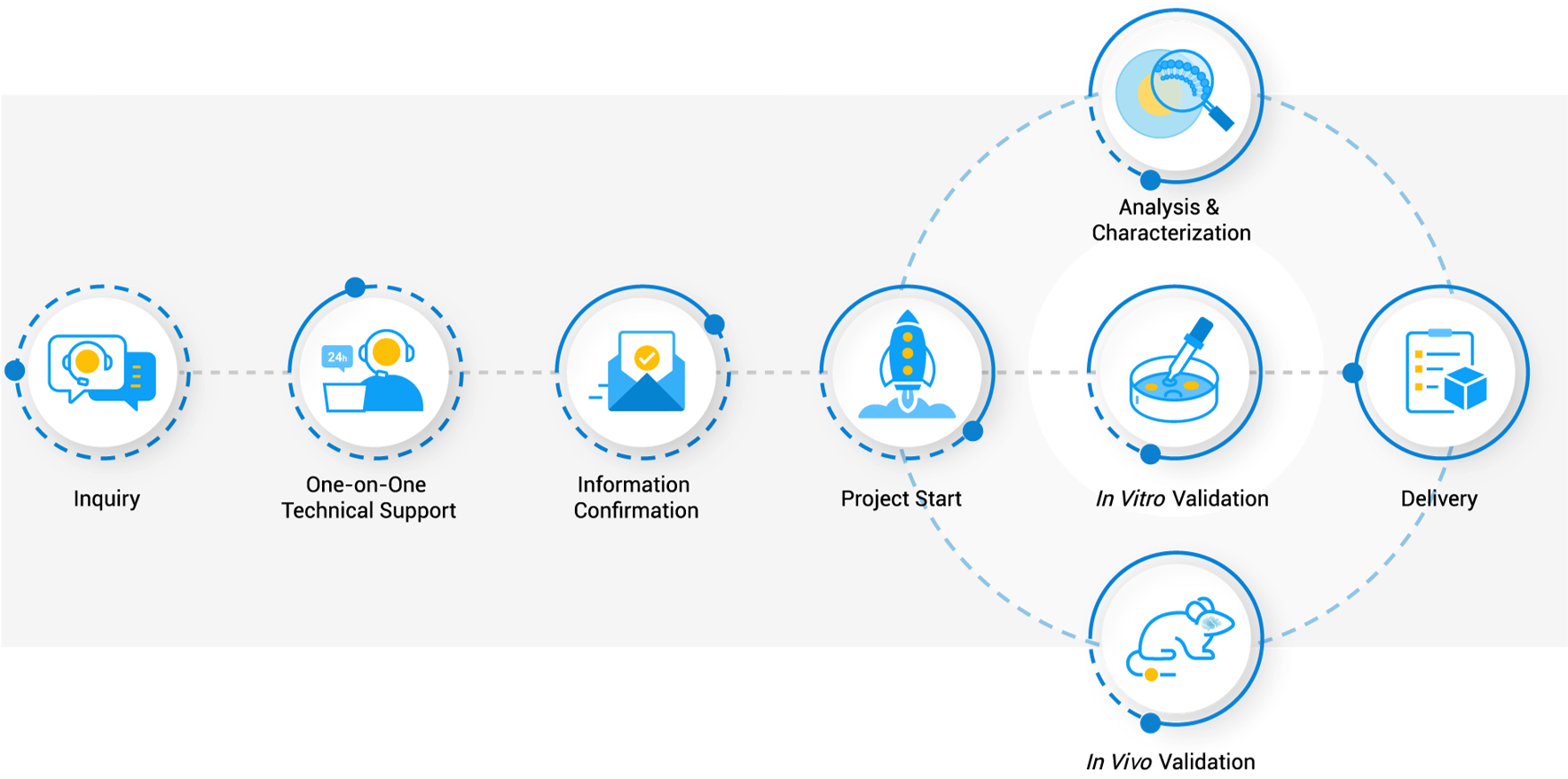
Revolutionizing Research with Carbohydrate-modified Liposomes
Our carbohydrate-modified liposomes are engineered to solve critical delivery challenges across multiple therapeutic areas, leveraging distinct biological pathways.
- Hepatic Targeting for Gene Silencing & Editing Utilizing Galactose or GalNAc ligands to target the hepatocyte-specific ASGPR enables high-potency delivery of gene therapies (siRNA, CRISPR/Cas9) for liver diseases, significantly reducing required dosages compared to non-targeted carriers.
- Macrophage-Directed Immunotherapy & Vaccines Mannose-functionalized liposomes target CD206 on Antigen-Presenting Cells (APCs), enhancing antigen uptake and cross-presentation. This is critical for boosting the efficacy of cancer vaccines and immunotherapies.
- Brain-Targeted Delivery via GLUT Transporters Decorating liposomes with Glucose analogues or Maltose exploits GLUT1 transporters to cross the Blood-Brain Barrier (BBB), enabling the delivery of neuroprotective agents and gene therapies for CNS disorders like Alzheimer's and GBM.
- Tumor Microenvironment & Cancer Stem Cell Targeting Utilizing Hyaluronic Acid (HA) to target CD44 receptors overexpressed in tumors facilitates specific intracellular accumulation of chemotherapeutics, sparing healthy tissue and widening the therapeutic window.
Why Choose Creative Biolabs?
Proprietary Glycoconjugation Chemistry
We possess unique capabilities in synthesizing complex glycolipids that ensure optimal spatial orientation of the sugar moiety for maximal receptor binding.
Integrated Lyophilization Expertise
We solve the cold-chain and stability issues of liquid liposomes by delivering validated lyophilized formulations that remain stable at ambient temperatures.
Scalable Manufacturing Platforms
Our microfluidic assembly processes are directly scalable from milligram research batches to multi-gram preclinical supplies, ensuring data consistency throughout development.
Comprehensive Bio-Characterization
Beyond basic physical specs, we offer functional assays such as lectin-binding affinity tests and in vitro cellular uptake studies to validate targeting efficacy before you proceed to animal models.
At Creative Biolabs, we are dedicated to advancing the frontiers of drug delivery. Our Professional Carbohydrates-Modified Liposomes Development Services combine cutting-edge glycopolymer chemistry with robust formulation science to deliver targeted solutions that overcome the most challenging biological barriers. Whether you are targeting the liver, the brain, or the immune system, our team provides the customized, high-quality tools you need to translate your therapeutic concepts into reality.
Related Services & Products
Related Services

Related Products
| Product Name | Description | |
|---|---|---|
| DMG-PEG-Mannose | Mannose conjugated to DMG-PEG lipid for liposomes or LNP formulations targeting immune cells. | |
| DOPE-HA | HA conjugated to fusogenic helper lipid DOPE for enhanced endosomal escape and CD44 targeting. | |
| DOPE-PEG-Mannose | Mannose-functionalized DOPE with PEG spacer for macrophage targeting. | |
| DSPE-Galactose | Direct conjugation of Galactose to DSPE for compact ligand presentation. | |
| DSPE-Mannose | DSPE lipid functionalized with Mannose for direct membrane incorporation. | |
| DSPE-SS-PEG-Galactose | Redox-sensitive (cleavable) Galactose-lipid conjugate for triggered intracellular release. | |
| DSPE-SS-PEG-HA | Disulfide-linked HA conjugate for redox-responsive targeting of CD44+ tumors. |
FAQs
How does the length of the PEG spacer affect carbohydrate targeting efficiency?
The PEG spacer length is critical. If too short, the carbohydrate ligand may be shielded by the liposome's hydration layer or other surface proteins. If too long, it may cause steric hindrance. We optimize the PEG chain (typically PEG2000 to PEG3400) to ensure the ligand extends beyond the "stealth" corona, making it fully accessible for receptor binding.
Can you synthesize liposomes with dual-targeting ligands?
Yes. We can engineer "heteromultivalent" liposomes that display two different types of carbohydrate ligands (e.g., Galactose and Mannose) or a combination of carbohydrates and peptides. This dual-targeting approach can enhance specificity for cell types that uniquely co-express two different receptors.
Is lyophilization suitable for liposomes containing mRNA or siRNA?
Yes, but it requires specialized cryoprotection. We have developed proprietary lyophilization cycles using specific ratios of cryoprotectant that protect the delicate lipid bilayer and the nucleic acid payload during the freezing and sublimation phases, preventing leakage and degradation.
References
- Di, Xiangjie, et al. "Carbohydrates used in polymeric systems for drug delivery: from structures to applications." Pharmaceutics 14.4 (2022): 739. https://doi.org/10.3390/pharmaceutics14040739.
- Yan, Shuxin, et al. "Different targeting ligands-mediated drug delivery systems for tumor therapy." Pharmaceutics 16.2 (2024): 248. https://doi.org/10.3390/pharmaceutics16020248.
- Distributed under Open Access license CC BY 4.0, without modification.