Antibody modified Liposome Development Service for Targeted Drug Delivery
In the rapidly evolving landscape of precision medicine, the ability to deliver therapeutic agents specifically to diseased tissues while sparing healthy cells is the ultimate goal. Antibody-modified liposomes, or immunoliposomes, represent a sophisticated solution to this challenge, combining the versatile payload capacity of liposomes with the exquisite specificity of monoclonal antibodies. At Creative Biolabs, we leverage over two decades of expertise in lipid nanotechnology to engineer these "precision-guided missiles."
Start Your Immunoliposomes Project
The Science of Immunoliposomes
Antibody-mediated Targeted Drug Delivery Strategies
In the realm of precision medicine, antibody-mediated targeting has emerged as a cornerstone for overcoming the limitations of systemic chemotherapy. Two dominant strategies define this landscape: Antibody-Drug Conjugates (ADCs) and Antibody-Modified Liposomes (Immunoliposomes).
By anchoring antibodies to the surface of a liposome, this platform functions as a "Trojan horse" capable of encapsulating thousands of drug molecules or fragile genetic payloads (such as siRNA or mRNA) per binding event. This architecture allows for high-capacity delivery and the protection of sensitive biological cargoes.
This strategy involves chemically linking potent cytotoxic agents directly to a monoclonal antibody. ADCs are highly effective for delivering ultra-potent small molecule toxins to target cells with high specificity, leveraging the antibody's precise recognition capabilities to minimize systemic exposure.
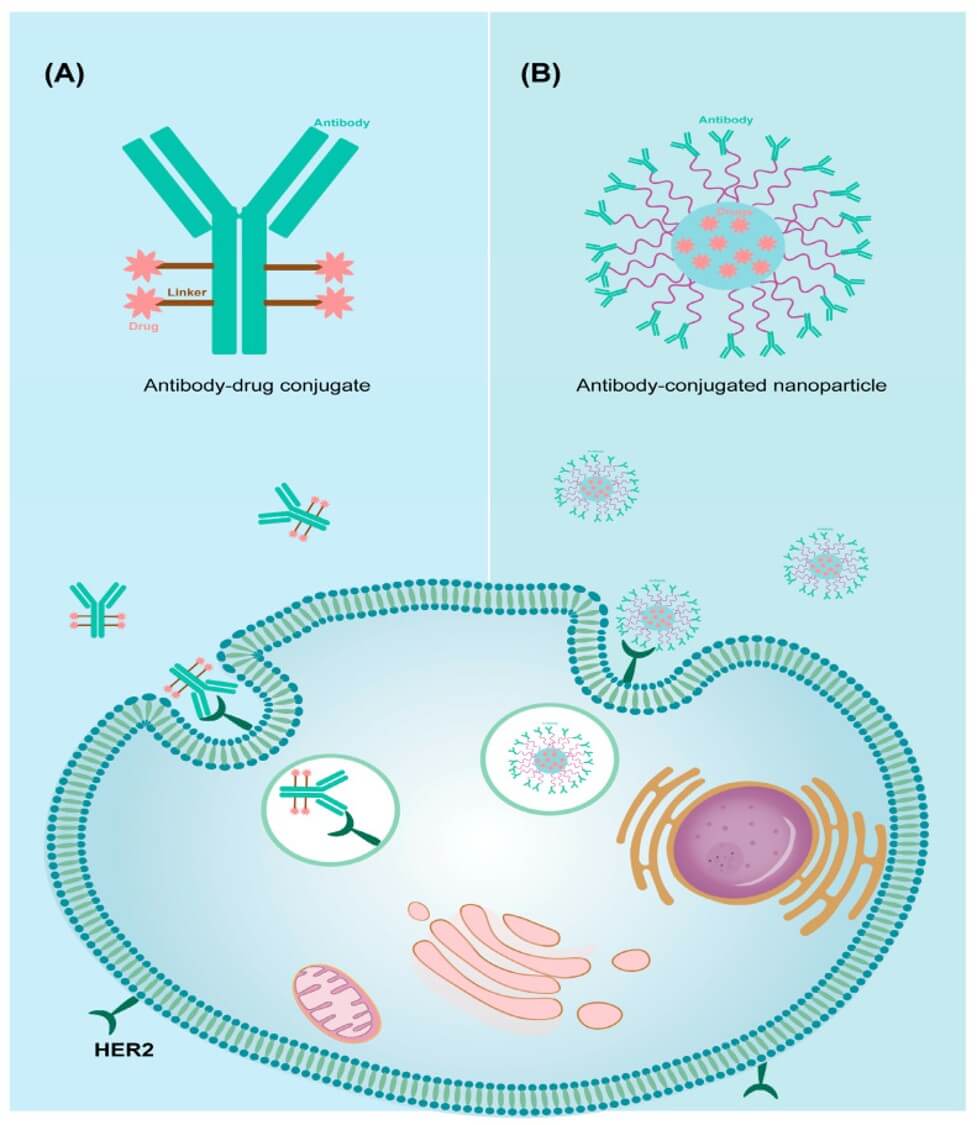 Fig. 1 Antibody-mediated targeted drug delivery system.1
The Architecture of Immunoliposomes
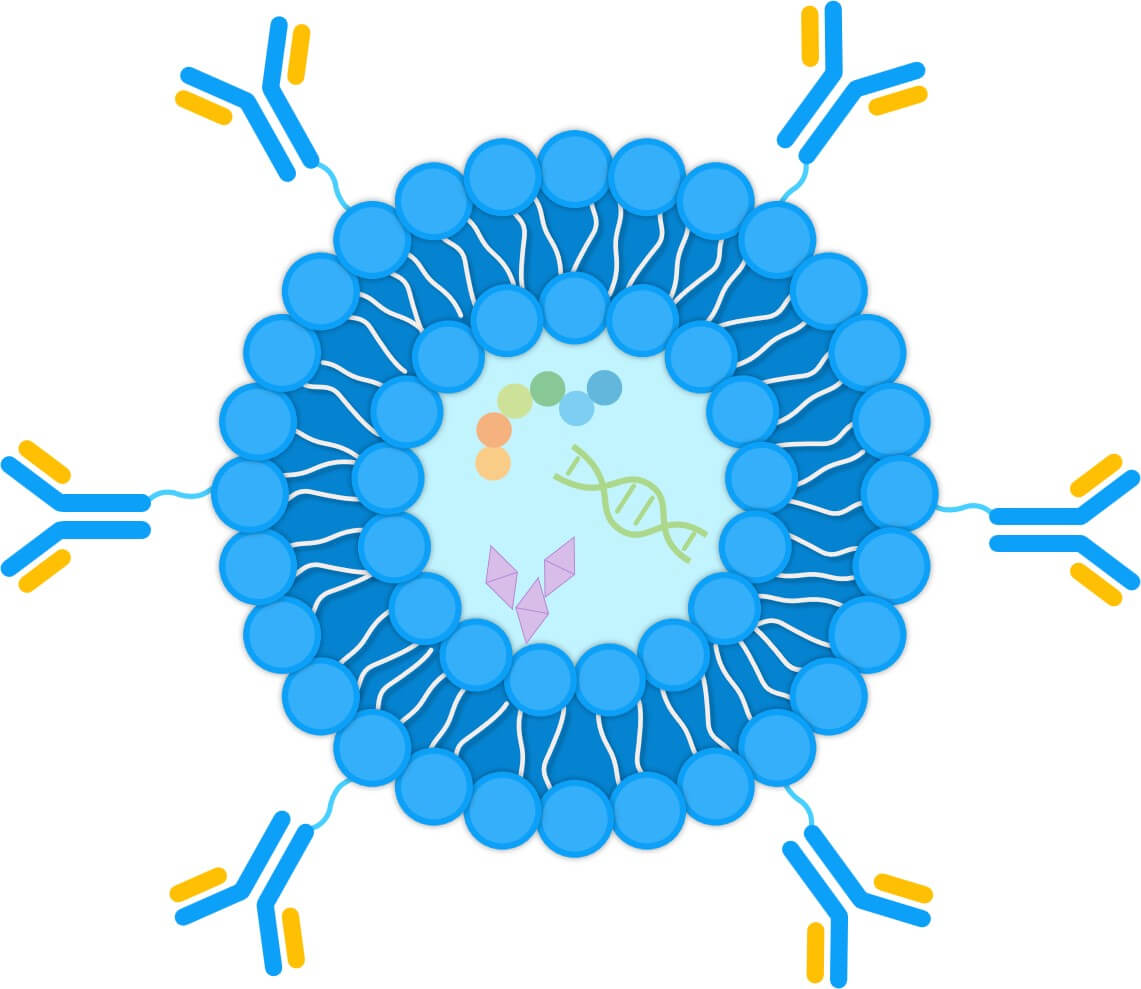
- The Aqueous/Lipid Core: The interior serves as the cargo hold. Hydrophilic drugs (e.g., Doxorubicin) or nucleic acids are sequestered in the aqueous core, while hydrophobic agents are embedded within the phospholipid bilayer.
- The Stealth Corona: To prevent rapid clearance by the Reticuloendothelial System (RES), the lipid surface is typically modified with a hydrophilic polymer, most commonly Polyethylene Glycol (PEG). This "stealth" layer provides steric stabilization and prolongs circulation half-life.
- The Targeting Ligand: Antibodies or antibody fragments are conjugated to the distal ends of the PEG chains or directly to the lipid headgroups. This positioning ensures the ligands extend beyond the PEG cloud, maintaining accessibility for receptor binding.
Critical Design Parameters of Immunoliposomes
The success of an immunoliposome formulation hinges on the precise engineering of the antibody-lipid interface. Choosing the right conjugation strategy and antibody format is critical to preserving binding affinity and ensuring proper orientation.
Advanced Conjugation Methodologies and Site Specificity
The conjugation process establishes the molecular linkage between the liposome and the antibody. Selecting the correct coupling chemistry is essential to ensure the antibody is oriented correctly—facing outward to engage its target—and remains stably attached during circulation. We employ advanced chemistries that optimize this interface, preserving the antibody's binding affinity while preventing detachment.
Versatility in Antibody Formats
The physical size and structure of the antibody dictate the immunoliposome's behavior in vivo. Full-length antibodies (IgG) provide extended circulation times, whereas smaller fragments (such as Fab or scFv) exhibit enhanced penetration into dense tissues and cross biological barriers more effectively. We select the format that best aligns with the target location and required clearance profile.
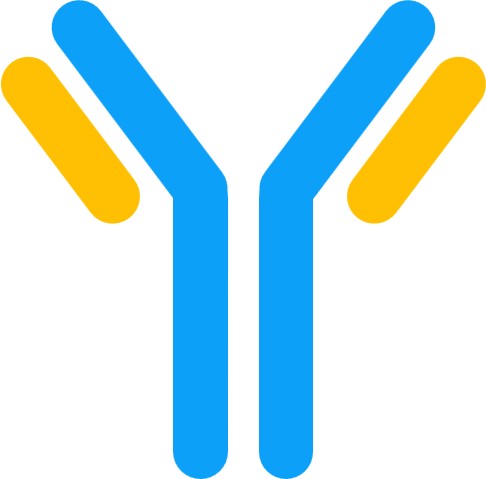
The standard full-length antibodies, primarily IgG isotypes (IgG1, IgG4), known for their high stability and bivalent binding.

Smaller derivatives such as Fab, F(ab')2, and scFv (Single-chain variable fragments), designed to reduce molecular weight and improve tissue penetration.

The smallest functional antibody units, which offer exceptional stability and the capacity to cross tight biological barriers like the BBB.

Advanced dual-targeting constructs capable of binding two distinct antigens simultaneously, enhancing specificity or enabling synergistic mechanisms of action.
Common Therapeutic Targets for Immunoliposomes
Therapeutic targets are specific surface proteins that distinguish diseased cells from healthy ones. By functionalizing liposomes to recognize these unique molecular markers, we enable active targeting—delivering the therapeutic payload directly to the site of disease to maximize efficacy and minimize systemic side effects
| Target | Representative Antibodies | Treated Diseases / Applications |
|---|---|---|
| HER2 (ErbB2) |
Trastuzumab Pertuzumab Anti-HER2 scFv |
Breast Cancer Gastric Cancer |
| EGFR |
Cetuximab Panitumumab Anti-EGFR mAb |
NSCLC Colorectal Cancer: |
| CD19 / CD20 |
Anti-CD19 scFv Rituximab |
B-Cell Lymphomas Leukemias |
| Transferrin Receptor (TfR) |
OX26 8D3 Anti-TfR Fab |
CNS Disorders |
| PSMA |
J591 Anti-PSMA mAb |
Prostate Cancer |
| GD2 |
Dinutuximab Anti-GD2 mAb |
Neuroblastoma |
Comprehensive Immunoliposome Development Services
Creative Biolabs provides a fully customizable, end-to-end development pipeline. We dive deep into the physicochemical attributes of your formulation to ensure high efficacy, stability, and reproducibility.
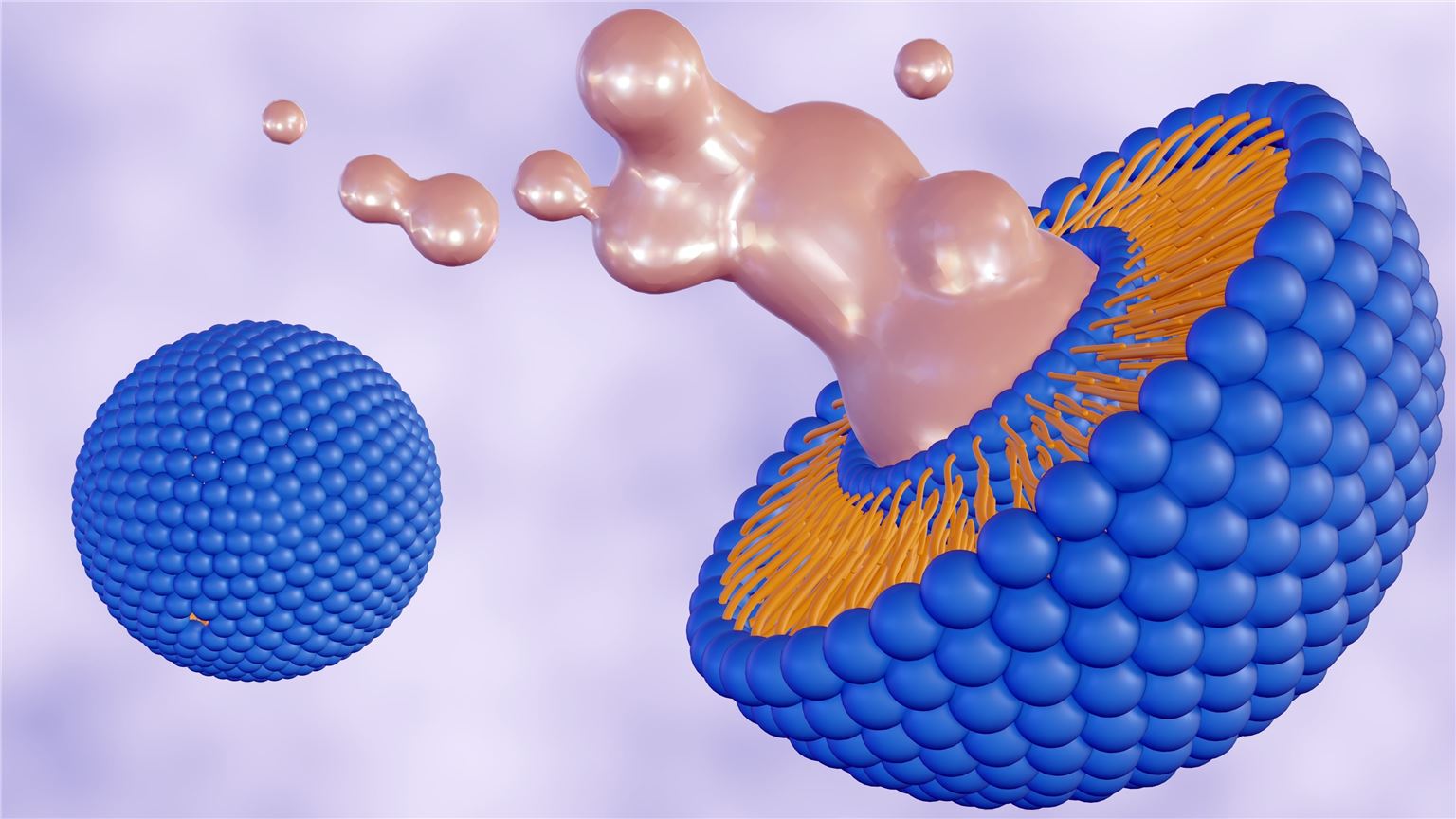
We offer a "design-to-delivery" service where we select the optimal lipid composition and conjugation strategy based on your target and antibody type.
- Linker Optimization: Selection of PEG spacer length (e.g., PEG2000 vs. PEG5000) to balance stealth properties with antigen accessibility.
- Orientation Control: Utilization of Fc-specific conjugation techniques to ensure the antigen-binding domains (Fab) are oriented outward for maximum avidity.
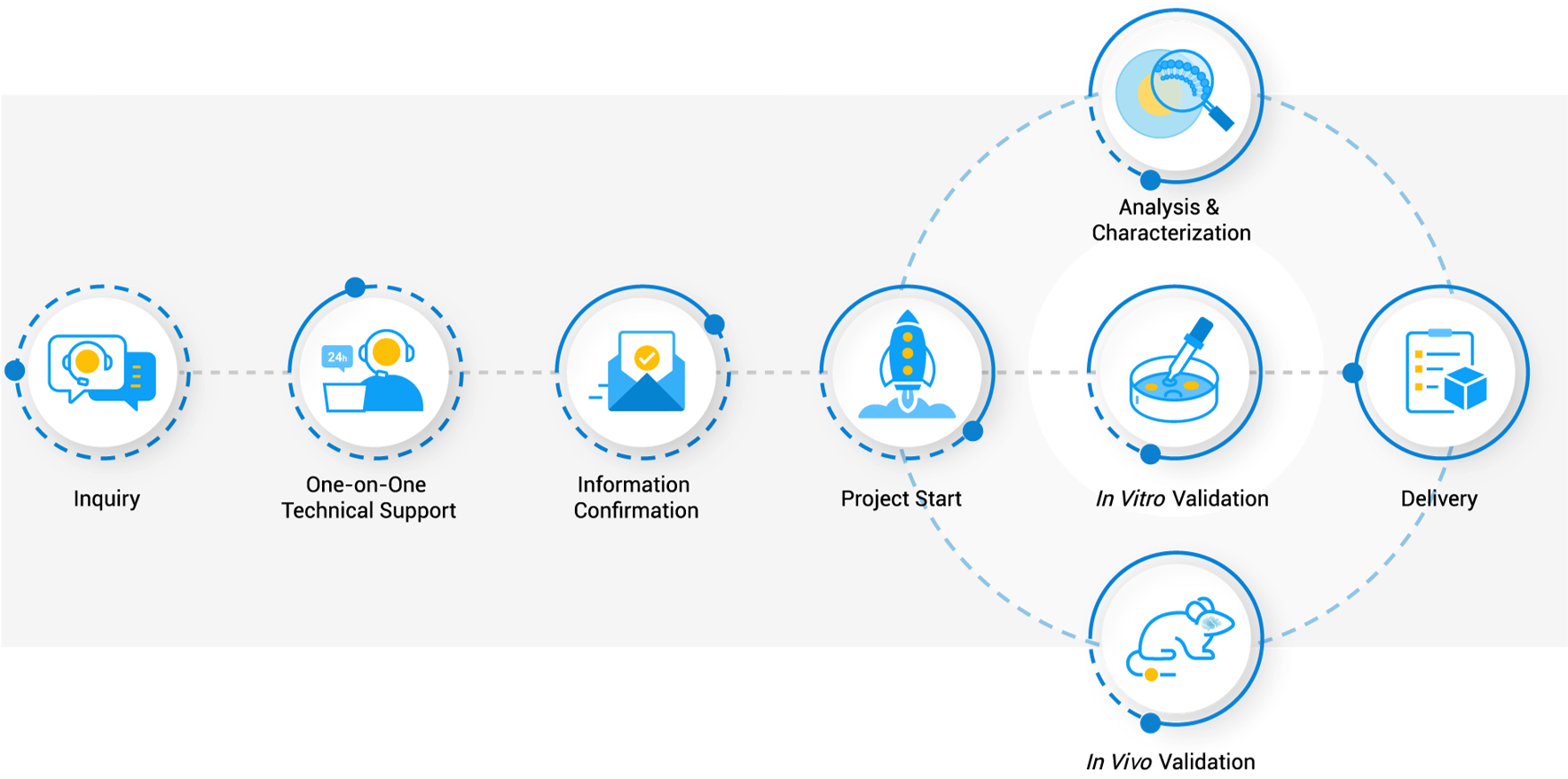
Workflow
Applications of Targeted Delivery Systems
Our antibody-modified liposomes are versatile tools driving breakthroughs across a wide spectrum of research fields:
- Oncology & Cancer Immunotherapy: Delivering chemotherapeutics (e.g., Doxorubicin) or immunomodulators specifically to solid tumors by targeting antigens like HER2, EGFR, or CD19. This reduces systemic toxicity and enhances tumor regression.
- Neuroscience & CNS Delivery: Overcoming the Blood-Brain Barrier (BBB) by conjugating liposomes with antibodies against Transferrin or Insulin receptors, enabling the delivery of neuroprotective agents or gene therapies for Alzheimer's and Parkinson's research.
- Gene Therapy & Genetic Engineering: Facilitating the targeted delivery of CRISPR-Cas9 ribonucleoproteins or mRNA vaccines to specific immune cells (e.g., T-cells or Dendritic cells), protecting the cargo from nuclease degradation while ensuring cell-specific transfection.
- Diagnostic Imaging: Creating targeted contrast agents by encapsulating gadolinium or fluorescent dyes, allowing for the precise visualization of metastatic lesions or inflammation sites in preclinical models.
Why Choose Creative Biolabs?
Preserved Bioactivity
Our optimized conjugation protocols are designed to maintain the high binding affinity of your antibody, avoiding denaturation during the coupling process.
Modular Flexibility
We mix and match distinct Module Delivery Systems with various Targeted Modules to create the perfect vehicle for your research.
Scalability
We support your project from small-scale pilot batches for in vitro screening to larger volumes for preclinical in vivo studies.
Rigorous Quality Control
Every batch is tested for particle size (PDI), zeta potential, encapsulation efficiency, and drug-to-lipid ratio, ensuring data reliability.
Lyophilization Expertise
We offer specialized freeze-drying cycles to ensure your immunoliposomes remain stable during storage and transport.
At Creative Biolabs, we are dedicated to advancing the frontiers of drug delivery through our specialized Antibody-modified Liposomes Development Services. By combining robust Module Delivery Systems with precise Targeted Modules, we empower researchers to achieve superior therapeutic indices and unlock new possibilities in disease treatment. Whether you require custom formulation, conjugation optimization, or stability enhancement via lyophilization, our expert team is ready to support your scientific journey.
Related Services & Products
Related Services

Related Products
| Product Name | Description | Inquiry |
|---|---|---|
| Lipid-Protein Conjugation Kit (Universal) | Optimized for conjugating 5mg, 20mg, or 50mg of antibodies, peptides, or proteins, facilitating the preparation of functional liposomes, LNPs, cell membranes, and exosomes. | |
| DSPE-PEG-NHS | High-purity PEGylated phospholipid with an NHS ester for direct conjugation to primary amines on antibodies. | |
| DSPE-PEG-Mal | Functionalized lipid with a maleimide group for robust thiol-based antibody conjugation. | |
| DSPE-PEG-DBCO | Click-chemistry ready lipid for copper-free conjugation to azide-modified antibodies. |
FAQs
Can you conjugate my proprietary antibody to your liposomes?
Yes. We can work with commercially available antibodies or proprietary antibodies provided by you. We handle your materials with strict confidentiality and can assist in sourcing specific antibodies if needed.
What is the difference between post-insertion and pre-insertion conjugation?
Pre-insertion involves incorporating antibody-lipid conjugates during liposome formation, while post-insertion adds them to pre-formed liposomes. Post-insertion often yields better control over ligand density and preserves antibody activity better for sensitive proteins.
How do you ensure the antibody is oriented correctly on the liposome?
We utilize site-specific conjugation strategies, such as targeting the Fc region or carbohydrate chains of the antibody, to ensure the antigen-binding Fab regions face outward, maximizing binding efficiency.
What is the typical size of the immunoliposomes produced?
We typically engineer vesicles in the 100nm–150nm range to take advantage of the EPR effect while ensuring circulation stability, but this can be customized based on your specific requirements.
Does lyophilization affect the binding activity of the antibody?
Our specialized lyophilization cycles include cryoprotectants that protect both the lipid bilayer and the protein structure of the antibody, ensuring functional activity is preserved upon reconstitution.
Reference
- Yan, Shuxin, et al. "Different targeting ligands-mediated drug delivery systems for tumor therapy." Pharmaceutics 16.2 (2024): 248. https://doi.org/10.3390/pharmaceutics16020248. Distributed under Open Access license CC BY 4.0, without modification.