Creative Biolabs is offering the most comprehensive services for antibody development projects. With strict regulation and effective execution, we are dedicated to providing the most valuable solutions to complete your projects.
HighlightsCreative Biolabs is offering the most comprehensive services for antibody development projects. With strict regulation and effective execution, we are dedicated to providing the most valuable solutions to complete your projects.
HighlightsCreative Biolabs has established a broad range of platforms for developing novel antibodies or equivalents. These cutting-edge technologies enable our scientists to meet your demands from different aspects and tailor the most appropriate solution that contributes to the success of your projects.
HighlightsWith deep understanding in antibody-related realms and extensive project experience, Creative Biolabs offers a variety of references to help you learn more about our capacities and achievements, including infographic, flyer, case study, peer-reviewed publications, and all kinds of knowledge that can assist your projects. You are also welcome to contact us directly for more specific solutions.
HighlightsGet a real taste of Creative Biolabs, one of the most professional custom service providers in the world. We are committed to providing highly customized comprehensive solutions with the best quality to advance your projects.
HighlightsIn the complex landscape of biologic drug development, accurately understanding the pharmacokinetic (PK) and pharmacodynamic (PD) profile of an antibody therapeutic is paramount. A critical component of this is the precise measurement of free, unbound drug concentration in patient samples. This measurement can be significantly challenged by the presence of circulating anti-drug antibodies (ADAs). At Creative Biolabs, we specialize in overcoming these challenges. With over two decades of pioneering experience, we have developed a state-of-the-art FREE Antibody-recognized Anti-Idiotypic Antibody (Anti-ID Ab) Discovery Service. Our service is engineered to produce highly specific, high-affinity anti-idiotypic antibodies that selectively bind to the free form of your antibody therapeutic, enabling unparalleled accuracy in your bioanalytical assays.
The therapeutic effect of an antibody drug is primarily driven by its active, unbound form circulating in the body. However, the immune system can recognize therapeutic antibodies as foreign, leading to the generation of ADAs. These ADAs can bind to the therapeutic, neutralizing its effect and altering its PK profile. Therefore, distinguishing between free, partially bound, and fully bound drug is essential for:
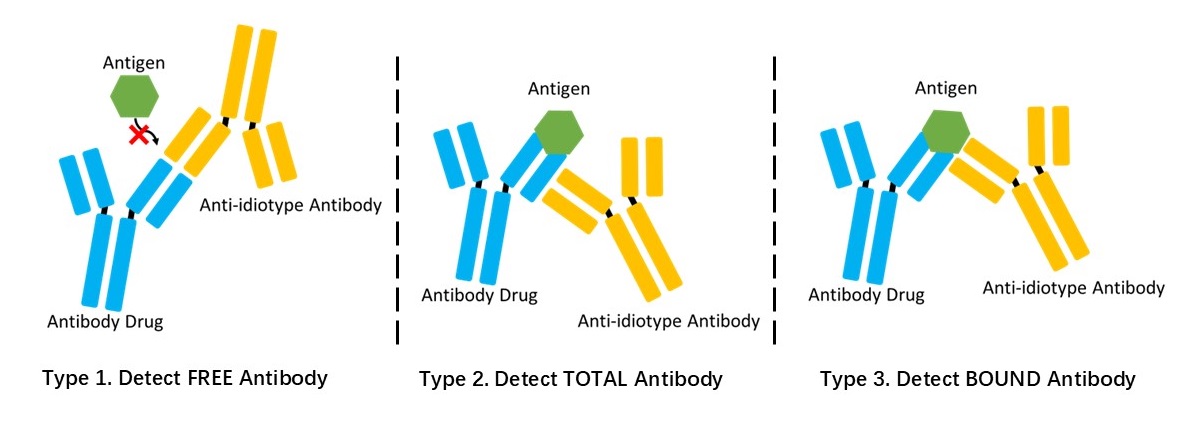 Fig. 1 Types of anti-idiotypic antibody.
To meet the rigorous demands of modern bioanalysis, Creative Biolabs has developed the FREE Antibody recognized Anti-Idiotypic Antibody platform. This cutting-edge technology integrates optimized immunization strategies with advanced B-cell cloning and high-throughput screening to generate superior anti-idiotypic antibodies with exceptional specificity for free therapeutic antibodies.
Platform Highlights:
| Feature | Advantage | Technical Detail |
| Targeted Immunogen Design | Elicits a highly specific immune response against the drug's unique idiotope. | We utilize advanced bioinformatics to analyze the CDRs and design immunogens (e.g., Fab fragments, stabilized scFv) that optimally present the target idiotope while minimizing cross-reactivity. |
| Multi-Species Immunization | Increases the diversity of potential high-affinity binders. | Our protocols include immunization of various species, such as mice, rats, rabbits, and chickens, allowing selection of the best host for optimal antibody generation. |
| Advanced B-Cell Sorting | Isolates rare B-cells producing high-affinity, paratope-specific antibodies. | We screen millions of single B-cells to directly identify and retrieve the cells producing antibodies with the desired "free-drug specific" binding profile. |
| High-Throughput Screening | Rapidly identifies and characterizes hundreds of candidate clones. | We employ state-of-the-art immunoassay systems for high-sensitivity screening, ensuring the selected clones have picomolar affinity and high drug tolerance. |
Our process is collaborative and transparent, ensuring we meet your specific project requirements at every stage.
Leveraging the FREE Antibody recognized Anti-Idiotypic Antibody Discovery platform, our service delivers antibodies that form the cornerstone of a robust and reliable bioanalytical assay.
Partner with Creative Biolabs to gain access to world-class expertise and technology. Contact Us today to discuss your project with our scientists and discover how our FREE Antibody-recognized Anti-ID Antibody Discovery Service can accelerate your drug development program.
Q1: What type of anti-idiotypic antibody is best for a free drug PK assay?
A: An antigen-blocking (also known as neutralizing or paratope-specific) anti-ID antibody is required. This type of antibody binds to the antigen-binding site of the drug, allowing it to be used in a competitive assay format to specifically measure the drug that is not bound to its target.
Q2: How do you ensure the anti-ID antibody is specific to the free drug?
A: Our screening process is specifically designed for this. We use a competitive screening format where the antibody drug is pre-incubated with an excess of its target antigen. Clones that can still bind are discarded, as they recognize epitopes outside the paratope. We select for clones whose binding is blocked by the target antigen, confirming their specificity for the free drug's active site.
Q3: What is the typical affinity of the antibodies you deliver?
A: We consistently generate anti-ID antibodies with high affinity, typically in the range of 10-9 to 10-12 M. This high affinity is crucial for developing assays with the required sensitivity for preclinical and clinical studies.
Q4: Can you develop anti-ID antibodies for complex biologics like bispecific antibodies or ADCs?
A: Yes. Our FREE Antibody recognized Anti-Idiotypic Antibody Discovery platform is highly adaptable. For bispecific antibodies, we can develop anti-ID antibodies specific to one or both arms. For Antibody-Drug Conjugates (ADCs), our process ensures that the conjugation of the payload does not interfere with the generation of specific anti-ID antibodies.
All listed services and products are For Research Use Only. Do Not use in any diagnostic or therapeutic applications.