
Creative Biolabs is offering the most comprehensive services for antibody development projects. With strict regulation and effective execution, we are dedicated to providing the most valuable solutions to complete your projects.
HighlightsCreative Biolabs is offering the most comprehensive services for antibody development projects. With strict regulation and effective execution, we are dedicated to providing the most valuable solutions to complete your projects.
HighlightsCreative Biolabs has established a broad range of platforms for developing novel antibodies or equivalents. These cutting-edge technologies enable our scientists to meet your demands from different aspects and tailor the most appropriate solution that contributes to the success of your projects.
HighlightsWith deep understanding in antibody-related realms and extensive project experience, Creative Biolabs offers a variety of references to help you learn more about our capacities and achievements, including infographic, flyer, case study, peer-reviewed publications, and all kinds of knowledge that can assist your projects. You are also welcome to contact us directly for more specific solutions.
HighlightsGet a real taste of Creative Biolabs, one of the most professional custom service providers in the world. We are committed to providing highly customized comprehensive solutions with the best quality to advance your projects.
HighlightsThe alignment of phenotypic manifestation with its underlying genetic architecture represents a cornerstone of functional genomics and targeted molecular evolution. Since its foundational description in 1985, phage display technology has evolved into an indispensable methodology for probing macromolecular interactions and isolating specific binding ligands from highly diverse combinatorial pools. By physically linking the encoded genotype inside the viral capsid to the functional protein or peptide displayed on the exterior surface, this platform permits the rapid, high throughput interrogation of vast molecular repertoires. The Nobel Prize in Chemistry in 2018 underscored the transformative impact of this technique, celebrating its historical validation in primary biochemistry and its industrial translation into therapeutic lead generation, diagnostic engineering, and biomarker mapping.
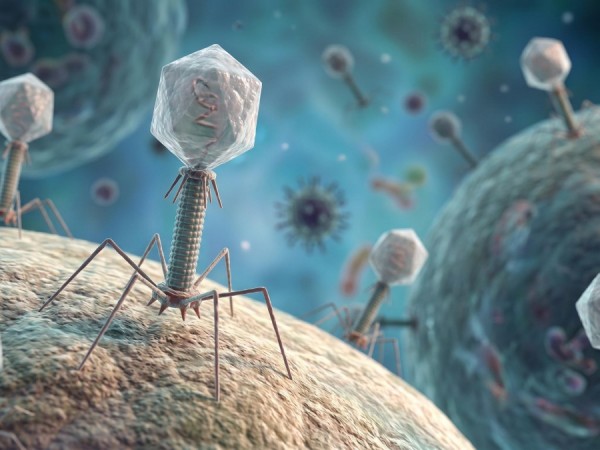
Phage display establishes a direct structural linkage between cloned nucleic acid sequences and functional surface display through genetic recombination. An exogenous DNA fragment encoding a candidate peptide or antibody domain is strategically integrated into the structural gene of a specific viral coat protein. Upon infection of a susceptible host bacterial strain, typically Escherichia coli, the foreign sequence undergoes translation as a physical fusion component of the capsid matrix.
The selection of the appropriate bacteriophage vehicle dictates the maximum package size, density, and functional stability of the displayed repertoire:
The M13 virion is the most widely utilized platform for single chain variable fragment (scFv), Fab fragment, and random peptide displays. It leverages the minor coat protein pIII for accommodating large protein architectures or long single copies, while the major coat protein pVIII is reserved for dense arrays of short peptides. Its single stranded DNA genome facilitates straightforward genetic manipulation and high replication fidelity.
Utilizing the capsid protein, the T7 layout is characterized by an architecture that allows for the display of varied molecular weights without requiring a periplasmic secretion step. Host lysis ensures direct recovery of intracellular aggregates, making it highly effective for mining diverse cDNA fragments.
Employing the structural D or V proteins of the head architecture, the lambda configuration can accommodate heavy molecular weights exceeding 100 kilodaltons, including multi subunit complexes and proteins that display inherent cytotoxicity to the bacterial host during standard export pathways.
Featuring separate, nonessential outer capsid components known as SOC and HOC, the T4 arrangement permits simultaneous independent chemical modifications and dense bipartite displays, bypassing intensive downstream purification requirements.
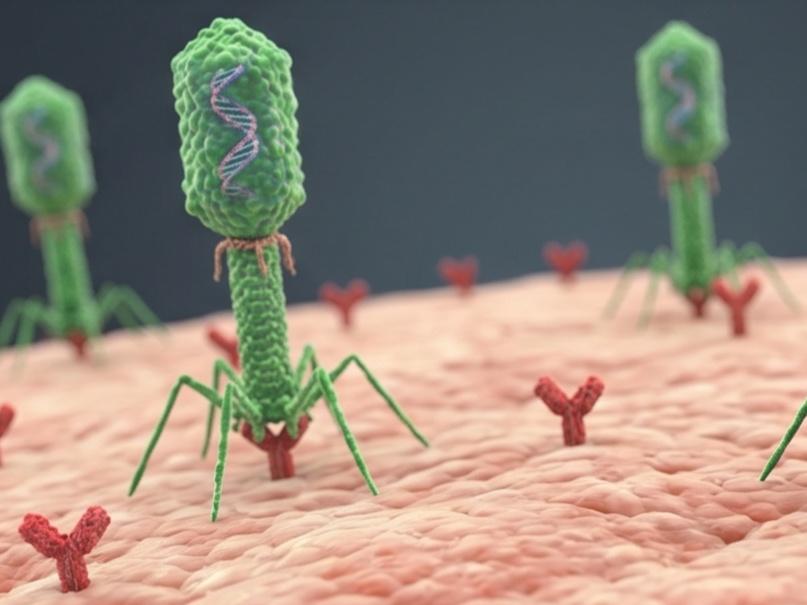
The persistent dominance of virion selection over alternative discovery pipelines rests on explicit biophysical parameters that optimize selection throughput, diversity, and operational cost.
Prokaryotic display vectors allow for the routine assembly of highly diverse libraries containing up to 1011 independent transformants. This structural space greatly exceeds the physical limitations of mammalian display platforms or the immune repertoire of immunized rodents, maximizing the probability of isolating rare sub nanomolar binders.
The biopanning process relies on sequential rounds of target binding, strict partitioning, chemical elution, and host propagation. Performing three to five cycles of this selective pressure exponentially enriches the population toward high affinity leads while purging nonspecific background clones.
Because the entire selection environment is maintained in vitro, antibody generation is completely insulated from host immune censorship. This permits the successful isolation of functional antibodies against highly toxic antigens, conserved self antigens, and unstable structural epitopes that fail to provoke a response in vivo.
Bacteriophages exhibit high structural stability across wide temperature arrays and chemical gradients. This physical endurance allows researchers to conduct selections under demanding environmental conditions, such as extreme pH shifts or competitive displacement pressures, directly selecting for robust operational stability.
The plasticity of the phage interface allows for the targeted development of biomolecules tailored for precise functional mechanisms of action, altering the trajectories of diverse disease processes.
 Agonistic and Antagonistic Antibody Discovery
Therapeutic intervention often demands opposite regulatory outcomes depending on the targeted disease pathway. Inhibitory or antagonistic antibodies disrupt pathological cascades, as demonstrated by checkpoint blockers targeting the PD-1 and PD-L1 interface to restore immune cell mediated clearance of malignant clones. Conversely, agonistic monoclonal antibodies target signaling nodes within tumor necrosis factor receptor superfamilies, requiring precise structural orientation and receptor cross linking to mimic natural ligand activation and enhance therapeutic antineoplastic immunity.
Internalizing Antibody Discovery
Developing target specialized antibody drug conjugates necessitates the isolation of candidates that move rapidly from the extracellular space into the interior of the cell. This platform screens for binders that trigger receptor mediated endocytosis upon binding, ensuring effective internal delivery of attached cytotoxins, radioactive isotopes, or therapeutic nucleic acids.
pH-Sensitive Biomolecule Discovery
Precision medicine relies on smart molecules that respond dynamically to local tissue variations. Phage selection under controlled hydrogen ion gradients generates pH dependent binders that maintain high affinity at near neutral physiological levels but undergo rapid dissociation inside acidic tumor microenvironments or endosomal compartments (pH5.5-6.0), facilitating target receptor recycling and prolonged systemic duration.
Stable Variants of Protein Domains Discovery
Many downstream applications require small, single domain non antibody scaffolds that can penetrate solid tumors efficiently. By subjecting mutant domain libraries to intensive chemical and physical stress, this pipeline isolates autonomous structural variants that fold correctly without requiring stabilizing partner subunits.
Thermal Stable Monoclonal Antibodies Discovery
Industrial bioprocessing and storage require therapeutic proteins that maintain their structural integrity without continuous cold chain reliance. Phage platforms expose repertoires to elevated thermal profiles during the panning phase, selecting for thermodynamic stability and low aggregation propensity.
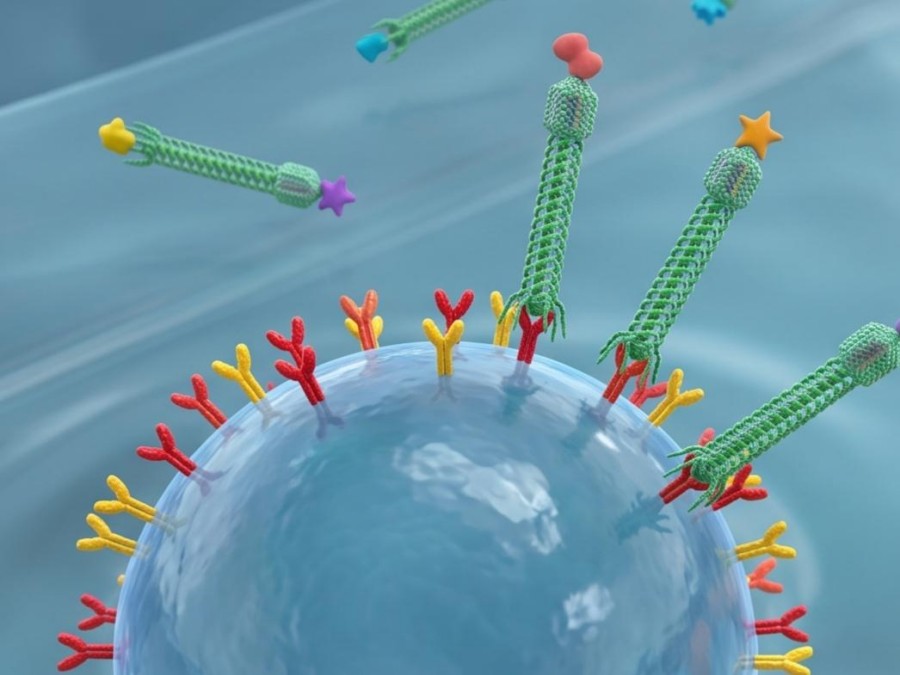
Creative Biolabs maintains an advanced structural platform engineered to manage full scale discovery campaigns from initial sequence synthesis to finalized clone validation. By integrating next generation sequencing (NGS) and automated high throughput liquid handling, we monitor selection dynamics in real time to prevent the loss of rare functional leads. Our core capabilities are organized within our specialized Phage Display based Binder Discovery network:
All listed services and products are For Research Use Only. Do Not use in any diagnostic or therapeutic applications.









