Creative Biolabs is offering the most comprehensive services for antibody development projects. With strict regulation and effective execution, we are dedicated to providing the most valuable solutions to complete your projects.
HighlightsCreative Biolabs is offering the most comprehensive services for antibody development projects. With strict regulation and effective execution, we are dedicated to providing the most valuable solutions to complete your projects.
HighlightsCreative Biolabs has established a broad range of platforms for developing novel antibodies or equivalents. These cutting-edge technologies enable our scientists to meet your demands from different aspects and tailor the most appropriate solution that contributes to the success of your projects.
HighlightsWith deep understanding in antibody-related realms and extensive project experience, Creative Biolabs offers a variety of references to help you learn more about our capacities and achievements, including infographic, flyer, case study, peer-reviewed publications, and all kinds of knowledge that can assist your projects. You are also welcome to contact us directly for more specific solutions.
HighlightsGet a real taste of Creative Biolabs, one of the most professional custom service providers in the world. We are committed to providing highly customized comprehensive solutions with the best quality to advance your projects.
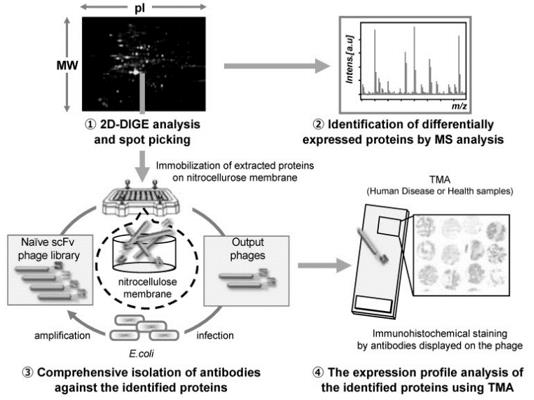
HighlightsSolid-phase library screening has long served as a cornerstone in molecular selection workflows. By immobilizing target proteins, nucleic acids, or complexes onto a physical surface, researchers can conduct phage display screening with unmatched control over presentation, orientation, and washing conditions. At Creative Biolabs, we offer a next-generation solid-phase platform designed for high-efficiency isolation of peptides, antibodies, and protein domains that bind your targets with high specificity.
What sets Creative Biolabs apart is not just technical expertise—but our attention to the nuanced variables that influence success in immobilized assays. From linker chemistry to microplate optimization, every detail is tailored to your molecule of interest. Whether you're targeting a purified recombinant protein, an epitope of interest, or even a multi-subunit complex, our solid-phase phage display services are designed to minimize off-target noise and maximize your yield of high-value hits.
Creative Biolabs' screening service is engineered for flexibility, reproducibility, and depth. Clients across therapeutic discovery, diagnostics, and academic research rely on our modular workflow to interrogate libraries against an array of target formats.
Our offerings include:
Creative Biolabs accepts both client-supplied targets and internally produced antigens. Our in-house team can also assist with antigen production, purification, and labeling as part of an integrated package.
At Creative Biolabs, we believe screening should be both strategic and transparent. Our team builds a plan around your project's goals and keeps you updated throughout the campaign. Our typical workflow includes:







Creative Biolabs provides comprehensive documentation and ready-to-use outputs. Standard deliverables include:
Deliverables can be customized to fit publication, diagnostic, or therapeutic development requirements.
The solid-phase screening platform at Creative Biolabs has been refined to handle diverse targets and varying project demands. Our immobilization methods are compatible with proteins, glycans, nucleic acids, and even synthetic polymers. We use a range of surfaces—from high-binding polystyrene to magnetic beads—to accommodate throughput needs, from small-scale pilot runs to large-scale screens.
We also support hybrid workflows by combining solid-phase panning with:
Clients can easily transition from solid-phase to other screening formats with Creative Biolabs' seamless service integration.
Immune Checkpoint Antibody Development
Target PD-1, PD-L1, CTLA-4 for immunotherapies.
Tumor Antigen Discovery
Identify antigens for cancer immunotherapy and diagnostics.
Monoclonal Antibody Discovery
Fast-track high-affinity antibodies for disease treatments.
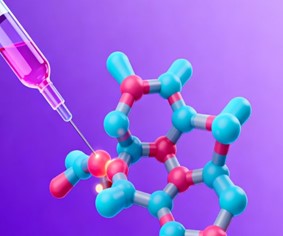
Diagnostic Biomarker Discovery
Isolate biomarkers for early detection of cancers and diseases.
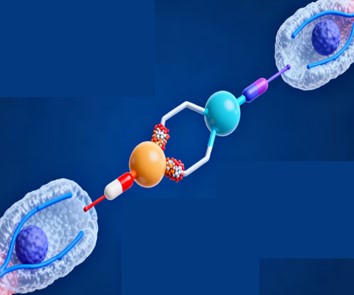
Antibody-Drug Conjugate (ADC) Development
Isolate antibodies for targeted cancer therapies.
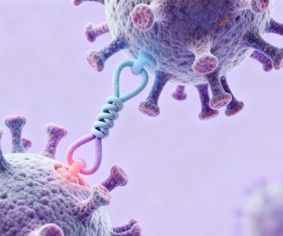
Pathogen Targeting
Develop antibodies and peptides against viral and bacterial pathogens.
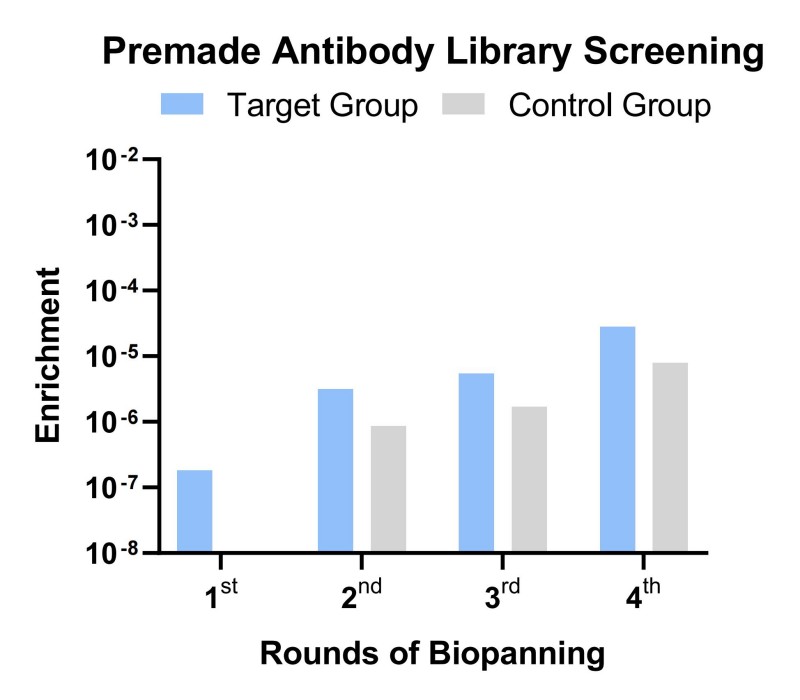
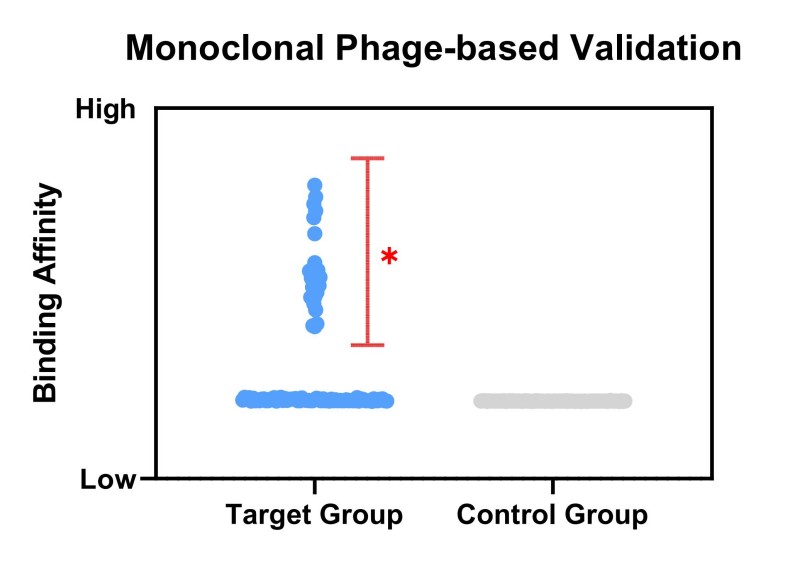
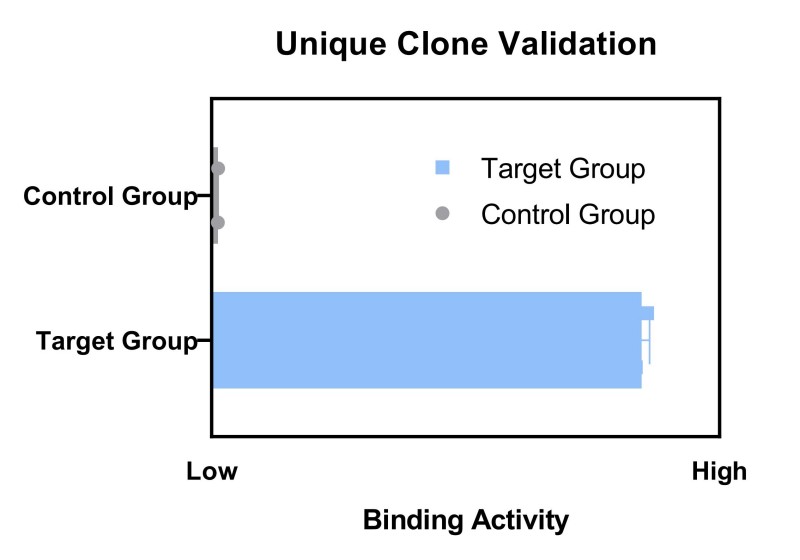
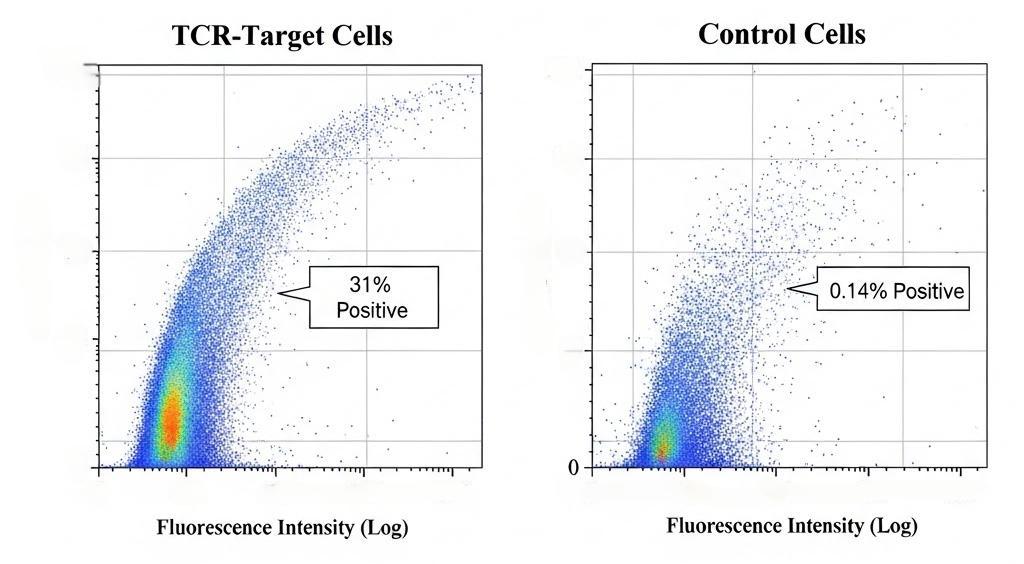
| Project Goal | Identify functional, high-affinity antibodies targeting the TCR extracellular domain (T1) for immuno-oncology applications. | ||||
| Strategy |
Library Used: Premade Human scFv Antibody Library. Screening Approach: Positive selection using solid-phase screening and phage ELISA. Validation Methods: Soluble FACS against Custom engineering T cells. |
||||
| Key Results |
|
Here's why top research teams and biopharma clients trust Creative Biolabs:
 Deep Experience with Complex Targets
From multi-pass membrane proteins to post-translationally modified peptides, we know how to screen what others can't.
Fully Customizable Conditions
No one-size-fits-all protocols—every detail is tuned to your target.
Data Transparency
Receive not only results but also experimental records and interpretation notes at every stage.
Cross-Platform Expertise
Flexibly migrate between solid-phase, solution-phase, or cellular systems within the same project.
Confidentiality and Ethics First
We safeguard your data and IP with rigorous protocols.
Contact Creative Biolabs' team today to discuss your project and discover how we can accelerate your discovery workflow.
Use the resources in our library to help you understand your options and make critical decisions for your study.

All listed services and products are For Research Use Only. Do Not use in any diagnostic or therapeutic applications.