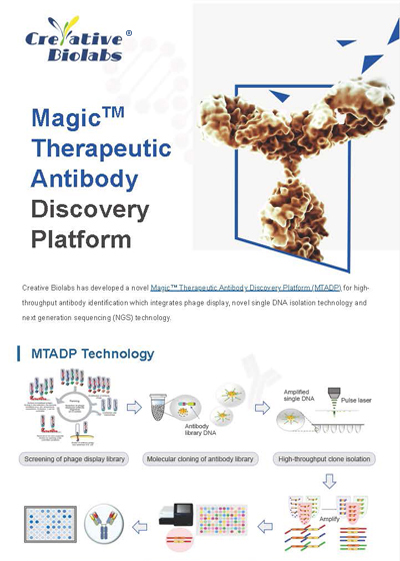
Creative Biolabs is offering the most comprehensive services for antibody development projects. With strict regulation and effective execution, we are dedicated to providing the most valuable solutions to complete your projects.
HighlightsCreative Biolabs is offering the most comprehensive services for antibody development projects. With strict regulation and effective execution, we are dedicated to providing the most valuable solutions to complete your projects.
HighlightsCreative Biolabs has established a broad range of platforms for developing novel antibodies or equivalents. These cutting-edge technologies enable our scientists to meet your demands from different aspects and tailor the most appropriate solution that contributes to the success of your projects.
HighlightsWith deep understanding in antibody-related realms and extensive project experience, Creative Biolabs offers a variety of references to help you learn more about our capacities and achievements, including infographic, flyer, case study, peer-reviewed publications, and all kinds of knowledge that can assist your projects. You are also welcome to contact us directly for more specific solutions.
HighlightsGet a real taste of Creative Biolabs, one of the most professional custom service providers in the world. We are committed to providing highly customized comprehensive solutions with the best quality to advance your projects.
HighlightsBinder discovery against native receptors, membrane proteins, or whole-cell phenotypes.
At Creative Biolabs, we believe meaningful discovery begins with relevance. Our cell-based phage display library screening service is built to reflect complex biological systems in a controlled, functional environment. By using living cells as the selection platform, this approach offers unparalleled insight into how ligands or peptides behave in a natural context—whether you're targeting membrane proteins, receptors, or studying internalization processes. Creative Biolabs' experienced team brings decades of cumulative expertise to ensure your screening is precise, scalable, and biologically meaningful.
Our cell-based phage display screening service is designed to mimic the real biological complexity that traditional in vitro platforms often overlook. Creative Biolabs' scientists tailor every aspect of the screening to your target and research objective.
 Custom or Ready-to-Use Libraries
Access to immune, synthetic, and pre-made phage libraries for rapid and versatile binder discovery.
Flexible Cell Models
Use of adherent or suspension cell lines, including cancer, immune, neural, and stem cell lines; primary cells and patient-derived cells are also supported.
Targeting of Diverse Epitopes
Screening can be performed on surface-expressed proteins, internal targets (via permeabilization), or context-dependent antigens.
Advanced Counter-Selection
Use of genetically similar or isogenic cell lines to subtract background binders and enrich for truly specific interactions.
Internalization and Trafficking Analysis
Identify ligands that not only bind but also internalize or localize to specific cellular compartments.
Optional Post-screening Assays
Clone-level ELISA, confocal imaging, or flow cytometry to validate specificity and functionality.
Creative Biolabs provides end-to-end support, from project design to hit validation, ensuring your results are both biologically meaningful and technically robust.
Our carefully designed stepwise workflow includes:
1. Cell Culture & Preparation
2. Blocking & Pre-adsorption
3. Phage Incubation
4. Washing & Elution
5. Amplification & Enrichment
6. Clone Characterization
7. Functional Validation (Optional)
Upon completion, Creative Biolabs will deliver:
We also store enriched libraries for 3 months for any requested follow-up services.
Creative Biolabs' platform is designed to be compatible with advanced downstream assays. Once lead binders are identified, we can help transition your candidate into in vivo studies, including:
This modularity ensures you don't just identify a binder—you identify one that works where it matters most.
Our cell-based workflow complements several other powerful phage display approaches. Based on your application, Creative Biolabs also offers:
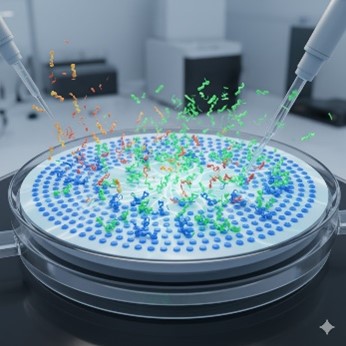
Solid-Phase Screening – for purified or immobilized target proteins
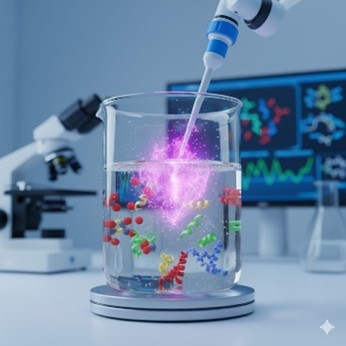
Solution-Sorting Strategy – unbiased selection in a free-form environment
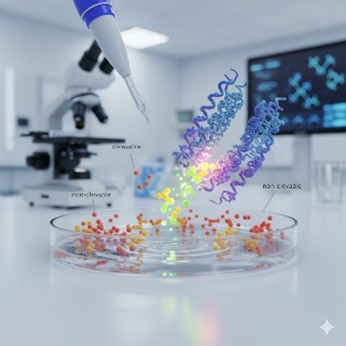
Protease Substrate-based Screening – mapping cleavage signatures with precision
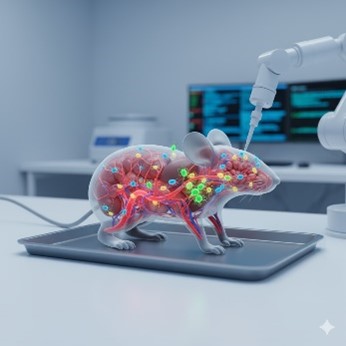
In Vivo Phage Display Screening – for true physiological targeting
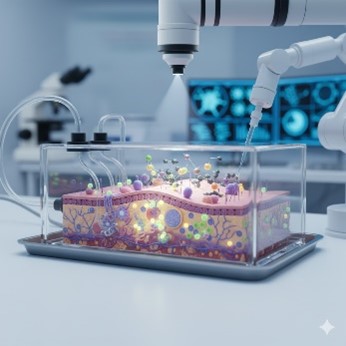
Ex Vivo Display Screening – ideal for tissue-specific discovery
Each platform serves a unique purpose. Creative Biolabs can help you mix and match approaches to build a screening cascade that maximizes discovery potential.
Case 1: Discovery of High-Affinity Internalizing Antibodies
Objective: Isolate human scFv antibodies that specifically bind and internalize into a custom target cell line.
| Challenge | Our Solution | Key Outcomes |
|
|
|
Representative Data:
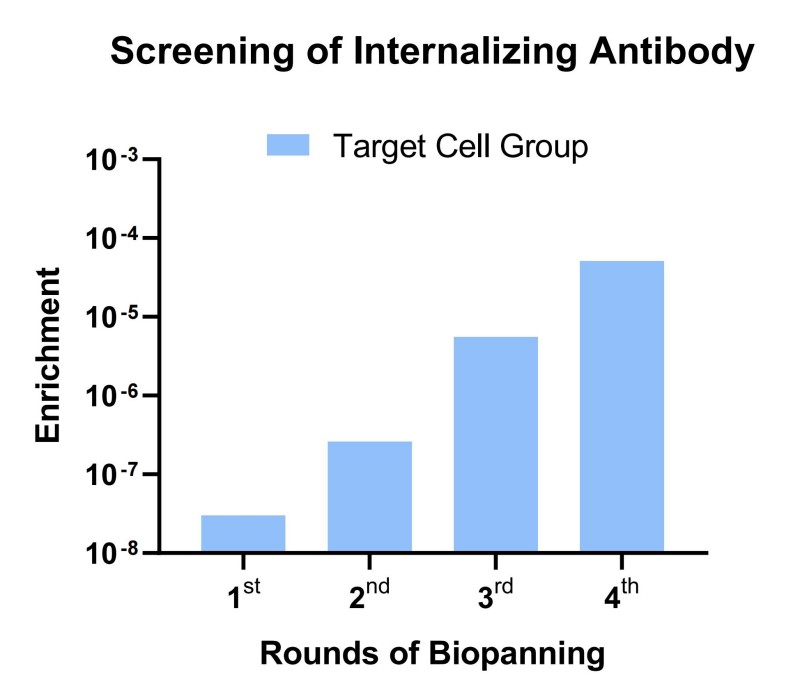 Phage output titers increased over four rounds of panning, indicating successful enrichment of target-specific binders. |
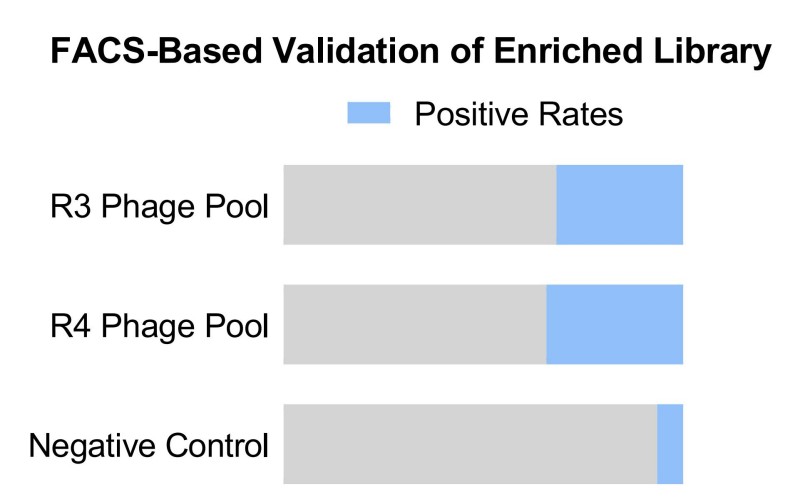 Positive enrichment validated by phage-based FACS. |
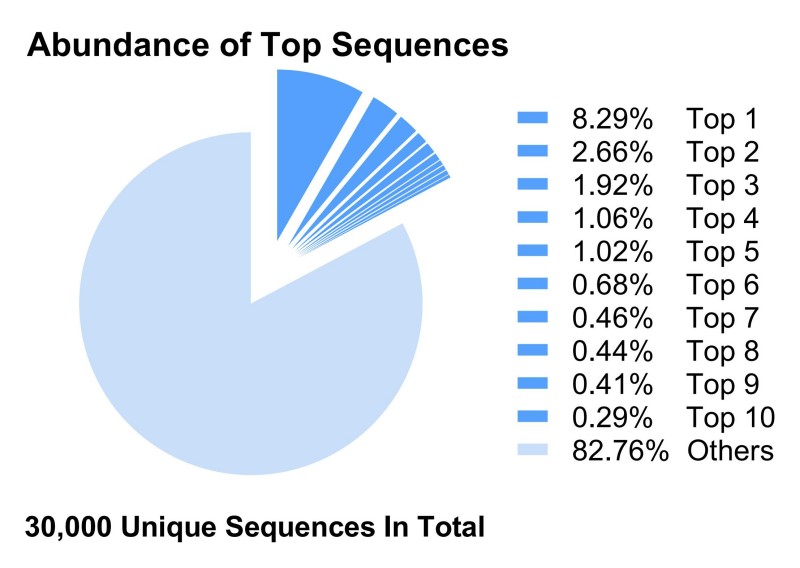 NGS of the enriched pool revealed the relative frequency of the top 10 unique scFv clonotypes. |
Case 2: Targeting a Complex Multi-Pass Transmembrane Protein
Objective: Discover antibodies against complex multi-pass transmembrane protein that is notoriously difficult to express and purify while maintaining its native structure.
| Challenge | Our Solution | Key Outcomes |
|
|
|
Representative Data:
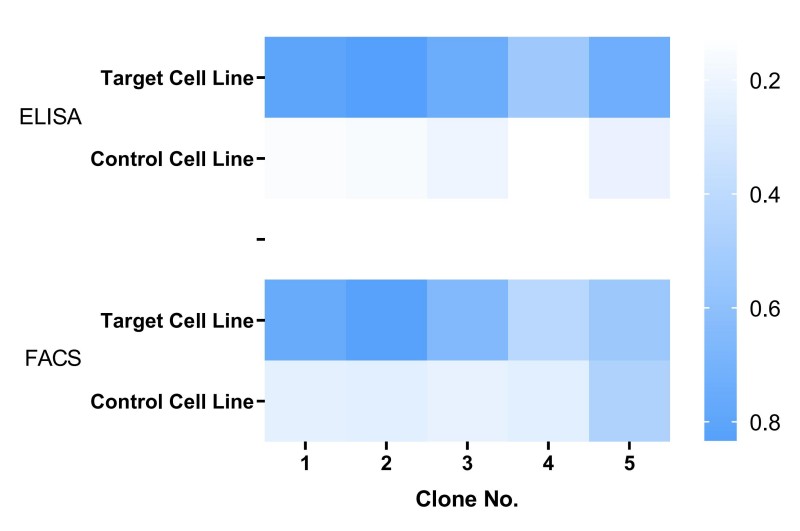 ELISA and FACS results for individual phage clones, showing strong binding signals to the target-overexpressing cells (Target+) compared to control cells (Target-). |
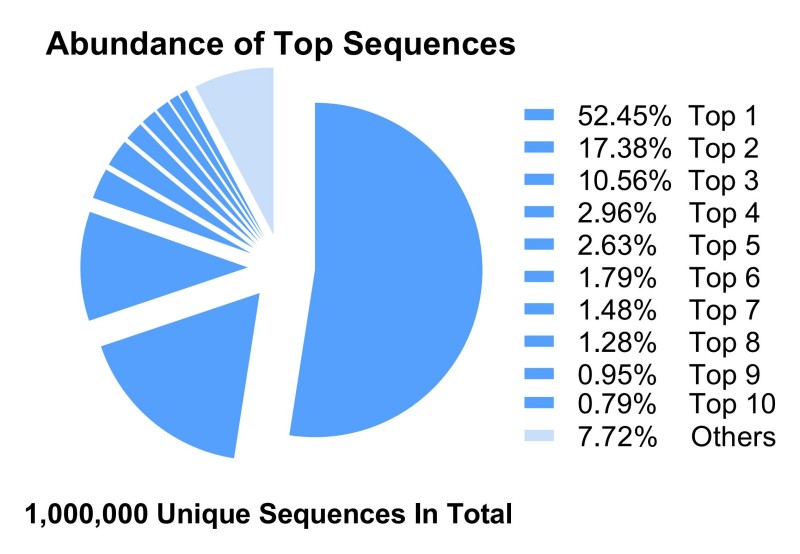 Frequency distribution of the top 10 antibody sequences identified by NGS post-panning. The high abundance of a few dominant clones indicates successful and specific selection. |

For more information or to discuss your specific project needs, please contact Creative Biolabs' scientific team. We are committed to advancing your research through innovative and reliable screening solutions.
Use the resources in our library to help you understand your options and make critical decisions for your study.

All listed services and products are For Research Use Only. Do Not use in any diagnostic or therapeutic applications.