LNP based Nucleic Acid Encapsulation Service for Targeted Delivery
The therapeutic potential of genetic medicines is often limited not by their potency, but by their delivery. Without effective protection and intracellular transport, these cargoes degrade rapidly or fail to reach their target. At Creative Biolabs, we bridge the gap between discovery and clinical reality through our comprehensive Lipid Nanoparticle (LNP) formulation capabilities. By leveraging advanced microfluidic technologies and a diverse library of functional lipids, we engineer delivery vehicles that enhance stability, optimize biodistribution, and maximize cellular uptake.
Lipid Nanoparticles (LNPs) – The Gold Standard for Nucleic Acid Delivery
LNPs for Nucleic Acid Delivery
As the clinically validated gold standard for genetic medicine, Lipid Nanoparticles (LNPs) offer a superior non-viral delivery solution tailored for nucleic acids. Distinguished from traditional liposomes by their engineered solid-core architecture, LNPs solve the critical bottleneck of intracellular bioavailability. This sophisticated system utilizes ionizable lipids to hermetically seal and protect labile cargoes—such as mRNA, siRNA, and CRISPR complexes—from nuclease degradation while ensuring high-efficiency endosomal escape. By combining the delivery potency of viral vectors with the safety and scalability of synthetic nanomedicines, LNPs provide the most reliable pathway to transform your genetic payloads into viable therapeutics.
Key Advantages of LNP-Mediated Delivery:
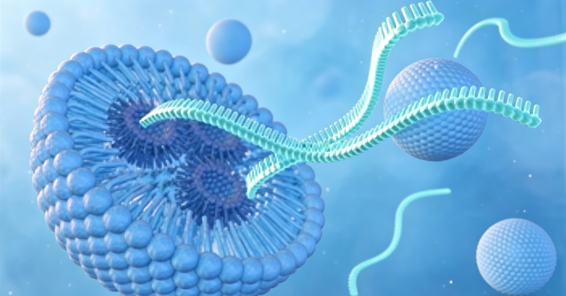
Our formulation technology ensures that >90% of the nucleic acid payload is securely encapsulated, maximizing therapeutic potency.
The lipid shell shields the cargo from ubiquitous nucleases in the bloodstream, preventing premature degradation.
Designed to interact with cell membranes, LNPs facilitate efficient endocytosis and subsequent endosomal escape, releasing the functional payload into the cytoplasm.
Unlike viral vectors (e.g., AAV, Adenovirus), LNPs elicit minimal immune response, allowing for repeated dosing regimens.
The Spectrum of Compatible Payloads
Creative Biolabs' modular LNP platform extends beyond mRNA to encapsulate a diverse array of biological cargoes. By optimizing lipid chemistry for both nucleic acid stability and protein cytosolic delivery, we ensure the structural integrity and functional release of complex therapeutics. Our validated protocols support the following payloads:
We offer validated encapsulation protocols for the following payloads:

Messenger RNA (mRNA)
Our LNPs efficiently encapsulate large mRNA molecules (including saRNA), protecting them from extracellular RNases and facilitating ribosomal access for robust, transient protein expression.
CAR mRNA
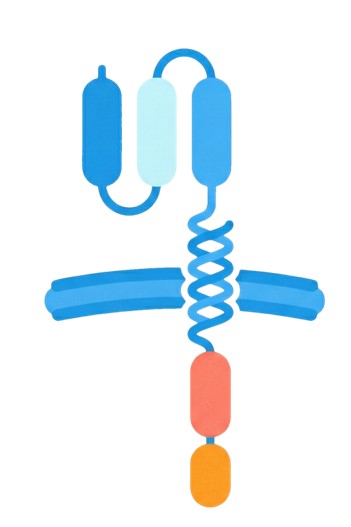
Non-viral encapsulation of CAR mRNA for transient T-cell/NK cell engineering, eliminating integration risks for safer immunotherapy.

Circular RNA (circRNA)
By shielding circRNA within a lipid shell, we prevent premature degradation and enhance cellular uptake, leveraging its inherent stability for sustained, long-duration protein expression without genomic integration.

Small Interfering RNA (siRNA)
Our optimized formulations deliver siRNA directly to the cytoplasm, overcoming membrane barriers to achieve potent gene silencing at low dosages.

MicroRNA
We encapsulate miRNA mimics or inhibitors to stably modulate complex gene regulatory networks, protecting these small RNAs from degradation during transport.

Antisense Oligonucleotides (ASOs)
Improving pharmacokinetics by preventing renal clearance and degradation, ensuring high nuclear concentrations for effective gene modulation.

DNA
Protecting plasmid DNA and facilitating endosomal escape, providing a non-viral, low-immunogenicity alternative for gene therapy.

CRISPR-Cas9
Co-encapsulation of Cas9/Cas12a protein and sgRNA within LNPs enables direct delivery of the functional ribonucleoprotein.
Proteins/Peptides
We utilize specialized lipids to encapsulate varying isoelectric point proteins, protecting therapeutic antibodies or cytotoxic peptides from proteases and delivering them directly to intracellular targets.
The Advanced Active Targeting Strategies
Standard LNPs tend to accumulate naturally in the liver due to interaction with Apolipoprotein E (ApoE). To unlock the full potential of LNP therapeutics for other indications—such as oncology, immunology, and neurology—Creative Biolabs employs sophisticated active targeting strategies. By conjugating specific ligands to the surface of the LNP, we can direct the nanoparticles to cells expressing the corresponding receptors, enhancing uptake in target tissues while minimizing off-target systemic toxicity.
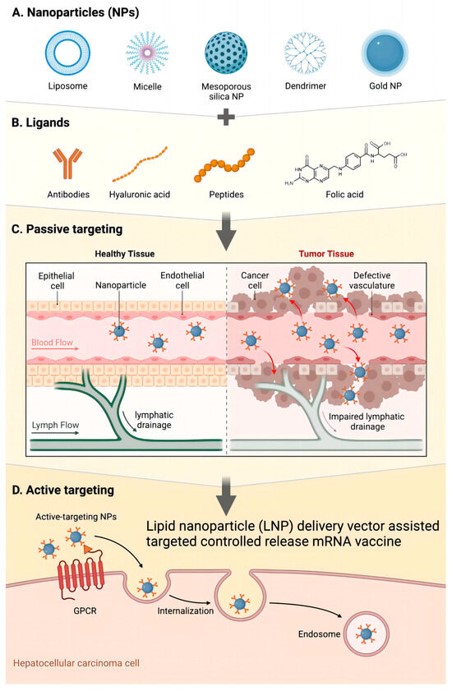 Fig. 1 Active targeting strategy based on LNP.1
Our targeting ligand capabilities include:
-
Antibodies (Ab-LNP): We conjugate full-length antibodies or Fab fragments to lipid anchors to target specific immune cell subsets.
- T-Cell Targeting: Anti-CD3, Anti-CD5, Anti-CD8, Anti-CD7.
- B-Cell & Hematologic Targeting: Anti-CD19, Anti-CD38, Anti-BCMA.
- Solid Tumor Targeting: Anti-EGFR, Anti-HER2, Anti-PD-L1.
-
Targeting Peptides (Pep-LNP): Short, potent peptide sequences used to facilitate tissue penetration or receptor binding.
- RGD Peptides: Target integrins often overexpressed on tumor vasculature.
- Cell Penetrating Peptides (CPPs): TAT for enhanced intracellular delivery.
- Brain Targeting Peptides: Angiopep-2 and RVG peptides for Blood-Brain Barrier (BBB) crossing.
- Aptamers: Single-stranded DNA or RNA molecules folded into 3D structures that bind to targets with high specificity, offering a low-immunogenicity alternative to antibodies.
-
Receptor-Specific Small Molecules:
- GalNAc: The gold standard for hepatocyte targeting.
- Mannose: Targets the mannose receptor (CD206) on macrophages and dendritic cells for vaccine applications.
- Folate: Targets folate receptors overexpressed in many cancer cells.
Specialized LNP Formulation Solutions
Creative Biolabs offers an end-to-end suite of services designed to streamline your LNP therapeutic development. In addition to our custom service capabilities, we provide a robust catalog of ready-to-use LNP products to accelerate your proof-of-concept studies and control experiments.
Nucleic Acid Synthesis
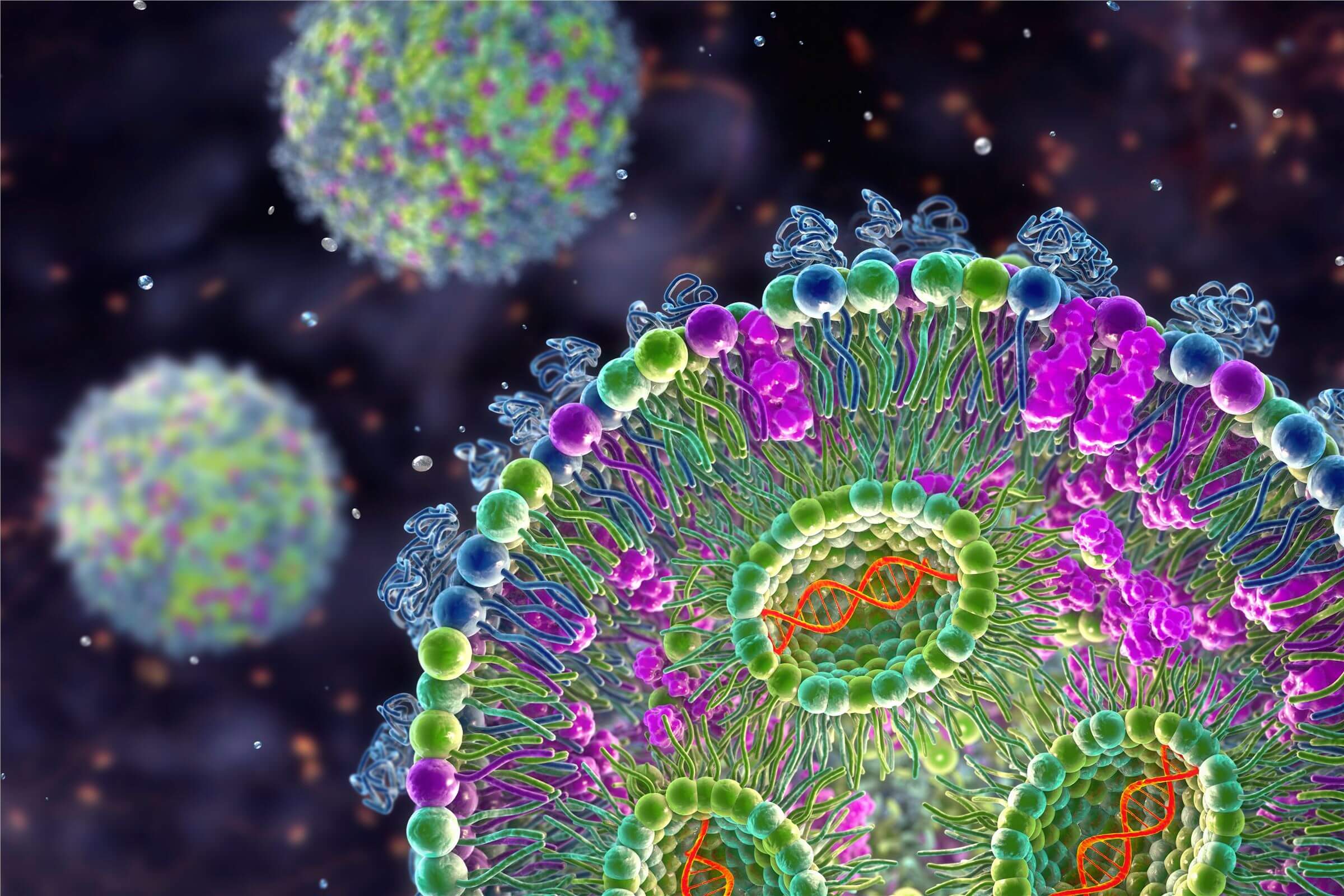
We provide a seamless upstream solution to ensure the highest quality input for your LNP formulations. Our integrated synthesis platform supports the entire workflow from sequence design to production.
- High-Yield IVT Synthesis: Production of research-grade to pre-clinical grade mRNA suitable for diverse applications.
- Structural Optimization: Incorporation of optimized 5' Cap-1 structures and Poly(A) tails to maximize stability and translation efficiency.
- Chemical Modifications: Utilization of advanced modified nucleosides (e.g., N1-Methylpseudouridine) to suppress innate immune responses.
- Custom Vector Design: Tailored design and synthesis of siRNA, miRNA, and plasmid DNA vectors specifically optimized for LNP encapsulation.
Case Study
Case Study 1: Targeted CD5 Ab-LNP (Cat: TDLD-0825-LD66)
This targeted LNP platform is engineered for specific delivery to CD5-expressing T cells. By conjugating a high-affinity anti-CD5 antibody, we enable precise targeting, making it an ideal tool for studying T-cell modulation. The data below is from a specified configuration, showcasing our targeting capabilities.
Payload: EGFP mRNA (CAP 1, m1Ψ)
Lipid Formulation: SM102
mRNA Concentration: 0.1 mg/ml
Module Type: Anti-CD5 Antibody
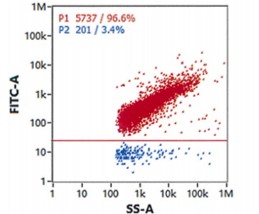 Fig. 4 Flow cytometry histogram of Targeted CD5 Ab-LNP.
| Z-Average | PDI | Zeta Potential | Encapsulation Efficiency | mRNA concentration |
|---|---|---|---|---|
| 69.7 nm | 0.140 | 96.6 mV | 91.0 % | 0.1 mg/mL |
Case Study 2: Targeted CD8 Ab-LNP
Developed for precise targeting of cytotoxic CD8+ T cells, this LNP is conjugated with a high-specificity anti-CD8 antibody. It is an essential tool for research into anti-tumor immunity, vaccine development, and strategies that require the specific manipulation of this critical immune cell population.
Payload: EGFP mRNA (CAP 1, m1Ψ)
Lipid Formulation: SM102
mRNA Concentration: 0.1 mg/ml
Module Type: Anti-CD8 Antibody
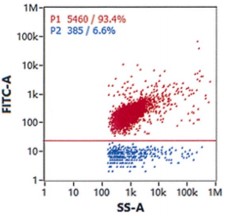 Fig. 5 Flow cytometry histogram of Targeted CD8 Ab-LNP.
| Z-Average | PDI | Zeta Potential | Encapsulation Efficiency | mRNA concentration |
|---|---|---|---|---|
| 84.08 nm | 0.08 | 93.4 mV | 90.1 % | 0.1 mg/mL |
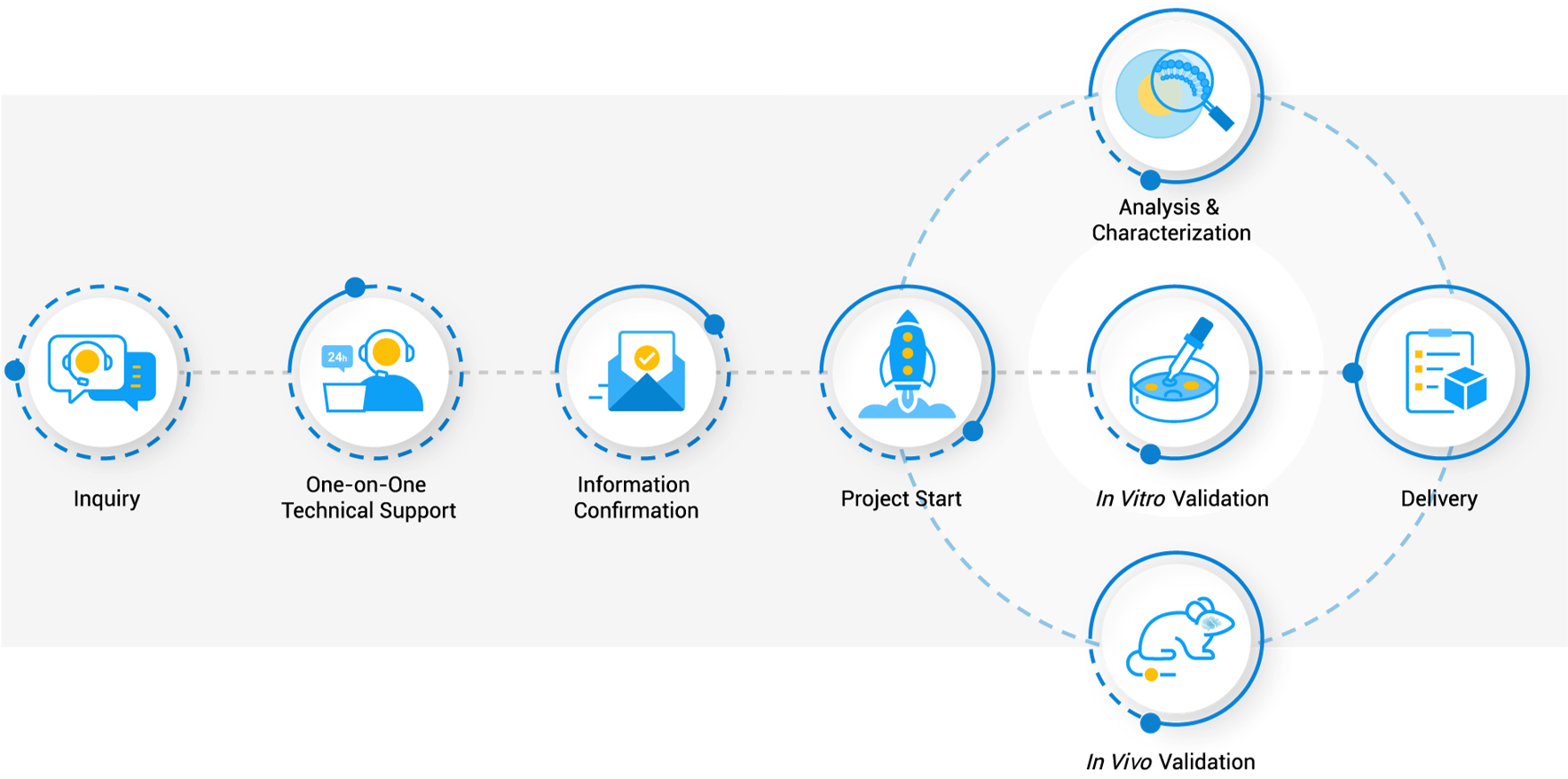
Workflow
Applications of High-Performance Encapsulation
Our advanced LNP encapsulation technology facilitates breakthroughs across diverse therapeutic areas by ensuring payload integrity and delivery:
- Infectious Disease Vaccines: Rapid development of mRNA vaccines with robust immunogenicity, utilizing high-efficiency encapsulation to protect labile mRNA antigens.
- Gene Replacement Therapy: Systemic delivery of full-length mRNA or plasmid DNA to the liver and extra-hepatic tissues to restore protein function in genetic disorders.
- Precision Oncology: Targeted delivery of chemotherapeutics or silencing RNA (siRNA) specifically to the tumor microenvironment, significantly reducing systemic toxicity compared to free drugs.
- Genome Editing: Direct delivery of CRISPR-Cas9 RNP complexes for transient expression, minimizing off-target editing risks through precise temporal control.
- In Vivo Cell Engineering: Delivery of CAR-mRNA (e.g., CD19, MUC1) directly to T-cells or NK cells for transient, non-integrating immunotherapy generation. If you are interested in in vivo CAR-T therapies, we can meet these needs. Please browse our downloadable Brochure for more information.
Why Choose Creative Biolabs?
Superior Encapsulation Height
Our optimized protocols consistently achieve >95% EE for a vast range of payloads, from small siRNAs to large self-amplifying RNAs (saRNA).
Precision Size Control
We utilize advanced microfluidic technologies to ensure narrow particle size distributions (PDI < 0.2), critical for consistent pharmacokinetics and biodistribution.
We have validated protocols for diverse cargo types including nucleic acids, proteins, and gene editing complexes, ensuring no molecule is left behind.
Technology Agnostic
We access a broad library of lipids, including proprietary ionizable lipids that enhance endosomal escape, rather than being locked into a single proprietary system.
Our expertise in surface conjugation allows for the creation of sophisticated Pep-LNP and Ab-LNP systems for active tissue targeting.
Creative Biolabs supports your research with a diverse portfolio of ready-to-use LNP products and expert LNP-Based Payload Encapsulation Services. Whether you need catalog reagents for rapid validation or bespoke formulations for complex cargoes, we deliver precision and reliability. Contact us today to discuss your LNP encapsulation needs and accelerate your discovery.
Related Services & Products
Related Services
Chemical Synthesis Services


Nucleic Acid Synthesis Services
Related Products
| Product Name | Description | Inquiry |
|---|---|---|
| Empty LNP (Ready-to-Use) | Validated lipid nanoparticles without payload, ideal for negative controls. | |
| mRNA-LNP Series | Pre-encapsulated reporter (e.g., eGFP, Fluc), editor (e.g., Cas9) mRNA for rapid workflow validation and biodistribution studies. | |
| CAR mRNA-LNP Series | Off-the-shelf formulations encoding major CAR targets (e.g., CD19, CD38) for transient, non-viral engineering of T cells and NK cells. | |
| Pep-LNP (Targeted) | Surface-functionalized LNPs with targeting peptides (e.g., RGD) to enhance tissue-specific uptake; custom peptide conjugation available. | |
| Ab-LNP (Targeted) | Antibody-conjugated nanoparticles targeting specific lymphocyte markers (e.g., CD3, CD5) for precision delivery to immune cell subsets. | |
| LNP Formulation & Screening Kits | Comprehensive toolkits for lipid screening, and targeted formulation development. | |
| LNP Raw Materials | High-purity, pharmaceutical-grade ionizable lipids (e.g., SM-102, ALC-0315) and helper components for custom formulation needs. |
FAQs
What is the typical EE range for your services?
Our high-height encapsulation protocols consistently achieve Encapsulation Efficiencies (EE%) greater than 90%, and often >95% for nucleic acids, ensuring minimal loss of valuable cargo.
Can you encapsulate complex payloads like RNP complexes or multiple mRNAs?
Yes. Our modular platform is designed to accommodate complex cargoes, including CRISPR RNP complexes and co-encapsulation of multiple mRNA within a single LNP.
Do you offer targeted LNP services for non-liver delivery?
Absolutely. We specialize in Targeted LNP Engineering, utilizing surface conjugation of peptides (Pep-LNP) or antibodies (Ab-LNP) to direct delivery to extra-hepatic tissues such as the spleen, lungs, or solid tumors.
What scale of production can you support?
We offer seamless scale-up from screening batches (micro-grams) to pilot production (grams), maintaining consistent particle size and EE throughout the process.
What is the turnaround time for a custom targeted LNP project?
Standard encapsulation projects typically take 2–3 weeks. Projects involving custom targeting ligand conjugation and validation may require 4–6 weeks depending on the complexity of the targeting moiety.
Reference
- Wu, Liusheng, et al. "Lipid nanoparticle (LNP) delivery carrier-assisted targeted controlled release mRNA vaccines in tumor immunity." Vaccines 12.2 (2024): 186. https://doi.org/10.3390/vaccines12020186. Distributed under Open Access license CC BY 4.0, without modification.