Creative Biolabs specializes in tailored model generation, including the incorporation of specific oncogenic backbones and conditional expression systems to perfectly mimic the complex, context-dependent etiology of your specific cancer subtype.
Functional Validation of Tumor Suppressor Gene Screening Service
Creative Biolabs provides specialized expertise for the functional validation of tumor suppressor genes (TSGs) and ambiguous variants of unknown significance (VUS) identified in genomic screens. This service utilizes advanced technology to model loss-of-function in biologically relevant primary human cell systems. Consequently, clients receive definitive, quantitative data substantiating the gene's oncogenic contribution and detailed mechanistic insight, including differentiation between gatekeeper and caretaker functions. The core objective is to accelerate target de-risking and establish high-confidence, translatable preclinical models for immediate integration into therapeutic development programs.
Introduction What We Can Offer Workflow Why Creative Biolabs Customer Reviews FAQs Related Services Contact Us
Introduction of Functional Validation of Tumor Suppressor Gene Screening Service
Genomic sequencing frequently identifies numerous variants of unknown significance, creating a bottleneck for translational oncology. This service resolves this challenge by utilizing advanced, high-throughput CRISPR/Cas9 technology to model tumor suppressor gene loss-of-function within sensitive, primary human cellular systems. These resultant models yield definitive, empirical evidence of oncogenic advantage, which is instrumental for establishing suppressive function and evaluating therapeutic viability.
Initiate the formal consultative assessment and protocol scoping process - request a consultation.
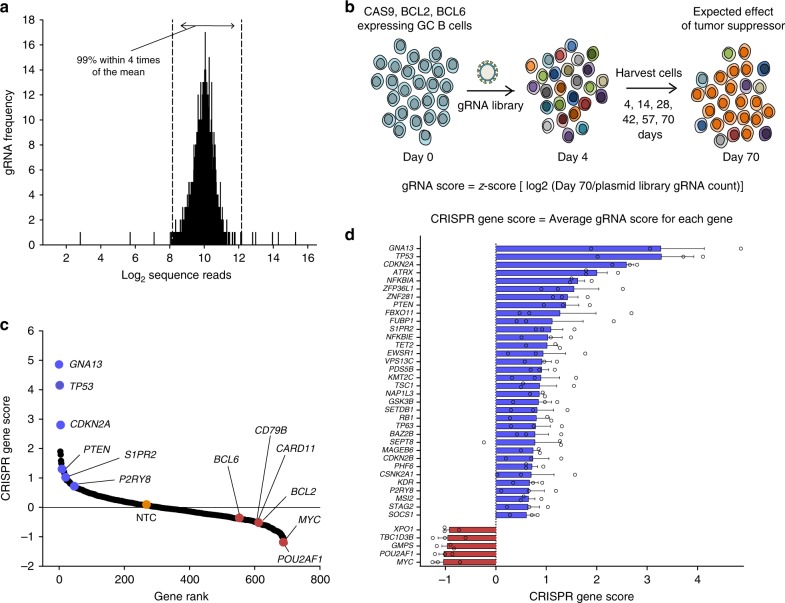 Fig.1 Outside-in and inside-out interplay of longevity pathways and extracellular matrix components. 1
What We Can Offer
Customized Translational Modeling
Definitive Mechanistic Clarity
Our multi-tiered validation approach explicitly differentiates between a gene's role as a gatekeeper (cell cycle, apoptosis) and a caretaker, providing the functional axis necessary for rational drug design and synthetic lethality strategy.
Robust In Vivo Translation
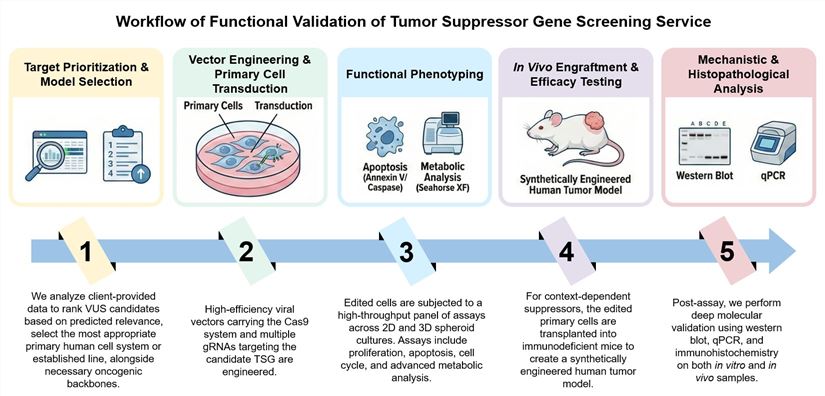
The full translational TSG validation (Tier 1 & 2) facilitates the generation of synthetically engineered, transplantable human tumor models in immunocompromised murine hosts. This protocol delivers critical in vivo efficacy data, thereby substantiating suppressive effects that are dependent upon the tumor microenvironment.
How Creative Biolabs Can Help
Why Choose Us?
| Key Advantages | Unique Features |
|---|---|
| Superior Sensitivity with Primary Cell Systems | Utilizing CRISPR/Cas9 in primary cells overcomes standard line limitations by providing a normal genetic background. This ensures superior sensitivity for detecting subtle oncogenic advantages conferred by TSG loss. |
| Actionable Mechanistic Data | Functional roles are defined by differentiating gatekeepers and caretakers. This robust mechanistic clarity is critical for informing rational drug design and developing effective synthetic lethality strategies. |
| Synthetically Engineered In Vivo Models | Context-dependent suppressors are validated by generating transplantable human models in immunodeficient mice via ex vivo modification. This provides the definitive translational test, confirming efficacy reliant on the complex tumor microenvironment. |
To fully understand the Creative Biolabs advantage, kindly request a formal project quotation.
Customer Reviews
-
Enhanced Specificity
The implementation of Creative Biolabs' functional validation service substantially expedited the identification of authentic driver TSGs. Validation confirmed a survival advantage from gene ablation exclusively in primary cells, establishing a context-dependent mechanism unattainable with conventional modeling. - A. W**h. -
Superior Mechanistic Insight
Detailed analysis facilitated a superior understanding of the caretaker function. This provided the essential quantitative proof required to differentiate our target TSG from known DNA repair agents, thus narrowing the focus for synthetic lethality screens. - B. K*r.
FAQs
Why are primary human cell models superior to established cancer cell lines for TSG validation?
Established cell lines are heavily mutated and adapted for in vitro growth, lacking the sensitivity to detect the subtle, early-stage oncogenic advantage provided by the loss of a single TSG. Our use of primary human cell systems, often coupled with a minimal oncogenic backbone, provides a genetically clean background where the loss of the candidate TSG can be sensitively detected, thus providing more translatable data.
What is the risk of off-target effects using your CRISPR/Cas9 system, and how is this mitigated?
We mitigate off-target risks by utilizing a pooled approach with multiple, highly validated gRNAs per target, minimizing reliance on any single gRNA. Our bioinformatics pipeline includes rigorous checks for off-target sites, and we confirm gene depletion or restoration through multiple orthogonal methods to ensure the observed phenotype is directly attributable to the target TSG.
Related Services
Exploring Synthetic Lethality for DNA Targeting Therapeutic Development
This service rigorously validates therapeutic targets within the DNA damage response (DDR) pathway, critical for exploiting synthetic lethality. It employs advanced AI and functional genomics to identify vulnerabilities in DDR-compromised tumors, accelerating the development of precision DNA-targeting agents.
Learn More →DDR Cell Panel Screening Service for Immuno-Oncology Drug Discovery
We supply authenticated cell panels featuring defined DDR pathway deficiencies or alterations. These models are crucial resources for high-throughput synthetic lethality screens, drug sensitivity testing, and the robust validation of novel DNA-targeting therapeutic agents.
Learn More →How to Contact Us
Creative Biolabs replaces VUS ambiguity with validated functional insight, accelerating your targets from sequence to preclinical candidate selection with confidence and precision. Leverage our advanced primary cell models and rigorous in vivo translational validation to de-risk your investments and focus solely on high-value targets. To learn more about how our services can protect your research and to get a personalized project quote, please contact us.
Reference
- Caeser, Rebecca et al. "Genetic modification of primary human B cells to model high-grade lymphoma." Nature communications vol. 10,1 4543. 4 Oct. 2019. Distributed under an Open Access license CC BY 4.0, without modification. https://doi.org/10.1038/s41467-019-12494-x
 Download our brochure
Loading case studies...
Online Inquiry