Small Molecule Inhibitor based Metabolic Enzyme Functional Assessment Service
With our advanced metabolic profiling technologies, Creative Biolabs has developed a first-class platform for Tumor Energy Metabolism Analysis.
Introduction of Small Molecule Inhibitor-based Metabolic Enzyme Functional Assessment
The functional characterization of metabolic enzymes could reveal therapeutic opportunities by profiling the cellular metabolism and metabolic alterations in cancer. Small molecule inhibitors have been successfully used to identify and evaluate metabolic enzyme dependencies in cancer development and therapy resistance (see Fig.1).
Creative Biolabs provides small molecule inhibitor-based proven technologies to perform functional characterization of metabolic enzymes for cancer and metabolic diseases.
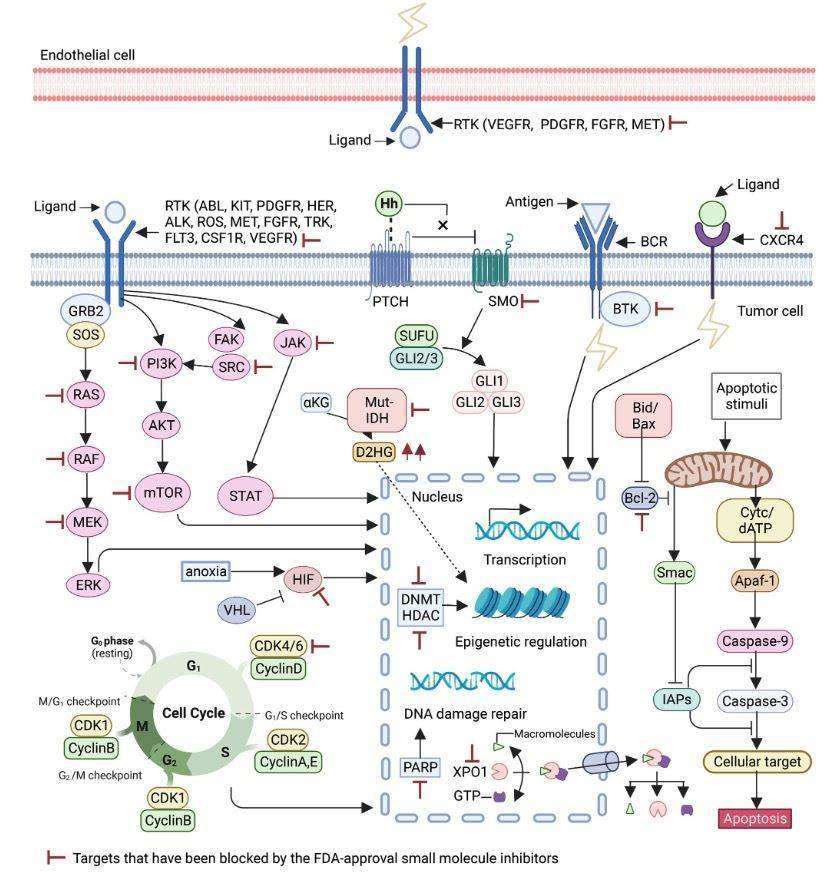 Fig.1 Mechanisms of small molecule inhibitors targeting metabolic enzymes in cancers.1,3
Small Molecule Inhibitor-based Metabolic Enzyme Functional Assessment Service at Creative Biolabs
We offer a systemic one-stop assessment service for small molecule inhibitor-based metabolic enzyme functional analysis. Fig.2 shows the workflow for our whole-process functional assessment service.
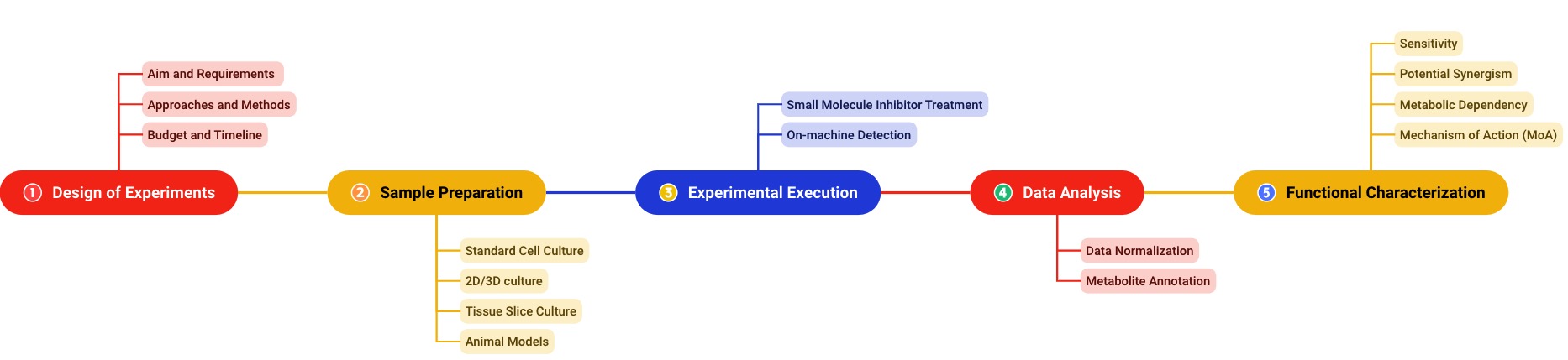 Fig.2 Workflow for small molecule inhibitor-based functional assessment. (Creative Biolabs)
Features & Benefits
Creative Biolabs is devoted to offering a multidimensional and comprehensive small molecule inhibitor-based functional assessment service. To get the all-round functional characterization of metabolic enzymes, we have five major techniques applied for our multiplex characterization. Their features are listed below:
- 2D/3D cell-based profiling: We could establish 2D cultures and 3D cell models to predict the metabolism of cancer cells in the physical environment of tumors.
- Molecular profiling: We use DNA microarrays, RNA-sequencing, and mass spectrometry (MS) techniques for transcriptome, proteome, and metabolome analysis to assess drug-induced metabolic changes.
- Single-cell profiling: We apply single-cell measurements to identify subtypes and heterogeneity with distinct metabolite profiles and responses to the small molecule inhibitor treatment.
- Automated image profiling: We could offer high-throughput screening with computing-powered automated image processing and metabolic data interpretation.
- Comprehensive character analysis: The parameters of our assessment service include but are not limited to metabolic activity, potential synergism, compound action mechanisms (MoAs), and phenotypic and molecular downstream effects.
Results Display
We use various software tools, databases, and online resources for data analysis and visual interpretation. Here are heat maps for correlation analysis, scatter plots for count changes, and volcano plots for difference comparison.
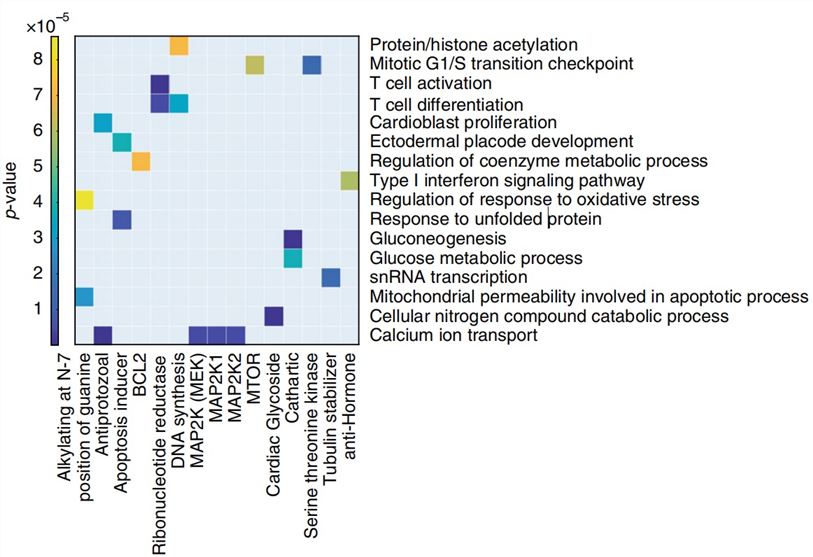 Fig.3 Heat map analysis of drug-transcriptional regulator over-representation associations.2,3
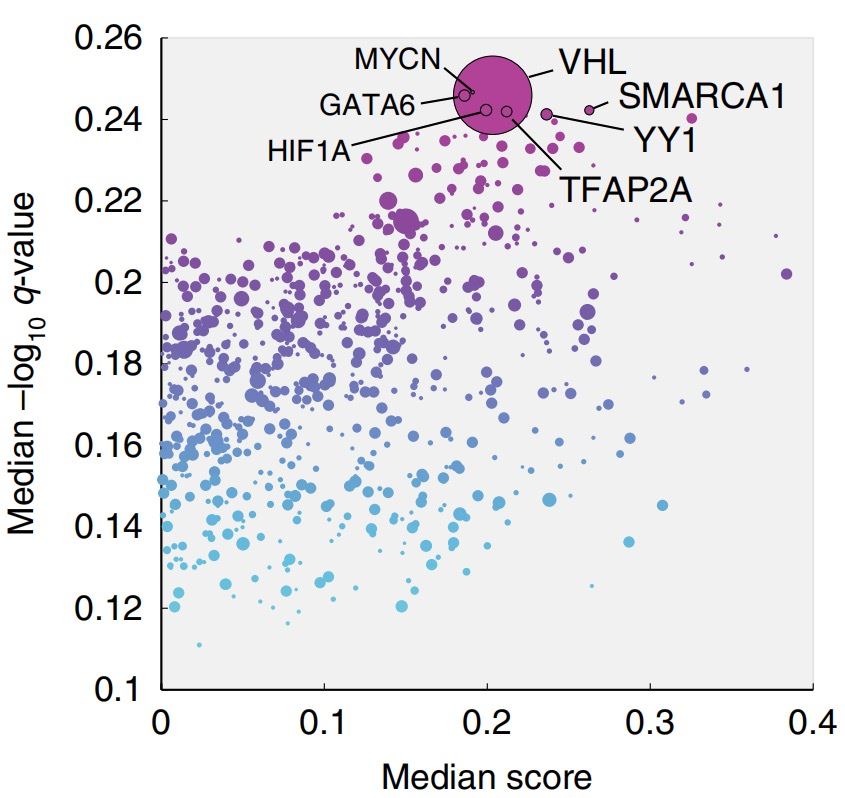 Fig.4 Scatter plot analysis of the transcriptional regulators in mediating in vivo metabolic changes.2,3
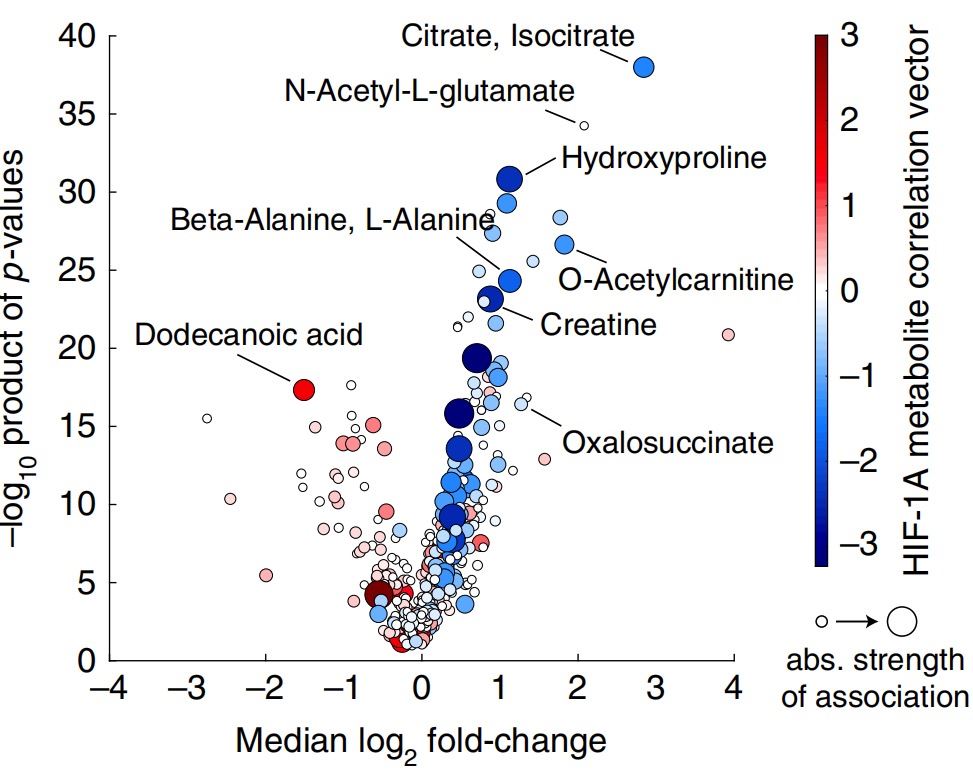 Fig.5 Volcano plot analysis of metabolic changes.2,3
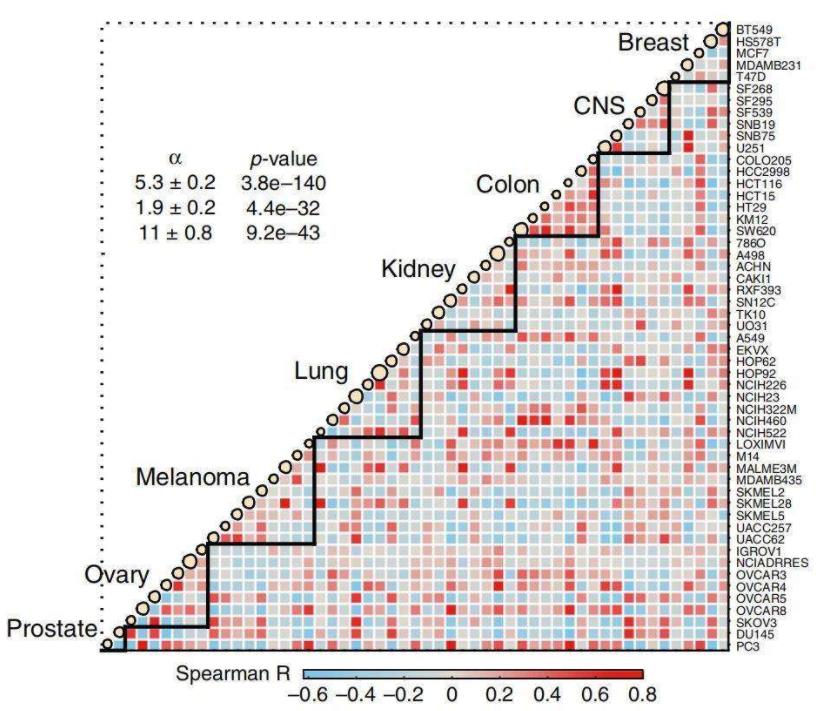 Fig.6 Pairwise similarity analysis of metabolome profiles among cancer cell lines.2,3
Frequently Asked Questions
Q: What applications does the inhibitor-based metabolic enzyme functional assessment service have?
A: Our service could help study the pathology development and therapy-resistant mechanism of cancers and metabolic diseases. It could be used to predict potential metabolic transformation responses of disease interventions. As an effective and safe option, our service could be used in drug development for small inhibitors with desired functional characteristics.
Creative Biolabs is a leading provider of comprehensive and multidimensional functional assessment services using inhibitor-based technology. Please contact us to learn more about our services.
References
- Bhokisham, Narendranath, et al. "CRISPR-Cas System: The Current and Emerging Translational Landscape." Cells 12.8 (2023): 1103.
- Ortmayr, Karin, Sébastien Dubuis, and Mattia Zampieri. "Metabolic profiling of cancer cells reveals genome-wide crosstalk between transcriptional regulators and metabolism." Nature communications 10.1 (2019): 1841.
- Distributed under Open Access license CC BY 4.0, without modification.
 Download our brochure