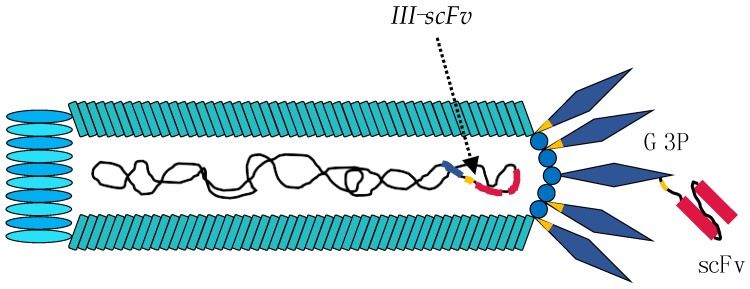
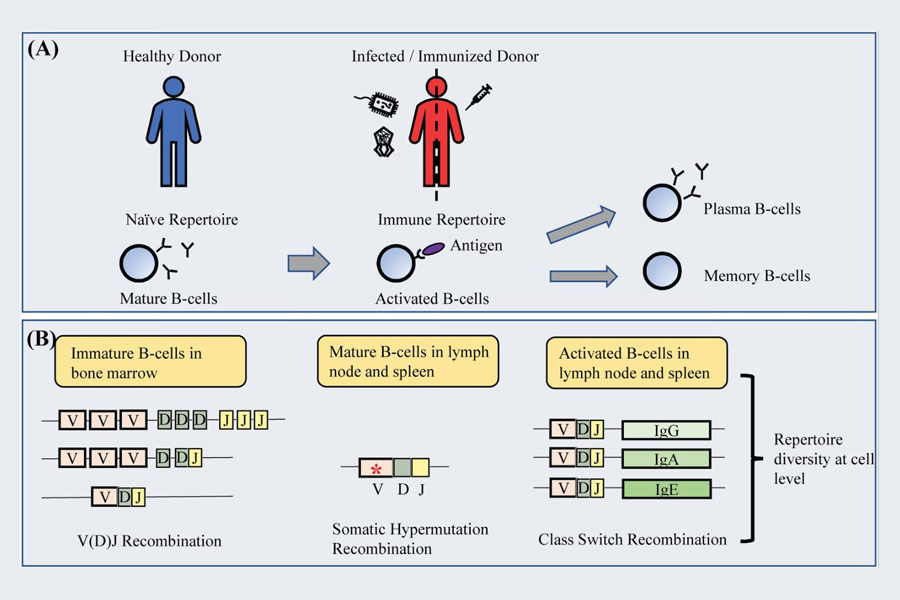
Creative Biolabs is offering the most comprehensive services for antibody development projects. With strict regulation and effective execution, we are dedicated to providing the most valuable solutions to complete your projects.
HighlightsCreative Biolabs is offering the most comprehensive services for antibody development projects. With strict regulation and effective execution, we are dedicated to providing the most valuable solutions to complete your projects.
HighlightsCreative Biolabs has established a broad range of platforms for developing novel antibodies or equivalents. These cutting-edge technologies enable our scientists to meet your demands from different aspects and tailor the most appropriate solution that contributes to the success of your projects.
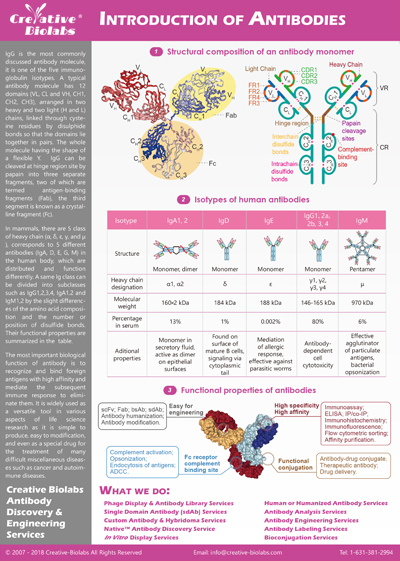
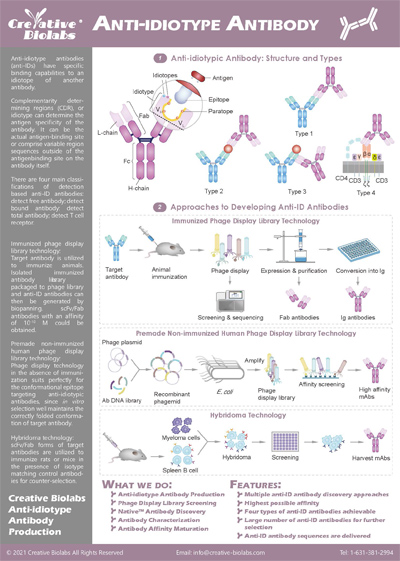
HighlightsWith deep understanding in antibody-related realms and extensive project experience, Creative Biolabs offers a variety of references to help you learn more about our capacities and achievements, including infographic, flyer, case study, peer-reviewed publications, and all kinds of knowledge that can assist your projects. You are also welcome to contact us directly for more specific solutions.
HighlightsGet a real taste of Creative Biolabs, one of the most professional custom service providers in the world. We are committed to providing highly customized comprehensive solutions with the best quality to advance your projects.
HighlightsThe rapid expansion of peptide-based therapeutics in modern drug discovery underscores the critical need for advanced technologies to identify and optimize bioactive peptide candidates. Peptides, with their high specificity, tunable pharmacokinetics, and low immunogenicity, have emerged as promising alternatives to small molecules and biologics in targeting complex molecular interactions. However, their inherent limitations—such as susceptibility to proteolytic degradation, poor membrane permeability, and conformational flexibility—pose significant challenges for therapeutic applications. To address these hurdles, constrained peptide library construction has emerged as a transformative approach, combining structural stabilization with functional diversity to generate drug-like peptides with enhanced stability and activity.
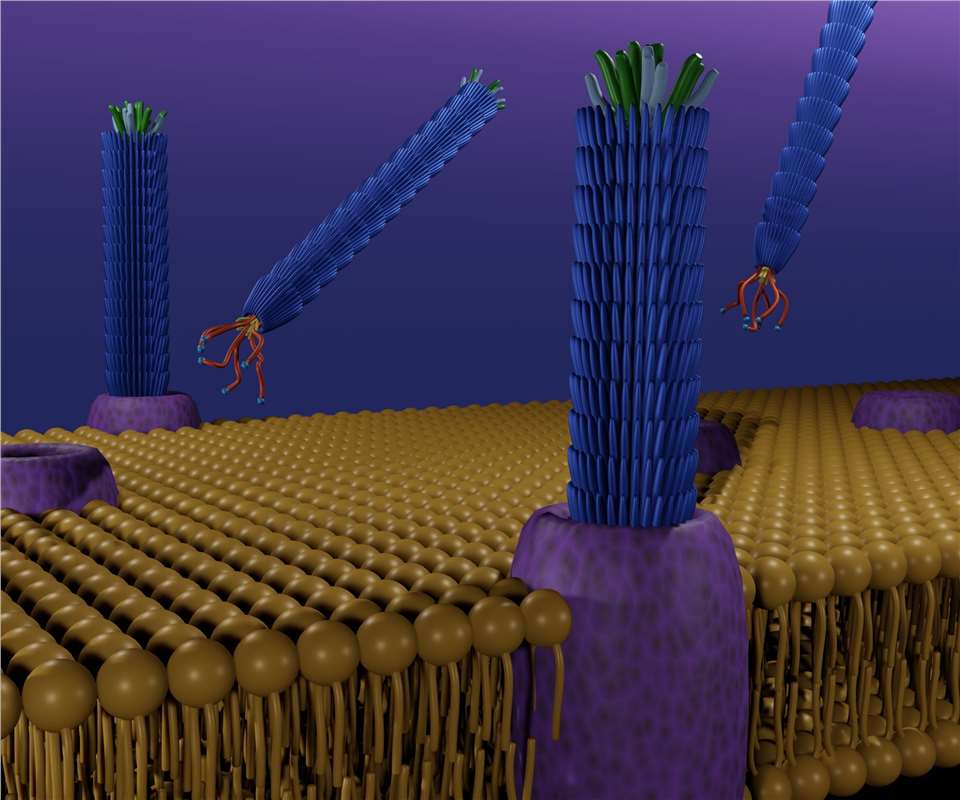
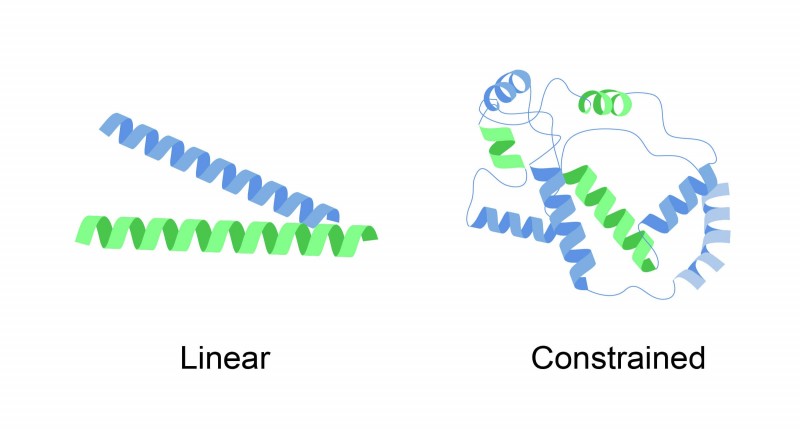 Fig. 1 Schematic diagram of constrained peptide position stabilization.
Interested in Custom Peptide Libraries? Request a Consultation Today.
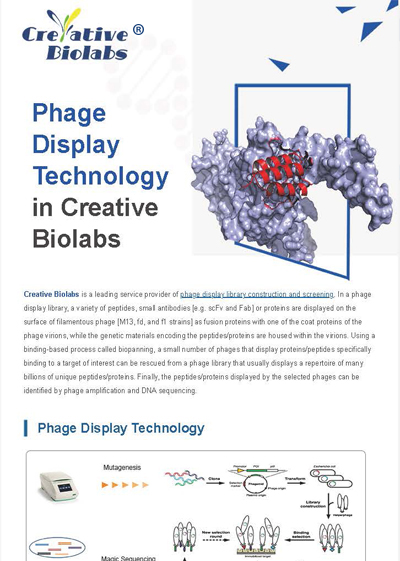
The convergence of phage display with innovative constraint-engineering strategies has revolutionized peptide drug discovery. By genetically fusing peptides to bacteriophage coat proteins, our platform enables the display of billions of peptide variants on phage surfaces, facilitating high-throughput screening against therapeutic targets.
For instance, Creative Biolabs' proprietary Positional Stabilization Method employs rigid molecular scaffolds to "freeze" peptide 3D structures, reducing conformational entropy while preserving binding epitopes. Similarly, their Positional Cyclization Method introduces site-specific crosslinks (e.g.,lactam bridges) to stabilize bioactive conformations, synergizing sequence diversity with structural rigidity. These approaches, combined with high-complexity phage libraries (>109 variants), enable the discovery of peptides tailored for challenging targets, such as intracellular protein-protein interfaces or cryptic epitopes on viral envelopes.
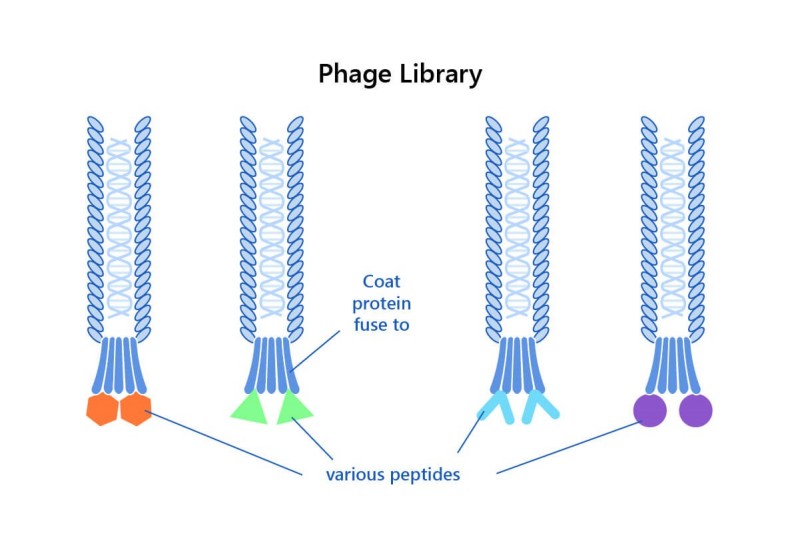 Fig.2 Schematic diagram of phage display peptide library.
As the demand for precision therapeutics grows, constrained peptide libraries built on phage display technology are poised to redefine drug discovery paradigms. Creative Biolabs' constrained peptide library construction services leverage state-of-the-art phage display platforms to deliver tailored solutions for drug discovery.
Want a Tailored Peptide Library Strategy? Schedule Your Call Today.
Our high-complexity libraries (>109 variants) are constructed using filamentous bacteriophage M13, with randomized peptide loops displayed on coat proteins (pIII or pVIII). Libraries are available in linear or cysteine-constrained formats, with optional crosslinking strategies to mimic natural protein folds. Screening campaigns employ recombinant proteins, cell-based assays, or in vivo models, followed by NGS-driven hit identification and validation.
Site-specific cyclization via lactam bridges or disulfide bonds introduces topological constraints that stabilize bioactive conformations. Our platform allows cyclization at customizable positions, enabling the exploration of diverse loop structures and helical motifs. This strategy not only enhances binding affinity but also improves membrane permeability, making it suitable for intracellular targets.
Utilizing rigid molecular scaffolds, this approach immobilizes peptides into defined 3D configurations, minimizing structural flexibility while enhancing proteolytic stability. By anchoring peptides to scaffolds with 2–4 attachment points, we generate conformationally restricted libraries ideal for targeting shallow binding pockets or transient protein interfaces. This method is particularly effective for short peptides (20–30 amino acids), yielding candidates with improved pharmacokinetic profiles.
Ready to Design Your Custom Peptide Library? Request Expert Support.

Customizable constraints (scaffolds, cyclization sites) and display formats.
Applying advanced molecular biology techniques to generate high-quality, diverse peptide libraries.
Iterative affinity selection under physiological or stress conditions.
Binding assays, functional testing, and chemical modifications (e.g., PEGylation, D-amino acid substitution).
Structure-activity relationship (SAR) studies and DMPK profiling.
Looking to Accelerate Your Discovery? Connect with Our Experts Now.
From Constrained-Scaffold Design to High-Diversity, Display-Ready Library
| Project Overview |
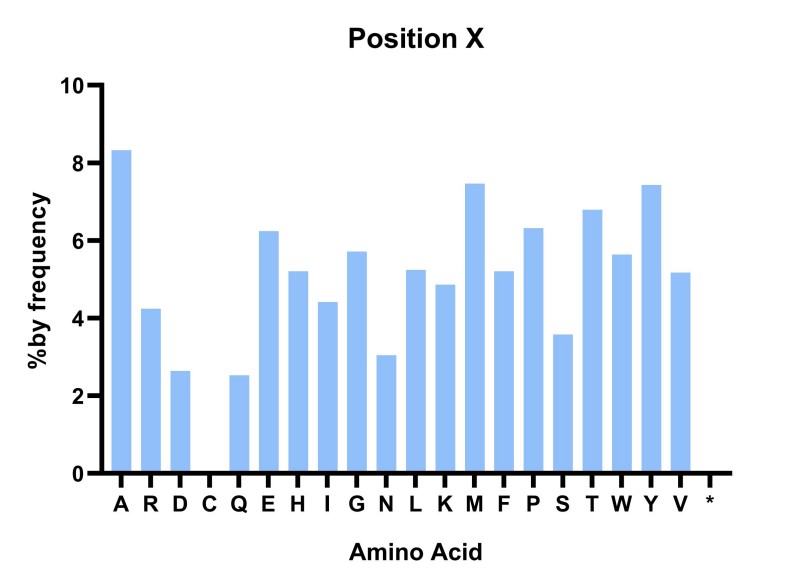
Objective: Construct a disulfide-constrained peptide library with the motif Cys-Xn-Cys, engineered for precise, position-specific amino acid (AA) composition. Strategy: Use trimer synthesis to define AA content and ratios at each variable position, ensuring design fidelity and display compatibility. |
|||
| Library Design |
Scaffold: Fixed Cys residues flanking a variable loop (Xn) to enable disulfide cyclization. Constraints: Excluded Cys within X positions to preserve the disulfide; balanced hydrophobic/charged residues per position to support folding, target class needs, and display efficiency. Length panel: Custom loop lengths (n) to sample diverse conformations while maintaining in-frame display. |
|||
| Library Construction |
Oligo pool generation using trimer synthesis aligned to the per-position design matrix. Assembly and cloning into the selected M13 phage display vector using frame-preserving cassettes. Diversity-preserving library generation and amplification, followed by sequencing-based QC. |
|||
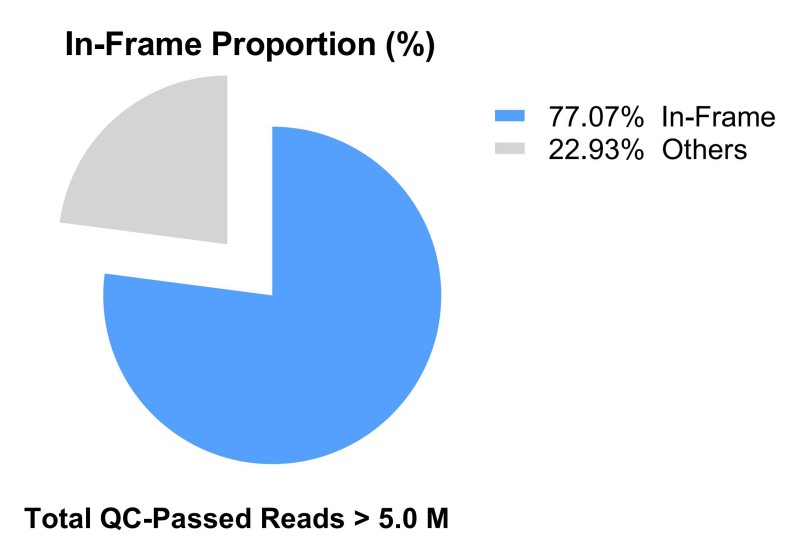
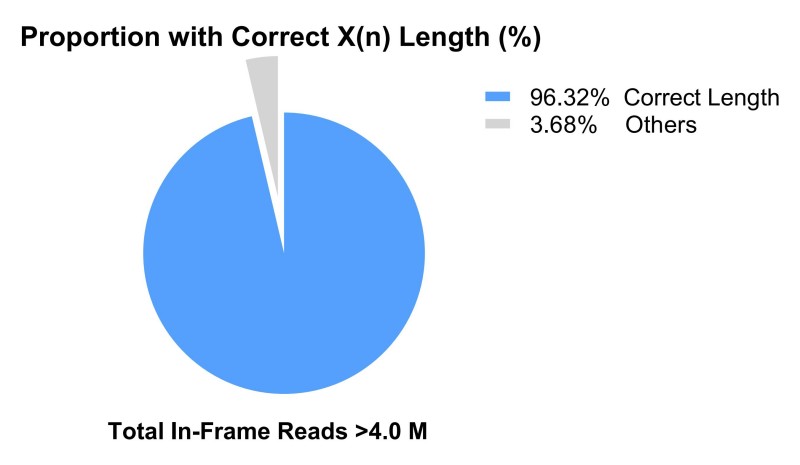
| QC and Outcomes |
|
|||
| Deliverables |
Ready-to-screen phage library stocks and corresponding plasmid pools. Comprehensive QC report: design matrices, sequencing-based composition analysis, diversity estimates, motif retention, and display-readiness assessment. |
Curious About Our Capabilities? Lets Discuss Your Project.

Libraries exceed 109 unique variants, ensuring broad coverage of sequence space. Structural constraints enhance target specificity, reducing off-target effects.
Rigid scaffolds and cyclization confer resistance to proteases and extreme pH, extending serum half-life.
Cyclic and scaffold-stabilized peptides exhibit superior membrane penetration, enabling intracellular target engagement.
Tailored constraints (e.g., disulfide bonds, non-natural amino acids) and screening conditions (e.g., competitive elution) to meet project-specific needs.
At Creative Biolabs, we empower your drug discovery journey with cutting-edge constrained peptide libraries built on decades of phage display expertise. Partner with us to transform therapeutic concepts into clinic-ready molecules. Contact us today to explore customized strategies, request a project consultation, or initiate a collaborative screening campaign—let's pioneer the next breakthrough in peptide-based medicine together.
Custom Antibody Library Construction 
|
M13 Phage Library Construction 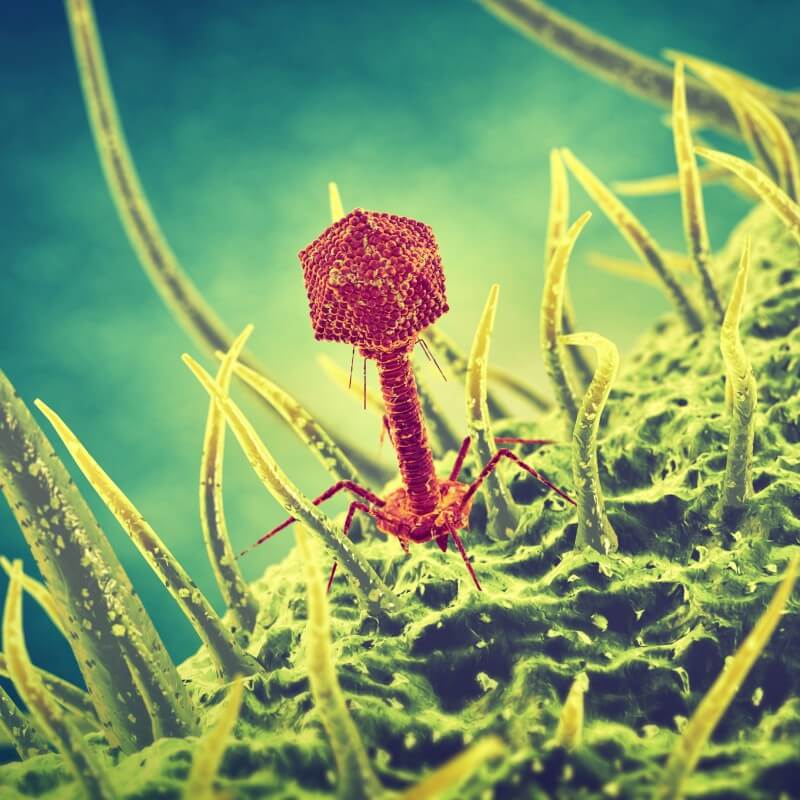
|
T4 Phage Library Construction 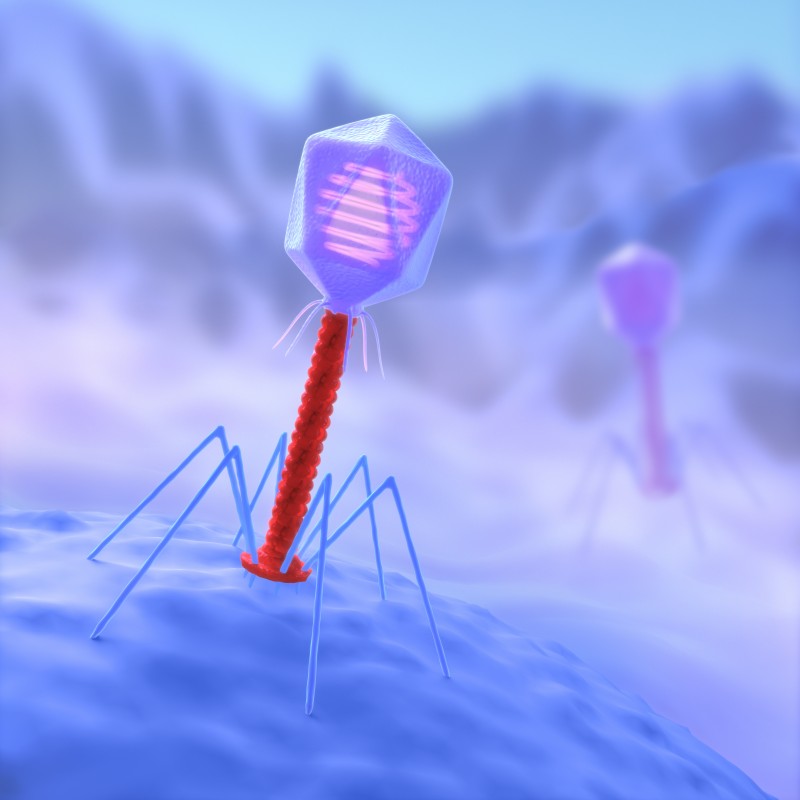
|
T7 Phage Library Construction 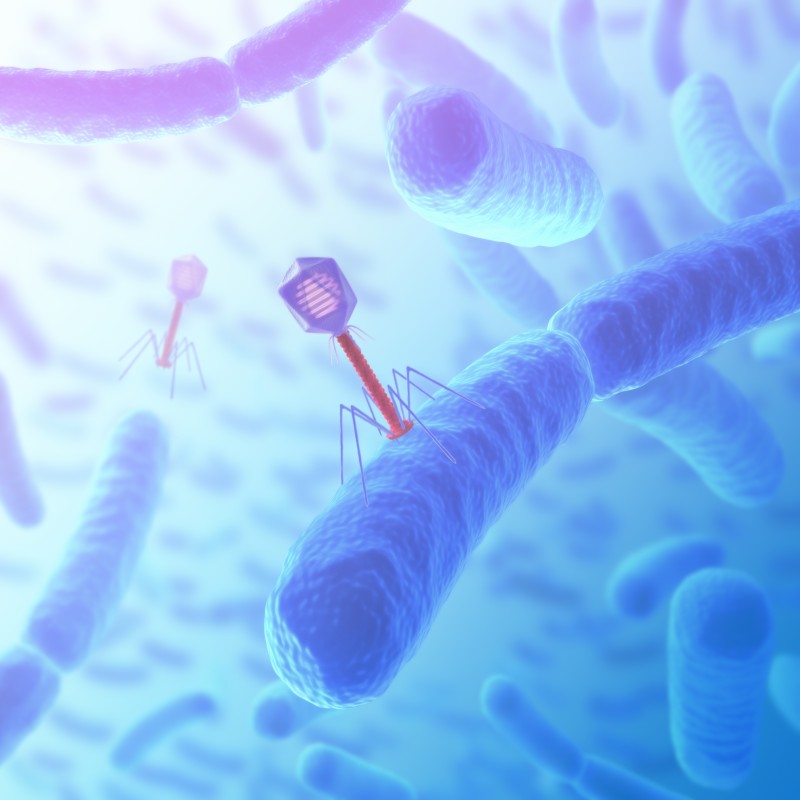
|
cDNA Library Construction 
|
Genome Library Construction 
|
Need Guidance for Your Next Step? Request a Quote Today.
Use the resources in our library to help you understand your options and make critical decisions for your study.

All listed services and products are For Research Use Only. Do Not use in any diagnostic or therapeutic applications.