Creative Biolabs is offering the most comprehensive services for antibody development projects. With strict regulation and effective execution, we are dedicated to providing the most valuable solutions to complete your projects.
HighlightsCreative Biolabs is offering the most comprehensive services for antibody development projects. With strict regulation and effective execution, we are dedicated to providing the most valuable solutions to complete your projects.
HighlightsCreative Biolabs has established a broad range of platforms for developing novel antibodies or equivalents. These cutting-edge technologies enable our scientists to meet your demands from different aspects and tailor the most appropriate solution that contributes to the success of your projects.
HighlightsWith deep understanding in antibody-related realms and extensive project experience, Creative Biolabs offers a variety of references to help you learn more about our capacities and achievements, including infographic, flyer, case study, peer-reviewed publications, and all kinds of knowledge that can assist your projects. You are also welcome to contact us directly for more specific solutions.
HighlightsGet a real taste of Creative Biolabs, one of the most professional custom service providers in the world. We are committed to providing highly customized comprehensive solutions with the best quality to advance your projects.
HighlightsThe landscape of drug discovery has been profoundly transformed by the advent of biologics, with monoclonal antibodies emerging as a dominant class of therapeutics. Central to the efficient discovery and optimization of these powerful molecules is the use of high-quality, diverse antibody libraries.
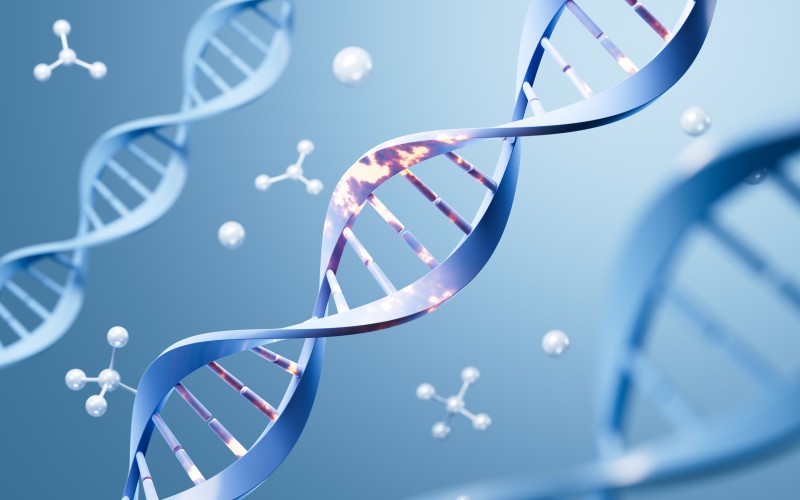
Phage display technology stands as a cornerstone in this field, offering an unparalleled platform for the in vitro selection of antibodies with high affinity and specificity against a vast array of targets. By linking the genotype (the DNA sequence encoding the antibody) to the phenotype (the displayed antibody protein on the bacteriophage surface), phage display enables high-throughput screening of billions of unique clones in a single selection cycle. This genetic linkage facilitates rapid enrichment of target-specific binders, streamlining the path from initial discovery to preclinical candidate. As the demand for precision therapeutics continues to rise, the ability to construct custom, purpose-built antibody libraries is no longer a luxury but a strategic necessity.
Creative Biolabs provides antibody Library construction service based on phage display is designed to generate high-quality, high-affinity therapeutic candidates against a broad range of challenging targets, thereby significantly accelerating antibody drug discovery and translational research pipelines.
Build Your Antibody Library.
Creative Biolabs offers a comprehensive suite of custom antibody library construction services based on advanced phage display technology, designed to meet the specific and evolving needs of our clients' therapeutic and diagnostic programs. Our expertise spans a wide range of antibody formats and library types, providing a flexible framework for innovative research.
We provide the flexibility to choose the most suitable antibody format for your application, including:
A compact format comprising the variable heavy (VH) and light (VL) chains linked by a flexible peptide linker. This format is ideal for rapid screening and is particularly suited for intracellular expression or therapeutic applications requiring small size.
A larger format that includes both the VH and VL domains along with the constant heavy (CH) and constant light (CL) domains. Fabs offer enhanced stability and are often preferred for applications where a bivalent format is advantageous.
Derived from camelids or shark heavy-chain-only antibodies, these fragments are composed solely of a single variable domain. Their small size, high stability, and solubility make them highly attractive for challenging targets and complex therapeutic modalities.
Accelerate Discovery.
Our custom antibody library construction service is powered by a state-of-the-art platform that integrates cutting-edge molecular biology with advanced screening technologies. This platform is distinguished by several key features:
We routinely construct libraries with a complexity exceeding 109 unique variants, ensuring a high probability of discovering rare, high-affinity binders even against the most challenging targets. This extensive diversity is crucial for exploring a wide range of binding epitopes and molecular interactions.
Our proprietary methods for phage library construction ensure high-quality antibody gene representation and efficient display on the phage surface. This minimizes bias and maximizes the functional diversity of the library.
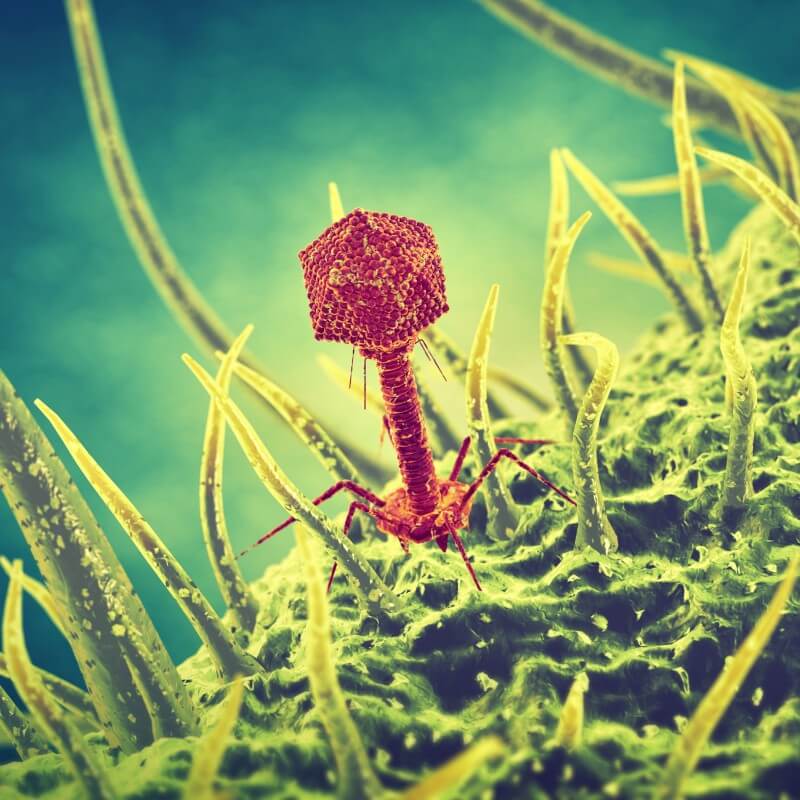
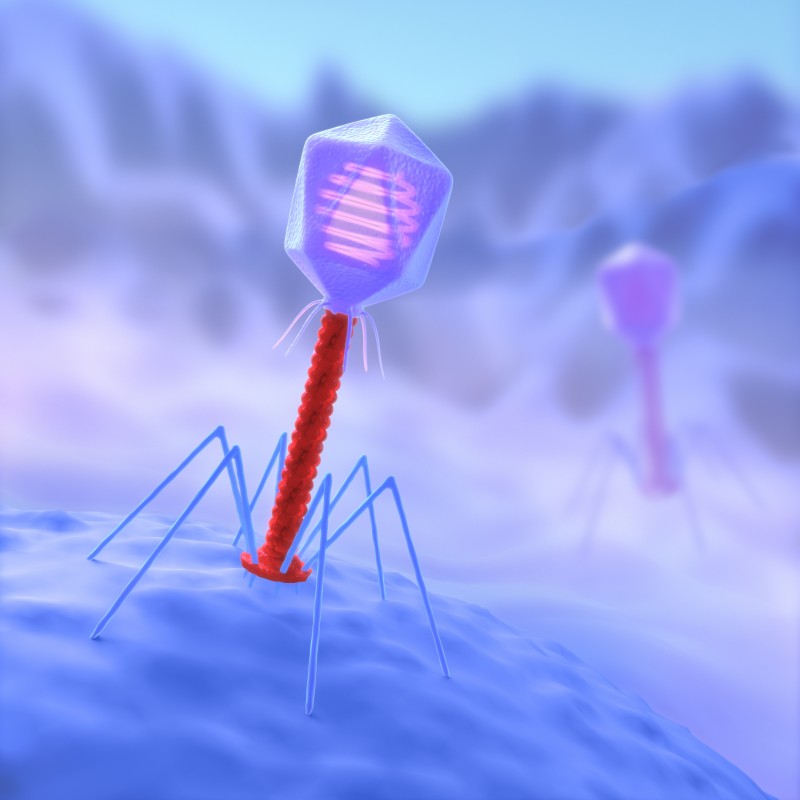
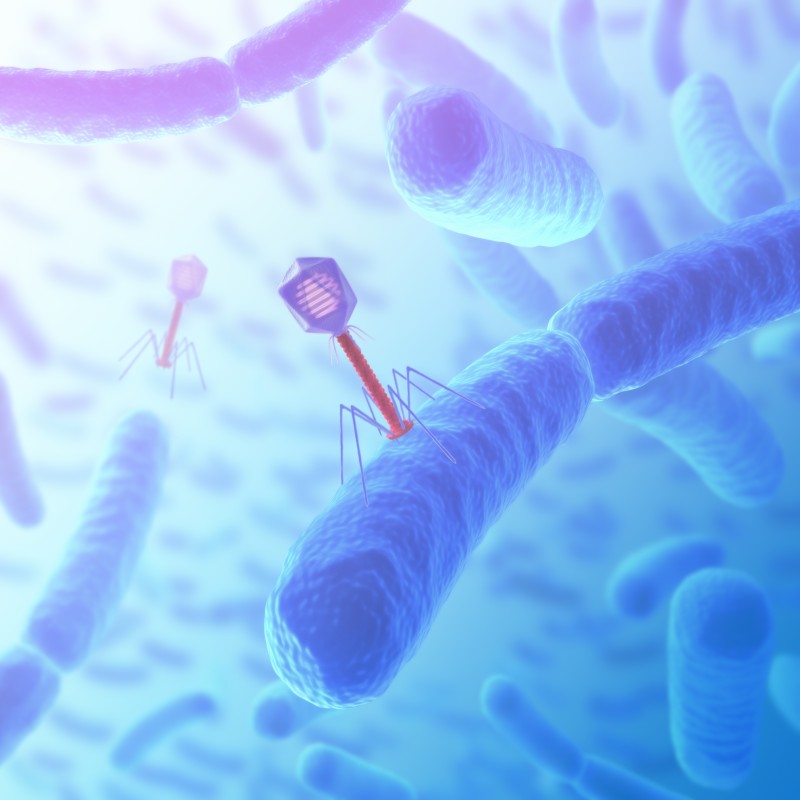
We utilize various phage display systems, such as the M13 filamentous bacteriophage, to present antibody fragments on the pIII coat proteins. This flexibility allows for the optimization of display levels and screening conditions.
We leverage sequencing at various stages of the workflow, from initial library quality control to post-panning hit identification. Sequencing provides deep insights into library diversity, tracks enrichment kinetics, and facilitates the rapid identification of top-performing clones.
Our team has a proven track record of generating specific binders against notoriously difficult targets, including GPCRs, ion channels, and peptide-MHC complexes, by employing sophisticated selection strategies.
Explore Phage Display Solutions.
Our custom antibody library construction service follows a systematic, end-to-end workflow designed for efficiency and success.
Design Your Custom Library. .

Unlock the Power of Phage Display.
Success stories highlight our end-to-end capability in custom phage display antibody library construction.
| Overview | Objective | Build a fully synthetic, human scFv phage display library per client specifications to enable rapid discovery against multiple targets. | ||||||
| Design Scope | Variable degrees of diversification across heavy (VH) and light (VL) chains with position-specific constraints; incorporation of rationally designed residues at selected sites to balance diversity, developability, and expression. | |||||||
| Format | Human scFv (VH-linker-VL) compatible with phage display; end-to-end design, construction, and QC. | |||||||
| Workflow |
|
|||||||
| Outcomes |
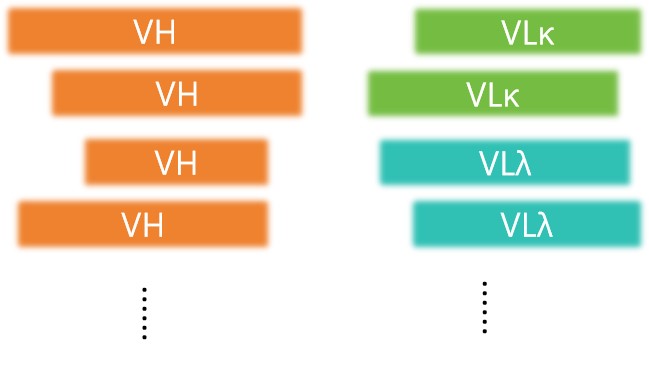 Library Design 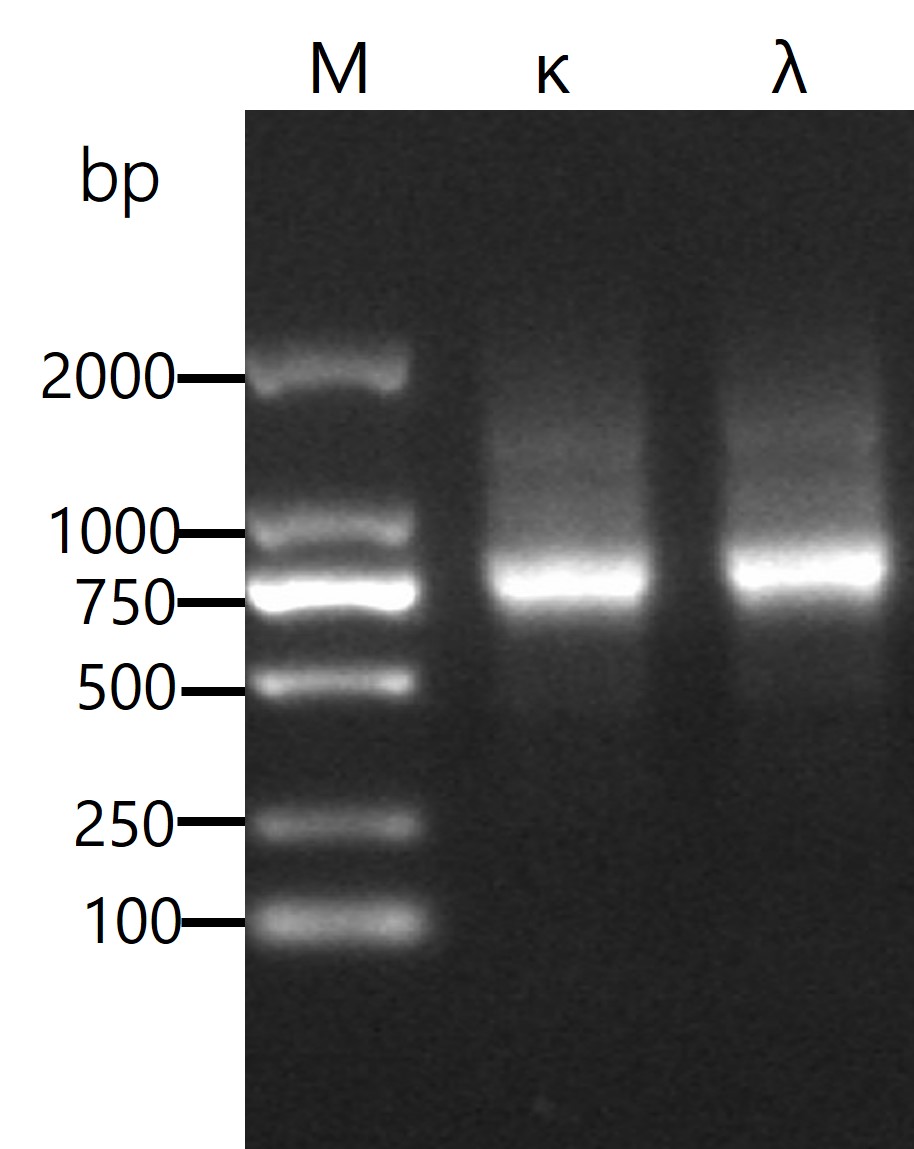 scFv fragment amplification
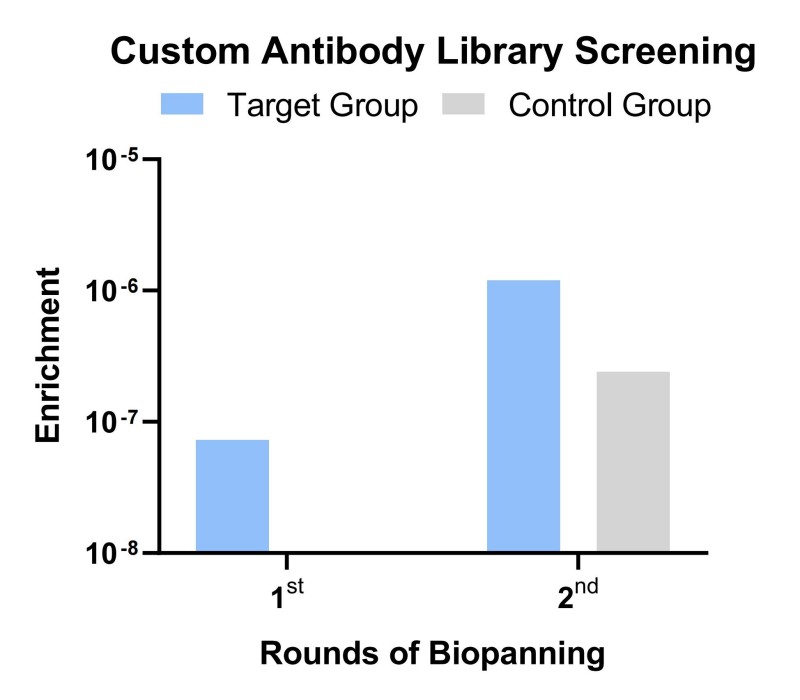
Ready-to-screen phage library stocks, plasmid pools, and a comprehensive QC dossier (design summary, diversity metrics, in-frame analysis, and pilot selection readouts). |
|||||||
| Summary | By combining rational site-specific diversification, robust assembly and cloning, and sequencing-driven QC, we delivered a >109, ~70% correctness human scFv library with excellent diversity and validated screening performance—accelerating the path from design to discovery for our clients antibody programs. | |||||||
Achieve Your Research Goals.
Turn Ideas into Action.
All listed services and products are For Research Use Only. Do Not use in any diagnostic or therapeutic applications.