FcR Binding Assay Service
Creative Biolabs' FcR Binding Assays optimize antibody development precision.
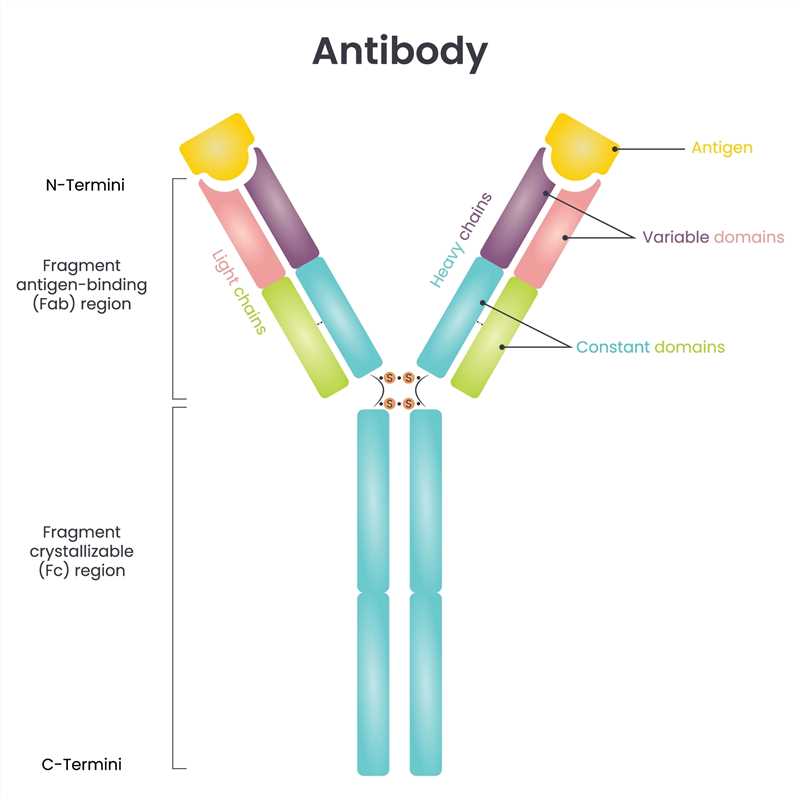
Fc receptors (FcRs) have emerged as critical mediators in immune regulation and antibody-based therapeutics, extending far beyond their basic role of linking antibodies to immune cells. By orchestrating complex immune responses, these molecular mediators play a vital role in host defense and enable therapeutic antibodies to effectively mobilize the immune system against cancer cells. The FcγR family exemplifies remarkable molecular diversity through its three main subtypes: FcγRI, FcγRII, and FcγRIII. Each exhibits unique binding characteristics and activation thresholds, profoundly influencing immune responses. At Creative Biolabs, we leverage this molecular heterogeneity in biopharmaceutical development, carefully optimizing receptor interactions to enhance drug performance. This deepening understanding continues to transform our approach to antibody discovery and antibody engineering.
Understanding Fc Receptor Diversity and Function
The complexity of Fc receptor biology extends well beyond simple antibody recognition. These receptors exhibit remarkable variation in their interactions with different antibody classes, leading to diverse downstream effects. The distribution of receptor subtypes across immune cell populations adds another layer of complexity, directly impacting key immune processes that include antibody-dependent cellular cytotoxicity (ADCC), phagocytosis (ADCP), and complement-dependent cytotoxicity (CDC). To fully appreciate their roles, we must examine the distinct characteristics of each FcR subtype:
| Fc Receptor Subtype | IgG Subclass Affinity | Primary Immune Function | Expression on Immune Cells |
|---|---|---|---|
| FcγRI (CD64) | High for IgG1, IgG3 | ADCP | Monocytes, Macrophages |
| FcγRIIa (CD32a) | Moderate for IgG1, IgG2 | Phagocytosis, Immune Activation | Macrophages, Dendritic Cells |
| FcγRIIb (CD32b) | Low for IgG1, IgG4 | Inhibition, Immune Modulation | B Cells, Macrophages |
| FcγRIIIa (CD16a) | Moderate for IgG1, IgG3 | ADCC | NK Cells, Macrophages |
| FcγRIIIb (CD16b) | Low for IgG3, IgG1 | Neutrophil Activation | Neutrophils |
FcγR Binding Assay Development for Your Custom Antibody
Creative Biolabs uses a versatile label-free system with excellent sensitivity for FcγR binding analysis of various IgG antibody isotypes or Fc fusion proteins. Our team of scientists works with you to optimize the performance of FcγR binding assays and apply the experience to new antibody therapies, which can be analyzed in many different formats to meet your needs. Example assays include:
- CD64 binding assay
- FcγR1/CD64 binding assay
- FcγR2a/CD32a H variant binding assay
- FcγR2a/CD32a R variant binding assay
- FcγR2b/CD32b binding assay
- FcγR3a/ CD16a F variant binding assay
- FcγR3a/ CD16a V variant binding assay
- FcγR3b/ CD16b NA1 binding assay
- FcγR3b/ CD16b NA2 binding assay
FcγR variations are increasingly recognized as valuable in personalized medicine, particularly within immune checkpoint inhibitor therapies. In these applications, Fc engineering and receptor polymorphisms can significantly influence patient outcomes, suggesting that individual receptor binding profiles are vital considerations for optimizing immune-modulating treatments. Creative Biolabs' expertise in FcR binding assays allows for tailored analyses that support such advancements in personalized therapy.
Discuss Your Project →
Key Assay Platforms for FcR Binding
FcR binding assays employ advanced techniques to measure antibody-receptor interactions precisely. Each platform has unique benefits and applications:
ELISA
Commonly used for endpoint analysis, ELISA measures antibody binding to Fc receptors, providing quantitative data on binding affinity.
Flow Cytometry
Flow cytometry allows multi-parametric analysis of cells with Fc-bound antibodies, useful for high-throughput settings.
Surface Plasmon Resonance (SPR)
SPR is a real-time, label-free detection method offering kinetic data on binding affinity and stability.
Biolayer Interferometry (BLI)
BLI, similar to SPR, provides high-sensitivity kinetic analysis with a more flexible sample throughput and is ideal for assay customization.
| Technology | Detection Limit | Throughput Capacity | Data Type | Typical Applications |
|---|---|---|---|---|
| ELISA | Moderate | High | Quantitative | Binding Affinity |
| Flow Cytometry | High | High | Multi-Parametric | Cellular Assays, Screening |
| Surface Plasmon Resonance (SPR) | Very High | Moderate | Real-Time Kinetics | Kinetic Analysis |
| Biolayer Interferometry (BLI) | High | High | Real-Time Kinetics | Customization, Assay Versatility |
Applications
Antibody Development
FcR binding assays play an essential role in the validation of therapeutic antibodies, determination of binding affinities and the safety and efficacy of drugs such as ADCs and immune checkpoint inhibitors. FcR tests also allow for profiling of antibodies based on their therapeutic efficacy and immune-related adverse effects.
Immuno-oncology Applications
Fc effector functions (ADCC and ADCP) are fundamental to immuno-oncology to regulate the immune response and clearance of tumor cells. FcR binding assays allow accurate modulation of these mechanisms and developers can optimize antibody-based therapies to maximize anti-tumor activity without provoking inflammatory responses.
Pharmacokinetics and Safety Profiling
FcRn binding assays are especially helpful for antibodies with a predicted half-life and to calibrate dosages. Developers can know how antibodies react with receptors in ways that help them predict the stability and bioavailability of antibodies to increase safety and minimize dosing.
Publication
This review article discusses how the binding of the Fc region of immune checkpoint antibodies to Fc gamma receptors (FcγRs) is a critical factor in cancer immunotherapy. The article highlights that while blocking immune suppression is a primary goal, many tumors don't respond well to treatment, and the Fc region's interaction with FcγRs can profoundly impact the antibody's function and efficacy. It reviews Fc variants of antibodies and the potential mechanisms by which FcγR-binding could influence anti-tumor activity. The authors summarize the properties of different IgG isotypes and FcγRs and the mechanisms of action for various immune checkpoint targets, noting that many of the findings are from mouse models and their clinical significance is yet to be fully determined. The overall outcome is dependent on multiple factors, including target expression, T-cell distribution, and the abundance of FcγR+ effector cells in tumors.
 Fig.1 Differential FcγR-binding requirements for anti-CTLA-4 and anti-PD-1 therapies.1
Why Choose Us?
Creative Biolabs stands as a leader in FcR binding assay services, distinguished by our unparalleled expertise, cutting-edge technology, and unwavering commitment to client success. When you partner with Creative Biolabs, you gain access to:
- Decades of expertise: With over 10 years in the field, our team at Creative Biolabs possesses deep scientific knowledge in antibody biology, FcR interactions, and assay development, ensuring the highest quality and most insightful data for your projects.
- State-of-the-art platforms: Creative Biolabs utilizes gold-standard technologies like surface plasmon resonance (SPR), alongside high-throughput ELISA and physiologically relevant flow cytometry assays, providing a versatile and robust analytical toolkit to meet diverse project needs.
- Comprehensive FcR panel: Our extensive library of recombinant human FcRs, including all major activating and inhibitory receptors and their common polymorphic variants, allows for a truly comprehensive characterization of your antibody's interactions.
- Customized solutions: We don't offer a one-size-fits-all approach. Every project at Creative Biolabs benefits from a tailored experimental design to meet your unique research goals and challenges, ensuring optimal results.
- Regulatory compliance support: Our data is generated with the rigor required for preclinical and early clinical development, supporting your regulatory submission efforts with reliable and defensible results.
For urgent projects or large-scale screening, please contact Creative Biolabs to discuss expedited options and customized timelines.
FAQs
Q1: What types of antibodies can Creative Biolabs analyze with your FcR binding assay service?
A1: Our service is highly versatile! We can analyze a wide range of antibody formats, including monoclonal antibodies (mAbs), bispecific antibodies, antibody-drug conjugates (ADCs), and even Fc fusion proteins. If you have a unique construct, please reach out, and our scientists at Creative Biolabs will be delighted to discuss a custom solution tailored to your specific needs.
Q2: How do your FcR binding assays compare to in vivo functional assays?
A2: Our FcR binding assays provide precise, quantitative data on the molecular interaction between your antibody and FcRs, offering fundamental insights into binding affinity and kinetics. We recommend using our binding assays as a crucial first step to predict and explain the functions measured in vivo, saving time and resources.
Q3: How can I ensure the data from Creative Biolabs' service will be compatible with my regulatory submissions?
A3: Our assays are performed under stringent quality control measures, and our detailed reports are designed to meet the high standards required for preclinical and early-stage regulatory filings. We provide comprehensive documentation, including raw data and detailed methodologies, to support your submissions.
Customer Review
-
Exceptional Comparability Data!
Creative Biolabs' FcR binding assays facilitated our biosimilar development program immensely. The flow cytometry-based assays provided clear, comparative binding profiles to the reference product across various FcγR variants. - Dr. L. M***n
-
Tailored Solutions for Complex Antibodies!
We had a particularly challenging antibody with unusual Fc modifications. Creative Biolabs' ability to develop a custom ELISA and SPR assay strategy for our unique molecule, combined with their extensive FcR panel, provided the critical binding data we needed to understand its mechanism of action. - J. K***g
How to Contact Us
Ready to unlock the full potential of your antibody therapeutics? Contact our expert team at Creative Biolabs today to discuss your specific project needs and discover how our FcR binding assay service can drive your research forward.
Reference
- Chen, Xin, et al. "FcγR-binding is an important functional attribute for immune checkpoint antibodies in cancer immunotherapy." Frontiers in immunology 10 (2019): 292. Distributed under Open Access license CC BY 4.0, without modification. DOI: https://doi.org/10.3389/fimmu.2019.00292
Resources

Related Services
 Immunoassay
 Related Products
| FcRn / FCGRT & B2M | |
| FC-P002-ZP | Cynomolgus / Rhesus macaque FcRn / FCGRT&B2M Heterodimer Protein, His Tag (BLI verified) |
| FC-P003-ZP | Cynomolgus / Rhesus macaque FcRn / FCGRT&B2M Heterodimer Protein, His,Avi Tag (SPR verified) [Biotinylated] |
| FC-P008-ZP | Human FcRn / FCGRT&B2M Heterodimer Protein, His,Avi Tag (SPR verified) [Biotinylated] |
| FC-P010-ZP | Mouse FcRn / FCGRT&B2M Heterodimer Protein, His Tag (BLI verified) |
| FC-P011-ZP | Mouse FcRn / FCGRT&B2M Heterodimer Protein, His,Avi Tag (BLI verified) [Biotinylated] |
| FC-P015-ZP | Rabbit FcRn / FCGRT&B2M Heterodimer Protein, His Tag&Tag Free (SPR verified) |
| FC-P017-ZP | Bovine FcRn / FCGRT&B2M Heterodimer Protein, His,Avi Tag (SPR verified) [Biotinylated] |
| FC-P018-ZP | Feline FcRn / FCGRT&B2M Heterodimer Protein, His,Avi Tag (SPR verified) [Biotinylated] |
| FC-P019-ZP | Human FcRn / FCGRT&B2M Heterodimer Protein, His Tag (SPR & BLI verified) |
| CD23 | |
| FC-P020-ZP | Human CD23 / Fc epsilon RII Protein, His Tag |
| FC-P021-ZP | Human CD23 / Fc epsilon RII Protein, His,Avi Tag [Biotinylated] |
| Fc gamma RI / CD64 | |
| FC-P022-ZP | Mouse Fc gamma RI / CD64 Protein, His Tag (BLI verified) |
| C-P023-ZP | Cynomolgus Fc gamma RI / CD64 Protein, His,Avi Tag (BLI verified) [Biotinylated] |
| FC-P024-ZP | Human Fc gamma RI / CD64 Protein, His Tag (MALS verified) |
| FC-P025-ZP | Human Fc gamma RI / CD64 Protein, His,Avi Tag (MALS verified) [Biotinylated] |
| Fc gamma RIIA / CD32a | |
| FC-P026-ZP | Human Fc gamma RIIA / CD32a (H167) Protein, His Tag (SPR & BLI verified) |
| FC-P027-ZP | Cynomolgus Fc gamma RIIA / CD32a Protein, His Tag (SPR & BLI & HPLC verified) |
| FC-P028-ZP | Cynomolgus Fc gamma RIIA / CD32a Protein, His,Avi Tag (SPR & BLI verified) [Biotinylated] |
| FC-P029-ZP | Human Fc gamma RIIA / CD32a (R167) Protein, His Tag (BLI verified) |
| FC-P030-ZP | Human Fc gamma RIIA / CD32a (H167) Protein, Avi Tag,His Tag (SPR & BLI verified) [Biotinylated] |
| FC-P031-ZP | Human Fc gamma RIIA / CD32a (R167) Protein, Avi Tag,His Tag (SPR & BLI verified) [Biotinylated] |
| FC-P032-ZP | Rhesus macaque Fc gamma RIIA / CD32a Protein, His Tag (SPR & BLI verified) |
| Fc gamma RIIB / CD32b | |
| FC-P033-ZP | Cynomolgus Fc gamma RIIB / CD32b Protein, His Tag |
| FC-P034-ZP | Cynomolgus Fc gamma RIIB / CD32b Protein, His,Avi Tag (SPR & BLI verified) [Biotinylated] |
| FC-P035-ZP | Human Fc gamma RIIB / CD32b Protein, His Tag (SPR & BLI verified) |
| FC-P036-ZP | Human Fc gamma RIIB / CD32b Protein, SUMO,His Tag |
| FC-P037-ZP | Human Fc gamma RIIB / CD32b Protein, HSA,His Tag |
| FC-P038-ZP | Human Fc gamma RIIB / CD32b Protein, Avi Tag,His Tag (SPR & BLI verified) [Biotinylated] |
| FC-P039-ZP | Mouse Fc gamma RIIB / CD32b Protein, His Tag (SPR & BLI verified) |
| FC-P040-ZP | Mouse Fc gamma RIIB / CD32b Protein, Avi Tag,His Tag (SPR & BLI verified) [Biotinylated] |
| Fc gamma RIII / CD16 | |
| FC-P041-ZP | Mouse Fc gamma RIII / CD16 Protein, His Tag (SPR & BLI verified) |
| FC-P042-ZP | Cynomolgus Fc gamma RIII / CD16 Protein, His Tag (BLI verified) |
| FC-P043-ZP | Cynomolgus Fc gamma RIII / CD16 Protein, His,Avi Tag (BLI verified) [Biotinylated] |
| FC-P044-ZP | Rhesus macaque Fc gamma |
 Download our brochure