
Glial Cells-targeting Adenovirus Vector Construction Service
Glial cells, comprising astrocytes, oligodendrocytes, and microglia, represent the most abundant cell population in the central nervous system, playing indispensable roles in maintaining neural homeostasis, supporting neuronal function, and mediating neuroimmune responses. Their involvement spans virtually all neurological disorders—from neurodegenerative conditions like Alzheimer's and Parkinson's disease to neuroinflammatory disorders such as multiple sclerosis, neuropathic pain, and psychiatric conditions. This widespread involvement has positioned glial cells as attractive therapeutic targets, yet the cellular complexity and delicate nature of neural tissue pose significant challenges for specific gene delivery. Conventional viral vectors often lack the specificity required to distinguish between different glial subtypes or between glial and neuronal populations, limiting their utility in both basic research and clinical applications. Our glial cells-targeting adenovirus vector construction service overcomes these limitations through sophisticated engineering of adenoviral vectors with enhanced specificity for distinct glial cell types. By integrating advanced capsid modifications with cell-type-specific promoter systems and other regulatory elements, we enable precise genetic manipulation of glial cells for both fundamental research and therapeutic development in neurological sciences.
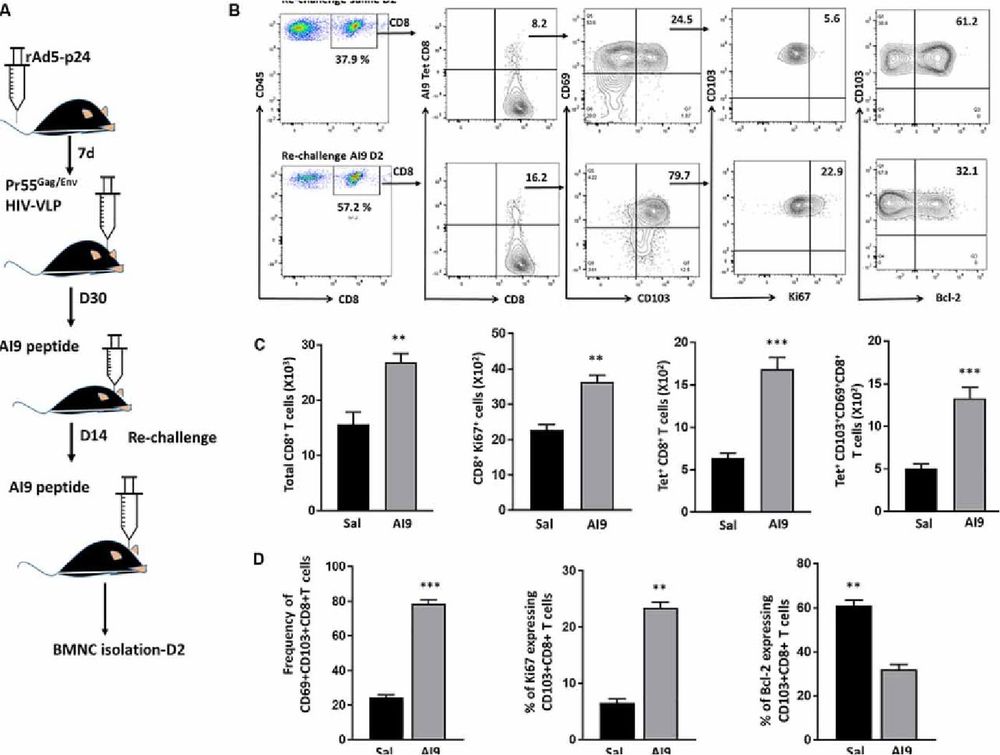 Fig.1 The reorganized adenovirus vector activates glial cells to enhance immunity 1,2
Comprehensive Service Overview
We provide complete end-to-end solutions for constructing adenoviral vectors that target specific glial cell populations with exceptional precision and efficiency. Our service begins with an extensive consultation process where our neuroscience specialists work closely with you to understand your specific research objectives, whether you require targeting of astrocytes for studying neuroinflammatory responses, oligodendrocytes for investigating demyelination disorders, or microglia for neuroimmunology applications. Following this initial assessment, we design and engineer custom adenoviral vectors incorporating multiple targeting modalities tailored to your experimental needs. Our production team then generates high-titer viral stocks under stringent quality control measures, followed by thorough functional validation in relevant cellular and animal models. This integrated approach ensures you receive optimized, ready-to-use vectors that deliver reliable and reproducible results in your glial research applications, accelerating your scientific discoveries while maintaining the highest standards of quality and specificity.
Advanced Technical Capabilities
Our glial cell targeting platform incorporates multiple sophisticated technologies to achieve unprecedented specificity in neural gene delivery. The foundation of our approach lies in advanced capsid engineering, where we incorporate cell-specific targeting peptides into adenovirus fiber proteins and other capsid components. We have developed an extensive library of validated targeting ligands, including GFAP-targeting peptides for astrocytes, MOG-directed peptides for oligodendrocytes, and CD11b-binding motifs for microglia. These modifications significantly enhance transduction efficiency while reducing off-target effects in non-glial cells. Beyond capsid modifications, we employ transcriptional targeting strategies using well-characterized glial-specific promoters including GFAP for astrocytes, PLP for oligodendrocytes, and Iba1 for microglia. For applications requiring the highest level of specificity, we develop dual-targeted vectors that combine both capsid modification and transcriptional control, creating a multi-layered targeting system that achieves exceptional cell-type selectivity in the complex environment of the central nervous system.
Vector Engineering and Optimization Expertise
Our molecular engineering capabilities represent the core of our glial targeting service, ensuring optimal vector performance across diverse research applications. We engineer adenoviral vectors with carefully modified tropism to overcome the limited natural infectivity of glial cells while maintaining high production yields and genetic stability. Our services include the incorporation of various reporter genes such as GFP, RFP, and Luciferase for cell tracking and visualization, optogenetic tools for functional studies of glial networks, and therapeutic transgenes for preclinical development. We also specialize in constructing regulatable vector systems using advanced technologies and Cre-dependent switches for precise temporal control of transgene expression. This capability is particularly valuable for studying dynamic glial responses in neurological processes where timing is critical. Furthermore, we optimize vector genomes for enhanced expression in glial cells, including intron insertion, codon optimization, and the incorporation of regulatory elements that promote long-term stable expression in these relatively quiescent cell populations.
Enhanced Safety and Specificity Features
Recognizing the critical importance of safety in neural applications, we incorporate multiple advanced safety features into our glial-targeting vectors. Our standard vectors include deletion of adenoviral early genes to generate replication-deficient vectors suitable for most research applications. For enhanced specificity, we incorporate microRNA-responsive elements that prevent off-target expression in non-glial cells, leveraging differentially expressed microRNAs between neural cell types to create an additional layer of cellular selectivity. We also develop self-inactivating vectors that minimize long-term genetic alterations, an important consideration for both research and potential therapeutic applications. For specialized applications requiring precise manipulation of specific glial populations, we offer conditionally cytotoxic vectors that can eliminate particular glial subsets based on their activation state or expression of disease-associated markers. These advanced safety features ensure that our vectors not only achieve their intended research goals but also maintain the highest standards of biological safety.
Diverse Research Applications
Our glial-targeting adenoviral vectors enable key applications in non-oncological neurological research:
- Neurodegenerative Disease Research: Target astrocytes and microglia to model and dissect their roles in Alzheimer's and Parkinson's disease mechanisms.
- Demyelinating Disease Studies: Achieve oligodendrocyte-specific gene delivery to investigate remyelination strategies for multiple sclerosis.
- Therapeutic Development: Develop gene therapies for neurological disorders through cell-type restricted transgene expression in relevant glial populations.
- Live-Cell Imaging & Screening: Monitor glial responses in real-time within disease models and conduct targeted drug screening for neuroinflammatory pathways.
Client-Centric Service Approach
We pride ourselves on delivering not just high-quality viral vectors but comprehensive solutions that address the unique challenges of glial cell research. Each project benefits from our neuroscience-specialized expertise, with team members who possess deep understanding of glial biology and the specific requirements of neural gene delivery. We provide extensive validation data for each vector batch, including detailed demonstration of targeting specificity in mixed neural cultures, brain slice preparations, and in vivo models. This validation includes quantitative analysis of transduction efficiency in target versus non-target cell types, ensuring you receive vectors with thoroughly documented performance characteristics. Our collaborative approach means we work closely with researchers to develop targeting strategies tailored to specific experimental needs, whether for acute slice electrophysiology, chronic in vivo studies, or human glial cell cultures. This flexibility allows us to accommodate diverse research requirements from multiple neuroscience domains, ensuring optimal outcomes for each unique application.
Quality Assurance and Validation
Every glial-targeting adenoviral vector produced in our facility undergoes rigorous quality control procedures specifically optimized for neural research applications. Our comprehensive quality assessment includes thorough testing for endotoxin levels, replication-competent adenovirus screening, and detailed analysis of batch-to-batch consistency in primary neural cultures. We employ multiple orthogonal methods to verify vector purity, concentration, and functionality, including quantitative PCR for genome copy determination, transmission electron microscopy for particle integrity assessment, and flow cytometry for transduction efficiency quantification. Most importantly, we conduct extensive functional validation in biologically relevant systems, including primary glial cultures, brain slice preparations, and where appropriate, in vivo models. This multi-level quality assurance process ensures that every vector shipment meets the highest standards of performance and reliability for your neuroscience research.
Innovation and Future Directions
Our commitment to advancing glial cell targeting technologies drives continuous innovation in our vector development platform. Current research and development efforts focus on creating novel vectors capable of distinguishing between glial activation states, targeting region-specific glial subpopulations, and responding to disease-specific microenvironmental cues. We are engineering next-generation vectors with enhanced blood-brain barrier penetration capabilities for systemic administration applications, incorporating novel targeting motifs identified through advanced screening technologies. Additionally, we are developing novel capsid modifications specifically optimized for targeting human glial cells with higher specificity, addressing the critical need for improved translational models in neuroscience research. These ongoing innovations ensure that our clients always have access to the most advanced tools for glial cell research and therapeutic development.
Client Testimonials and Success Stories
"The astrocyte-targeting adenovirus vectors developed by Creative Biolabs fundamentally transformed our research on neuroinflammatory signaling pathways. The vectors demonstrated exceptional specificity in both murine and human astrocyte cultures, with minimal off-target expression in co-cultured neurons and microglia. The comprehensive validation data provided gave us complete confidence in our experimental results, enabling publications in high-impact journals."
— David Chen, PhD, Senior Scientist
"Our work focuses on the role of microglia in neurodegenerative disease, requiring tools for precise genetic manipulation in a complex cellular environment. Creative Biolabs's microglia-tropic adenovirus platform exceeded our expectations, achieving high transduction efficiency in primary human microglia without activating innate immune responses. This allowed us to perform critical in vivo functional genomics screens that identified novel neuroprotective targets, accelerating our drug discovery pipeline."
— Dr. Alex Thorne, Head of Neurobiology, Biotech Research Institute
"As a group developing novel gene therapies for multiple sclerosis, we needed reliable oligodendrocyte-specific vectors for preclinical testing. Creative Biolabs's targeted adenoviral vectors enabled efficient delivery of protective genes specifically to oligodendrocytes in our demyelination models, significantly enhancing therapeutic outcomes while reducing systemic exposure. Their technical support team provided exceptional guidance throughout the vector optimization process."
— Dr. Maria Rodriguez, Co-founder & CSO
Strategic Advantages and Differentiators
Choosing our glial cells-targeting adenovirus vector construction service provides researchers with several distinct advantages that accelerate neuroscience discovery. Our deep specialization in neuroscience applications sets us apart, with team members who actively contribute to the field through their own research and collaborations. This ensures that our vector design strategies incorporate the latest understanding of glial biology and neural targeting requirements. Our proven track record across diverse glial research applications, from basic mechanism studies to therapeutic development, demonstrates the reliability and effectiveness of our targeting platforms. The comprehensive nature of our service—from initial design through final validation—provates a seamless experience for researchers, eliminating the need to coordinate multiple vendors and ensuring consistent quality throughout the project lifecycle. Furthermore, our commitment to innovation means that clients benefit from the latest advances in viral vector technology, often accessing targeting strategies and vector designs not available elsewhere.
Service Accessibility and Support
We have structured our glial cells-targeting adenovirus vector construction service to be accessible to researchers across the neuroscience community, from individual academic laboratories to large pharmaceutical companies. Our project initiation process begins with a detailed consultation where we seek to thoroughly understand your research objectives, experimental system, and specific requirements. Based on this information, we develop a customized project plan outlining the targeting strategy, vector design, production timeline, and deliverables. Throughout the project, we maintain regular communication with progress updates and opportunities for feedback, ensuring the final product fully meets your research needs. Our technical support team remains available to assist with experimental planning, protocol optimization, and data interpretation, providing valuable expertise to maximize the impact of our vectors in your research program.
Conclusion
Our glial cells-targeting adenovirus vector construction service represents a powerful platform for advancing neuroscience research and therapeutic development. By combining deep expertise in glial biology with cutting-edge viral vector engineering, we deliver precision tools that enable specific genetic manipulation of distinct glial populations. The comprehensive nature of our service, rigorous quality control measures, and ongoing innovation ensure that researchers have access to the most advanced tools for studying glial function in health and disease. Whether your focus is basic mechanism discovery, disease modeling, or therapeutic development, our glial-targeting vectors provide the specificity, efficiency, and reliability required to accelerate your scientific progress and enhance the impact of your research outcomes.
Contact Information
To discuss your glial cell targeting requirements and learn how our specialized adenovirus vector service can advance your neuroscience research program, we invite you to contact our scientific team. We welcome opportunities to collaborate on challenging glial biology questions and develop customized solutions for your specific research needs. Our experts are available for comprehensive technical consultations, project planning discussions, and detailed quotations based on your specific requirements. Partner with us to access the most advanced glial-targeting technologies and expertise, accelerating your journey toward important scientific discoveries and therapeutic breakthroughs in neuroscience.
References
-
Sujata Prasad, et al. "Dysregulated Microglial Cell Activation and Proliferation Following Repeated Antigen Stimulation." Cellular Neuropathology Volume 15 - 2021
https://doi.org/10.3389/fncel.2021.686340 - Distributed under Open Access license CC BY 4.0, without modification.
