- Small spherical particles, usually 1-100 µm in size
- Often used in injectable depot formulations
- Useful for monthly or quarterly dosing
Used in: hormone therapy, chronic pain management, oncology formulations

PLGA remains one of the most dependable materials in drug delivery, valued for its predictable behavior, safety, and strong regulatory track record. Its biodegradable structure supports controlled release across a broad spectrum of therapeutics—from small molecules to peptides, proteins, nucleic acids, and advanced biologics. This guide from Creative Biolabs walks you through how PLGA works, why it is widely used, and how it continues to shape modern formulation strategies. With clear explanations and real-world examples, this article highlights why PLGA remains a cornerstone for today's drug development teams.
Click Here to View more about our Services
Poly(lactic-co-glycolic acid) (PLGA) is a synthetic biodegradable polymer generated by co-polymerizing lactic acid and glycolic acid (Figure 1). Because both monomers naturally exist in human metabolic pathways, PLGA breaks down into physiologically compatible products after administration.
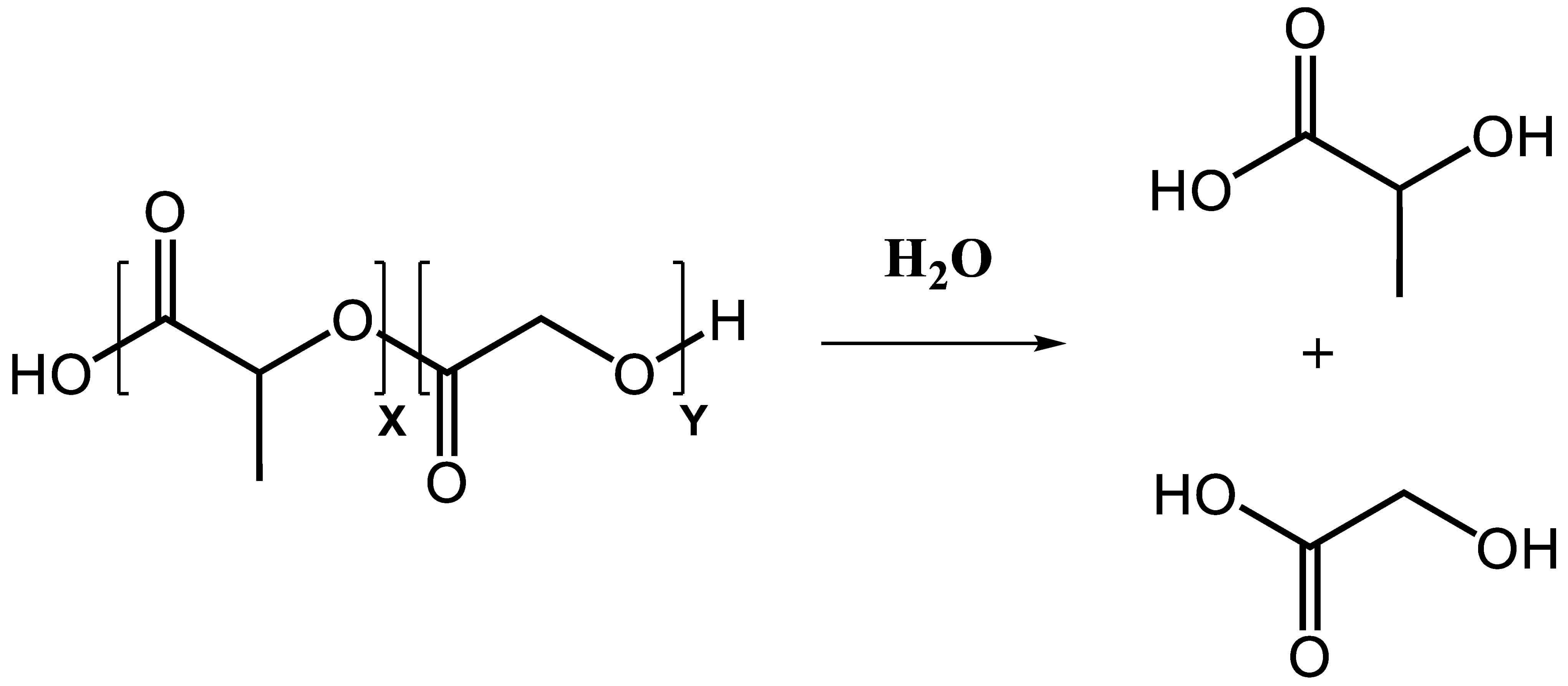 Fig.1
PLGA hydrolysis into monomers, lactic acid and glycolic acid.1
Fig.1
PLGA hydrolysis into monomers, lactic acid and glycolic acid.1
Why PLGA is preferred:
In practice, PLGA functions like a highly customizable container, protecting the cargo and releasing it in a controlled manner.
In short: PLGA for drug delivery combines safety, flexibility, and tunable release, which makes it a core material in modern controlled-release systems.
PLGA's delivery performance is governed by two key processes: polymer degradation and drug release kinetics.
Once inside the body, water penetrates the polymer matrix and gradually cleaves ester linkages through hydrolysis. The polymer first fragments into shorter chains and eventually into lactic acid and glycolic acid, which naturally enter the Krebs cycle (Figure 2).
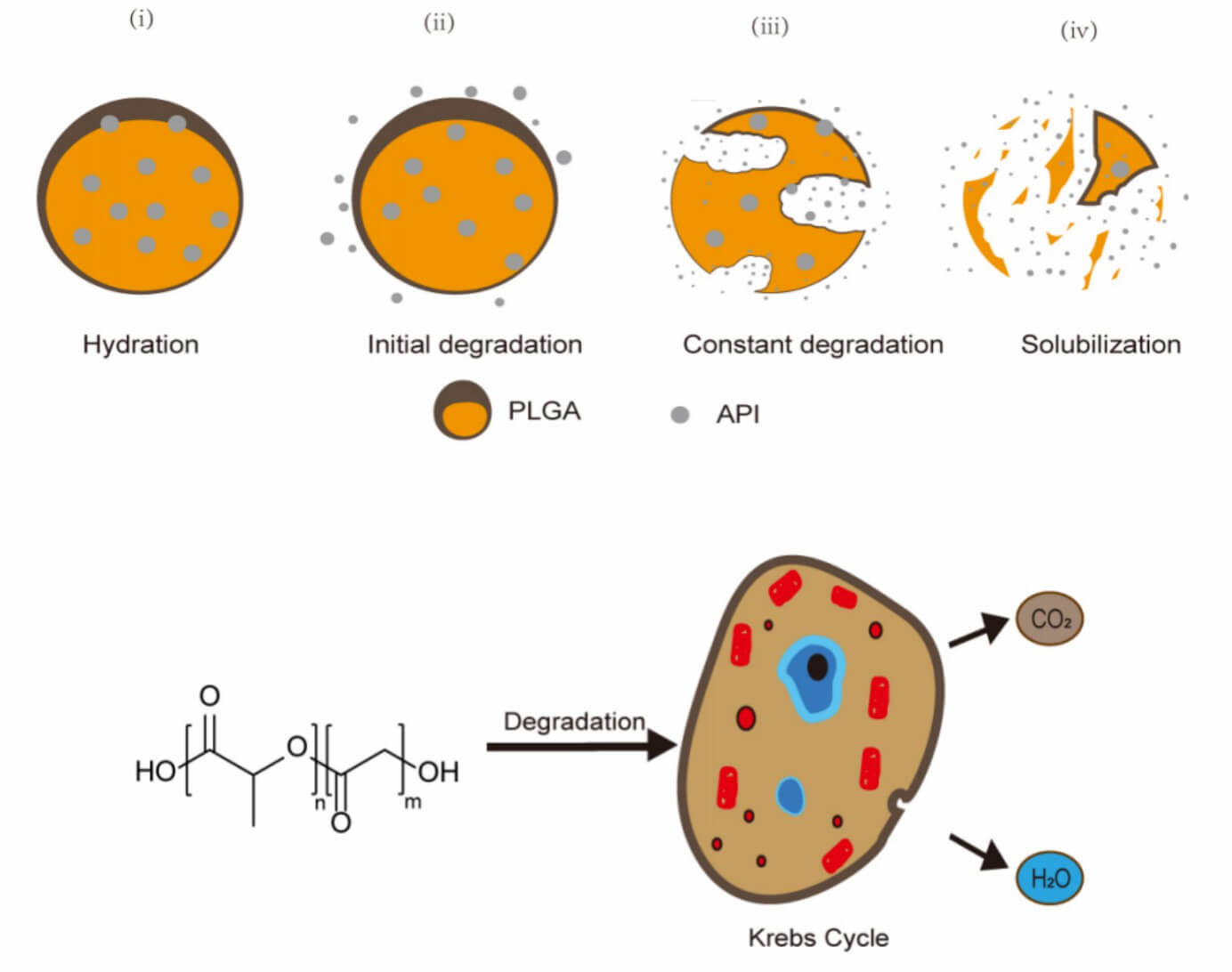 Fig.2 PLGA in different degradation stages.5
Different PLGA types behave differently. The most influential factors include the lactic: glycolic ratio, molecular weight, end-group chemistry, and surface characteristics. (Figure 3).
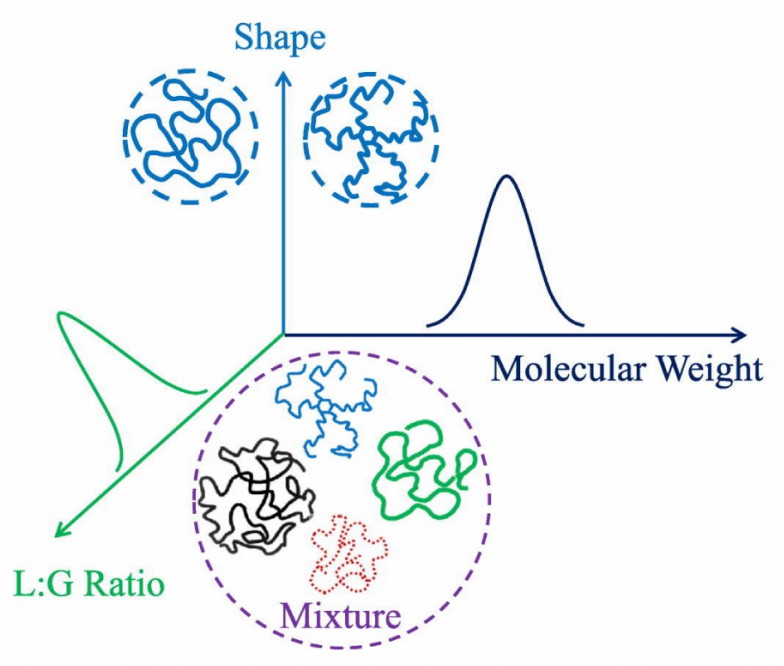 Fig.3
PLGA characterization involves assessing its molecular weight, L: G ratio, and shape.5
Fig.3
PLGA characterization involves assessing its molecular weight, L: G ratio, and shape.5
The ratio of lactic acid to glycolic acid strongly affects degradation (Figure 4):
Common ratios include 50:50, 65:35, 75:25, and 85:15.
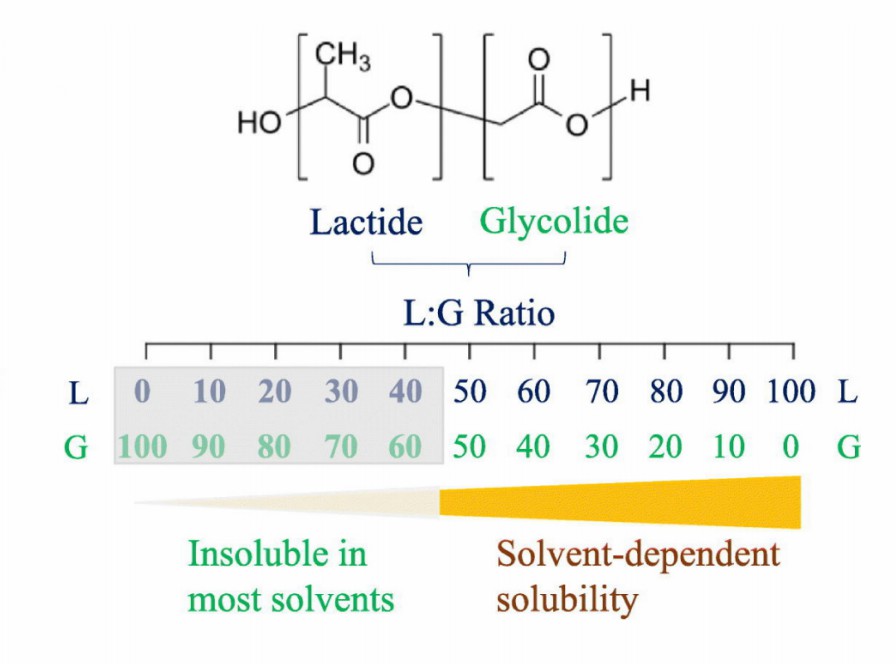 Fig.4 Different solvation of PLGAs with varying L: G ratios.5
PLGA, PLA, and PCL are all biodegradable polymers, but their degradation rates and release behaviors differ significantly.
Used in: hormone therapy, chronic pain management, oncology formulations
Used for: anticancer drugs, vaccine carriers, nucleic acid delivery
Suitable for: localized therapies, high-dose biologics, controlled-release regeneration tools
PLGA's flexibility supports a broad spectrum of therapeutic needs:
PLGA microspheres and depots allow:
PLGA nanoparticles can:
Proteins and peptides are often unstable in solution. PLGA:
When PLGA is combined with other components, it can help deliver:
This is especially useful when controlled release and local expression are needed.
PLGA particles can work as antigen carriers and sometimes as adjuvants, helping to:
PLGA scaffolds are used as:
While poly(lactic-co-glycolic acid) (PLGA) stands as a gold standard in modern drug formulation for its biocompatibility and tunable release, it's not without practical hurdles that demand careful navigation. From unintended rapid initial drug release to challenges encapsulating sensitive molecules and scaling production reliably, these obstacles can impact therapeutic efficacy, safety, and regulatory compliance.
Some formulations show a rapid initial release of the drug:
Researchers reduce burst release by:
Hydrophilic drugs, proteins, and nucleic acids can be hard to encapsulate:
New techniques, including microfluidics, mild emulsification, and stabilizing excipients, are being employed to safeguard these sensitive molecules.
Producing PLGA particles at an industrial scale is not trivial:
Advanced process controls, in-line analytics, and engineered microfluidic systems are helping to make production more robust and efficient.
The next generation of PLGA for drug delivery focuses on more intelligent and more precise systems.
Key trends include:
PLGA stands for poly(lactic-co-glycolic acid). It is a biodegradable copolymer made from lactic acid and glycolic acid, widely used in controlled drug delivery.
PLGA is used because it is biodegradable, biocompatible, and tunable. It can protect drugs and release them in a controlled way over weeks or months.
PLGA can carry small molecules, peptides, proteins, nucleic acids, and vaccines. This makes it suitable for many injectable and implantable therapies.
PLGA microspheres and nanoparticles are drug-loaded particles made of PLGA. They allow controlled and often long-acting drug release after injection or implantation.
The degradation time of PLGA can range from approximately 2 weeks to 6 months, depending on the lactic: glycolic ratio, molecular weight, and formulation design.
Yes. PLGA has a strong safety record and breaks down into lactic and glycolic acids, which are naturally processed by the body under normal conditions.
PLGA generally degrades faster than PLA or PCL, giving more flexible control over release times. PLA and PCL are better when a very long-term release is required.
PLGA has become a central material for advanced drug delivery because it combines:
If you are exploring PLGA-based formulation design, nanoparticle development, or controlled-release strategies, partnering with an experienced CRO can help you move faster and reduce risk. Creative Biolabs supports PLGA-based delivery research with integrated formulation development, characterization, and optimization services, allowing you to translate your drug candidates into robust, patient-friendly products.
For Research Use Only. Not for Clinical Use.
References
Creatibe Biolabs' custom LNP was the only solution that successfully delivered our CRISPR-Cas9 payload across the blood-brain barrier with high efficiency and low toxicity.”

Dr. Evelyn Reed
Postdoctoral Researcher, Leading University
Our siRNA candidate was failing due to off-target toxicity, but Creatibe Biolabs' team rapidly redesigned our LNP using their modular platform, rescuing our preclinical program.”

Ben Carter
Project Manager
Achieving cytosolic delivery of our protein degrader with Creatibe Biolabs' exosome platform was the key to unlocking our candidate's full therapeutic potential.”

Dr. Kenji Tanaka
Principal Scientist, Large Pharma Corp
Our oncology drug's efficacy was limited by poor tumor accumulation. Creatibe Biolabs' peptide-conjugated liposomes provided the precise targeting we needed, dramatically increasing the drug's therapeutic index.”
Dr. Clara Schmidt
Senior Scientist, Oncology Innovations Inc.
We required a delivery system that would only release its payload in the tumor's acidic microenvironment. Creatibe Biolabs' pH-responsive liposomes performed flawlessly, minimizing systemic exposure.”
David Chen
Formulation Scientist
Outstanding expertise in antibody engineering.The team's attention to detail and innovative approaches have sianificantly accelerated our development timeline.
Sarah L.
Senior Research Scientist