Creative Biolabs is offering the most comprehensive services for antibody development projects. With strict regulation and effective execution, we are dedicated to providing the most valuable solutions to complete your projects.
HighlightsCreative Biolabs is offering the most comprehensive services for antibody development projects. With strict regulation and effective execution, we are dedicated to providing the most valuable solutions to complete your projects.
HighlightsCreative Biolabs has established a broad range of platforms for developing novel antibodies or equivalents. These cutting-edge technologies enable our scientists to meet your demands from different aspects and tailor the most appropriate solution that contributes to the success of your projects.
HighlightsWith deep understanding in antibody-related realms and extensive project experience, Creative Biolabs offers a variety of references to help you learn more about our capacities and achievements, including infographic, flyer, case study, peer-reviewed publications, and all kinds of knowledge that can assist your projects. You are also welcome to contact us directly for more specific solutions.
HighlightsGet a real taste of Creative Biolabs, one of the most professional custom service providers in the world. We are committed to providing highly customized comprehensive solutions with the best quality to advance your projects.
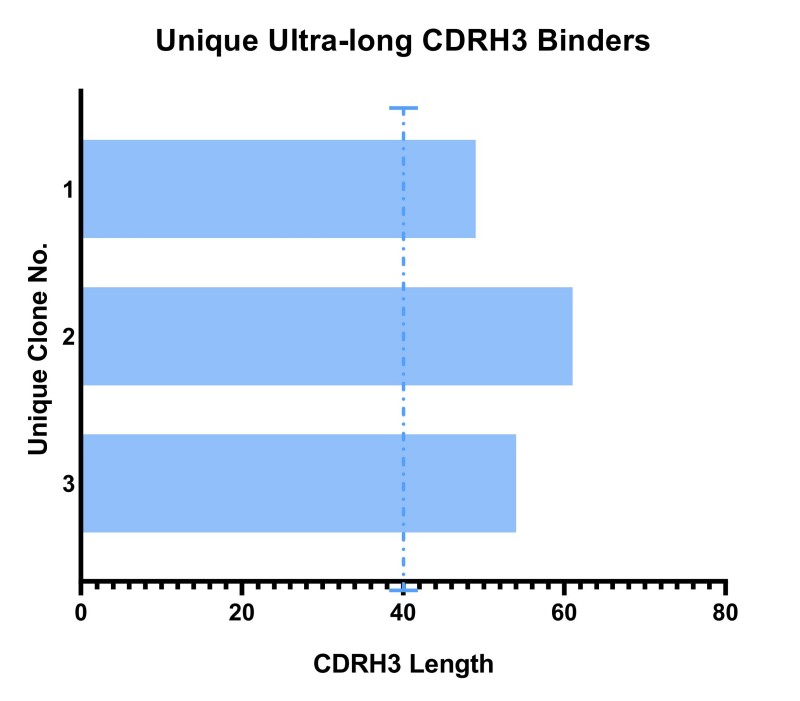
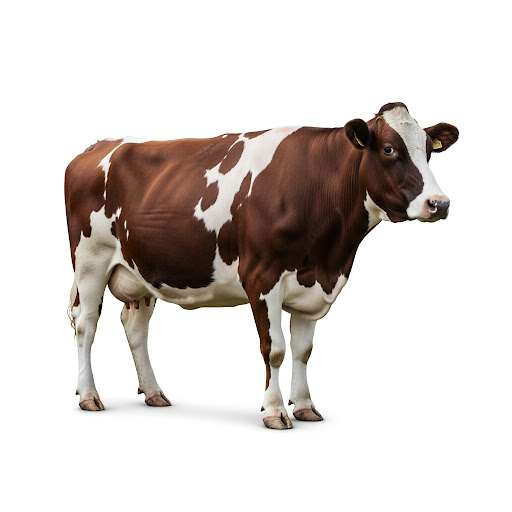
HighlightsApproximately 10% of bovine antibodies are characterized by these ultralong CDR3s, which can extend to 50-70 amino acids, making them the longest known in the animal kingdom. Structural and bioinformatics analyses have revealed that these ultralong CDR3s possess a highly distinctive architecture and confer unparalleled advantages in antigen recognition:
 Unique "Stalk and Knob" Architecture
These ultralong CDR3s fold into a β-strand "stalk" that supports a diversified, disulfide-bonded "knob" domain.
Complex Disulfide-Bonded Mini Domains
The high cysteine content within this unique structure enables the formation of complex disulfide-bonded mini domains, contributing to remarkable diversity and specificity.
Access to Cryptic Epitopes
These antibodies demonstrate an extraordinary ability to access cryptic, deeply buried, or concave epitopes that are physically inaccessible to larger, conventional antibodies.
Broad Target Engagement
This includes their remarkable efficacy against diverse bacterial and viral pathogens, and their capacity to bind challenging molecular targets such as G protein-coupled receptors (GPCRs) and ion channels, which are notoriously difficult to drug.
Small, Independent Binding Units
When isolated from the full antibody scaffold, the entire ultralong CDR3 or even just the knob domain can independently bind antigens, producing antibody fragments that are significantly smaller than conventional single-domain antibodies like Single-Domain Antibody (SdAb) and VNAR.
Enhanced Tissue Penetration and Stability
The diminutive size of these fragments offers enhanced tissue penetration and superior stability compared to larger antibody formats.
As a robust in vitro selection platform, it establishes a direct link between the antibody gene and its expressed protein on the phage surface, facilitating the systematic mining of vast antibody repertoires. Phage display has proven highly effective for the discovery of bovine ultralong CDR3 antibodies and their knob domains. This technology enables the efficient screening of high-affinity CDR H3 variants, supporting the rapid development of pathogen-specific therapeutic molecules against bovine pathogens.
Creative Biolabs has successfully established a unique platform dedicated to the generation of high-affinity bovine monoclonal antibodies with ultralong CDR3s. Our expertise in bovine immunology combined with advanced phage display methodologies allows us to fully exploit the distinctive structural and functional properties of these antibodies. This specialized service offers a novel avenue for therapeutic antibody development.
Creative Biolabs' comprehensive workflow for Bovine Ultralong CDR3 Antibody Generation is meticulously designed to maximize the probability of identifying high-affinity, specific, and developable antibodies that leverage the unique ultralong CDR3 loops. This rigorous process initiates with careful antigen design and targeted immunization of cattle. Creative Biolabs' workflow includes:
| Stage | Description | Highlights |
| Custom Ultralong CDR3 Antibody Library Construction |
- Immune Libraries - Synthetic Libraries - Naïve Libraries |
|
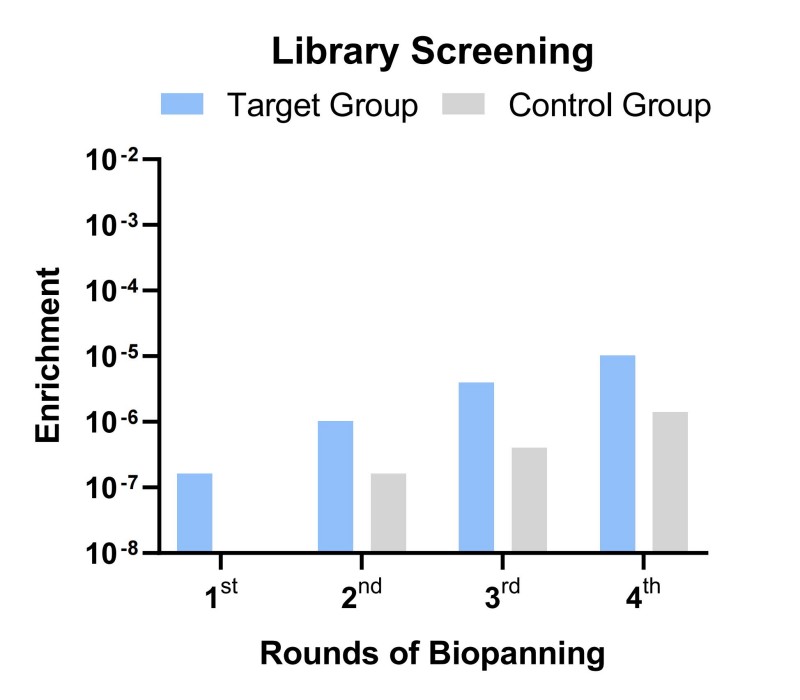
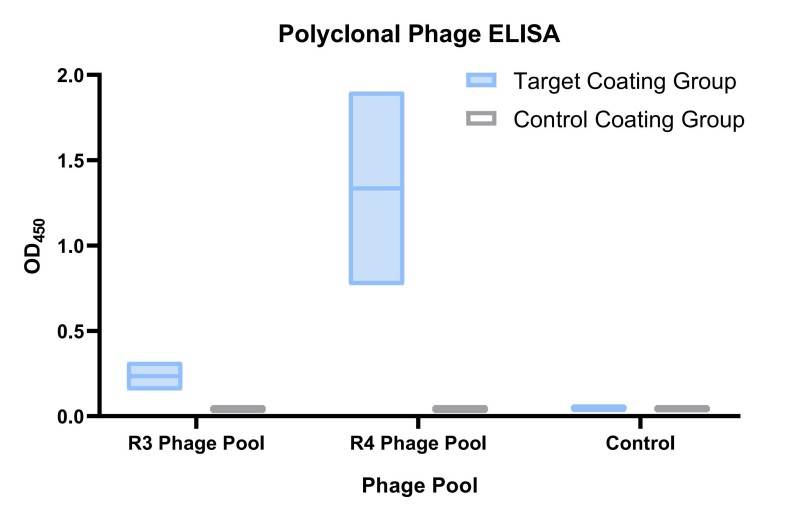
| Phage Display UL-CDR3 Library Screening |
- Iterative and customized target-specific biopanning strategy - Optimized for ultralong CDR3s unique binding (e.g., cryptic epitopes) |
|
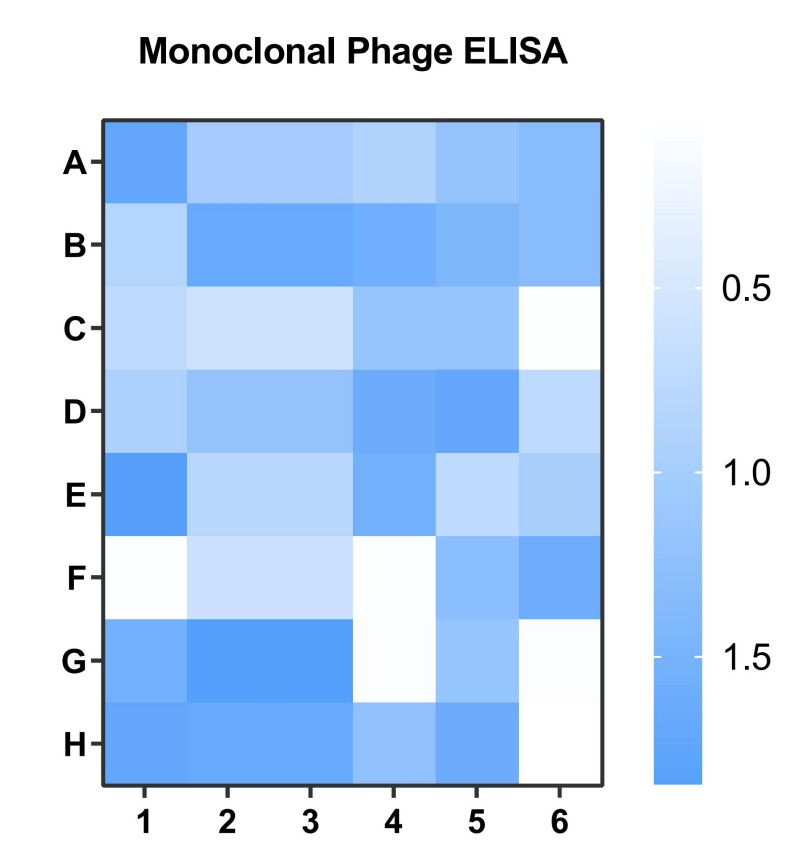
| Clone Identification & UL-CDR3 Characterization |
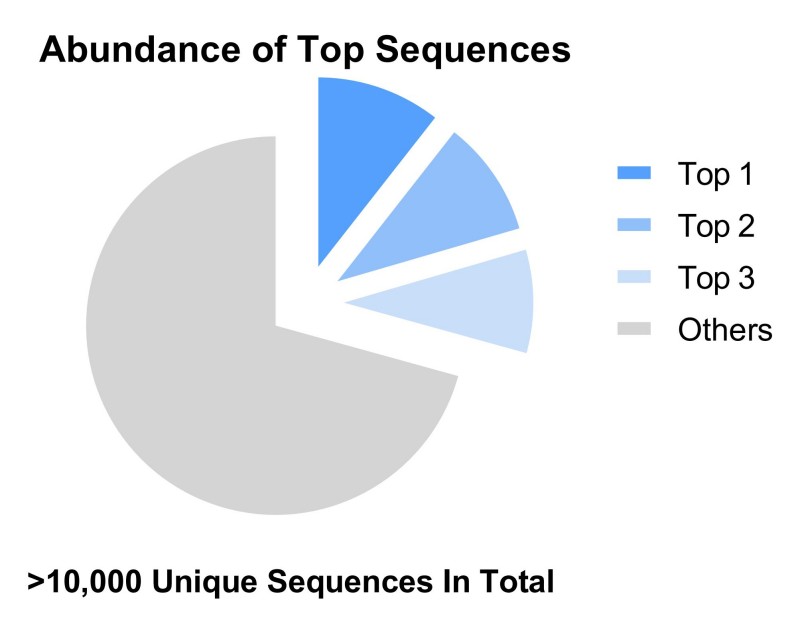
- Sequencing of positive clones - Structural motif analysis - Deep sequencing for all potential binders |
|
| Downstream Characterization & Optimization |
- Recombinant expression and purification (scFv, Fab, or knob) - Biophysical profiling (affinity, stability, aggregation) - Functional validation assays |
|
Executive Snapshot
|
||||||||||||
Challenge | Solution | Impact
|
||||||||||||
Outcomes & Evidence Pack
|
At Creative Biolabs, our bovine ultralong CDR3 antibody discovery platform is engineered to harness the distinctive genetic and structural attributes of bovine antibodies—particularly their elongated CDR3 regions and signature knob domains. Combining advanced molecular biology, automation, and proprietary bioinformatics, we offer a tailored solution for developing these unique antibodies.
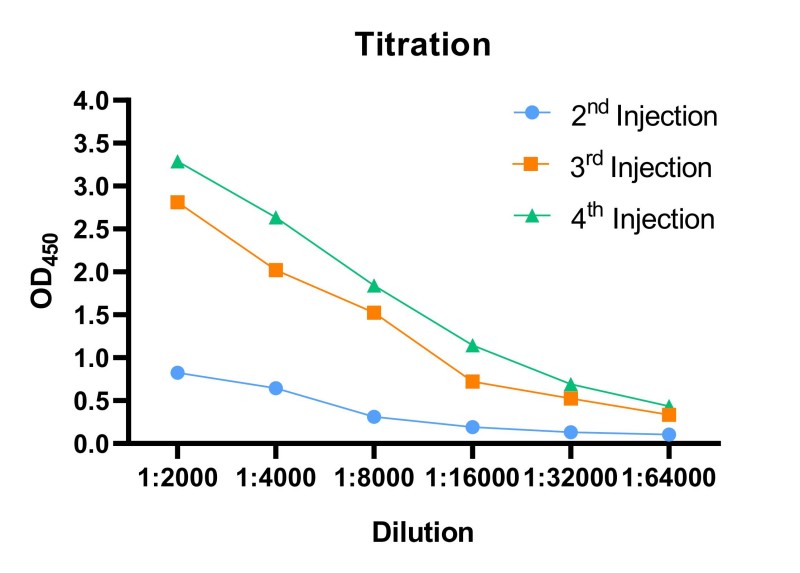
We specialize in constructing high-diversity immune libraries enriched for ultralong CDR3s. Our proprietary primers and cloning strategies are designed to maximize sequence diversity and preserve rare structural motifs, consistently achieving 108-1010 capacity.
Libraries are rigorously validated through next-generation sequencing to assess complexity, uniformity, and in-frame sequence rates.
Using affinity testing platforms, we perform screening and validation enabling precise affinity ranking of ultralong CDR3 candidates.
Each selected clone undergoes purification and detailed characterization to ensure downstream development potential.
Creative Biolabs offers a specialized service platform focused on the discovery of bovine ultralong CDR3 antibodies, uniquely suited for targeting difficult or conserved epitopes. Leveraging the natural structure of bovine ultralong CDR3 regions—characterized by their extended stalk-and-knob architecture—our platform enables the identification of antibodies that can engage previously inaccessible sites.

Creative Biolabs offers a streamlined, end-to-end platform for discovering bovine ultralong CDR3 antibodies—from custom immune library construction to detailed downstream characterization. With high library diversity, advanced screening, and strict quality control, we ensure the development of high-affinity, specific, and developable candidates. Our client-centric model includes full IP retention and tailored solutions, accelerating your path to next-generation biologics. Please contact us to get started.
With extensive experience in antibody development, Creative Biolabs delivers a wide array of services tailored to multiple species. Beyond our dedicated bovine ultralong CDR3 platform, our versatile capabilities enable us to customize solutions that address the unique needs of each client while drawing on comparative immunological knowledge across species.
All listed services and products are For Research Use Only. Do Not use in any diagnostic or therapeutic applications.