
Archaeosomes are recognized as an exceptionally useful carrier system, adept at transporting a variety of cargoes to their intended destinations. As experience in the realm of lipid-based delivery systems grows, Creative Biolabs is at the cutting edge of advancing the development of archaeosomes. Our team of scientists is dedicated to providing clients with high-quality characterization and both in vitro and in vivo validation services for archaeosomes. This includes comprehensive support for the encapsulation efficiency, stability, and release profiles of various therapeutic agents within the archaeosomal structure, ensuring their potential in drug delivery systems is fully realized.
Archaeosomes are liposomal formulations that are prepared with one or more lipids, mainly containing diether and/or tetraether linkages, found in archaeobacterial membrane. These archaeobacterial lipids present unique features and higher stabilities to several conditions including high or low temperatures, high salinity, acidic media, anaerobic atmosphere, high pressure over conventional liposomes. The surprising stability of archaeosomes can be attributed to the following properties brought by the archaeobacterial lipids’ structure:
The biocompatibility and better stability of archaeosomes in numerous conditions offer advantages over conventional liposomes for their usage in biotechnology including vaccine and drug/gene delivery. Thus, archaeosomes can be considered as better carriers especially for protein and peptide delivery due to their high stability.
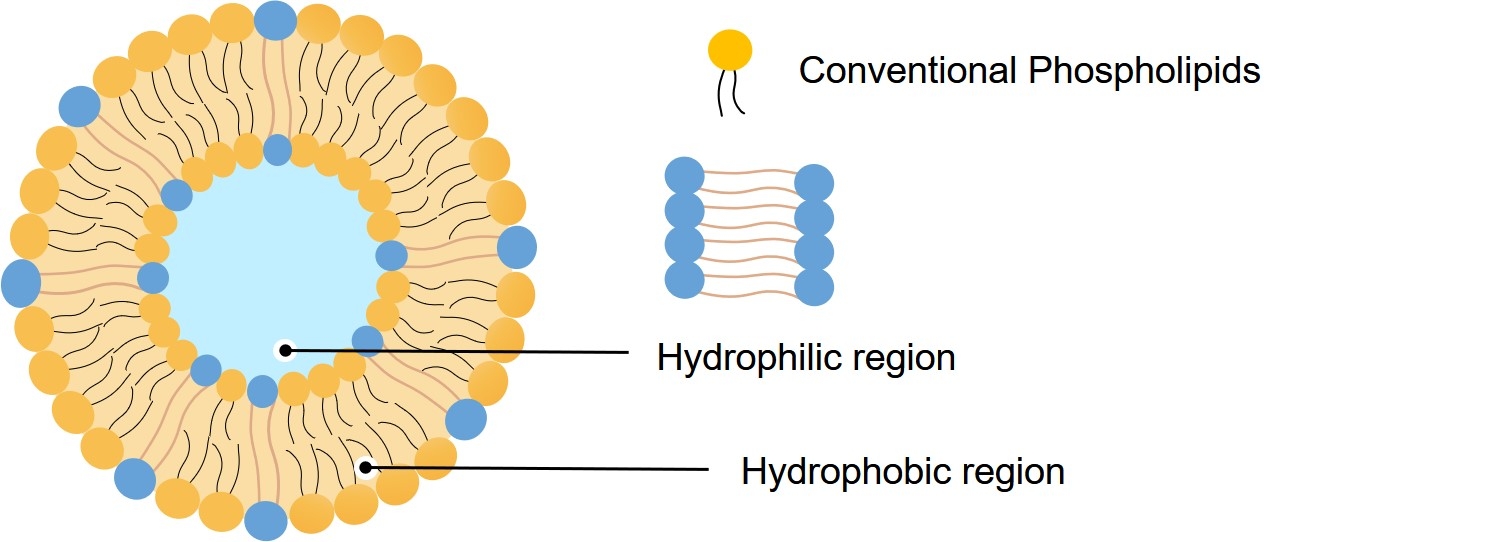 Fig.1 Structure of archaeosomes.
Archaeosomes induce strong CD4+ as well as CD8+ CTL responses to entrapped soluble antigens and thus have been used in self-adjuvanting drug delivery systems for cancer vaccines. Additionally, archaeosomes have also been widely used in other aspects of drug delivery. Since archaeosomes are a type of liposomes prepared from the polar lipids of various archaeobacteria, they may be used to deliver different types of cargoes such as gene, small fluorescent molecules, peptides, small proteins, large protein aggregates and natural antioxidant compounds into epithelial cells.
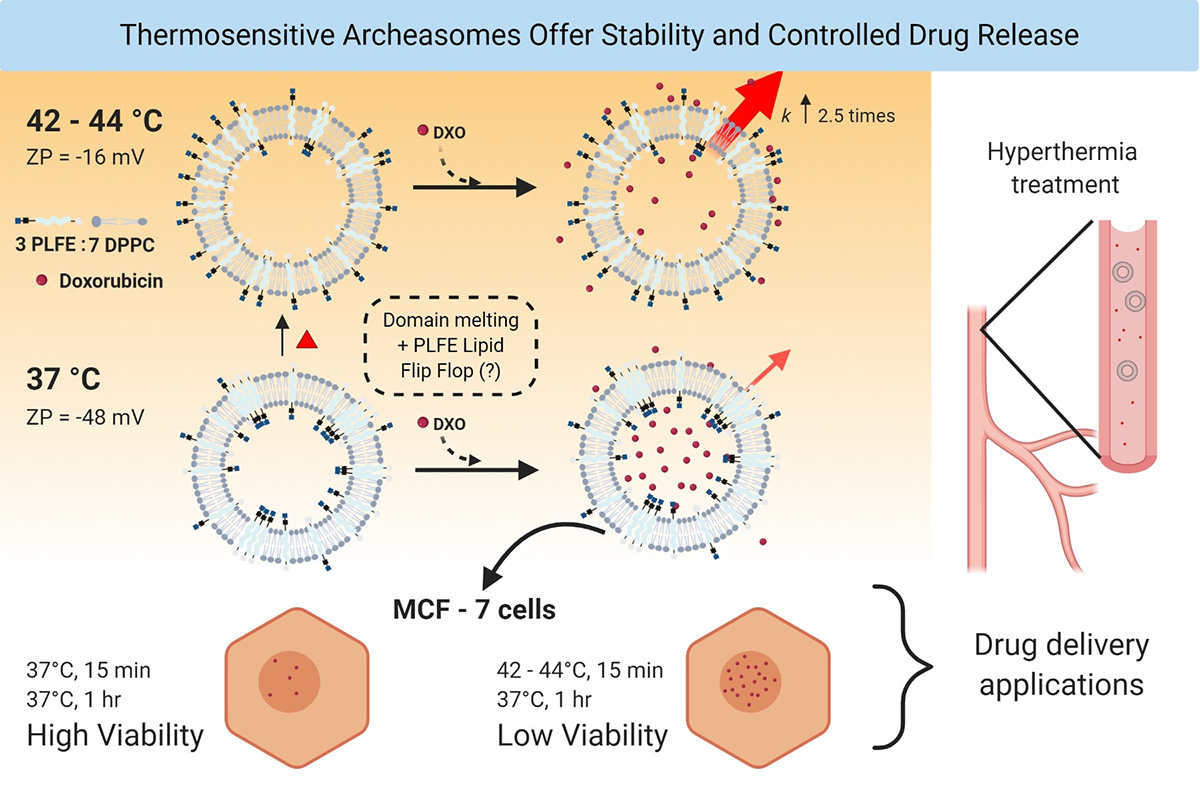 Fig.2 Thermosensitive archeasomes offer stability and controlled drug release.1,2
With the support of our advanced platform and the expertise of our seasoned scientists, Creative Biolabs is proud to offer a comprehensive suite of evaluation services for archaeosomes. Our mission is to ensure that you have a complete understanding of the properties and functionalities of archaeosomes, equipping you with the knowledge to leverage their potential effectively.
Our evaluation services include a thorough characterization of archaeosomes, covering aspects such as morphology, particle size, encapsulation efficiency, and stability. We also provide validation both in vitro and in vivo, ensuring a holistic assessment of the archaeosomes' performance. By combining these services, we are able to generate highly professional evaluation reports that simplify your understanding of archaeosomes.
If you are interested in our evaluation services, please do not hesitate to contact us. At Creative Biolabs, we are committed to helping you make significant strides in your work by providing the highest quality evaluation services for Archaeosomes.
References
 For Research Use Only. Not For Clinical Use
Supports
Online Inquiry

Creative Biolabs is a world-leading liposome provider with extensive experience in liposome preparation, custom formulation development, and characterization.

© 2026 Creative Biolabs. All rights reserved.