
Creative Biolabs-Lipid Based Drug Delivery

Lipid Particulate System-based Drug Delivery

Lipid particulate system of micro or nanosize has been reported as promising drug carriers to achieve the desired targeted controlled efficiency of drugs and has been extensively applied for clinical therapies. With a better pharmaceutical background and well-established lipid-based drug delivery platform, Creative Biolabs is fully competent in assisting global clients with our the best customized products and services.

Background of Lipid Particulate System

Particulate system, also known as the colloidal carrier system, is a class of pharmaceutical carriers for targeted delivery of drugs, which consists of many different types of carriers such as some vesicular systems, micro- and nanoparticles, micro- and nanospheres, lipid particles, polymeric micelles and so forth. Lipid particulate system is one of the novel drug delivery systems based on lipid particulates with a shared structure of a drug containing core and lipids shell. Lipid particulate system is a class of new drug delivery carriers comprising of several kinds of delivery systems, such as lipid nanoparticles, Lipid microparticles, lipospheres and other nanostructured lipid carriers like lipid drug conjugates.

Lipid particulate drug delivery systems have been developed to furnish targeted and controlled release of drugs with variable molecular weight, especially of which micron- and nanometer-sized lipid particulate systems have been demonstrated and confirmed to improve efficacy and stability of drugs.
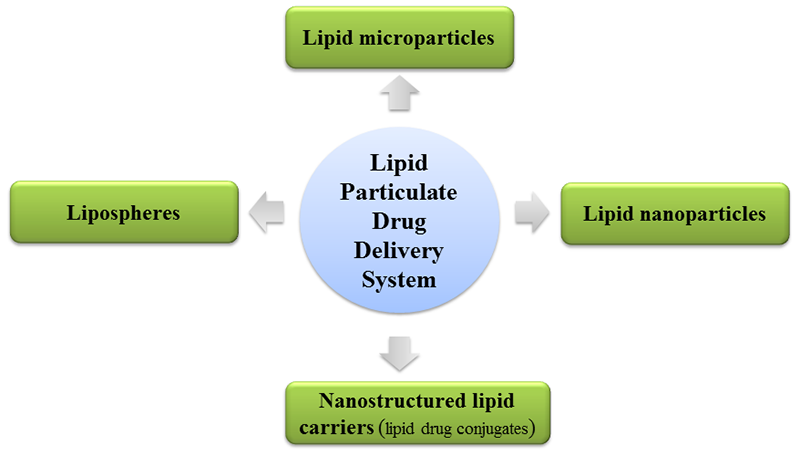
Fig.1 Different kinds of lipid particulate drug delivery systems. (Creative Biolabs Original)

Features of Lipid Particulate System

Lipid particulate system is a tremendously potential drug delivery system that has focused on growing awareness across the globe for its delivery performance improvement, drug efficacy promote and therapeutic application. These different kinds of lipid particulates may be distinguished in structures, sizes, even drug delivery mechanisms, but they do share some common features especially advantages, such as:

  • Mostly particulate structures with a drug containing core and lipids shell
  • The greater carrying capacity for drugs and higher stability compared with vesicular systems
  • Increase the solubility and bioavailability of poorly soluble drugs
  • Decrease the toxicity and side effects of drugs by altering the biodistribution of the drug away from sensitive organs
  • Achievements in targeted drug controlled release

What We Can Do about Lipid Particulate System?

Over the years’ development, novel lipid particulate formulations are possible to be tailored to meet a wide range of product requirements. As a first-class and the undisputed global leader of drug delivery system, Creative Biolabs can provide various kinds of customized lipid particulate formulations, which include but not limited to:

In addition to lipid-based drug delivery formulations, we are also capable to offer a wide range of drug delivery related services such as delivery systems characterization and validation, sciences as well as applications. What more importantly are customized delivery system services specific for your demands, based on our years of related experience, professional teams and lipid-based drug delivery technology platforms.

For more detailed information, please feel free to contact us or directly send us an inquiry.

For Research Use Only. Not For Clinical Use

Supports

Formulation Background of Liposome Research Highlights
Resources Technical Supports Featured Services Knowledge Center
Transfersome Development: Edge Activators, Size Optimization, and Permeation Testing
High-Ethanol Ethosomes: Drug Loading, Stability, and Skin Irritation in Transdermal Delivery
Dermal Delivery: Franz Diffusion Cells vs. Dialysis
Liposomes Fail in Skin Applications: A Practical Troubleshooting Guide
Key CQAs for Liposomal Skin Delivery: Stability, Loading and Irritation
Gradient Loading and Formulation Design for Small Molecule Liposomes
Protein & Peptide Liposomes: Preventing Denaturation and Controlled Release
Liposome vs. LNP: The Key Difference in Nucleic Acid Delivery
Nucleic Acid Liposomal Delivery: Endosomal Escape and Expression
Prodrug Liposomes: Translating Chemical Design into Delivery Advantages
Enzyme-Loaded Liposomes: Activity Retention, Protection & Batch Consistency
Adjuvant Liposome Composition Shapes the Immune Activation Window & Safety Profile
Multivesicular Liposomes: High Payload Capacity for Sustained Drug Release
Encapsulation vs. Delivery: Payload Compatibility in Liposomal Formulations
Liposome Payload Troubleshooting: Low Encapsulation, Precipitation & Uncontrolled Release
Optimizing LNP Molar Ratios for Transfection Efficiency
Scalability Challenges in mRNA-LNP Manufacturing
Beyond mRNA: LNP Delivery for CRISPR/Cas9
Cationic Lipids Evolution: DOTAP to Ionizable Lipids
LNP Storage Stability: Lyophilization vs. Liquid
Modulating LNP Biodistribution: Overcoming Liver Accumulation
Active vs. Passive Targeting (EPR): A Guide to Tumor Drug Delivery
Immunoliposomes: Comparing Pre-insertion vs. Post-insertion Techniques
Crossing the BBB: Advances in Transferrin and Peptide-Modified Liposomes
pH-Responsive Liposomes for Tumor Microenvironment
Thermosensitive Liposomes combined with HIFU
Aptamer-Modified Liposomes: A Cost-Effective Antibody Alternative
Ethosomes vs Transfersomes for Dermal Delivery
Strategies for Encapsulating Poorly Water-Soluble Small Molecules in Liposomes
Multivesicular Liposomes: The Architecture of Sustained Release
Mechanisms of Liposomal Adjuvants in Enhancing Vaccine Immune Response
Protecting Enzymatic Activity: Liposomal Encapsulation Strategies for Enzymes
Cryo-TEM vs. DLS: Interpreting Discrepancies in Liposome Particle Size Data
Validating In Vitro Release Methods: Dialysis vs. Sample Separation Techniques
Predicting Long-Term Stability of Liposomal Suspensions using Zeta Potential
Troubleshooting Low Liposome Encapsulation Efficiency
Application of Multi-omics Analysis in Liposome Toxicology Assessment
The Ultimate Guide to Liposome Preparation
Fluorescent Liposomes for Cellular Uptake: Labeling, Controls, and Troubleshooting
How to Design Stealth Liposomes for Long Circulation
Homemade vs. Commercial Kits: Why Standardization Matters in Liposome Research
Webinars

Online Inquiry