
Creative Biolabs is offering the most comprehensive services for antibody development projects. With strict regulation and effective execution, we are dedicated to providing the most valuable solutions to complete your projects.
HighlightsCreative Biolabs is offering the most comprehensive services for antibody development projects. With strict regulation and effective execution, we are dedicated to providing the most valuable solutions to complete your projects.
HighlightsCreative Biolabs has established a broad range of platforms for developing novel antibodies or equivalents. These cutting-edge technologies enable our scientists to meet your demands from different aspects and tailor the most appropriate solution that contributes to the success of your projects.
HighlightsWith deep understanding in antibody-related realms and extensive project experience, Creative Biolabs offers a variety of references to help you learn more about our capacities and achievements, including infographic, flyer, case study, peer-reviewed publications, and all kinds of knowledge that can assist your projects. You are also welcome to contact us directly for more specific solutions.
HighlightsGet a real taste of Creative Biolabs, one of the most professional custom service providers in the world. We are committed to providing highly customized comprehensive solutions with the best quality to advance your projects.
HighlightsThe Fab (Fragment Antigen-Binding) phage display platform stands as a transformative technology that changed how scientists discover and engineer antibodies. This technology presents Fab fragments on bacteriophages surfaces which allows quick identification of high-affinity binding proteins. Therapeutic antibody development along with biomarker identification and targeted molecular research has benefited greatly from this approach.
Fab antibodies represent monovalent antigen-binding fragments derived from full-length immunoglobulin G (IgG). The Fab antibody structure consists of a variable heavy chain, VH, alongside a variable light chain, VL, which are connected through a constant region fragment that includes CH1 and CL. Fab fragments do not include the Fc region which results in them being more compact and adaptable for different uses compared to full-length antibodies.
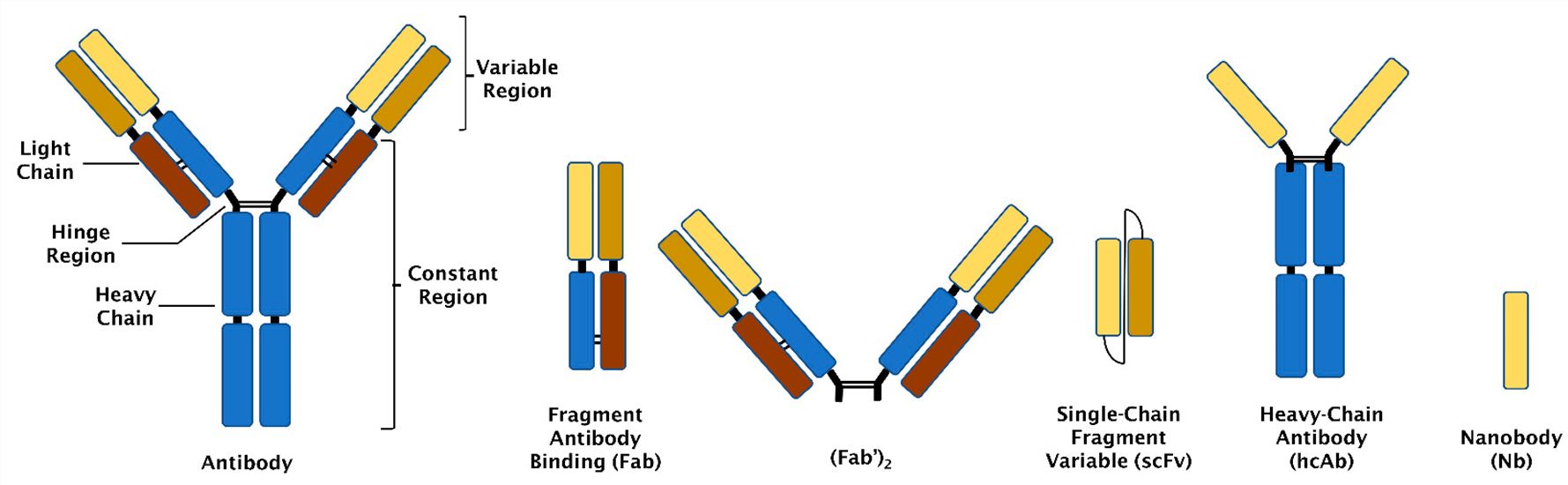 Fig. 1 Schematic structures of different antibody-based binders.1, 4
Key features of Fab fragments:
Phage display enables researchers to present peptides and proteins together with antibody fragments on bacteriophage surfaces. The process involves:
Fab libraries are typically generated from human peripheral blood mononuclear cells (PBMCs) or naive sources. The process involves:
Naïve Fab libraries are constructed from non-immunized donors, ensuring a broad repertoire of antigen-binding specificities. They offer advantages such as:
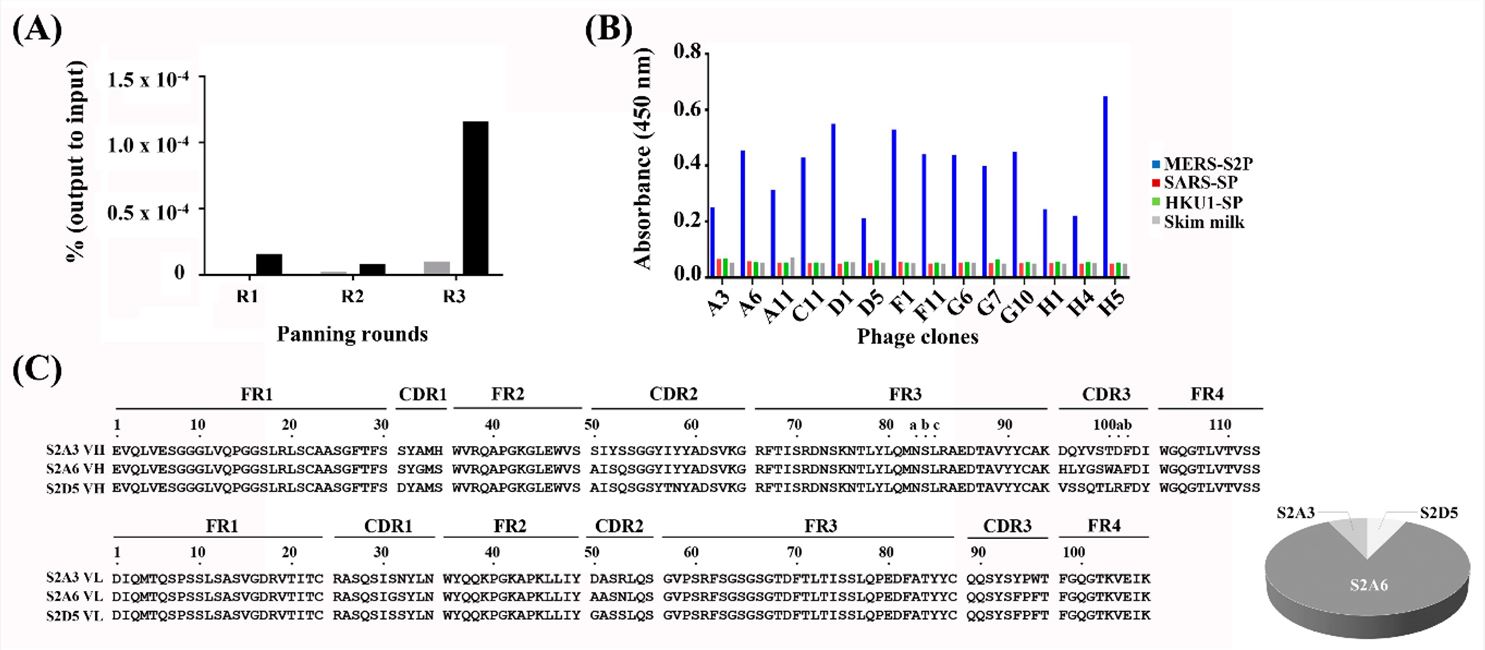 Fig. 2 Output of the panning of the phage-displayed synthetic Fab library on MERS-S2P.2, 4
Combinatorial libraries are created by artificially recombining heavy and light chain genes from diverse donors. These libraries enhance diversity beyond natural immune responses and are used for de novo antibody discovery.
Table. 1 Comparison of Fab Phage Display Libraries
| Library Type | Source | Diversity | Advantages |
| Naïve | Healthy donors | High (109-1011) | Broad specificity, no immune bias |
| Immunized | Vaccinated donors | Moderate (107-109) | High-affinity binders to specific antigens |
| Synthetic | Engineered sequences | Very high (>1012) | Controlled diversity, optimized affinity |
| Combinatorial | Mixed donors | High | Increased functional diversity |
One of the most significant applications of Fab phage display is in therapeutic antibody discovery and development. This technology enables the generation of highly specific, high-affinity antibodies that can be further engineered into full-length monoclonal antibodies (mAbs), bispecific antibodies, or other therapeutic formats.
Fab phage display has been instrumental in the discovery of several clinically approved therapeutic antibodies, including:
| Antibody | Target | Indication | Company |
| Ranibizumab | VEGF-A | Age-related macular degeneration (AMD) | Genentech/Novartis |
| Belimumab | BAFF | Systemic lupus erythematosus (SLE) | GlaxoSmithKline |
| Brolucizumab | VEGF-A | Wet age-related macular degeneration | Novartis |
These antibodies were initially identified as Fab fragments and later engineered into full-length IgG or maintained as Fab-based therapeutics.
| Advantage | Description |
| Smaller size (~50 kDa) | Enhanced tissue penetration (ideal for ocular and solid tumor applications) |
| Fc-independent function | Reduced immune system activation |
| Rapid development cycle | Phage display enables quick identification of high-affinity Fab fragments. |
Fab phage display has facilitated immune checkpoint inhibitor discovery, targeting PD-1, CTLA-4, and other immune regulators. These antibodies are crucial in cancer immunotherapy and personalized medicine.
The essential role of Fab fragments in diagnostics stems from their highly specific binding capabilities alongside their small size and diverse antigen recognition ability. Custom antibodies targeting pathogens, biomarkers and environmental contaminants are produced through the Fab phage display technique.
Due to their high affinity for antigens Fab fragments find wide application in both enzyme-linked immunosorbent assays (ELISA) and biosensors. Examples include: The use of Fab-based detection in COVID-19 rapid test kits targets SARS-CoV-2 antigens while cancer biomarker ELISA assays take advantage of Fab technology for early tumor identification and food safety biosensors detect harmful contaminants such as aflatoxins and Listeria.
Fab-based antibodies labeled with imaging agents can be used in: In positron Emission Tomography (PET) imaging Fab fragments are labeled with radiotracers to visualize tumors while fluorescent imaging uses Fab fragments tagged with dyes to enable real-time in vivo imaging.
Table 2. Comparison of Fab vs. Full-Length Antibodies in Diagnostics.
| Feature | Fab Fragments | Full-Length IgG |
| Size | Small (~50 kDa) | Large (~150 kDa) |
| Penetration | High (better tissue access) | Lower |
| Fc-Mediated Effects | None | ADCC, CDC |
| Production Cost | Lower | Higher |
Fab fragments generated through phage display serve as essential tools in research, particularly in protein characterization, molecular interaction studies, and structural biology.
Fab fragments enable the detection of scarce proteins in western blotting studies and act as cell surface antigen markers during flow cytometry while aiding protein purification in immunoprecipitation research.
Structural biologists apply Fab fragments in both X-ray crystallography and cryo-electron microscopy (cryo-EM) methods to stabilize protein complexes for the purpose of determining precise structures of membrane proteins and challenging biomolecules to crystallize. Fab fragments stabilize G-protein-coupled receptors (GPCRs) allowing scientists to determine their structures.
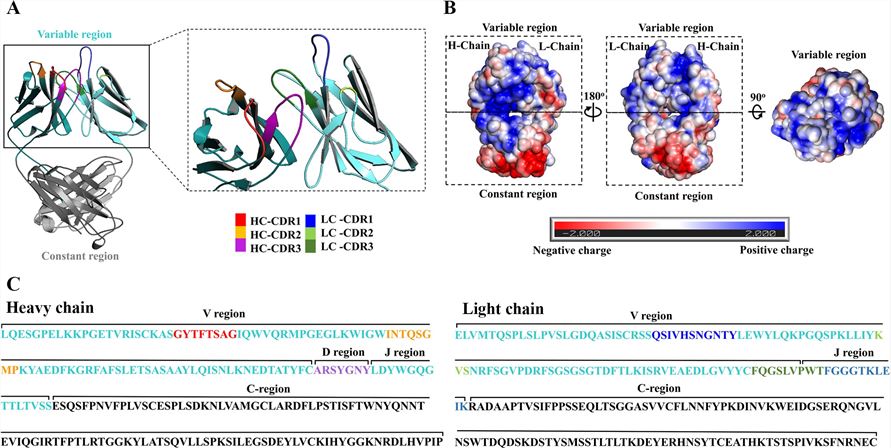 Fig. 3 Structure and sequence of KKU505 Fab modelling.3, 4
The Fab phage display platform is an essential tool for antibody discovery by delivering superior benefits in library diversity and human antibody selection while enabling efficient affinity maturation. The absence of Fc effector functions along with difficulties in presenting complex Fab structures demonstrates the necessity of developing auxiliary technologies alongside Fab phage display. As NGS technology merges with AI antibody optimization and hybrid display systems future enhancements will boost Fab phage display performance thereby securing its leading role in pharmaceutical and biotechnology innovation.
Table 3. Comparison of Fab Phage Display with Traditional Antibody Discovery Platforms.
| Feature | Fab Phage Display | Hybridoma Technology | Yeast Display | Transgenic Animals |
| Library Diversity | Very High (1012) | Low (106-107) | High (109) | Low (Limited to immune response) |
| Antibody Origin | Human, Synthetic, Naïve | Mouse, Rat, Rabbit | Human, Synthetic | Humanized IgG (engineered) |
| Screening Speed | Fast (Weeks) | Slow (Months) | Moderate (Weeks) | Very Slow (Months to Years) |
| Affinity Maturation | Yes (Directed Evolution) | Limited | Yes (Directed Evolution) | Limited (Natural Selection) |
| Humanization Required? | No | Yes | No | No (Fully Human) |
| Fc Region Present? | No | Yes | No | Yes |
| Effector Function (ADCC, CDC) | No | Yes | No | Yes |
| Production System | Bacteria (E. coli) | Mammalian Cells (Hybridoma) | Yeast | Mammalian Cells |
| Production Cost | Low | High | Moderate | Very High |
| Selection Pressure | Stringent, Tunable | Natural Immune Response | Stringent, Tunable | Natural Immune Response |
| Tolerance for Toxic Antigens | High (In vitro) | Low (Requires Immunization) | High (In vitro) | Low (Requires Immunization) |
| Expression & Scaling | Easy, Scalable | Challenging, Requires Hybridoma Growth | Easy, Scalable | Difficult, Requires Mammalian Cell Lines |
Key Takeaways:
Fab phage display technology stands as an innovative approach to antibody research and development which delivers unmatched benefits across therapeutic treatments and diagnostic solutions as well as scientific investigations. Although it has certain limitations ongoing improvements in library construction and selection methods continue to strengthen its potential which establishes Fab phage display as a fundamental technology for modern biotechnology. Creative Biolabs leads in cutting-edge Fab phage display services, contact us to leverage our expertise in custom antibody discovery solutions!
Learn more about Creative Biolabs phage display services:
All listed services and products are For Research Use Only. Do Not use in any diagnostic or therapeutic applications.








