Creative Biolabs' Custom Scale-Up Culture Service transitions hiPSC processes from bench to industrial scale via innovative rotating bioreactor technology and optimized quasi-perfusion systems. It delivers high-quality clinical-grade cells, critical for allogeneic cell therapy and drug discovery. Backed by bioengineering insights, we ensure pluripotency and genomic integrity during scaling, bridging the lab-industry gap for regenerative medicine needs.
Discover How We Can Help - Request a Consultation
iPSC Scale-up Culture expands lab-scale cell culture to industrial volumes, ensuring high yield, stable pluripotency, and genomic integrity for clinical and industrial applications.
This stage focuses on the quality control of seed iPSCs. Key operations include verifying pluripotency markers (Oct4, Nanog, SSEA4), detecting chromosomal karyotype stability, and eliminating heterogeneous cell populations. Seed cells need to be in a logarithmic growth phase with high viability to ensure consistent growth kinetics during subsequent expansion. Meanwhile, a traceable cell bank system (master cell bank, working cell bank) should be established to meet the requirements of standardized production.
Different culture platforms are selected according to the production scale and application scenarios, mainly including two categories:
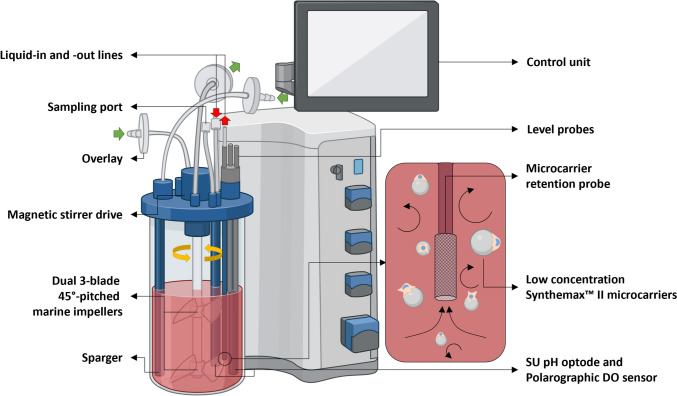 Fig.1 Expand the structure of production equipment for production.1
Focus on solving key bottlenecks in scale-up culture, including:
Quality control needs to run through the entire scale-up process to ensure that the expanded iPSCs maintain pluripotency, genetic stability, and safety:
After scale-up culture, iPSCs need to go through downstream processes to connect with practical applications:
Our service follows a rigorous, engineering-driven approach to cell expansion, moving from initial characterization to high-density harvest.
At Creative Biolabs, we understand that every cell therapy project has unique biological and regulatory requirements. We offer a comprehensive suite of Custom Scale-Up Culture Service that are fully customizable to meet your specific goals:
Seamless transition from laboratory-scale R&D to pilot-scale and large-scale industrial production.
Industrial tanks ranging from 4,000L to 12,000L, with a total capability exceeding 100,000 liters to handle any project size.
Tailored upstream and downstream optimizations, including codon usage adjustments to maximize expression in selected microbial or mammalian systems.
Flexible execution of fermentation in batch, fed-batch, or continuous perfusion modes depending on your product's stability and yield requirements.
Guaranteed stability of strains in cell banks and throughout large-scale cultivation, with full documentation of origin approved by quality assurance.
Deployment of Quality-by-Design (QbD), Process Analytical Techniques (PAT), and the Hazard Analysis Critical Control Point (HACCP) approach.
Strict aseptic verification and high-standard QC tools ensure all cell products meet the most stringent regulatory benchmarks.
Experience the Creative Biolabs Advantage - Get a Quote Today
During the process of expanding the cultivation of iPSCs, it is necessary to monitor the quality, quantity, and yield of iPSCs. Unlike rotary flask culture, the combination of covered aeration and perfusion modes can maintain dissolved oxygen (DO) and pH values between 6.8 and 7.2, and keep the concentrations of substrates and metabolites at unrestricted levels.
This expanded culture system can produce 1.5-3.3 × 10⁹ hiPSCs within five days. Analysis of the collected and filtered HIPSCs indicated that the composition of the culture medium, the collection method, or the separation technique had no significant impact on the cell quality.
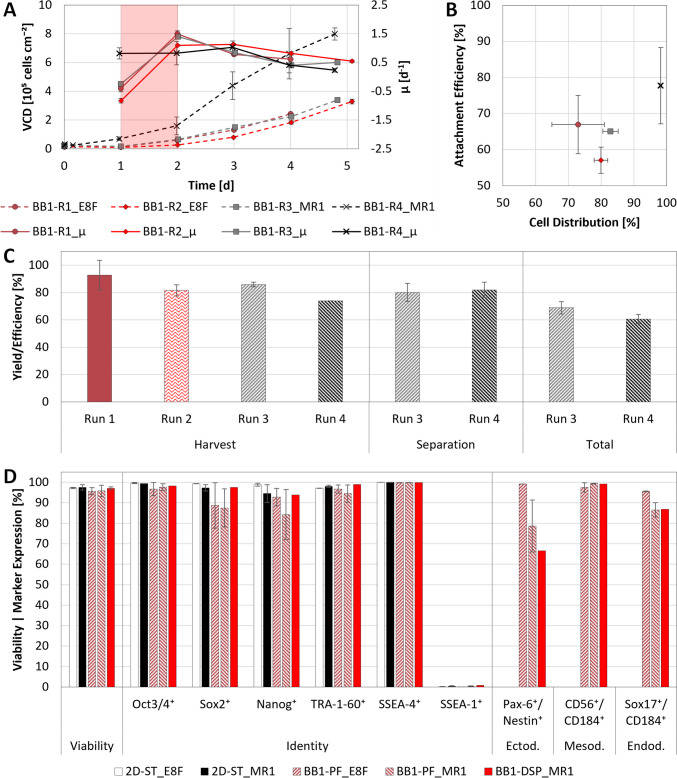 Fig.2 Under serum-free conditions, the growth, yield, and quality of hiPSCs were amplified using an expanded culture system.1
A: Yes. We use animal-origin-free (AOF) media and xeno-free dissociation enzymes throughout the entire expansion workflow. This commitment minimizes batch-to-batch variability and mitigates the risk of introducing adventitious agents, ensuring that your cell populations are suitable for downstream clinical translation and regulatory scrutiny.
A: Our scalable platform is designed for flexibility, supporting everything from 0.1L pilot-scale proof-of-concept studies to 80L high-yield production batches. This linear scalability allows you to transition seamlessly from early-stage lead generation to large-scale clinical trials without needing to re-validate your core process parameters at every stage.
A: We employ a multi-layered analytical approach to ensure pluripotency is maintained. Beyond standard flow cytometry for surface markers like SSEA-4 and TRA-1-60, we perform high-resolution qPCR for nuclear transcription factors (OCT4, SOX2) and tri-lineage differentiation assays (the "Trilineage Test") to confirm the cells' functional capacity to form ectoderm, mesoderm, and endoderm post-expansion.
Contact Our Team for More Information and to Discuss Your Project
Reference
For Research Use Only. Not For Clinical Use.