
CRISPR mediated RNA-binding Protein Knockout Screening Service
Introduction
Creative Biolabs' CRISPR-mediated RNA-binding Protein (RBP) Knockout Screening Service targets RBPs—key regulators of post-transcriptional processes like splicing and mRNA stability. It systematically identifies high-confidence RBP targets by linking gene knockout to specific RNA metabolic events, deciphering the "RNA black box" via advanced CRISPR platforms and proprietary bioinformatics. The end-to-end solution delivers annotated RBP lists and their regulated RNA events, providing deep mechanistic insights beyond simple phenotypes to accelerate therapeutic pipelines.
Discover How We Can Help - Request a Consultation Today
CRISPR-mediated RNA-binding Protein Knockout Screening Service
Background Introduction
The human genome encodes over 2,000 RBPs, which form a complex regulatory network that controls every aspect of an RNA's life cycle. This post-transcriptional regulation—including pre-mRNA splicing, polyadenylation, mRNA stability, localization, and translation—is what allows for the vast complexity of the human proteome. Dysregulation of RBP function is a known causal factor in numerous human diseases, particularly cancer, where RBPs frequently drive oncogenic phenotypes. This makes them a vast, high-potential, and largely untapped class of therapeutic targets.
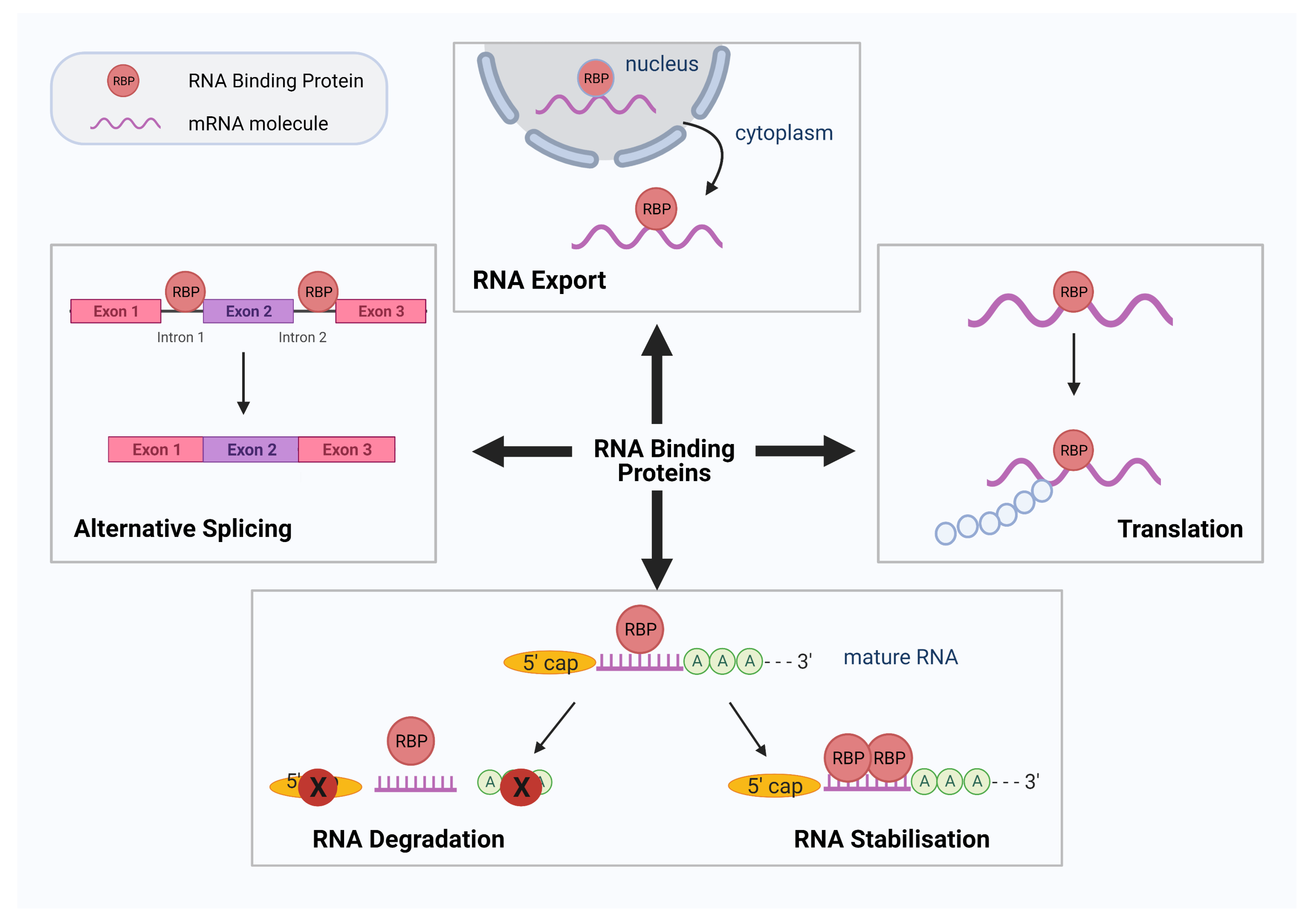 Fig.1 RNA-binding proteins (RBPS) play a significant role in RNA processing and translation, including selective splicing, RNA output, protein translation, RNA degradation, and RNA stabilization.1,3
Screening Purpose
The purpose of our RBP Knockout Screening Service is to systematically and mechanistically interrogate this complex regulatory layer. By coupling CRISPR-KO of each RBP with a direct readout of RNA metabolic events, we can functionally assign roles to hundreds of uncharacterized RBPs and identify the precise "master regulators" that control the disease-associated pathways you are studying.
Subsequent Application
The validated targets and mechanistic insights from our screen serve as a direct launchpad for therapeutic development. Applications include:
- Drug Discovery: Developing small molecules or biologics that modulate the RBP's activity or block its interaction with a target RNA.
- Biomarker Development: Using the identified RNA events (e.g., a specific splice variant) as a prognostic or diagnostic biomarker.
- Translational Research: Providing the mechanistic foundation for in vivo studies and preclinical development.
Workflow
Our process is designed for maximum transparency and data quality, providing a clear path from initial concept to actionable biological insights.
Required Starting Materials
To initiate a project, clients typically provide:
- One or more validated cell lines (e.g., specific cancer cell lines, iPSC-derived models, or immortalized lines).
- A defined research objective (e.g., identify RBPs involved in resistance to a specific compound, or find regulators of a known alternative splicing event).
- (Optional) Preliminary data or known pathways of interest to inform the design of a focused screen.

Project Consultation and Assay Design
Our PhD-level scientists collaborate with you to define the screening parameters, select the optimal RBP sgRNA library (genome-wide or focused), and establish clear success criteria.
Cell Line Engineering and QC
We engineer your provided cell line for stable Cas9 expression and perform rigorous quality control to ensure high knockout efficiency and assay robustness.

CRISPR Library Transduction
The cell line is transduced with the lentiviral sgRNA library targeting thousands of RBPs at a controlled multiplicity of infection (MOI) to ensure single-knockout events per cell.
Phenotypic or Metabolic Selection
The cell pool undergoes selection based on your project goals (e.g., drug treatment, cell sorting via a reporter, or simple time-course proliferation).

Next-Generation Sequencing (NGS) and Readout
We harvest genomic DNA to quantify sgRNA representation. Critically, for mechanistic screens, we also isolate RNA to perform RNA-seq or targeted sequencing to quantify changes in specific RNA metabolic events (e.g., intron retention, exon skipping, transcript stability).
Bioinformatic Analysis and Hit Identification
Our bioinformatics team analyzes the sequencing data to identify statistically significant "hits" (RBPs that, when knocked out, cause the desired effect). We provide mechanistic links by correlating RBP loss with specific RNA event changes.


Hit Validation
We validate the top hits from the primary screen through individual sgRNA knockout experiments and confirm the impact on the target RNA event(s) via RT-qPCR or mini-gene reporter assays.
Final Deliverables
- A comprehensive report detailing the project design, experimental procedures, and all raw and processed data.
- Complete bioinformatic analysis, including pathway enrichment and visualization of RNA event changes.

Estimated Timeframe
The typical timeframe for a full-service project (from consultation to final report) ranges from 10 to 14 weeks, depending on the scale of the library and the complexity of the validation assays required.
What We Can Offer
At Creative Biolabs, we understand that true breakthroughs require both targeted discovery and customized execution. Our advantage in CRISPR-mediated RBP screening is defined by our commitment to mechanism, fidelity, and translational readiness, ensuring your investment yields clinically actionable targets.
Target-Centric RBP Library Design
Customized sgRNA libraries focusing on specific RBP sub-classes (e.g., splicing factors, polyadenylation machinery, or translational regulators) relevant to your disease area.
High-Fidelity Mechanistic Screening
Utilizing advanced sequencing protocols to directly link RBP knockout to precise RNA endpoints, moving beyond generic phenotypic readouts to provide mechanistic certainty.
Integrated Delivery Science Strategy
Expertise in designing and prototyping non-viral delivery platforms, including specialized Optimized Lipid Nanoparticles (LNPs) and Polymer-Based Nanoparticles, to ensure your discovered RBP target is clinically translatable.
Flexible Readout Capabilities
Capability to screen for changes in alternative splicing, mRNA stability, translational efficiency, or other bespoke post-transcriptional events.
Orthogonal Validation and Data Confidence
Comprehensive functional validation of all top hits using orthogonal assays (T7E1, RT-qPCR, RNA-seq) to deliver a de-risked therapeutic candidate profile.
End-to-End Service
A complete solution from initial consultation and custom library construction to final bioinformatic analysis and target annotation.
Experience the Creative Biolabs Advantage - Get a Quote Today
Case Study
To study the genetic control of human RNA metabolism, researchers have proposed a universal method that combines CRISPR perturbation with barcode RNA readings. To ensure reliability, the team adopted an iterative site-specific integration strategy, gradually integrating relevant elements at the AAVS1 safe harbor site in HEK293T cells to enable stable expression of Cas9, sgRNA, and barcode RNA reporter genes. They also verified the system's ability to induce Cas9-mediated gene knockout.
The study designed a screening library targeting 2092 human RNA-related genes. By sequencing and counting the barcodes in genomic DNA and mRNA at different time points after Cas9 induction, the team found that these barcodes could accurately reflect the impact of CRISPR perturbation on gene function and cell fitness, with good technical repeatability. Notably, the knockout of essential genes exerts a more pronounced impact on mRNA levels.
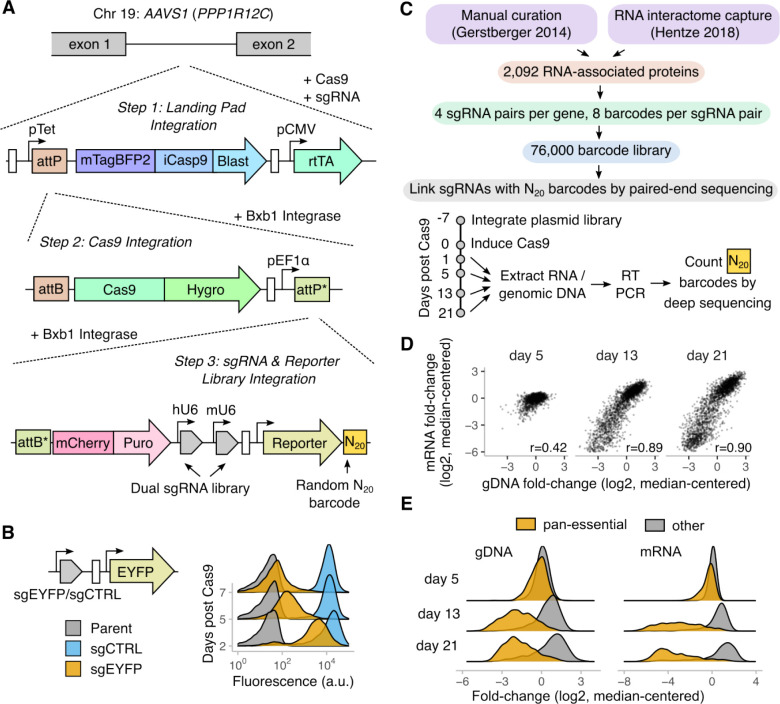 Fig.2 Screening progress of RNA-linked CRISPR (ReLiC) in human cells.2,3
Customer Reviews

FAQs
What is the main advantage of an RBP-focused screen over a standard genome-wide CRISPR screen?
A standard screen typically measures a single, indirect phenotype like cell survival. Our RBP screen provides direct, mechanistic insight by measuring changes in RNA metabolism (splicing, stability, etc.). This tells you how the RBP works, not just that it's important, giving you a much higher-confidence target.
What kind of RBP libraries do you offer?
We offer both genome-wide human RBP libraries and custom, focused libraries targeting specific RBP families (e.g., splicing factors, translation initiation factors) or pathways. All our sgRNA designs are highly validated for efficacy and specificity.
Can I use my own proprietary cell line for the screen?
Absolutely. We routinely work with client-provided cell lines, including patient-derived models and engineered lines. We will first perform standard QC and optimization to ensure robust assay performance and guarantee reliable data generation.
What if I am interested in an RBP function other than splicing or stability?
Our platforms are versatile. We can design custom readouts to measure other key RBP functions, such as changes in mRNA translation (e.g., via ribosome profiling) or localization. We encourage you to discuss your specific biological questions with our team—we specialize in custom assay development.
How does this service accelerate my drug discovery program?
By providing mechanistically validated targets, our service significantly reduces the time and resources spent on downstream target validation. You can move directly from our report to focused validation and lead discovery efforts, bypassing months of foundational mechanistic work and securing a competitive advantage.
The RBP-focused revolution is underway. Success in this complex field demands an integrated strategy that moves seamlessly from high-fidelity discovery to clinically viable therapeutic development. Creative Biolabs offers the full-stack solution.
Contact Our Team for More Information and to Discuss Your Project
References
- Kelaini, Sophia, et al. "RNA-binding proteins hold key roles in function, dysfunction, and disease." Biology 10.5 (2021): 366. https://doi.org/10.3390/biology10050366.
- Nugent, Patrick J., et al. "Decoding RNA metabolism by RNA-linked CRISPR screening in human cells." bioRxiv (2024). https://doi.org/10.1101/2024.07.25.605204.
- Distributed under Open Access license CC BY 4.0, without modification.
